gamescom 2026: Why Resonance: A Plague Tale Legacy Marks A Shift In Focus
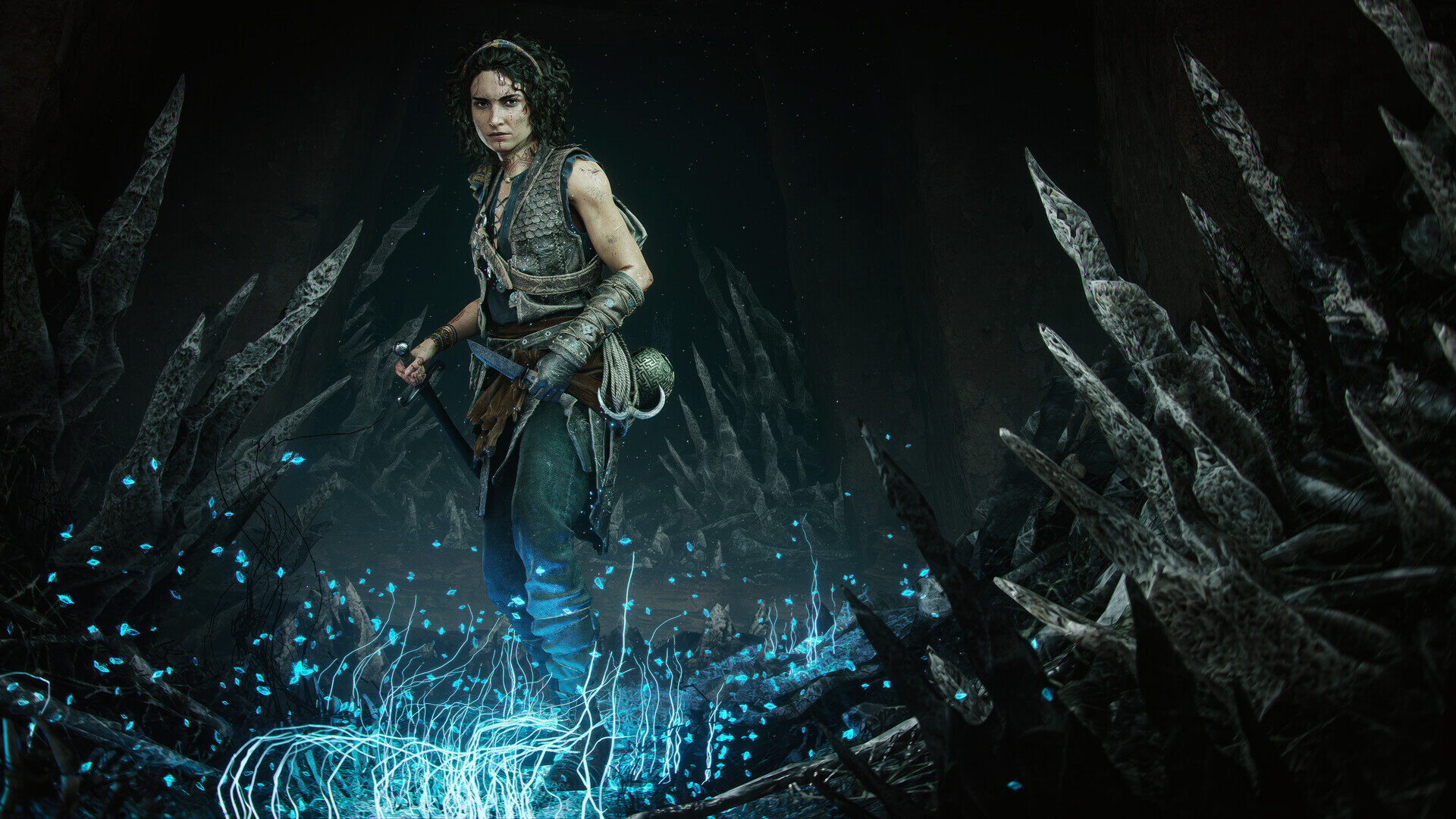
New gaming IPs are few and far between, but Bordeaux-based Asobo Studio struck gold in 2019 with the release of action-adventure stealth game A Plague Tale: Innocence. The game, which follows the story of siblings Amicia and Hugo as they flee the Black Plague as it spreads across mid-14th-century France, was a critical and commercial success.
Moreover, in 2022, Asobo followed Innocence with a sequel, A Plague Tale: Requiem, which continues the story of Amicia and Hugo. Like its predecessor, Requiem proved to also be a success, receiving five nominations at The Game Awards 2022, including Game of the Year, and surpassing 3 million players by October 2023.
For the third title in what has now become the Plague Tale franchise, however, Asobo Studio wanted to do something different. And so, this year saw the release of Resonance: A Plague Tale Legacy—an action-oriented prequel that follows sea captain Sophia, years before she comes to the aid of the siblings in Requiem. CGMagazine’s reviewer, Zubi Khan, awarded Resonance an 8/10 and called it “…a solid spinoff of a beloved duology of games that is accessible enough for everyone to enjoy, with the caveat of perhaps one too many puzzle sequences.”
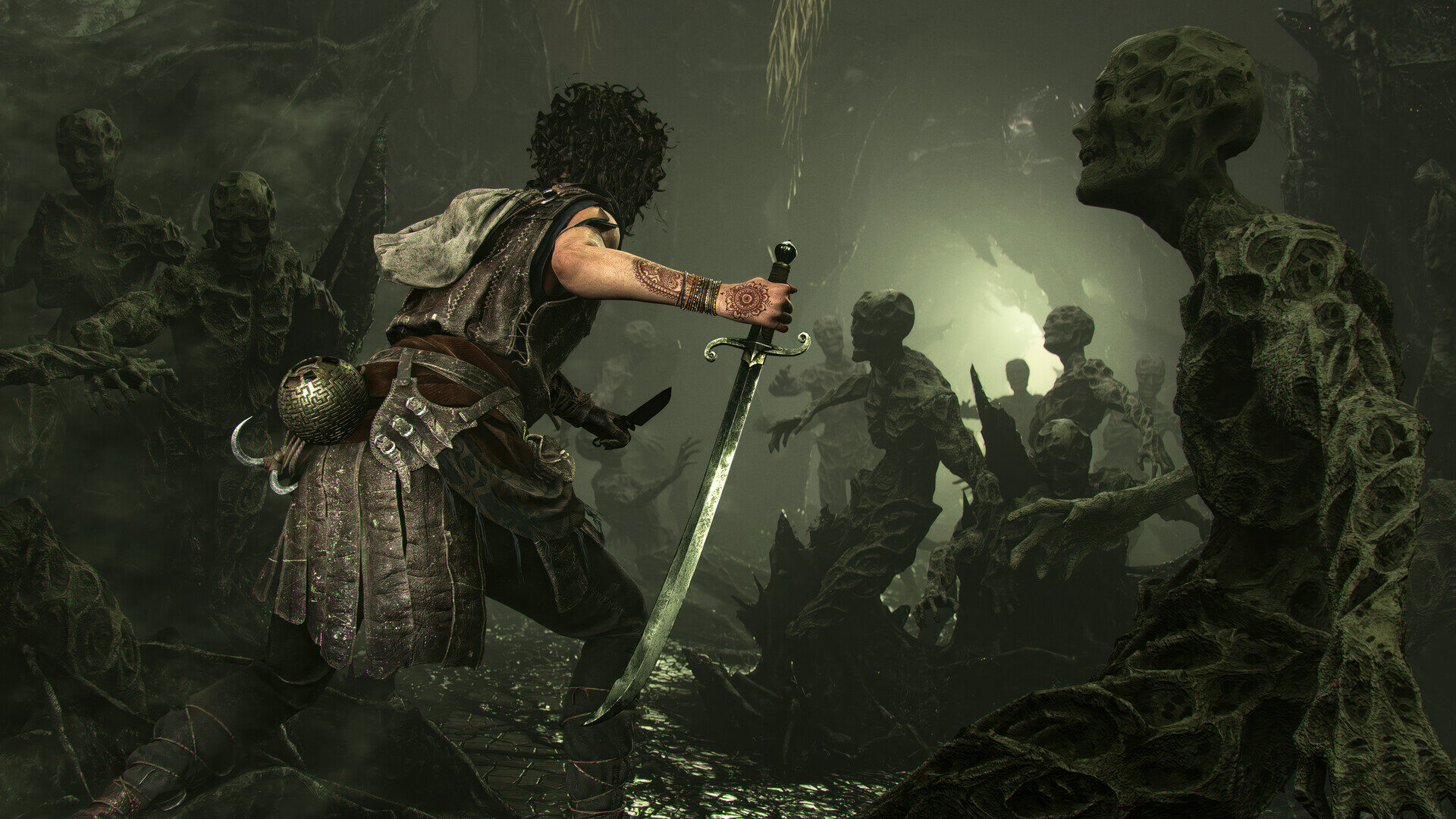
During gamescom 2026, I had the opportunity to interview some of the key figures behind Resonance: A Plague Tale Legacy, namely the voice and motion-capture actor for Sophia, Anna Demetriou; Lead Game Writer, Carol Ann Bañuls and Lead Level Designer Valerian Robert, and ask them about the new melee combat, Sophia and Theseus’s connection, recording the soundtrack with an all-female Greek-Cypriot vocal ensemble, and more:
Hello, and thank you so much for having me! I’d like to first congratulate you for launching the game! How does it feel to finally have Resonance: A Plague Tale Legacy in the hands of players everywhere?
Anna Demetriou: It’s so exciting. I was telling my friend recently [that] with a movie, you get a premiere and you get to walk the red carpet and everyone knows about it, but, with a game, one day, it just comes out and that’s it! You work on it for, sometimes, longer than films and there’s no big fanfare when it comes out. But it’s nice being at gamescom for this moment, because it feels like, in a way, we’re getting a little premiere. It’s been really nice!
That’s lovely to hear, thank you! So, Resonance marks a departure from the first two Plague Tale games, especially in that this new entry is more action-oriented. What inspired this reinvention?
Carol Ann Bañuls: We wanted to offer a new experience to the players. We wanted to keep the DNA but expand the lore of our universe. So, it was a good thing to do, and implementing a fighting system was a first for our studio, so we wanted to learn how to do it, and we managed to do it. We’re so happy to have that.
Related to this, Valerian, in an interview with Rock Paper Shotgun, spoke about the challenges the studio went through in moving from a stealth-focused game to one, in Resonance, which puts combat in the forefront. How do you think that fans of the first two games will learn to roll with the punches and adapt to the challenges that come with taking a less covert approach?
Valerian Robert: It was a big challenge to change our way of designing levels [and] to embrace these new gameplay mechanics. We want players returning from the first two games to feel at home, because we have the same DNA, especially story-wise, for instance, but we wanted to give a new experience. I think the melee combat system we have is accessible for every player, but it offers a lot of depth also. I think players will enjoy this new gameplay.
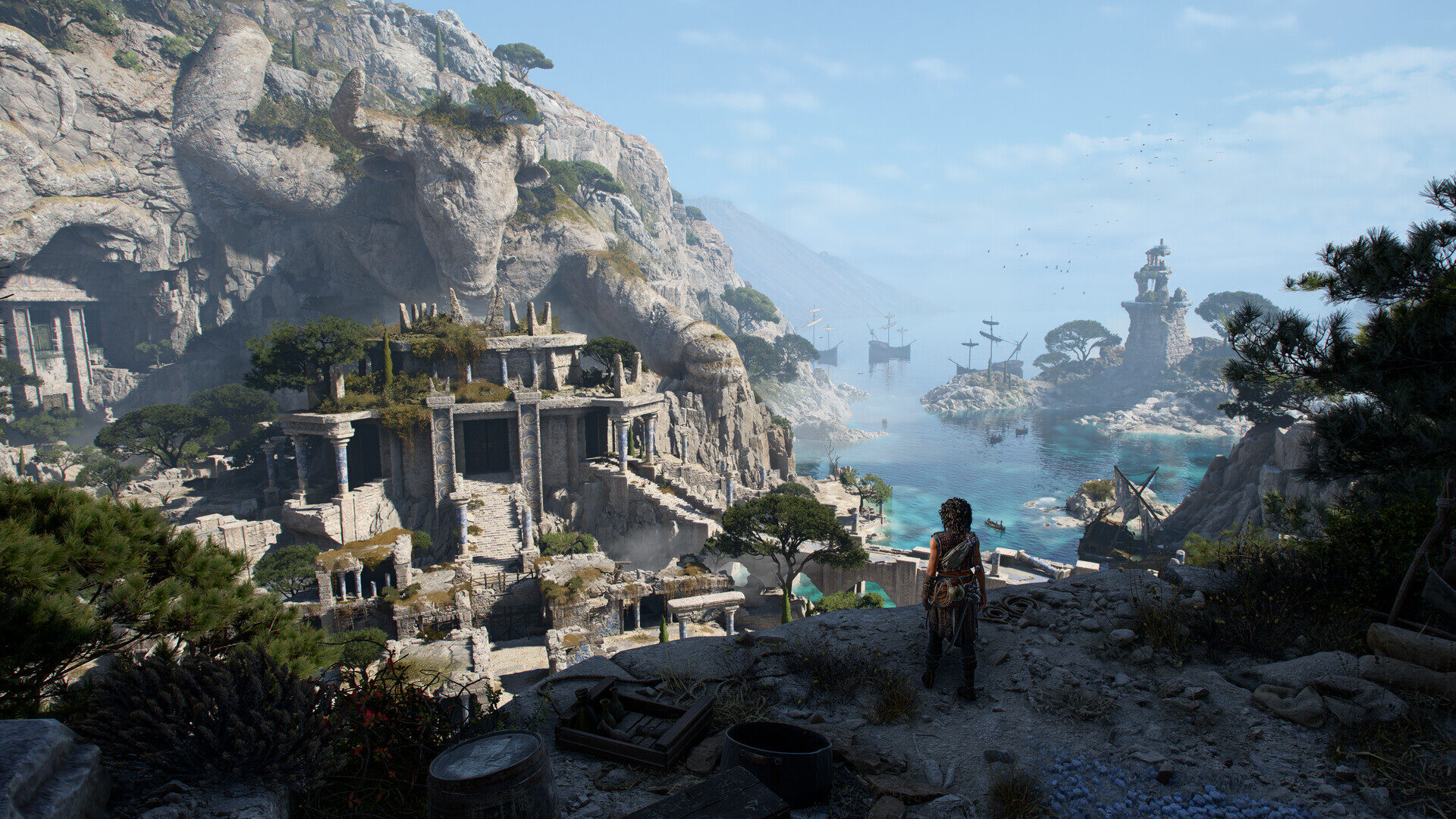
What’s more, Resonance also changes up the protagonists, as it swaps out Hugo and Amicia for a familiar face in Sophia and the former king of Athens himself, Theseus. To what extent is Sophia’s relationship with Theseus comparable to that of Hugo and Amicia? What parallels can players find between the two pairs?
Carol Ann Bañuls: It’s really different! It’s not the same thing at all! I think you can’t compare to Hugo and Amicia. It’s more about two destinies that are mirroring each other, which is why the game is called “Resonance,” actually. With Hugo and Amicia it’s different: it’s more [about] children who have to face the horrors of what’s happening in France in those times.
Anna Demetriou: It’s less directly connected. They are connected, but literally between time zones and eras. Hugo and Amicia are so physically connected, which we don’t have between Sophia and Theseus at all. But, it’s still relevant in the sense that they both are important relationships for the story.
Anna, how would you say your performance has changed from Requiem, in which your character, Sofia, also featured, going into her becoming the protagonist in Resonance?
Anna Demetriou: I had to try to remember that she is more hot-headed and reckless and not as thoughtful and measured as she was [in Requiem]. She really does feel very similar: she’s still Sofia. But maybe there’s more decision-making that you’d be like, “Oh, that’s surprising,” because in Requiem, she wouldn’t have done that, and in Resonance she definitely would do that. So, yeah, just like a different version of who she is.
With regards to the story, Carol, what would you say is the central theme behind Resonance?
Carol Ann Bañuls: I think the main theme revolves around Sophia learning to be vulnerable. She is someone who was born in this violent world…she learned to fight at a very young age…so, yeah, it’s about letting go of control. And, it’s funny because the Minotaur myth explores this: it’s about instinct and violence.
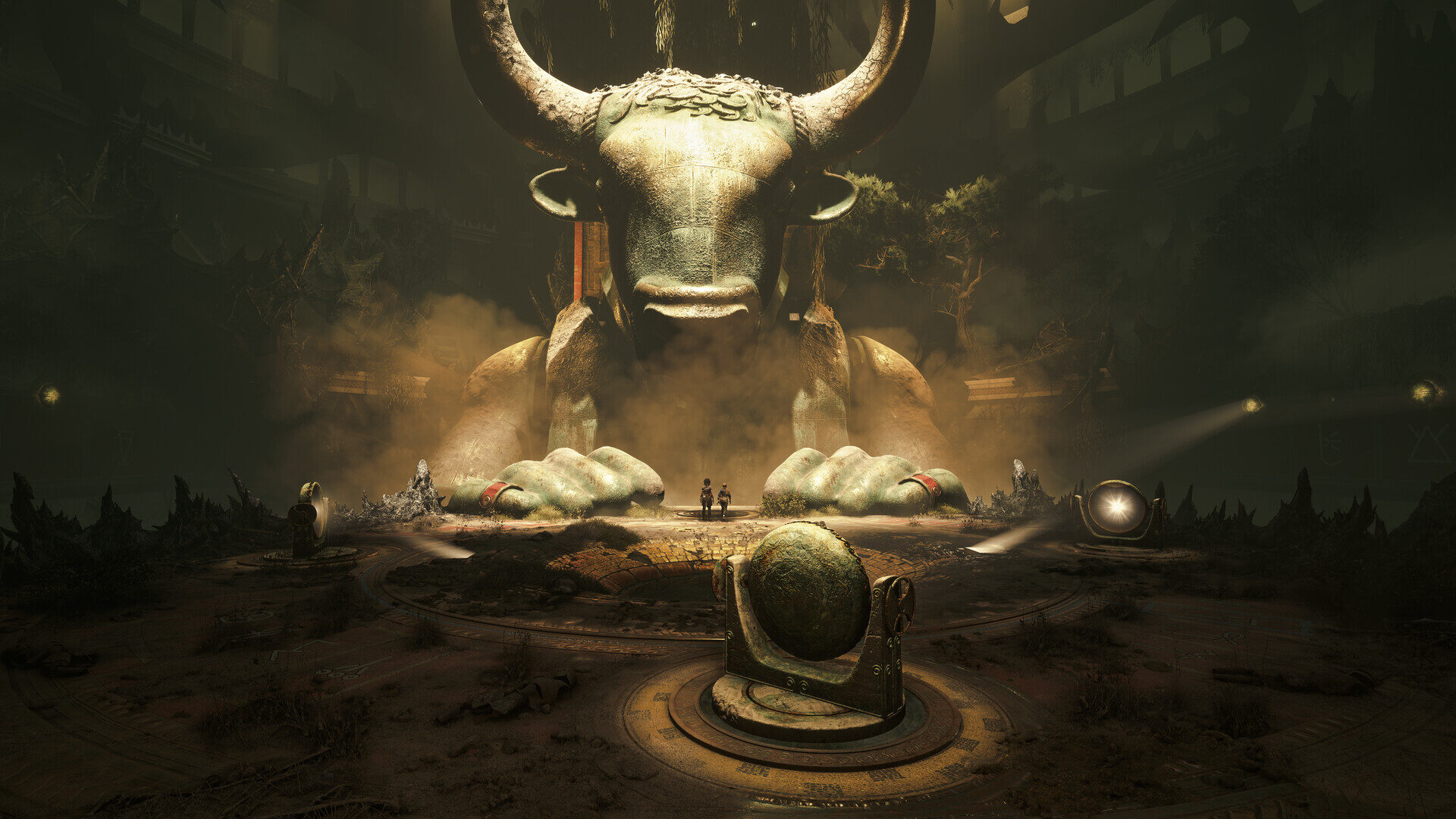
Speaking of the Minotaur myth, how early in the development of Resonance did you decide that you were going to be adapting it?
Valerian Robert: We decided very early on, actually. We explored different settings and different themes, but the Minotaur myth was fitting because there were a lot of links with Sophia as a character and what we wanted to develop with her. So, yeah, this came quite early on during development.
To what extent is the story of Resonance drawing on Greek mythology at large?
Carol Ann Bañuls: Well, we didn’t try to literally do the [Minotaur] myth, you know? We interpreted it in our own way to link it to the lore of our universe. So, I mean, there is some stuff that is going to surprise the players. And that’s what we wanted to do. We wanted to make our own story. This is what only the Plague series does: this is what they did with the plague, with the rats and everything. So, we continued to…
Anna Demetriou: …take a myth and twist it!
Since you’ve mentioned Middle Ages France, what were some rewarding or challenging aspects of weaving a narrative that connects, even loosely, this time to that of Theseus? What exactly is there that links these two times and places in Resonance?
Anna Demetriou: I think it’s quite rewarding, when you’re playing the Plague games, to feel like you think you know what’s happening and then actually not knowing what is happening, without it being completely new and also not being completely predictable either. So yeah, a bit of both!
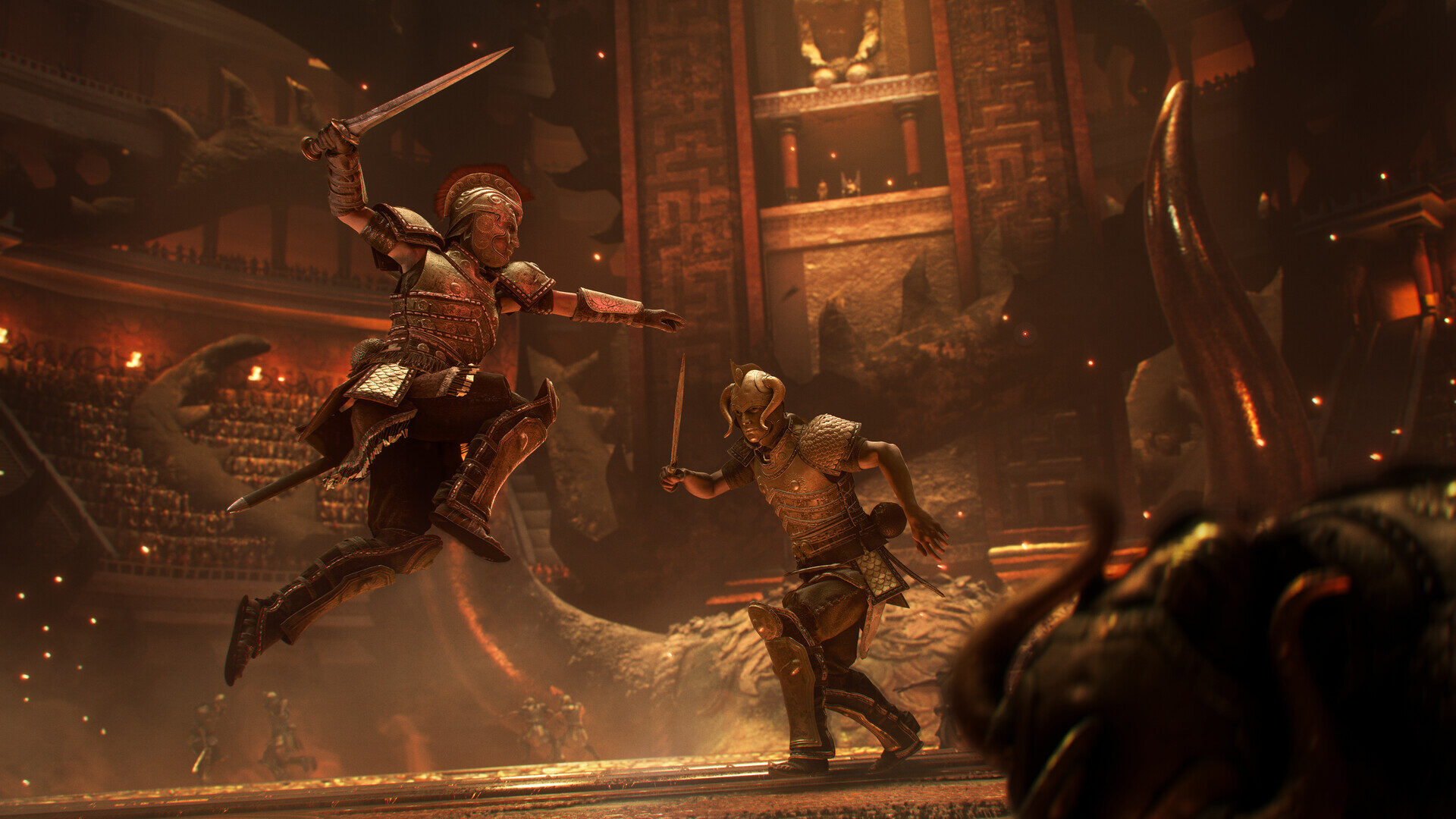
It’s interesting that Resonance comes out at a time when Christopher Nolan’s The Odyssey is still in the minds of many: how do you think players of Resonance and viewers of Christopher Nolan’s The Odyssey will compare these two pieces of art which are depicting—in the case of the Minotaur myth especially—the same event(s)?
Valerian Robert: There’s always been a great interest in Greek mythology, so Odyssey viewers will be welcome to play Resonance. But, as Carol said, we have our own take on the Minotaur myth and the mythology, so, I think we offer something different. It’s not like playing the Greek myth: we offer something else in Resonance. I think we have something really different.
So, whereas you give your own spin on the Minotaur myth, for the soundtrack, I know you took great care in performing the songs in Greek Cypriot dialect. How important was it to you that the music featured in Resonance was as authentic as it can be?
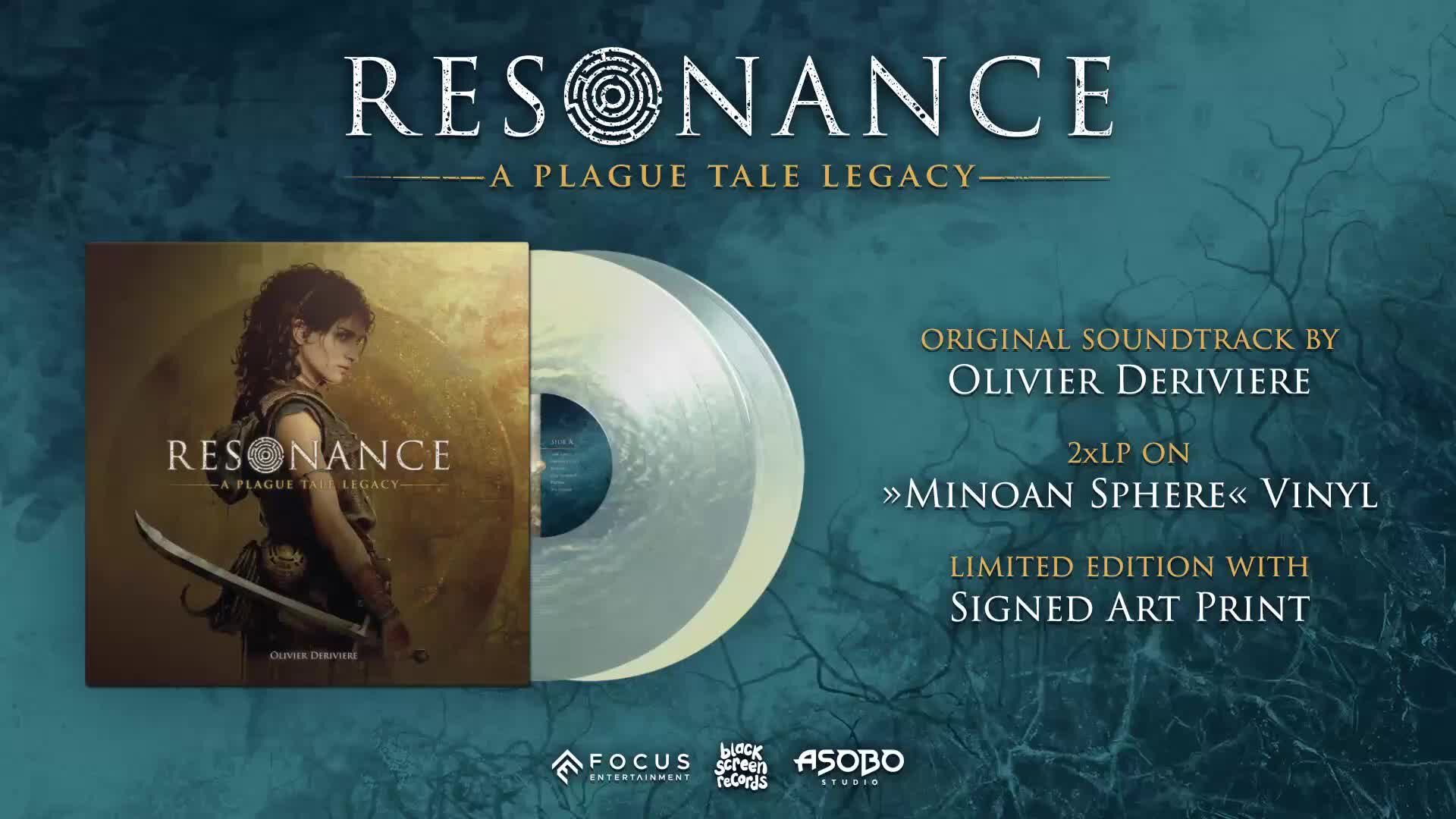
Anna Demetriou: Olivier [Deriviere] has done an incredible soundtrack that is authentically recorded in Cyprus with Cypriot artists and this all-female choir, named Amalgamation Choir, that we found. Yeah, I really hope people love the music.
Related to this, did you get to do any real-life location scouting in Greece or Crete for Resonance?
Carol Ann Bañuls: We’d love to; we need to ask Asobo to do this next time! [laughs]
Valerian Robert: Unfortunately, we didn’t go to Greece or Crete. But it’s somehow also a good thing because we had to find new ways to design things and to do the environment. We didn’t have as much reference as we had on the first two Plague Tale games because history was different—we only have some ruins of it. So, we had to find new ways to think about how that civilization was. We didn’t go to these places, but we had to imagine it!
Carol Ann Bañuls: But we did work with a historian. We wanted to have this authenticity, and it was so cool to ask questions of her.
Is there something that you found out only after working with the historian on Resonance? Maybe a misconception that you had that she was able to clear up?
Carol Ann Bañuls: Oh, yeah: we couldn’t use the word “shit,” actually! Their relationship with shit was different; it wasn’t a bad word for them, so it was weird to use it as a word to react to things. So, yeah, we learned that with the historian. We were shocked, actually! [laughs]
That’s hilarious, especially as merde is such a common swear word in French! So, to close things out, where do you think A Plague Tale goes from here? What’s on the horizon in terms of settings, and is the future open to exploration?
Valerian Robert: We’ll see. We don’t have any information on that, so we’ll see what the future holds.