

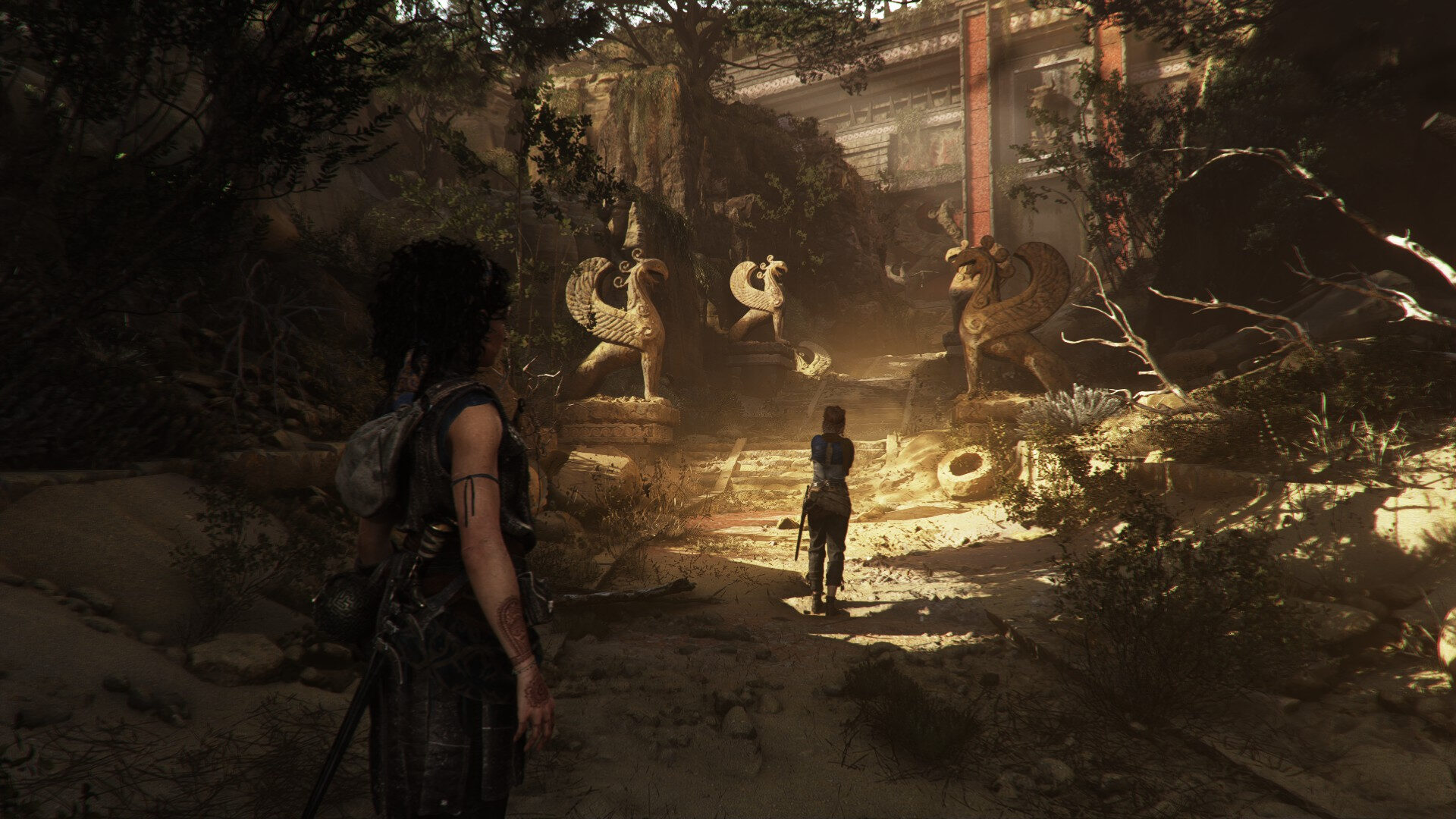
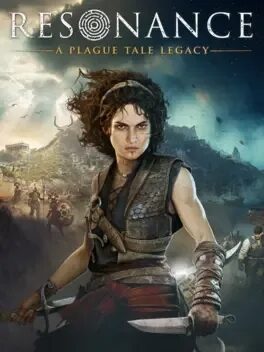

Resonance: A Plague Tale Legacy is the first major spinoff title for Asobo Studio, set 15 years prior to the events of A Plague Tale: Requiem. Resonance unfurls the pirate flag, telling the story of Sophia, a prominent character featured in later games.
New players shouldn’t fret, as Resonance: A Plague Tale Legacy is fully accessible to newcomers and features an original story that fits nicely into the A Plague Tale canon while still being enjoyable as a standalone experience. Resonance follows the exploits of Sophia, with the game’s opening hour focusing on her early childhood, after tragedy befalls the young misfit, before jumping forward in time to her days as a budding pirate.
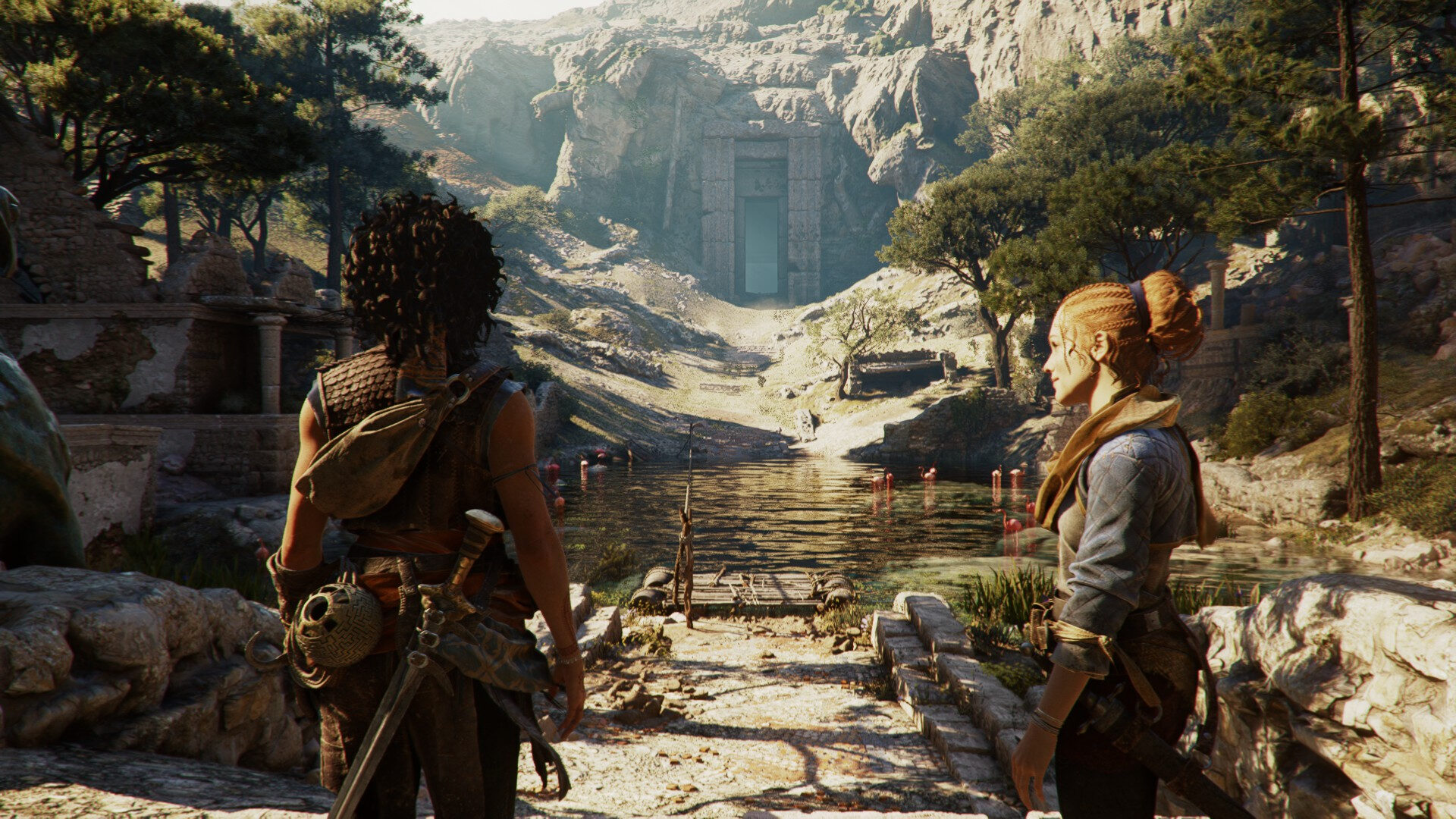
Like previous entries in the A Plague Tale franchise, characters in Resonance: A Plague Tale Legacy are no stranger to misfortune. After a botched mission in Venice ends in betrayal, Sophia finds herself ashore on the enigmatic Minotaur Island. Thankfully, Sophia is not alone on the island; she is accompanied by Leni, a fellow pirate who proved herself in combat during Sophia’s days winning fights back home.
Players are tasked with uncovering the secrets of the island, which just so happens to feature an ancient Greek labyrinth. Through Sophia’s supernatural connection to the mysterious island, a place where her father once visited, the two adventurers come into contact with an almost sentient, spore-like miasma that sets the stage for the rest of the game.
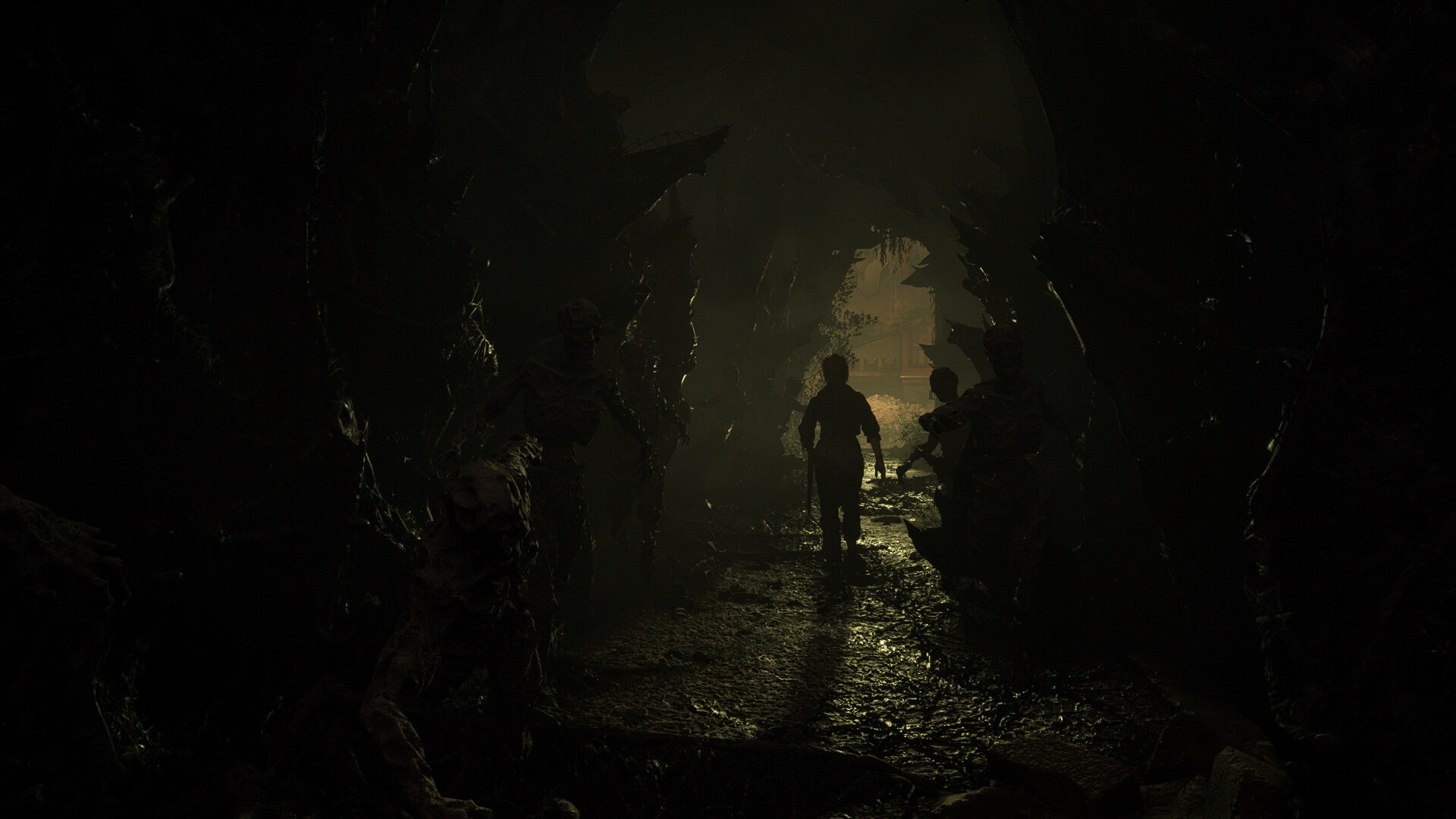
Resonance: A Plague Tale Legacy is a 10-15 hour experience, with the bulk of the game split into three distinct gameplay styles. For the most part, players will be guiding Sophia and Leni as they venture deeper into the labyrinthine deathtrap that is Minotaur Island, solving puzzles, fighting pirates and engaging in eye-catching setpieces that keep the plot moving. Sophia is also intrinsically tied to the character Theseus, the legendary hero associated with the Minotaur mythos. Asobo Studios uses this connection to give flashback sequences where players control Theseus in tense action sections and gauntlet-style fights that put the emphasis on combat.
“Resonance: A Plague Tale Legacy is a triumphant spinoff that can stand on its own merits, while serving as a great companion piece for longtime fans.”
Combat is hugely improved, or rather, a much bigger focus in Resonance: A Plague Tale Legacy compared to the previous two Plague Tale games. Sophia has access to a light and heavy attack, along with a Scorpion-style hookshot that she can use to reel in enemies, on top of devastating special attacks that evoke her connection to Theseus. Parrying and taking out enemies in quick succession can also restore a chunk of her health, incentivising strategic play to thin out mobs before focusing on tankier enemies.
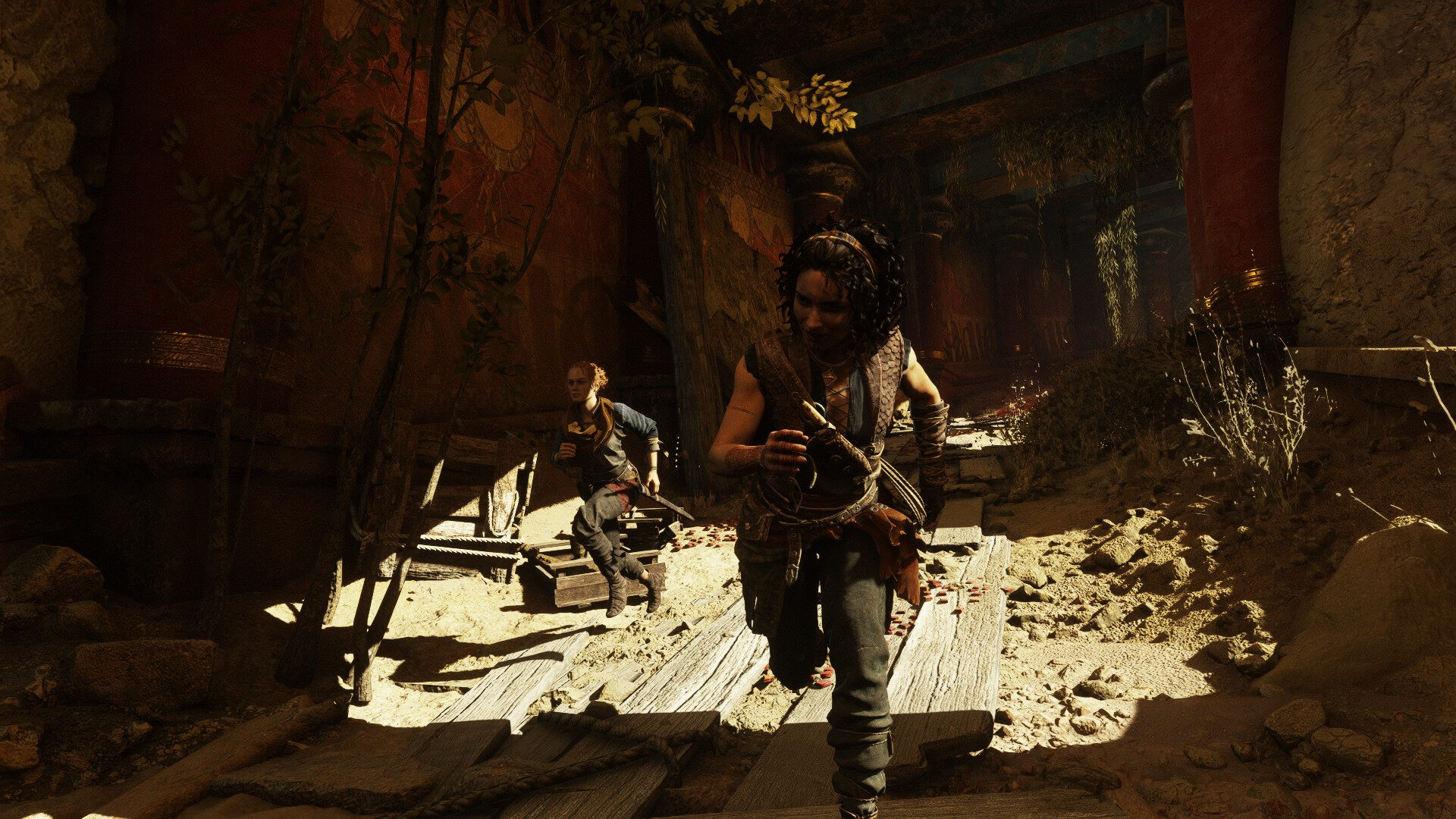
Resonance: A Plague Tale: Legacy’s other major gameplay pillar is its focus on puzzles, to the point where I found myself growing a bit tired of their frequency within the otherwise well-paced action-adventure romp. I don’t mind the occasional puzzle, particularly when it thematically fits into the world-building and narrative of a game. However, the number of times I had to redirect light, play with mirrors, and arrange various glyphs to open the path forward in Resonance: A Plague Tale Legacy left me feeling, at best, impatient and, in some instances, bored.
“Resonance: A Plague Tale: Legacy’s other major gameplay pillar is its focus on puzzles, to the point where I found myself growing a bit tired of their frequency within the otherwise well-paced action-adventure romp.”
Thankfully, most puzzles are fairly intuitive, and if you do happen to get stuck, the game gives enough hints to prevent a hard lock from happening. Yet, the frequency with which you’re tasked with solving a puzzle is what bogs down the experience, making the game a hard recommendation for those who do not enjoy environment-based puzzles within their action games.
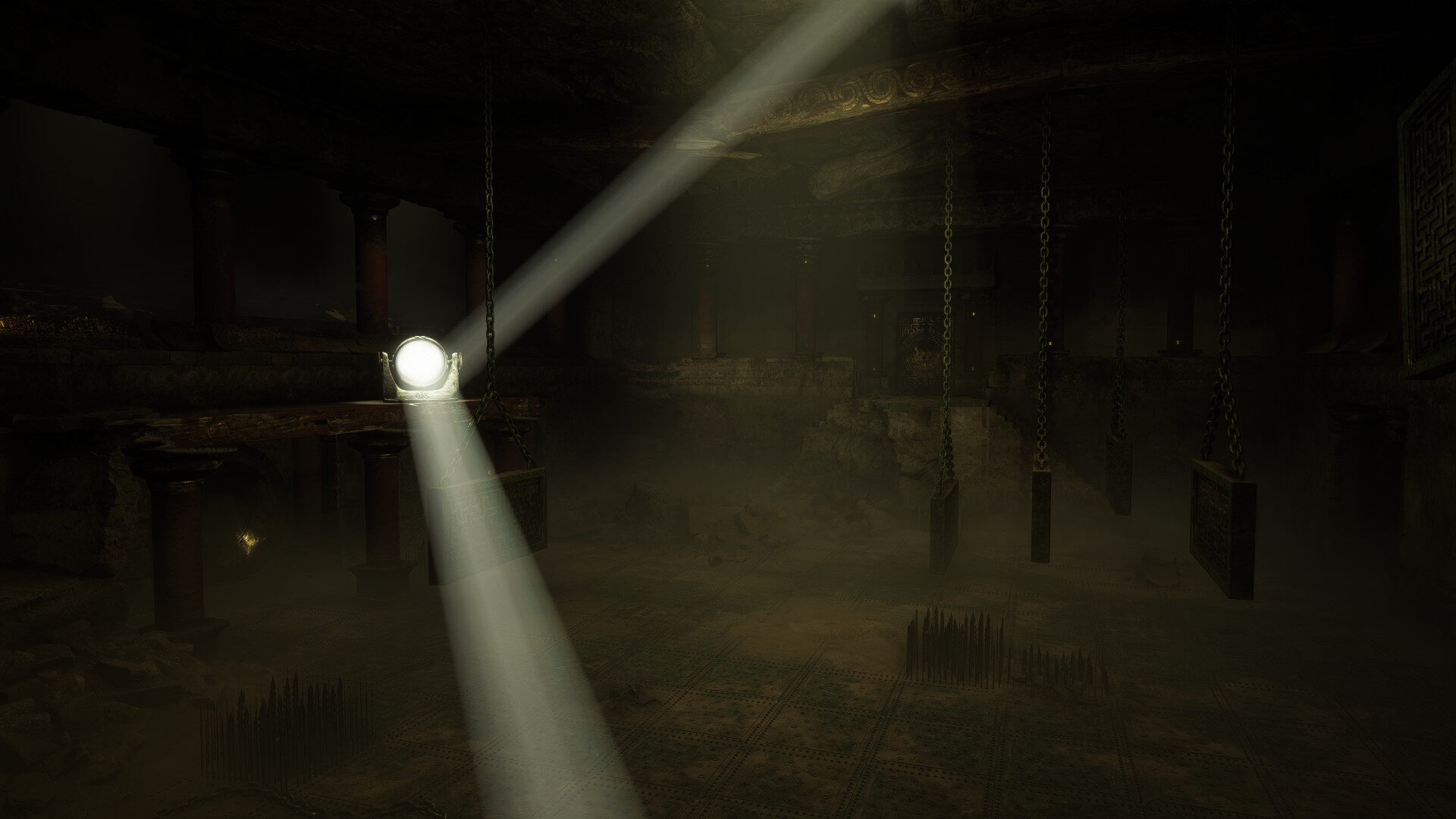
Graphically, Resonance: A Plague Tale Legacy is easily the best-looking the series has looked to date, featuring rich facial animations, stellar lighting and a sense of polish that outshines the already excellent duology of games before it. In other words, there is an earned AAA feel to Resonance: A Plague Tale Legacy, making it a must-play for longtime fans.
Resonance: A Plague Tale Legacy’s narrative is also quite well-realised, with a balance of new ideas that explore themes of piracy, self-discovery, and historical fiction, on top of its central theme of a supernatural plague at the core of its story that eloquently ties together Resonance with A Plague Tale proper. Finally, the soundtrack in Resonance: A Plague Tale Legacy is excellent, featuring rich orchestral music that fits into the Greek-steeped mythos of the game, with additional familiar tunes that feel sombre and reminiscent of the series past.
In closing, Resonance: A Plague Tale Legacy is a triumphant spinoff that can stand on its own merits, while serving as a great companion piece for longtime fans. An excessive amount of puzzles can get in the way of the otherwise well-paced runtime, making it harder to recommend for players who prefer pure action.