
Resonance: A Plague Tale Legacy is an aptly named prequel starring Sophia, a seafaring corsair, first introduced in A Plague Tale: Requiem, and a key character who helps aid the De Rune siblings via passage on her ship.
Set 15 years before the events of Requiem, Resonance: A Plague Tale Legacy sheds light on Sophia’s life as a budding pirate and her connection with the Prima Macula, or the sinister plague that awakens within certain bloodlines. Asobo Studios gave me access to a roughly two-hour demo of Resonance: A Plague Tale Legacy, which consisted of chapters V and VI of the forthcoming game.
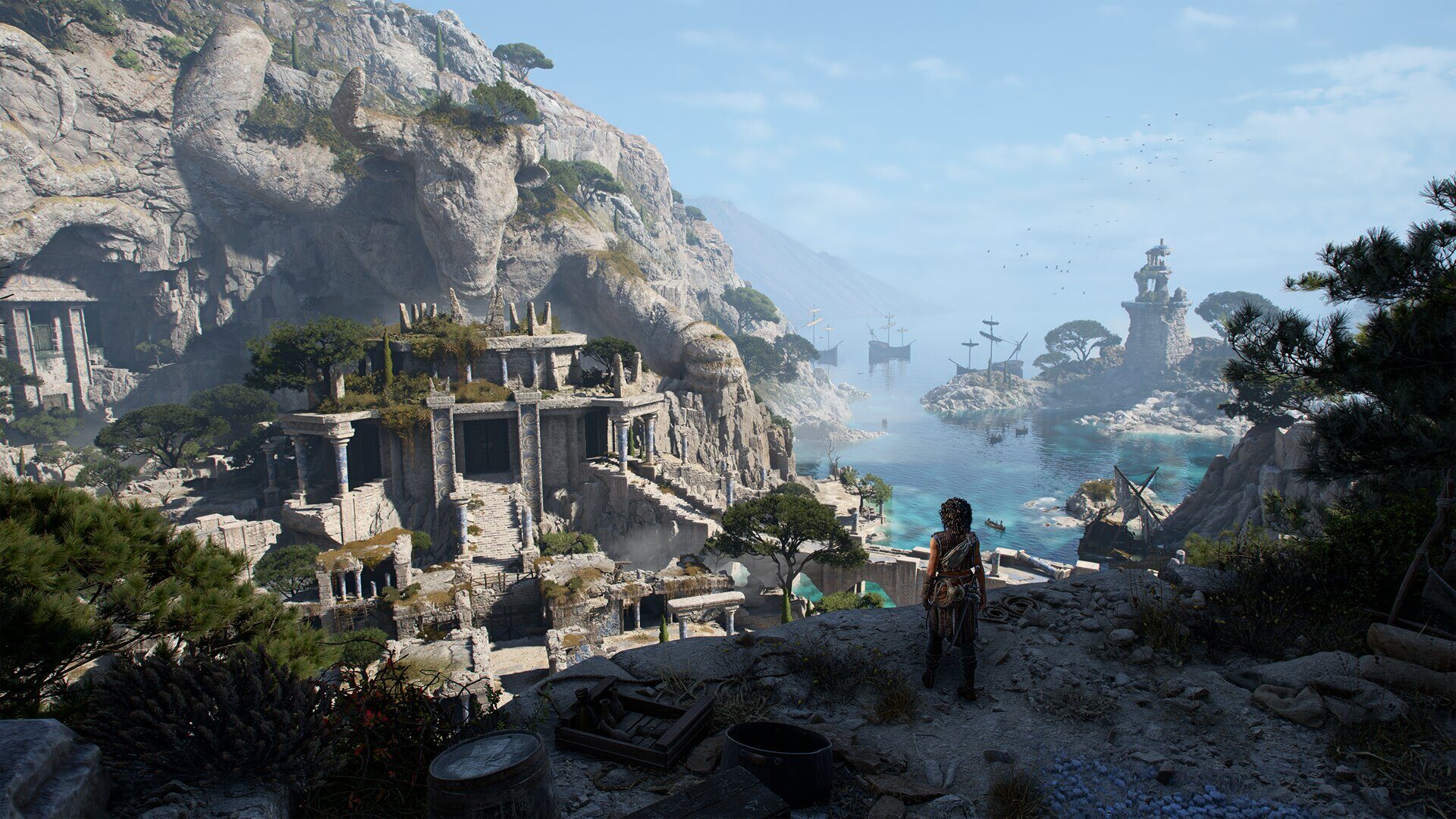
Chapter V of Resonance: A Plague Tale Legacy sees Sophie after her exodus from a critical mission in Venice, choosing to abandon her gang for the mysterious allure of Minatour Island. On these strange shores, players discover that Sophie is somehow inexplicably tied to the Greek hero Thesius. What sets Resonance apart from A Plague Tale proper is a greater emphasis on combat, on top of the more familiar environment-based puzzle solving.
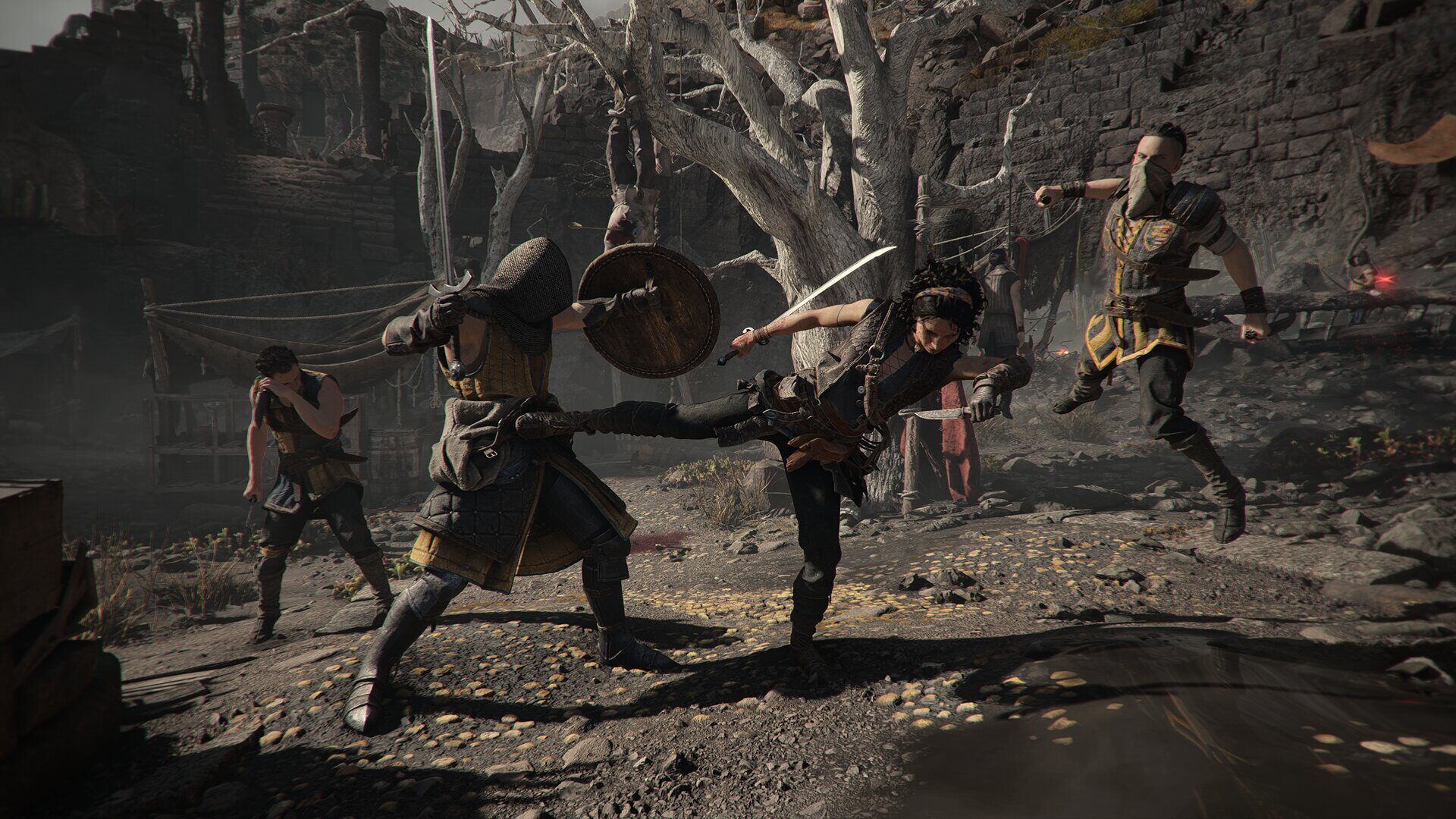
Both A Plague Tale: Innocence and Requiem placed the focus more on stealth gameplay, where combat sequences felt more like a last resort. Resonance: A Plague Tale Legacy, instead, offers players a robust and fully realized fighting system that can hold its own against other AAA action games. In fact, starting the demo build for the first time, Asobo has included a special tutorial mode that goes through the combat system of the game, before throwing players right into chapters V and VI.
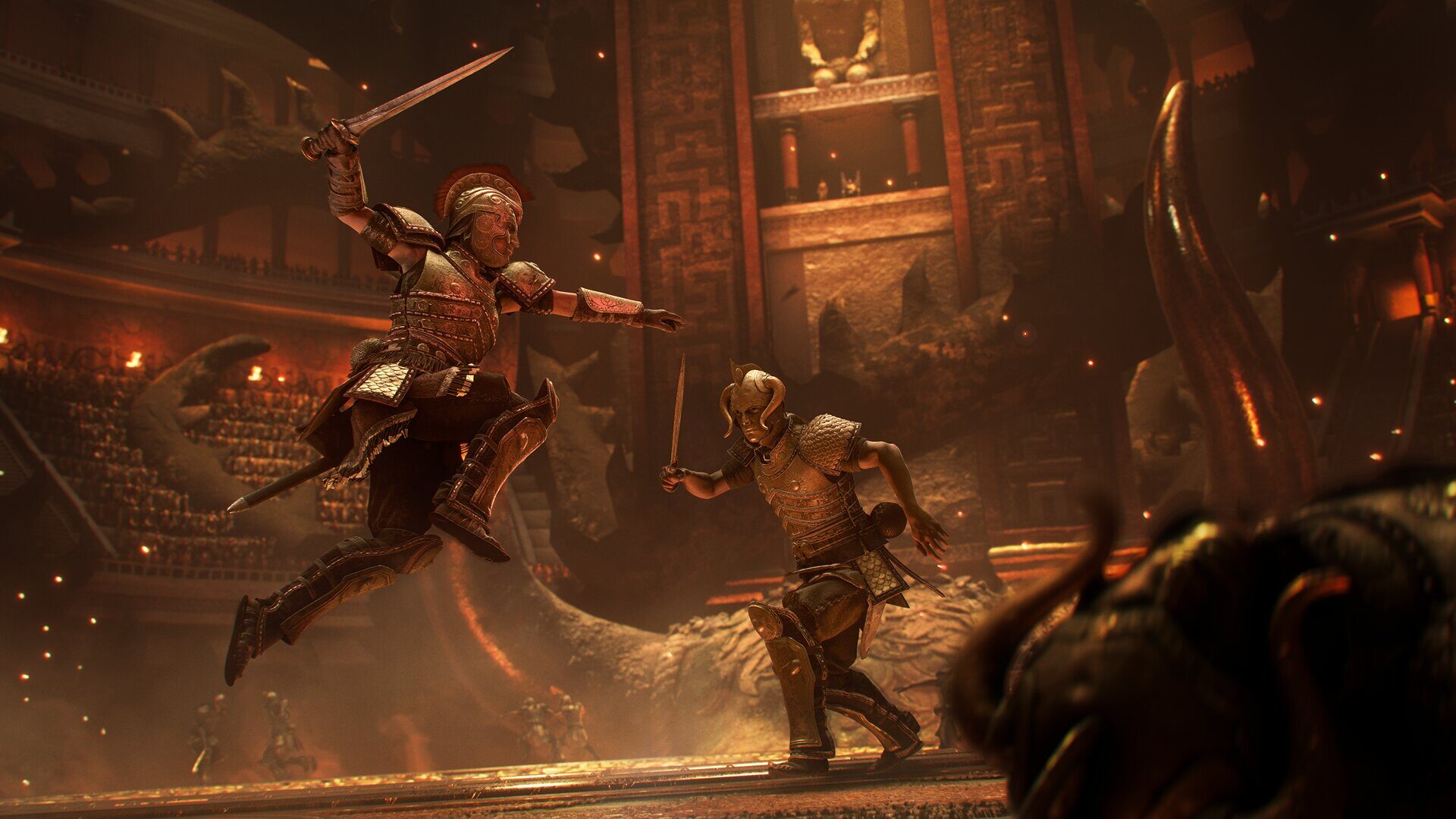
Sophia has access to a curved blade and knife, which she dual-wields in battle, on top of a hookshot, which can be used to grapple, grab and disarm. Heavy and light attacks make up the bulk of your moves. Moreover, there is a solid parrying, deflection system, which allows Sophia to whittle down more imposing threats before going in for the kill. Taking out an enemy restores a chunk of your health, an element that adds a nice layer of strategy when overwhelmed with targets.
“Resonance: A Plague Tale Legacy, instead, offers players a robust and fully realized fighting system that can hold its own against other AAA action games.”
Enemies give off certain tells, signalling if an attack is blockable, such as red for incoming arrows or spears, which must be dodged out of the way. Sophia also has access to a skill tree, something that was fairly limited for the demo, but seems promising and robust enough to keep players engaged. At one point during chapter V, Sophia is put in a harrowing situation, one that prompts a flashback that actually places players into the sandals of Thesius. Playing as Thesius was genuinely exciting and felt completely new for the franchise, and I hope to see more of these sequences when the game launches in August.
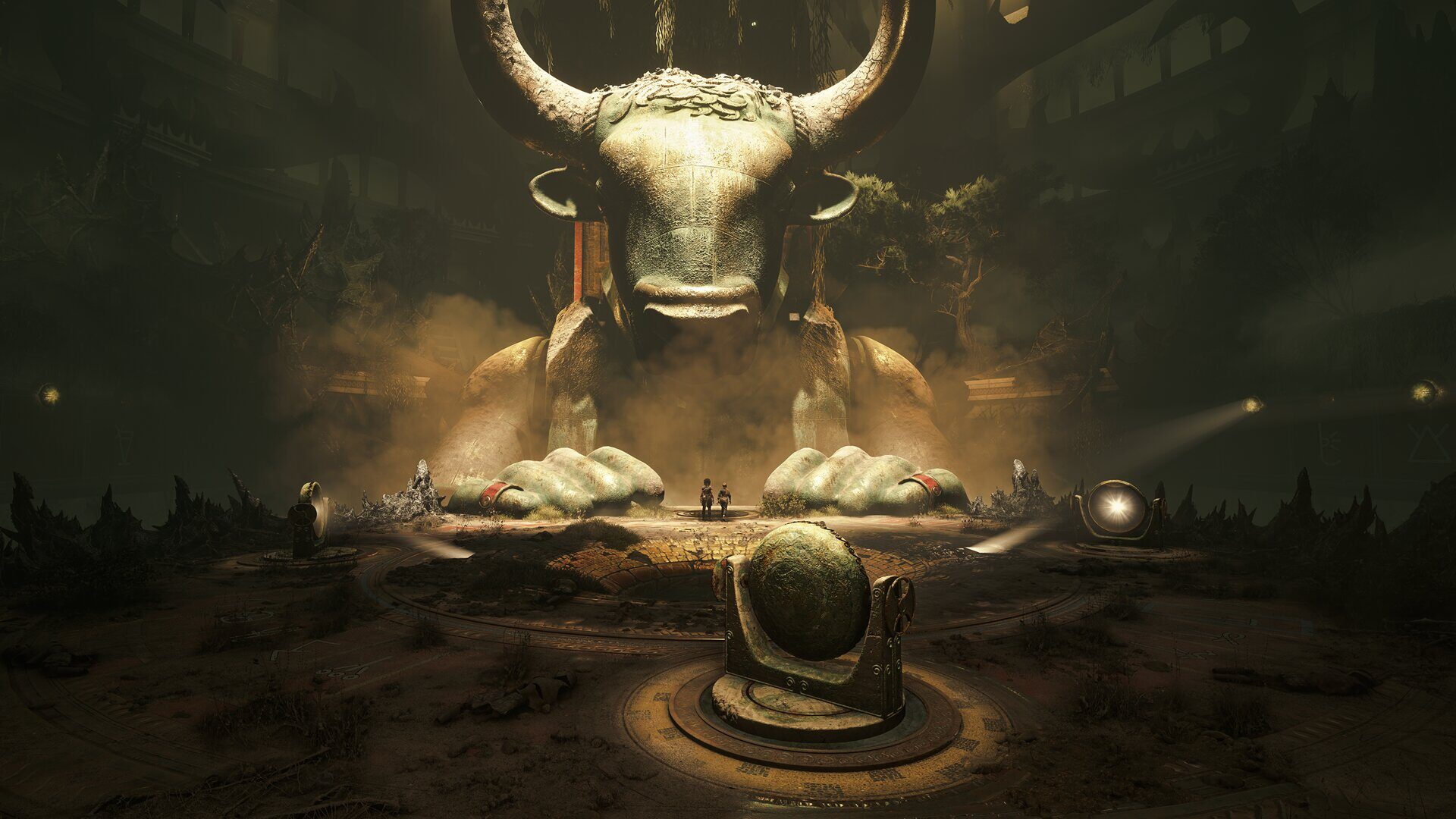
Outside of the greater emphasis on combat, Resonance: A Plague Tale Legacy also ups the ante when it comes to its puzzles. Sophia has access to an ancient curio, a light-emitting sphere that the player can use in various configurations, to either light and burn away patches of the parasitic plague or shine coloured lights towards specific markers within the environment to solve puzzles.
Now, I’m not the biggest fan of puzzle sequences, but Asobo Studios has seemed to create a good variety of puzzles that don’t take too much effort, while still feeling satisfying to complete. Light and shadow seem to be a huge part of the game’s design, in both its aesthetics and how many puzzles are crafted for the player to unravel. For example, in chapter V, on top of the sphere that Sophia can use to line up beams of light that, in turn, open the path forward, a later room in the demo takes this concept to the next level.
“Complimenting the puzzles and slower, stealth sequences are over-the-top set pieces that add excitement to the adventure…”
Instead of relying on her gadget, the entire room becomes a series of platforms with giant coloured reflective mirrors. In the centre of the room, corresponding coloured plates on each face of a pillar must then be hit with light from the large mirrors in order to release a cypher. The sequence requires players to guide Sophia across platforms, removing plagued bramble, aligning mirrors while avoiding pitfalls and making sure the correct coloured beams light up accordingly.
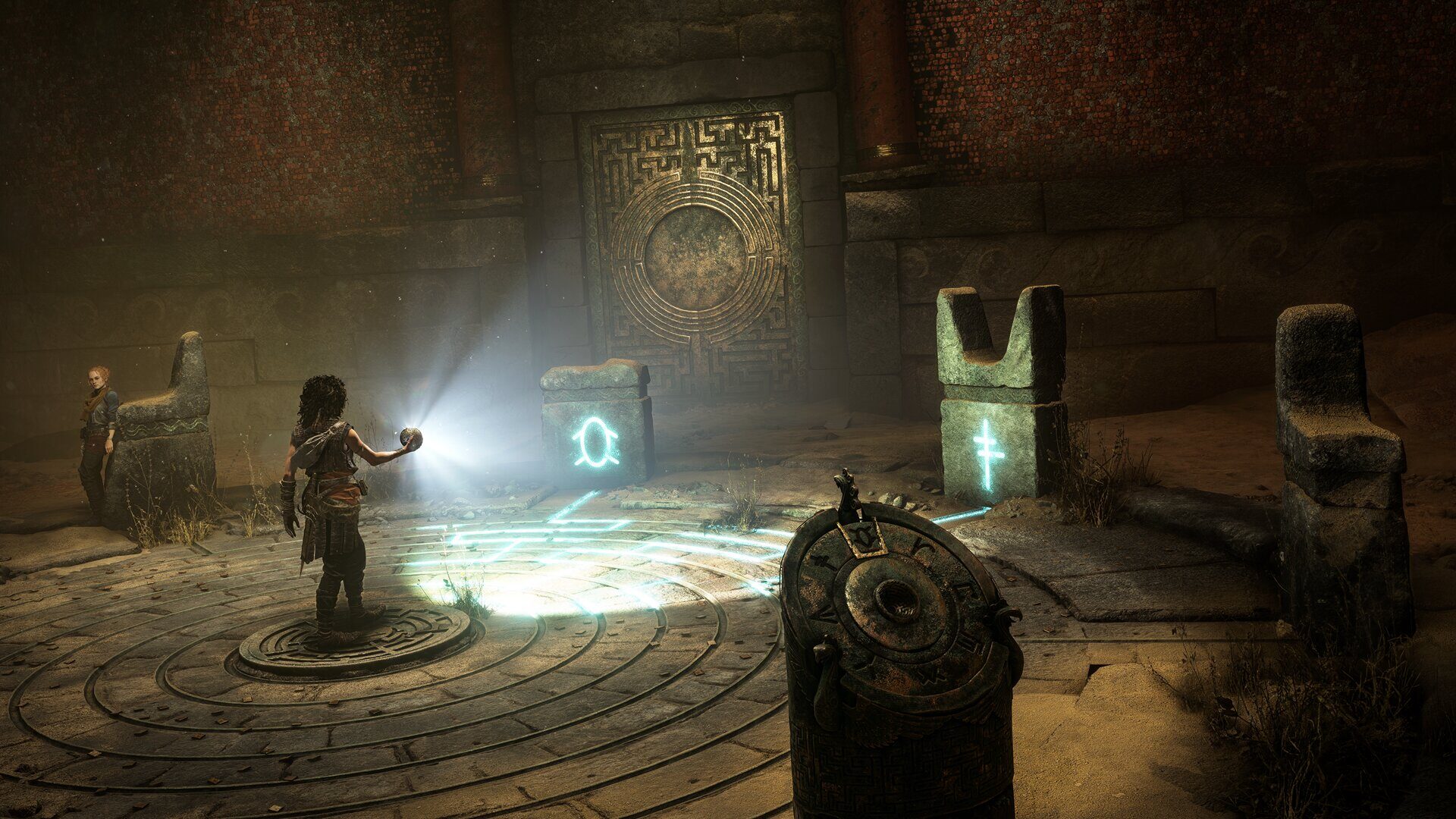
Thankfully, Sophia isn’t alone in her plight, with her friend and partner in crime, Leni, who not only aids players in combat but can also give clues on how to approach a puzzle, alleviating any moments of doubt or slowdown, keeping the pace of the game going steadily. Later on, more environment-based puzzles reminiscent of A Plague Tale proper help change things up with more stealth-based sequences that require Sophia to navigate a Plague-wrought environment. In these sections, players must pivot from shadowy areas to patches of light, while avoiding a serpent-like fungus that feels more alien and sentient than merely an environmental hazard.
Complimenting the puzzles and slower, stealth sequences are over-the-top set pieces that add excitement to the adventure, such as a fun chase sequence at the end of the demo, asking the player to perfect their platforming prowess while navigating tight corners and mastering exhilarating jumps, reminiscent of games like Tomb Raider and Uncharted.
With only two chapters available to me during my time with the game, I am eager to see what else Resonance: A Plague Tale Legacy has on offer when it releases in a few short months. But for now, what I can say is this: Even if you’re not familiar with the series proper, Resonance feels like a perfect jumping-off point, as it seemingly offers a standalone story that can be enjoyed by everyone, while adding to the depth and breadth of the franchise as a whole.