12 Years Later, Alien: Isolation 2 Is Ready To Make Us Scream Again
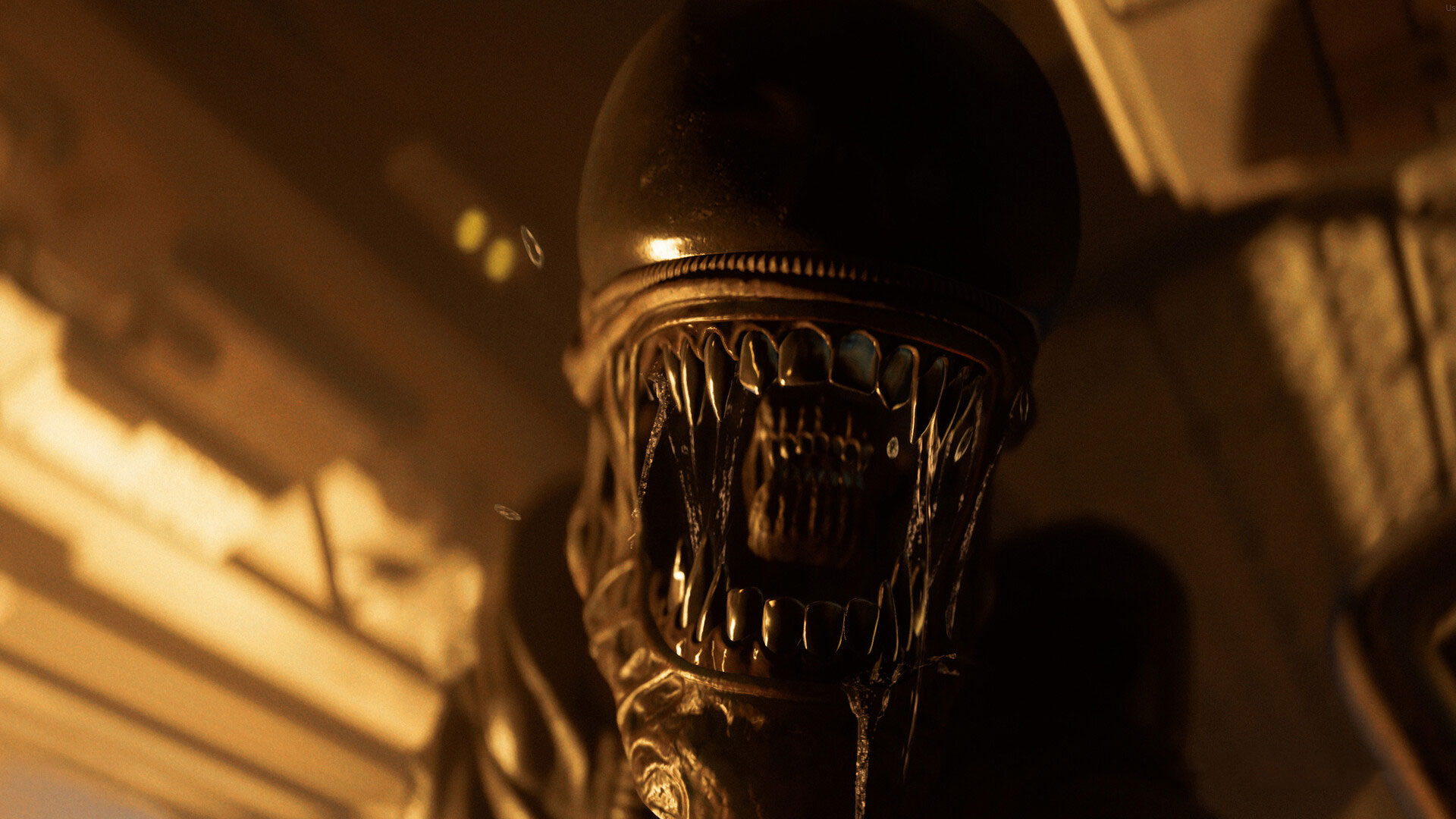
Twelve years is a long time to hide from a Xenomorph, but Creative Assembly has finally opened the airlock. Announced earlier this year, Alien: Isolation 2 marks the storied British studio’s return to survival horror, trading the corridors of Sevastopol Station for the new planetary outpost of Kurosaki and introducing a new protagonist, Blake, a Weyland-Yutani employee with no prior experience with the creature.
Guiding the project is creative director Al Hope, who directed the original 2014 Alien: Isolation, a game now widely regarded as one of the definitive experiences in the Alien franchise. He is joined by project art director Anastasia Sopikova, who is leading the sequel’s visual evolution. While at Lucca Comics & Games, the pair took time out of their busy schedules to sit down with CGMagazine to discuss the game, what fans should expect and how this new instalment changes the formula in exciting ways.
I want to talk about the fact that Alien: Isolation had a very definitive story. How did you, as the creative team, approach developing a sequel to that story?
Al Hope: I’d always wanted to make a sequel, so much so that I’d been just thinking about what that could be even before we finished the first game. So it’s just thrilling to come back with Alien: Isolation 2 and pick up a lot of that thinking that I’d had over the last decade.
I think, for us, we’re super proud of the first game, and it felt like there were some strengths, and we could use that as our foundation to build upon and evolve. And it felt like there were some natural, intuitive things that we could do.
And so, in terms of story, I was really keen for us to tell a new story. And it felt like the best way of doing that would be to set it up in a new location. And then the natural extension of that was, well, I think it felt most natural to see it through a new character’s eyes, and a character with a different perspective. So someone who worked maybe for the company, who’s never encountered the creature before. That felt like a really great way of taking what we had done in the first game and evolving it in a way that felt, yeah, natural.
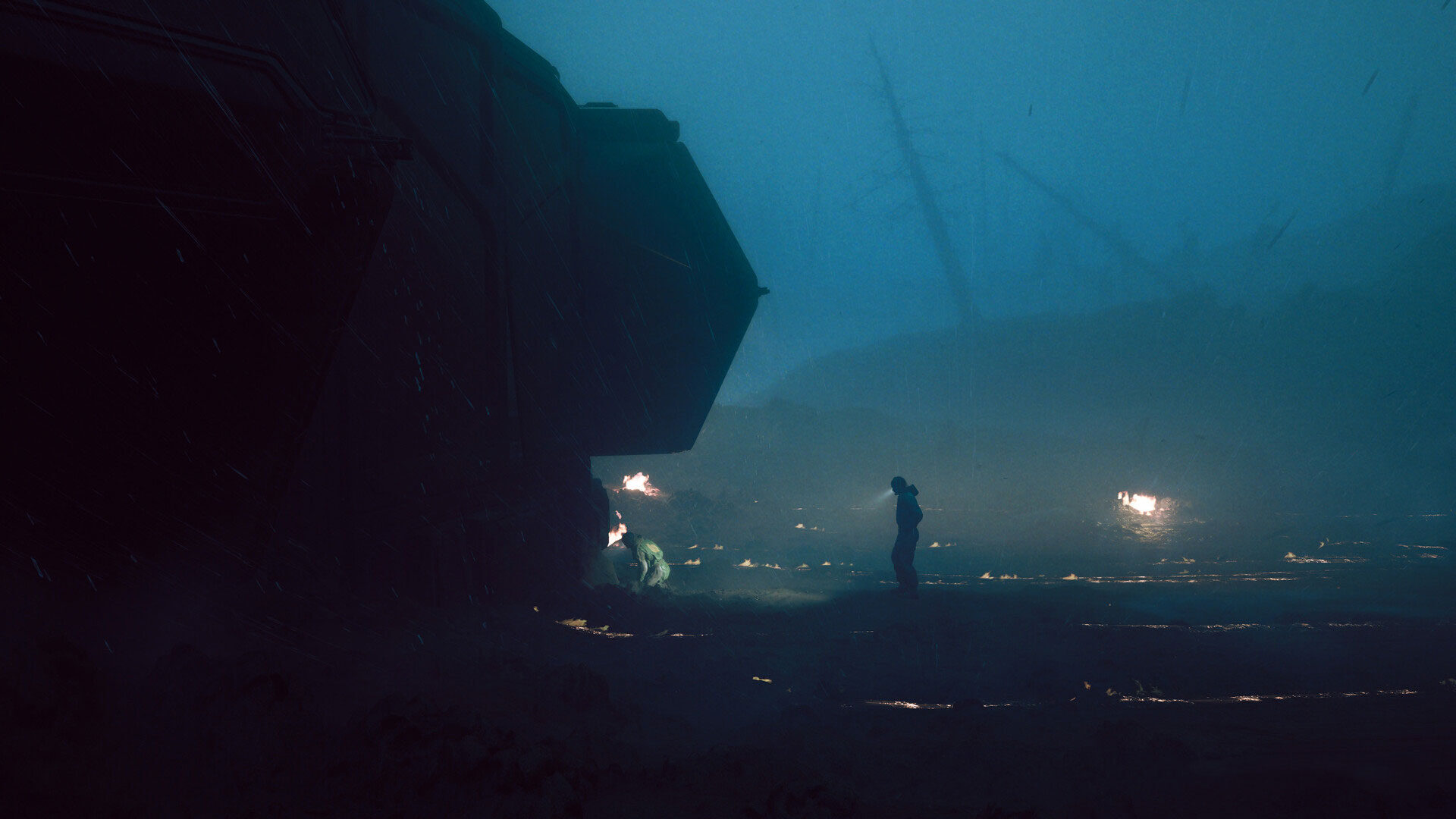
Anastasia Sopikova: Yeah. But I think also, in terms of approach for us, we always stay true to the vision of the original 1979 Ridley Scott film. So it’s not about killing the alien. It’s not about run and gun. It’s about being underpowered, underprepared, and really, it’s just a scramble to survive.
Yes, you have some tools. You will have maybe some new tools as well. But it’s all about turning odds in your favour. And then the unscripted nature of the alien and everything that made that cat-and-mouse gameplay of the first game so good, it’s still there. So it’s just taking everything that people loved and then bringing it to the planet. New story, new setting, but still staying true to the authentic Alien experience.
I played it at Summer Game Fest, so I have a general idea of how it plays. It felt very different, yet still had some of the key horror elements that made the first game so terrifying. How did you approach making a game that moves away from the claustrophobia of the original while still maintaining that sense of terror and isolation?
Al Hope: Yeah. So it’s cool that you played that section of the game. So that’s the only section that we’ve shown so far, and we’ve got more, obviously, to show in the future.
I think, for us, we feel like it’s the best of both. We have those really claustrophobic interior spaces that were in the first game. So, for fans of the first game, it would be super familiar. Some of those key skills that you use to survive return.
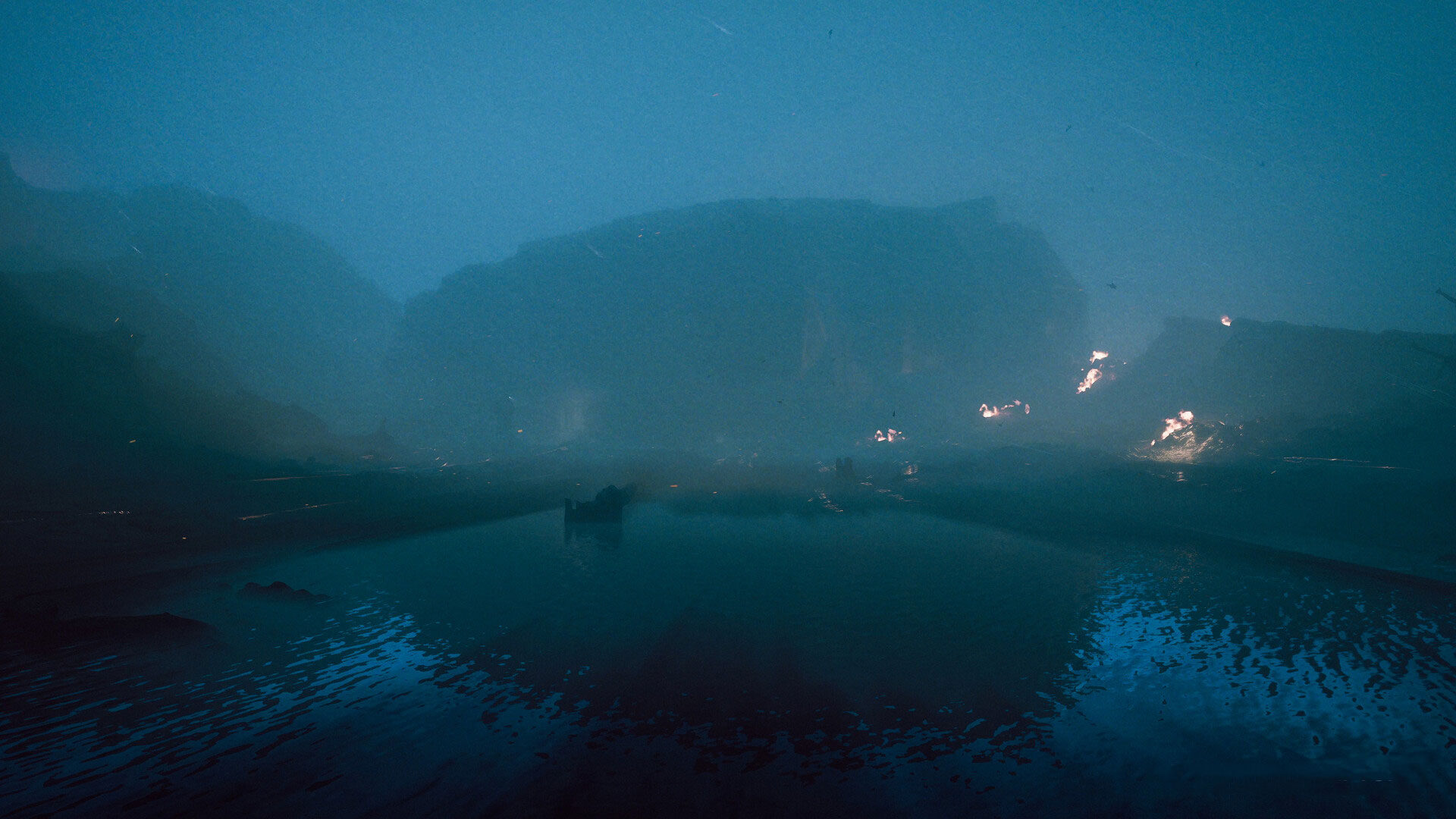
And I think what’s interesting about the exteriors is, I think we love the fact that players, when they’re in the interior, they’re feeling trapped. They want to get out. They get out into those exterior spaces, and after that initial rush and sense of victory, they start to slowly feel exposed and vulnerable, and they want to get back in again. And that’s really delicious, that seesaw of emotion and motivation. And then we get to play with it a little bit.
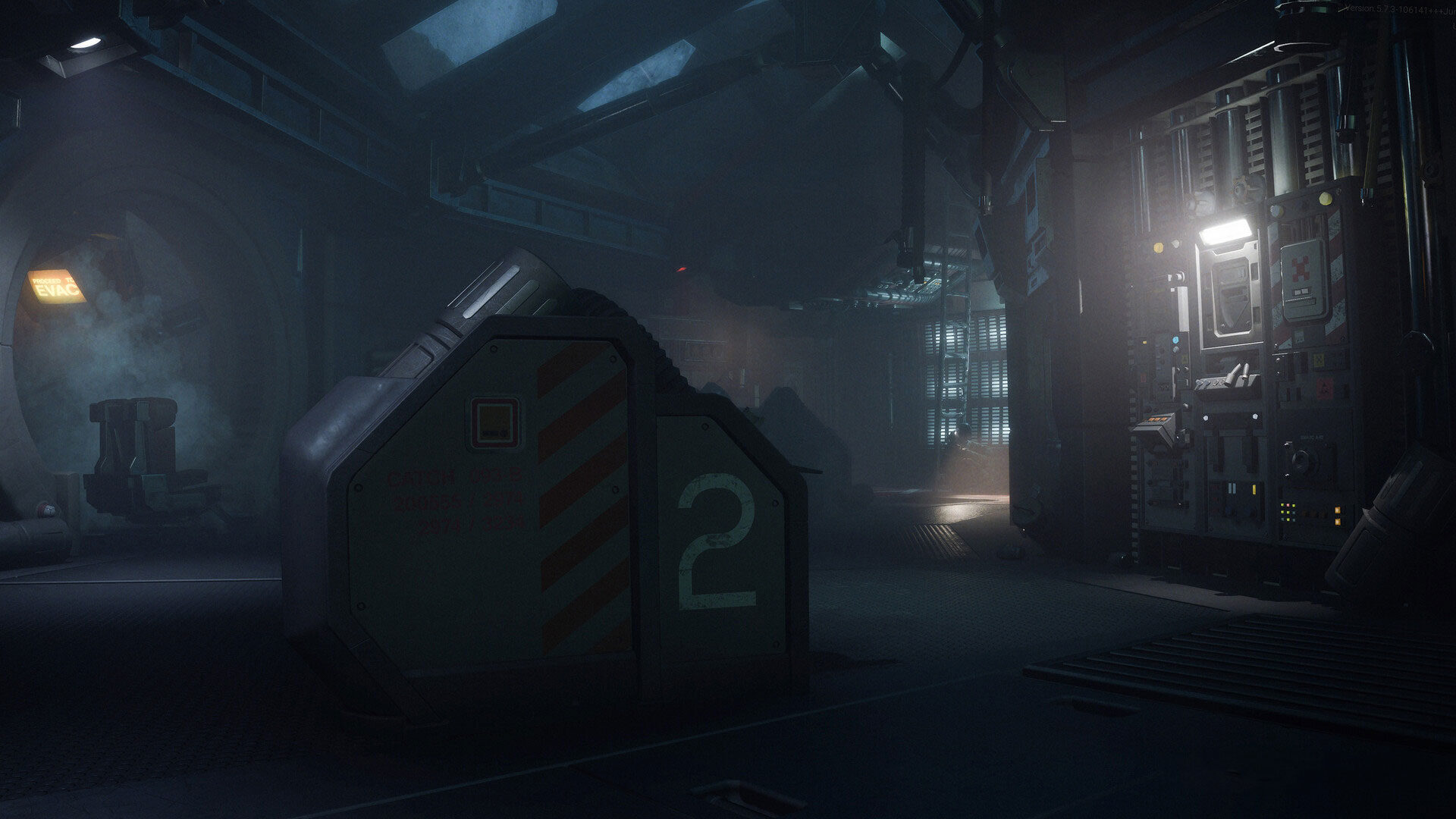
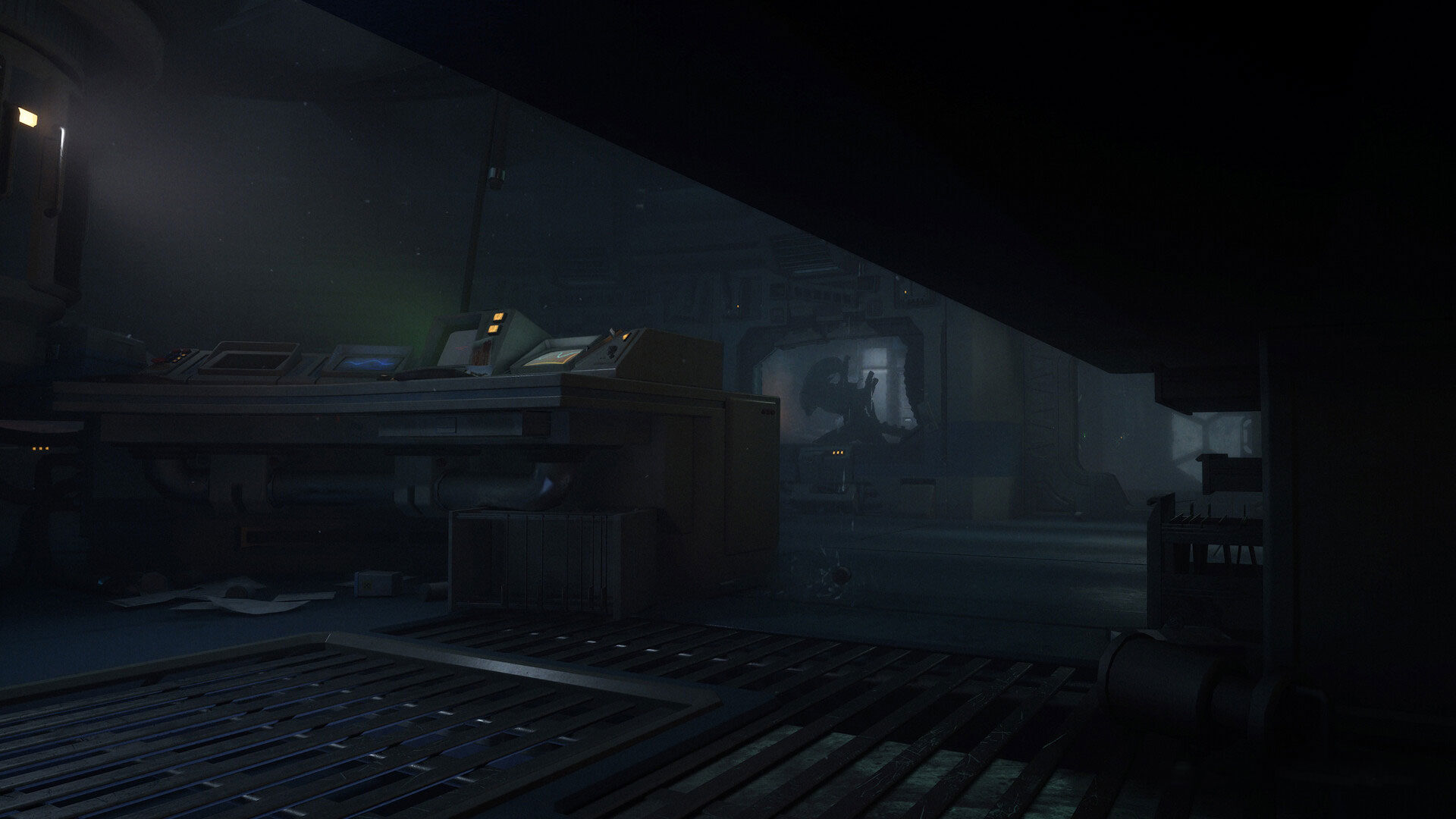
And at its heart, those core skills are the same. It’s about line of sight. It’s about those different inputs: what can you see? What can you hear? What can the alien see and hear? Because, of course, it’s systemic. And then we have all these modifiers. So I think maybe that’s what you’re talking about. At its heart, the core is the same. We’re now seeing it in different contexts, in different situations.
Many would consider the first Alien: Isolation one of the definitive Alien experiences in video games. What is it like approaching this new instalment with that level of expectation set by the first game?
Al Hope: I don’t know. I think we just think about what we’re trying to make and are just really laser-focused on that. Obviously, we’re super proud of that first game. And that was an interesting game to make because we weren’t sure if [unclear]. That was the game we wanted to play because [unclear]. Games in that universe have always been typically focused on a different experience.
I think we’re just really focused on wanting to tell that next chapter, to build upon that foundation and experience it through this new character’s eyes.
Anastasia Sopikova: Just to add on to that, I think the team, we have a great mixture of old and new. We have many, many returning devs, and we have a lot of people who are coming in as superfans who grew up playing the game.
When you have that mixture, and then you use the same principles as the team used making the first game, just really diving deep into archives, dissecting everything that made the first game so great, going all the way down to the sets, the props, the techniques, everything that made the sound so impactful in the film and then taken into the game. So we’re not really deviating from any of those approaches.
And that’s why I think, from my perspective, I see just so much creativity, and I see so much in-depth thinking that fans loved about the first game. And we already have that foundation, and now we’re going even deeper, and we’re building even more on top of it. So I think that’s why we’re really just excited. And there’s already just so much of the good stuff there.
Al Hope: And I guess coming to Lucca, we’ve taken the game around the world this year. Just getting that initial feedback is so important to us and really energizing. And take that back to the team and get all that feedback and insight.
Now, on the topic of Lucca, how does it feel to see fans’ reactions and excitement for this game at one of the biggest comics and gaming festivals in the world?
Al Hope: Yeah, it’s just amazing. Amazing to see people’s reactions, to see people clutching the controller, the noise-cancelling headphones, really locked in, trying to survive, and then seeing people jump, but then have these big smiles on their faces.
This feels very satisfying, very reassuring. People are… I was going to say having a good time. I think they’re having a good time. They’re having this amazing experience. And so, yeah, I think that it’s fantastic to be here in Lucca and meeting with all the fans.
Anastasia Sopikova: And also just hearing how fans approach it and how they play, because it is unscripted. It is very different for different people. There’s different ways to escape. If you play the demo, there are many different ways that you can actually approach it.
And just hearing how different people had different experiences, that just really, I don’t know, it makes it all worth it for us because we put all the thought into it, and now we’re actually seeing people enjoying the result of it. It’s great.
That’s awesome. Now, one last question, and I’ll let you go. When building on a franchise like Alien, there is already established lore, and fans have certain expectations. How much flexibility did you have to tell your own story in this game, and were there any limits you couldn’t go beyond? From what you can say, of course.
Al Hope: So, yeah, I don’t know. We worked really closely with 20th Century, and it’s a really close collaboration. I think, from the start, we had a really good idea of what we wanted to do and where we were going. And they’ve just been super supportive all the way.
And it’s just a really exciting time for the franchise, with Romulus and the TV show bringing a whole bunch of new fans into that universe. And so it’s just really exciting to be part of it in our space, telling a new story.
That’s awesome. Is there anything you wanted to add that fans might not know about the game?
Al Hope: Just that I think we’re bursting with excitement to share more in the future.
That’s awesome. Thank you both so much.