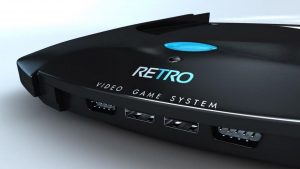

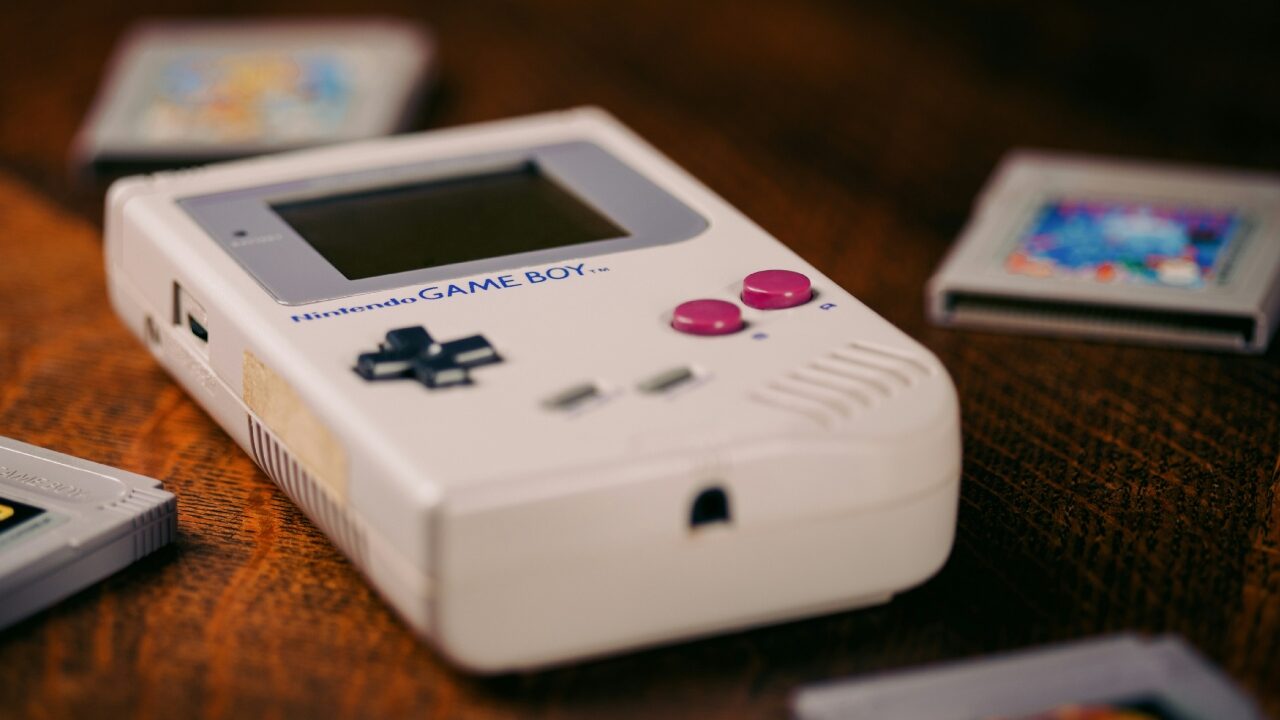
A small cluster of hardware makers keeps building consoles with a slot on the back, the kind that only makes sense if a buyer still owns physical cartridges. Sounds like a fringe hobby for people who never left 1998. It isn’t. Sales patterns, a stalled EU petition, and a new California law all point somewhere bigger.
Why Anyone Still Wants a Slot in 2026
Analogue sold out its Pocket handheld so many times that the company had to announce a formal restock date for March 2026. Even then, buyers waited until June for shipping. The price jumped too, from an original $199.99 to $239.99, blamed on tariffs rather than falling demand. Scarcity does strange things to a niche market.
The appeal isn’t nostalgia alone. The Pocket runs an FPGA chip that behaves like original Game Boy hardware at a transistor level, not an emulator pretending to be one. Slide a Game Boy Color cartridge from 1998 into one of these classic slots and the console reads it exactly the way a Game Boy Color would have, no software translation layer involved. That distinction is what actually sells the hardware.
A few numbers make the case on their own:
- A 3.5-inch display running at 615 ppi, roughly ten times the pixel density of the original Game Boy screen.
- More than 2,780 cartridges across three Nintendo handheld generations work the moment the unit powers on, no setup required.
- A handful of extra libraries, TurboGrafx-16, Atari Lynx, Neo Geo Pocket, and Game Gear among them, open up once a buyer pays extra for the matching adapter.
Every unit that leaves the warehouse gets snapped up within days. Analogue isn’t the only company banking on that same behaviour.
The Real Reason Physical Media Matters Now
Ubisoft delisted The Crew in December 2023, then shut its servers down on March 31, 2024. Every copy, including boxed retail discs, stopped working overnight. Players who had paid full price for a driving game watched their licences vanish from their accounts, with no refund offered afterward. One shutdown, and an entire movement was born.
Stop Killing Games gathered somewhere around 1.3 million signatures, closer to 1.45 million by some later counts, asking the EU to require publishers to leave abandoned games in a playable state. The demand breaks down into three plain asks:
- Ship an offline mode before pulling the servers.
- Give real advance warning, weeks rather than days, before delisting.
- Release private server tools instead of bricking the software outright.
Brussels hasn’t ruled yet. California didn’t wait around. Assembly Bill 1921 passed 43 to 16 in May 2026, forcing publishers to give sixty days’ notice and some path back into a game once support ends. A cartridge never needed a law like that. It just needed a slot.
What to Actually Check Before Buying One
Do not just pick whichever handheld looks nicest on a shelf. Compatibility, pricing, and the fine print around adapters vary more than most product listings let on.
- Nintendo’s own handheld trio, original Game Boy, Game Boy Color, and Game Boy Advance, works without an adapter on the Analogue Pocket. Everything else, Game Gear, Neo Geo Pocket, Atari Lynx, TurboGrafx-16, needs one bought separately.
- The ModRetro Chromatic sticks to Game Boy and Game Boy Color only, housed in a magnesium alloy shell, and it ships with a licensed Tetris cartridge in every box.
- Adapters are almost never bundled in. Budget an extra $99.99 if a Game Gear or Neo Geo Pocket library actually matters to a buyer.
Ask what happens once the cartridge slot itself wears out, too. Cheaper handhelds use flimsy connectors that lose contact after a few hundred insertions. A loose pin can turn a two-hundred-dollar purchase into a paperweight faster than any delisted download ever could.