
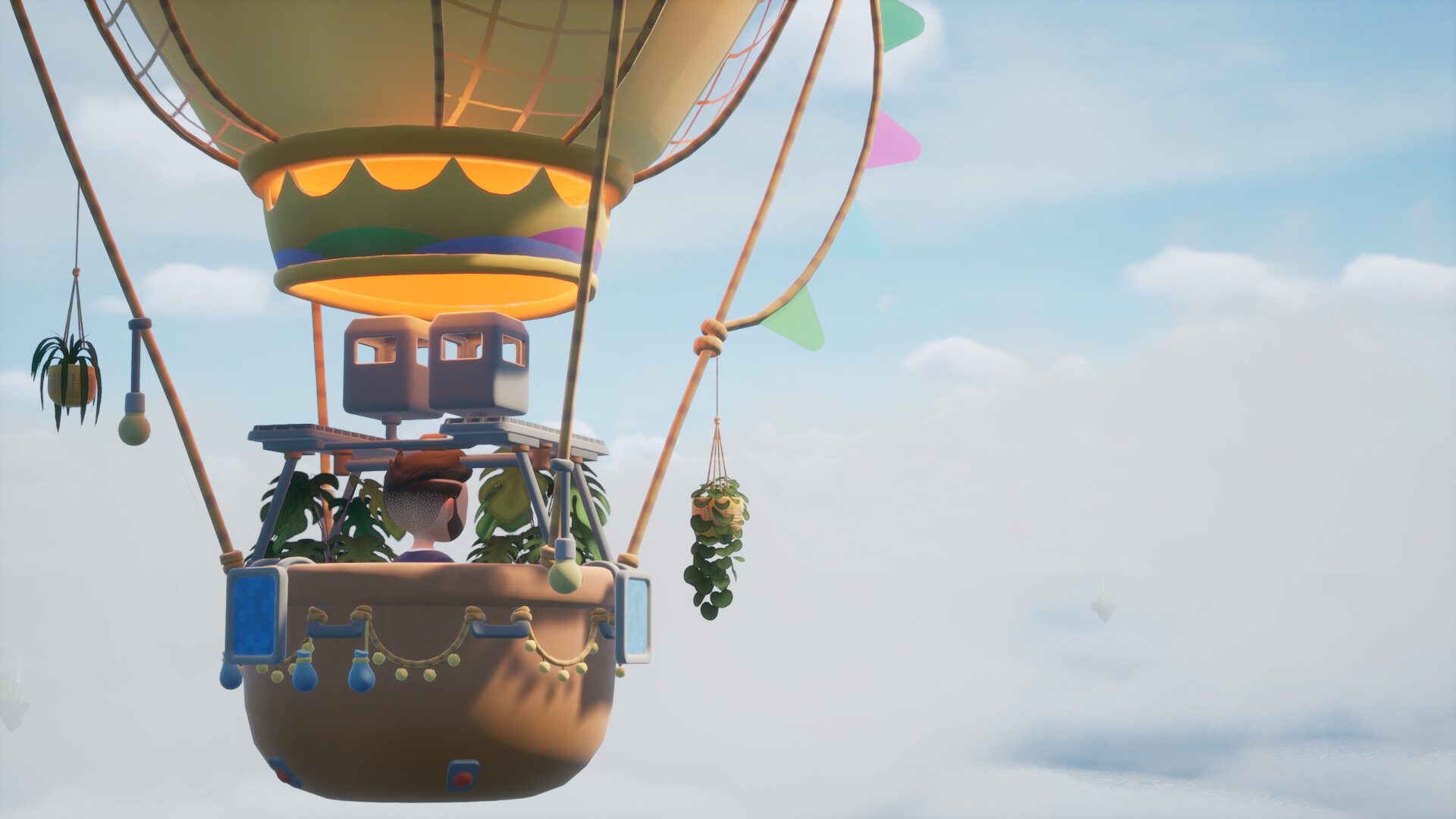
Loftia naturally caught my eye for the same reason a lot of these cozy life-sims do—general tone and aesthetic. However, there’s another reason I took an interest in this game, and that was because of its position as an MMO life sim. It’s been an interesting phenomenon recently, and one that, at its core, has a lot of potential, as what could be better than a cozy experience shared with friends (or even strangers!).
However, throughout the year I’ve tried many games in this sub-genre—from Heartopia to Animula Nook, even Petit Planet (although that was at the tail-end of 2025). With each of those games, one of the recurring themes was how each one had good ideas but failed to grab me in the same way Animal Crossing or Story of Seasons did. I was hoping that Loftia would finally manage to do what the others had not, but unfortunately, it lands in the same category: one with good ideas, but a failure to truly grab.
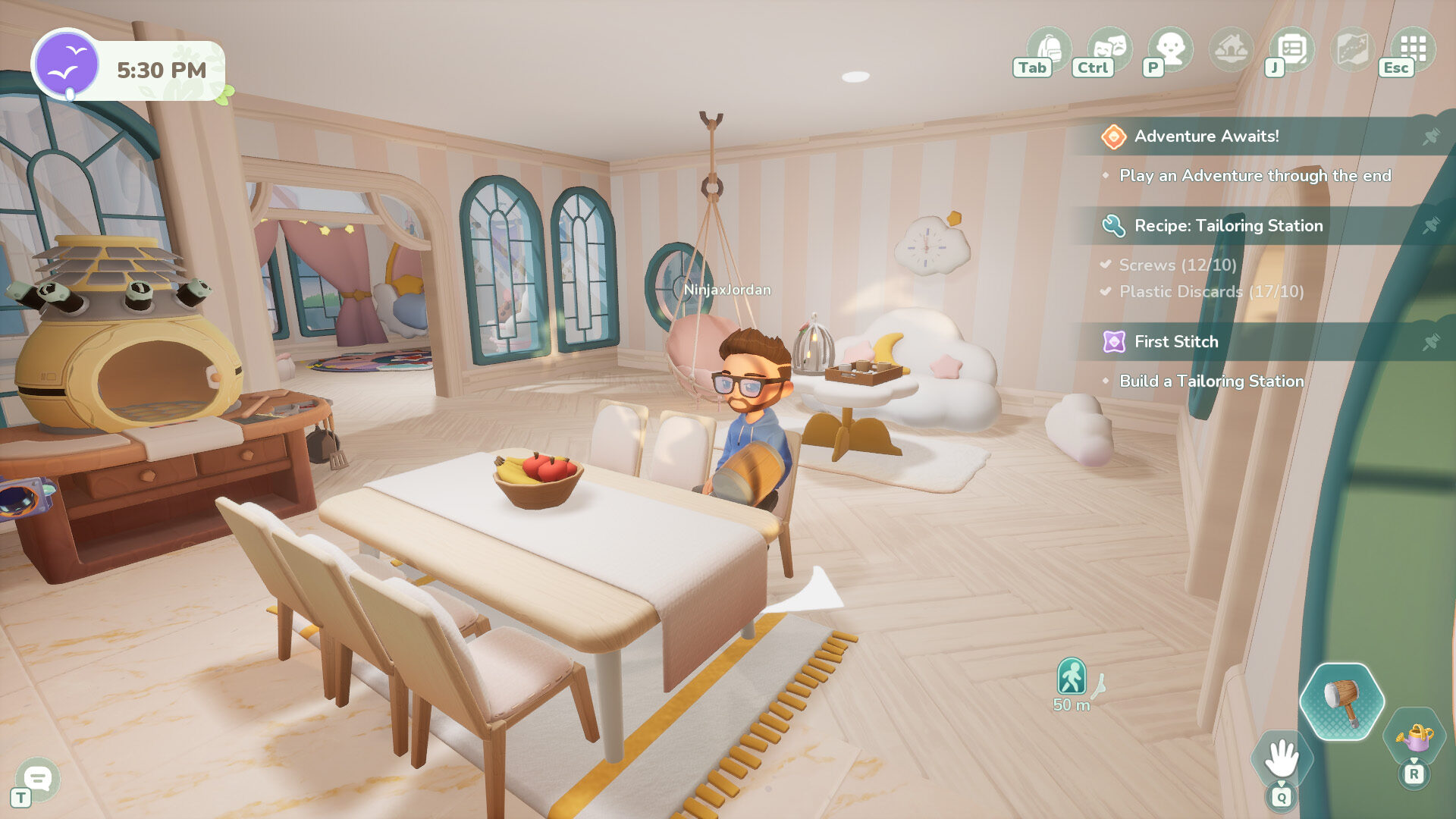
However, in playing Loftia I may have stumbled upon the reason that I personally feel these games don’t really work—or at the very least, aren’t grabbing me. Like I said, at its core it’s honestly not a bad idea. Loftia invites players to a community set on a collection of floating islands. The driving philosophy here is sustainability, not just thematically but also mechanically. Similar to many games in the genre, players will gather materials and use them for crafting projects, but rather than chopping trees and smacking stones, players collect trash and repurpose broken appliances.
“Like I said, Loftia does have some good ideas, but they’re all hindered by poor design choices.”
Even the way players craft has a thematically sustainable element to it, as crafting both items or refined materials requires a battery—not unlike a stamina meter. The battery can be refilled through solar-paneled recharge stations. On top of this there are community crafting projects that encourage players to work together and contribute to things that are meant to help better the world as a whole, unlocking special items, crafting resources, and even new areas to explore.
Although, I noticed a familiar feeling when I first started playing Loftia, similar to one I had when I started playing the other aforementioned games. A distinct kind of boredom that comes from attaching MMO elements to a cozy game such as this. What makes games like Animal Crossing or Story of Seasons work is that they give the player objectives, but don’t really penalize the player for how long they take to complete them. Players are incentivized toward completion but given the freedom to take each in-game day at their own pace.
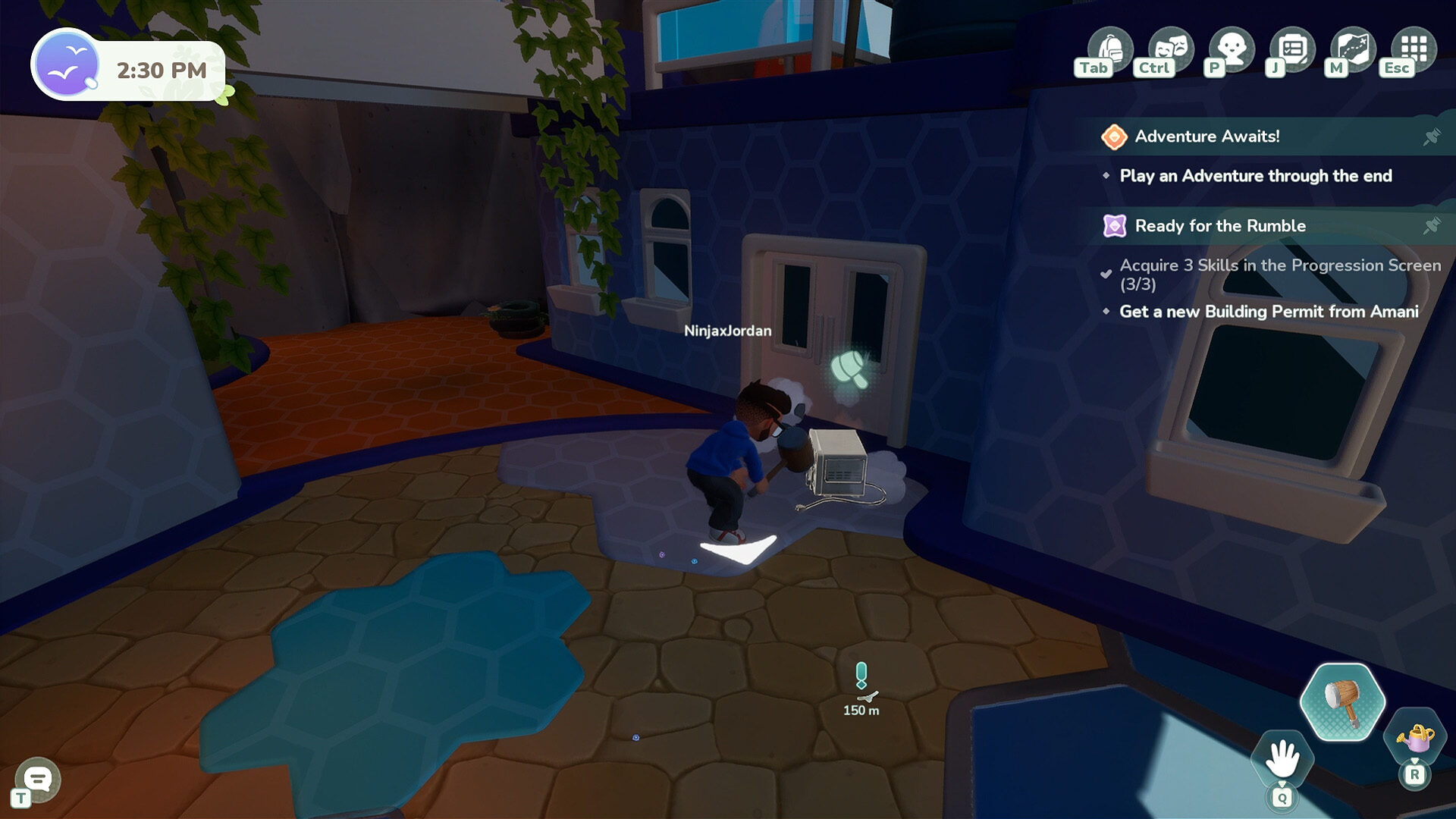
But with games like Loftia or Heartopia, because they apply MMO logic to the gameplay, it’s a constant barrage of fetch quests that squirrel away both minor rewards and those necessary for meaningful progression. You’re always given a glimpse of what you’ll receive, but not until you run around and collect five bits of wood and bring it to so-and-so. And unlike World of Warcraft, there’s no RPG combat to make the constant collecting of wolf pelts remotely interesting. You’re just running to an object and clicking to collect it. Wash. Rinse. Repeat.
It’s just not as engaging because you never feel like you’re doing things at your own pace. Instead, you’re constantly being presented with roadblocks—being forced to gather and craft to get to the next roadblock. Even when you do venture off to the little “dungeon” areas, it’s not particularly fun because the game isn’t really built around interesting interactions. Puzzles are rudimentary, platforming is subpar, and it’s all in service to the same end: gathering materials to give to NPCs.
“The idea of big community-build projects is interesting on paper, but it kind of falls apart when the “community” you play with is never the same.”
There’s a reason I’ve logged over 1,000 hours into Animal Crossing: New Horizons, because when the game isn’t telling you what to do, you start making your own plans and filling the day. The design fundamentals that suit an MMO don’t really lend themselves to a cozy sim. And similar to Heartopia, Loftia’s world and characters feel kind of generic and unmemorable. None of the NPCs stand out visually, and all of them look like simplistic baby dolls, and the main hub itself isn’t really dynamic visually, although some of the others that open up do diversify a bit more. Not only that, but it makes the same mistake of placing your home in a “neighborhood” or randomly assorted players every time you log in, so you never really feel like a part of an actual community.
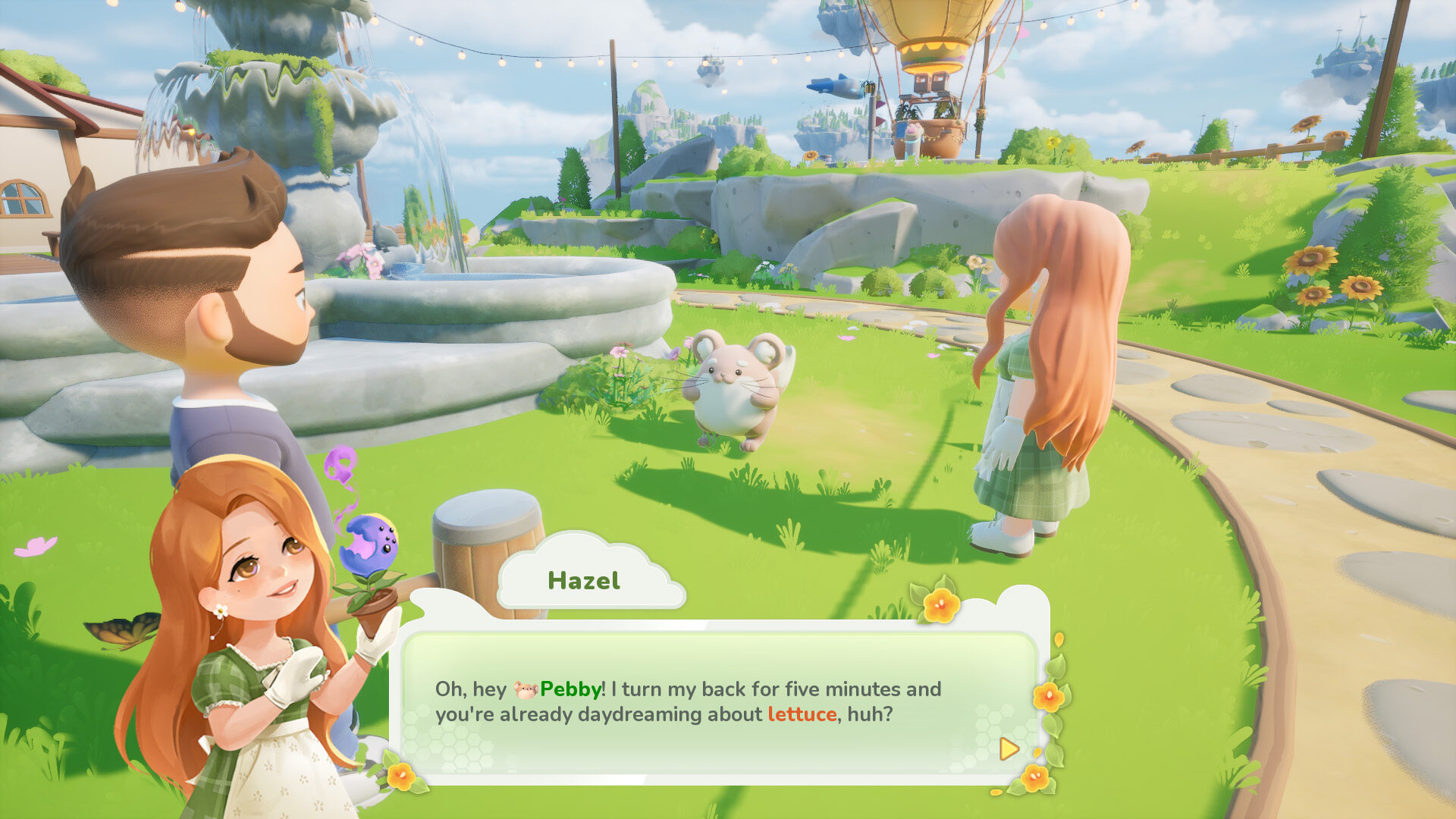
Like I said, Loftia does have some good ideas, but they’re all hindered by poor design choices. The house decorating is pretty in-depth and gives players a lot of placement freedom, which opens up several avenues for creative expression—although this, too, is held back by a lack of interactivity with most items. The idea of big community-build projects is interesting on paper, but it kind of falls apart when the “community” you play with is never the same. Even the farming element, which would be serviceable on its own, is held back by attaching a literal countdown clock to when they’ll be ready (which always feels like a predatory FTP mechanic).
Since it’s launching in Early Access, perhaps some tweaks could be made to make Loftia a bit less monotonous, but I doubt it. Qloud have effectively delivered as close to a finished product as possible, and I think other fans of the genre will find a lot to like here. However, if you’re like me and need a little bit more from your cozy sims—by which I mean, a little bit less this one might not be for you.