
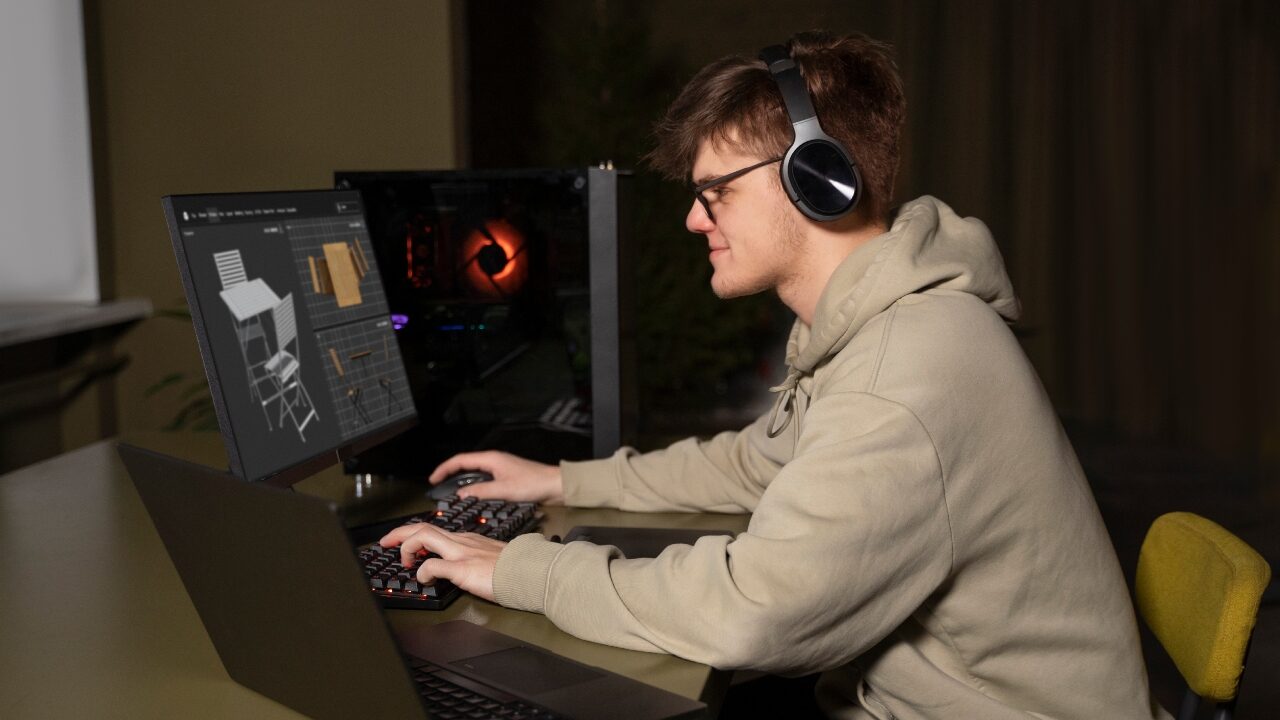
Unreal Engine has revolutionized how educators approach interactive learning. This powerful game development platform offers unprecedented opportunities for creating immersive educational experiences. Students can explore historical events, visualize complex concepts, and engage with learning materials in ways traditional textbooks never allowed.
Understanding Unreal Engine’s Educational Foundation
Epic Games released Unreal Engine for free educational use in 2015. This decision transformed classroom dynamics across universities worldwide. The platform supports virtual reality experiences, 3D modelling, and interactive simulations that make abstract concepts tangible.
Modern education demands tools that capture student attention. Interactive 3D environments increase retention rates by 76%. Students remember information better when they can manipulate and explore content directly, like in Minecraft.
Documenting Your Unreal Engine Educational Projects
College students working with Unreal Engine face unique documentation challenges that differ from traditional academic assignments. Game development projects require both technical documentation and academic analysis, creating a comprehensive learning experience that bridges practical skills with theoretical understanding.
Effective project documentation should include development logs that track your learning process, technical explanations of implemented features, and reflective analysis of design decisions. Students must articulate how their interactive experiences achieve specific educational goals while demonstrating mastery of game development concepts.
Academic presentations of Unreal Engine projects benefit from combining visual demonstrations with written analysis. Students often seek professional advice when faced with such tasks. Educational experts at Papersowl writing service reported that written components should analyze user experience design and educational effectiveness. Screen recordings, gameplay footage, and development screenshots help illustrate technical achievements.
Collaborative documentation becomes essential when working in teams. Each team member should maintain individual logs while contributing to shared project documentation. This approach mirrors professional game development practices while meeting academic requirements for individual assessment and group project evaluation.
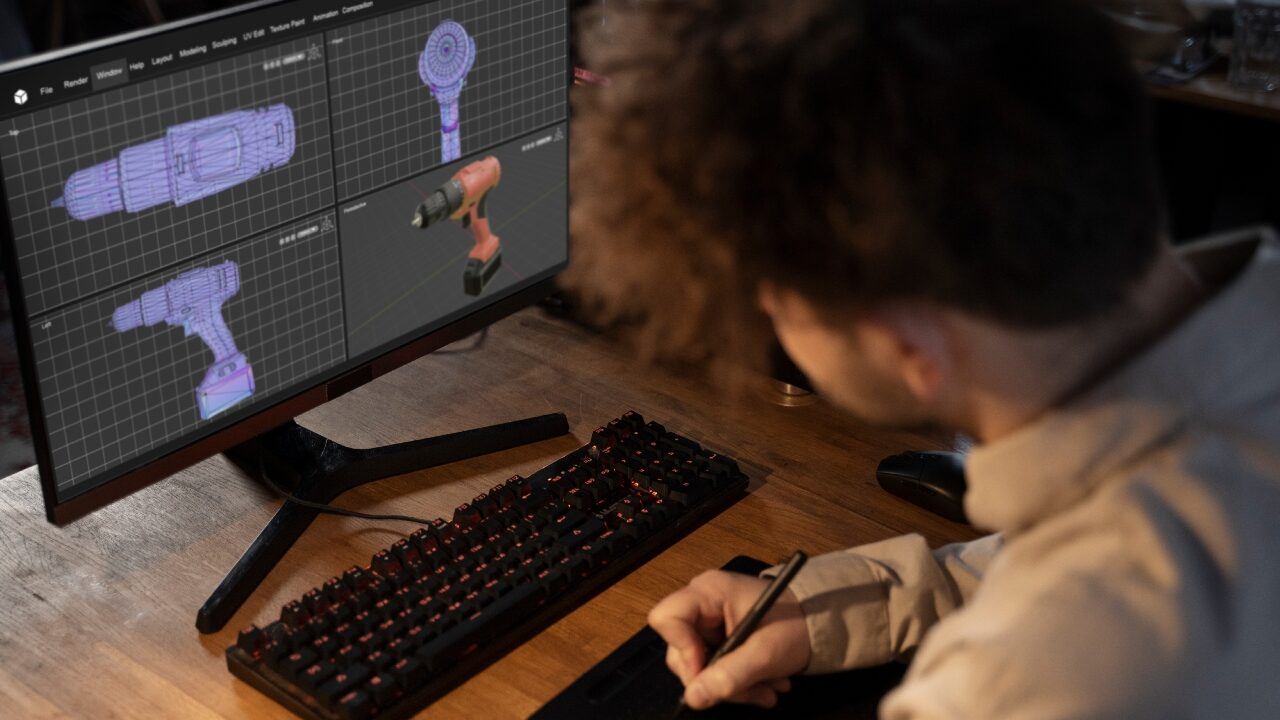
Getting Started with Unreal Engine in Education
Download requirements remain surprisingly modest for such powerful software. A computer with 8GB RAM and a dedicated graphics card handles most educational projects smoothly. Epic Games provides extensive documentation specifically designed for classroom use.
Blueprint visual scripting eliminates traditional coding barriers for beginners. Students can create interactive experiences without learning the C++ programming language. This accessibility opens game development to art students, educators, and non-technical learners.
The platform includes ready-made educational templates. These templates cover subjects ranging from architecture visualization to physics simulations. Teachers can customize existing projects rather than building everything from scratch.
Setting Up Your First Educational Project
Creating educational content starts with selecting appropriate templates. Unreal Engine offers specific educational packages for different subjects:
- Architecture visualization templates help students design virtual buildings and spaces
- Science simulation packages demonstrate physics principles through interactive experiments
- History recreation tools allow reconstruction of historical events and locations
- Language learning environments create immersive cultural experiences
Students should begin with simple projects before attempting complex simulations. A basic virtual museum tour requires less technical knowledge than advanced physics modelling.
Essential Tools for Educational Development
The Content Browser serves as your project’s organizational hub. Materials, textures, and 3D models live here in easily accessible folders. Proper organization prevents confusion during collaborative educational projects.
Blueprint Editor enables visual programming without traditional code writing. Students drag and drop functional blocks to create interactive elements. This system makes programming concepts accessible to visual learners.
Real-World Educational Applications
Colleges worldwide are implementing Unreal Engine across diverse academic disciplines. Penn State University uses the platform for architectural design courses. Students create virtual buildings and test lighting conditions in real-time.
Medical schools employ Unreal Engine for anatomy education. Students can dissect virtual bodies and examine organ systems from impossible angles. This technology reduces costs associated with physical specimens while improving learning outcomes.
Carnegie Mellon University developed virtual chemistry labs using Unreal Engine. Students conduct dangerous experiments safely in controlled digital environments. These simulations prevent accidents while maintaining educational value.

Best Practices for Educational Game Development
Start projects with clear learning objectives before touching any development tools. Define what students should understand after completing your interactive experience. This foundation guides every design decision throughout the development process.
Collaborative development teaches valuable teamwork skills alongside technical knowledge. Assign different team members to handle art assets, programming logic, and user interface design. Real game studios operate using similar collaborative structures.
Testing and Optimization Strategies
Regular testing with actual students reveals usability issues early in development. What seems intuitive to developers often confuses first-time users. Schedule frequent playtesting sessions throughout the development cycle.
Performance optimization becomes crucial when deploying to classroom computers. Educational institutions rarely have high-end gaming hardware available for student use. Design projects that run smoothly on standard educational technology.
Professional Development Skills
Documentation requirements extend beyond traditional academic papers in game development courses. Students must maintain development logs, create user manuals, and prepare presentation materials. These skills directly transfer to professional game development careers.
The future of educational technology increasingly depends on interactive 3D environments. Virtual reality headsets are becoming standard equipment in many computer labs. Students who master Unreal Engine today will lead tomorrow’s educational innovation initiatives.