
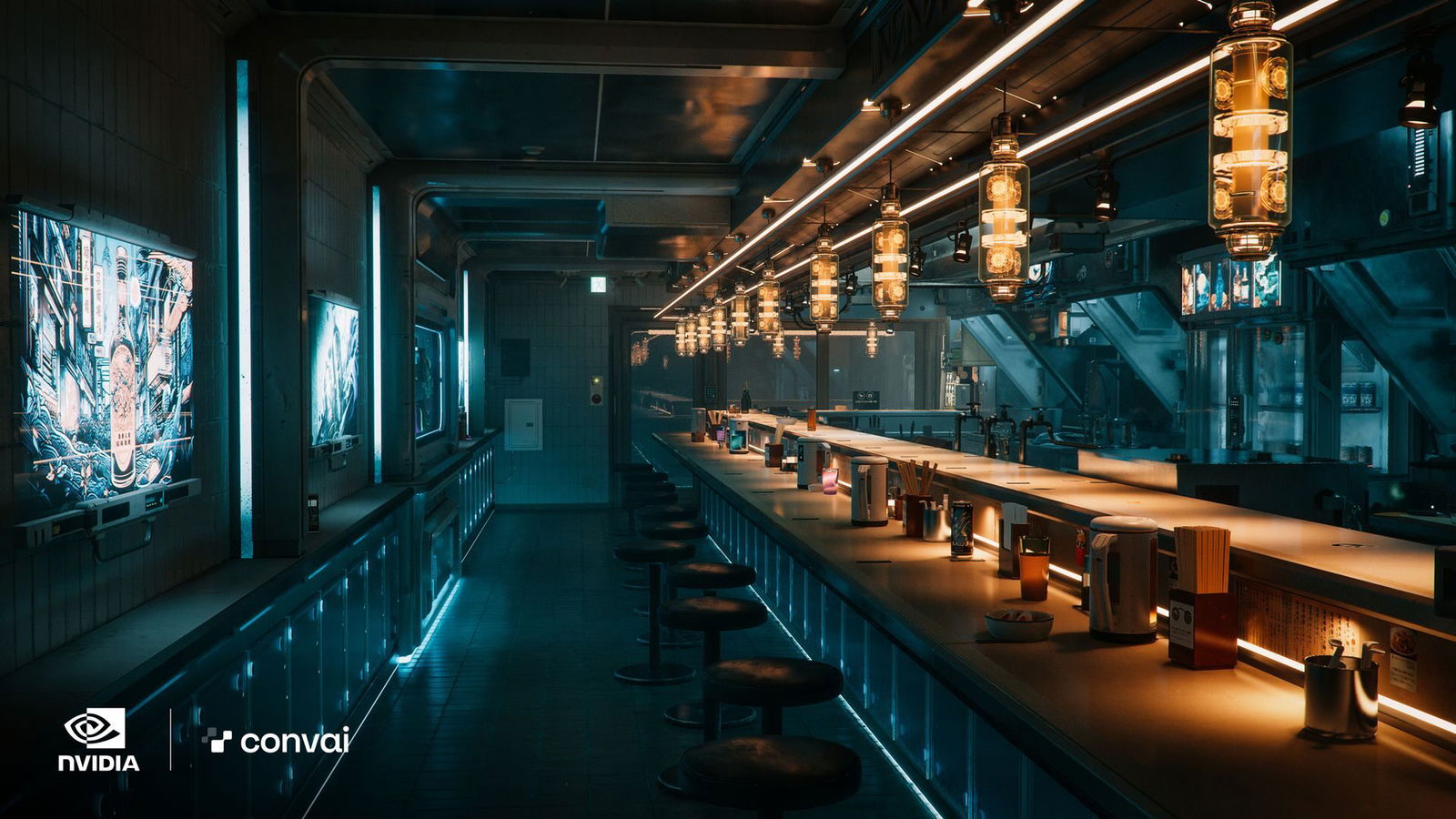
The AAA gaming industry stands at a historic turning point. Development budgets have exploded, production timelines have stretched, asset counts have grown exponentially, and audience expectations have reached a point where photorealism, systemic depth, and cinematic storytelling must coexist seamlessly. At the same time, artificial intelligence—particularly generative and assistive models—is rapidly reshaping workflows that have remained largely unchanged for a decade.
The result is a new era in which economics, technology, and creativity converge. Understanding how AI and budget inflation interact is essential for predicting what AAA game production will look like over the next five to ten years.
The Escalation of AAA Budgets: Why Costs Have Reached a Breaking Point
AAA production budgets have experienced unprecedented inflation over the last decade. Where a blockbuster game in 2010 cost $40–60 million, many modern franchises now require $150–300 million in development alone—excluding marketing, which often doubles the total.
1. Asset Quantity and Quality Have Skyrocketed
Games today are no longer static art collections; they are living ecosystems with:
- tens of thousands of animations,
- hundreds of hours of voice acting,
- thousands of unique 3D assets,
- complex environmental storytelling layers,
- physically accurate materials,
- lifelike NPC routines.
Producing these assets manually has become overwhelmingly expensive.
2. Teams Are Larger Than Ever
Studios like Ubisoft or Rockstar manage projects with 1,000–3,000 contributors, many distributed across multiple countries. Coordination overhead, tooling maintenance, and pipeline management consume significant budget.
3. Player Expectations Continue to Rise
Gamers expect:
- photorealistic characters,
- seamless open worlds,
- cinematic performance capture,
- deep AI behaviour,
- minimal load times,
- constant post-launch support.
Delivering this level of polish is incredibly resource-intensive.
4. Multi-Platform Development Increases Complexity
AAA titles often launch simultaneously across:
- PC,
- multiple consoles,
- cloud platforms,
- sometimes mobile derivatives.
Optimizing for each environment requires specialized engineering. These cost pressures are driving studios to adopt AI as a strategic necessity, not an optional enhancement.
The Arrival of AI: A Structural Shift in How Games Are Made
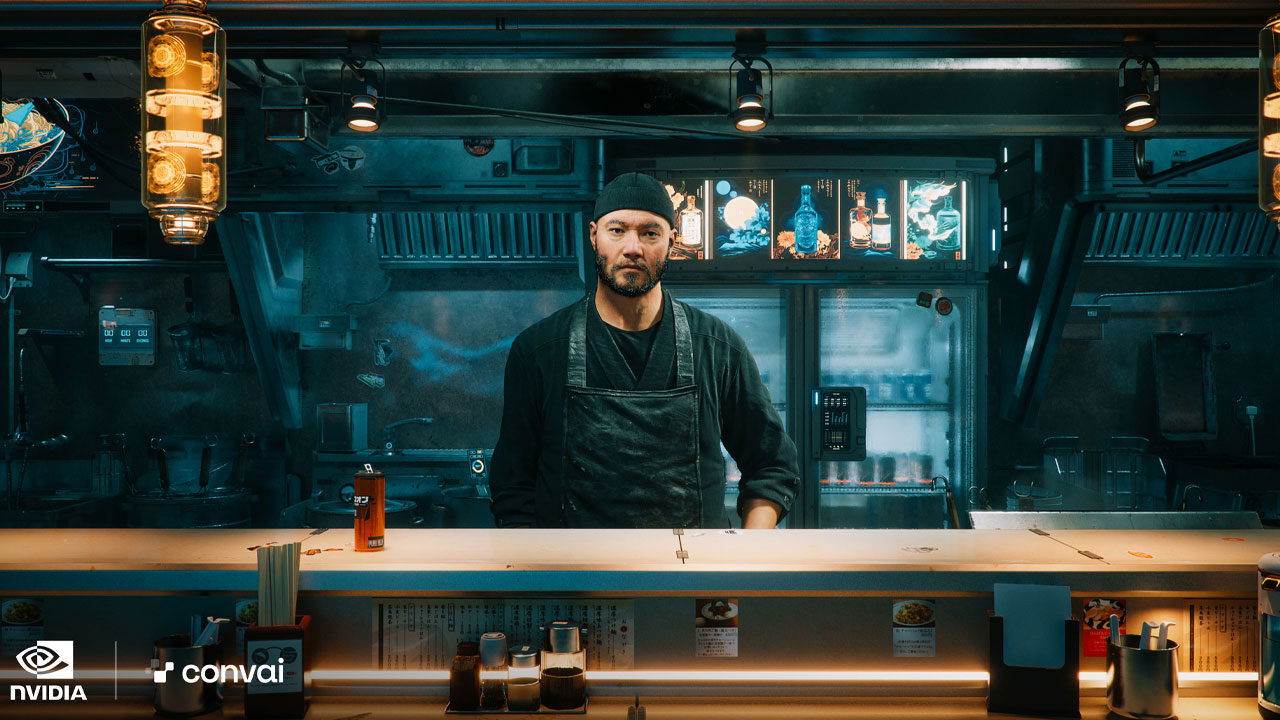
AI is entering every stage of the AAA pipeline—from ideation and prototyping to QA and live operations. Unlike previous waves of automation, modern AI does not just accelerate tasks—it fundamentally changes how content is conceptualized, produced, tested, and iterated.
1. AI-Enhanced Preproduction and Concept Development
AI tools can now generate:
- environment concepts,
- character variations,
- moodboards,
- narrative outlines,
- gameplay prototypes,
- UI wireframes.
Instead of spending months exploring visual directions, studios can generate thousands of options in hours.
Expert insight:
Preproduction efficiency gains of 30–50% are becoming typical for studios integrating AI into ideation workflows.
2. Procedural Asset Generation and Intelligent Worldbuilding
Creating high-fidelity open worlds used to be one of the largest AAA bottlenecks. Today, AI accelerates:
- terrain sculpting,
- material blending,
- foliage distribution,
- lighting presets,
- building variations,
- prop population.
Procedural tools like Houdini, Unreal Engine’s PCG framework, and proprietary AI-assisted systems handle enormous volumes of work previously done manually.
Many studios employ AI tools that let designers preview changes with perspective filters—almost like they can try on glasses virtually to evaluate lighting scenarios, environmental mood, or atmospheric density before committing to a direction.
3. AI-Assisted Animation, Motion Capture, and Physics
Animation systems have transformed dramatically:
- AI-based retargeting reduces motion capture cleanup by 70–80%.
- ML-driven in-betweening fills gaps between keyframes.
- Physics simulations adapt more naturally to terrain and player input.
- Neural motion synthesis generates realistic transitions on the fly.
The result: more lifelike characters at a fraction of historical animation cost.
4. NPC Behaviour and Emergent Systems Powered by AI
Traditional NPCs rely on hand-authored behaviour trees. Modern AAA titles increasingly use:
- reinforcement learning for systemic behaviour,
- LLM-powered dialogue for dynamic interactions,
- personality models for unique NPC traits,
- predictive models for crowd simulation.
This allows worlds to feel more alive and unpredictable, aligning with the new generation of immersive storytelling.
5. AI-Based QA and Automated Testing Pipelines
QA has become one of the most expensive stages in AAA development. AI now automates:
- traversal testing,
- item collection logic,
- physics edge cases,
- performance benchmarking,
- regression detection.
AI agents can simulate thousands of play hours per day—something impossible for human testers. Automation reduces cost while dramatically increasing reliability.
How AI and Rising Budgets Reshape Production Structures
1. Smaller Core Teams, Larger Distributed Networks
Instead of massive centralized studios, future AAA development will involve:
- compact creative cores,
- distributed specialist teams,
- outsourced AI-driven asset generation hubs,
- automated build and testing clusters.
This model mirrors modern film production, with fewer full-time roles and more modular contractors.
2. Extended Development Won’t Always Mean Higher Costs
Ironically, while AAA timelines still stretch 5–8 years, AI reduces marginal increases in cost:
- world-building becomes semi-automated,
- character teams shrink,
- VO and narrative prototyping become faster,
- real-time iteration accelerates.
AI doesn’t necessarily shorten timelines—but it stabilizes budgets that would otherwise spiral further.
3. AI Democratizes High-Fidelity Production
Small studios can now produce content that previously required hundreds of artists:
- photorealistic materials,
- dynamic worlds,
- high-quality concept art,
- cinematic-quality animations.
This could lead to a “double revolution” in AAA:
- Big studios reduce waste and increase ambition.
- Small studios rise with near-AAA visual quality.
Challenges and Risks: The Other Side of the Transformation
AI’s integration is not without complications.
1. Ethical and Legal Issues
Questions remain:
- Who owns AI-generated assets?
- How should model training be regulated?
- What counts as originality?
As regulations mature, AAA studios will face strict compliance pressures.
Labour Market Restructuring
AI will fundamentally reshape roles:
- fewer entry-level artist positions,
- more technical art roles,
- more AI-tool integrators,
- new hybrid jobs combining art, code, and ML.
Studios must invest in upskilling to avoid knowledge gaps.
3. Over-Reliance on Automation
If misused, AI can create stylistic sameness or eliminate the handcrafted detail that gives top-tier titles their identity. Human creative direction remains irreplaceable.
What the Next Generation of AAA Games Will Look Like
1. Vast, Reactive Open Worlds
Expect worlds that:
- adapt moment-to-moment,
- generate new quests dynamically,
- feature NPCs with emotional memory,
- tell stories influenced by real player behaviour.
2. Hyper-Realistic Environments
Thanks to AI-assisted rendering and procedural generation, environments will reach near-film quality while remaining interactive.
3. Personalized Player Experiences
LLM-driven systems will tailor:
- dialogue,
- world events,
- difficulty balancing,
- item distribution.
Every playthrough will feel personal.
4. Faster Content Expansion in Live-Service Titles
With AI, the following can be delivered in weeks instead of months.
- seasonal quests,
- cosmetics,
- balance changes,
- world expansions
AAA Development Is Entering Its Most Transformative Era
Rising budgets forced the industry into a corner—AI became the escape hatch. But AI is far more than a cost-cutting mechanism: it expands the creative horizon. It enables deeper systems, richer worlds, faster iteration, and more immersive player experiences.
The future of AAA will be defined by hybrid workflows where human creativity guides AI-driven production engines. Studios that embrace this new paradigm will lead the next generation of blockbuster games—while those that resist will struggle to keep up with the economic and creative demands of modern game development.