

Consumer technology is evolving at a pace that is difficult to keep up with, and this is especially evident in artificial intelligence as 2026 approaches. From smarter smartphones to increasingly connected homes, the way people interact with technology is changing rapidly.
The coming years will bring not only new devices, but also new challenges related to trust, digitization and the role artificial intelligence plays in everyday life. Even trends such as the upcoming meme coins in 2026 are finding a place within this fast-changing technology landscape.
Building trust and transparency in everyday technology
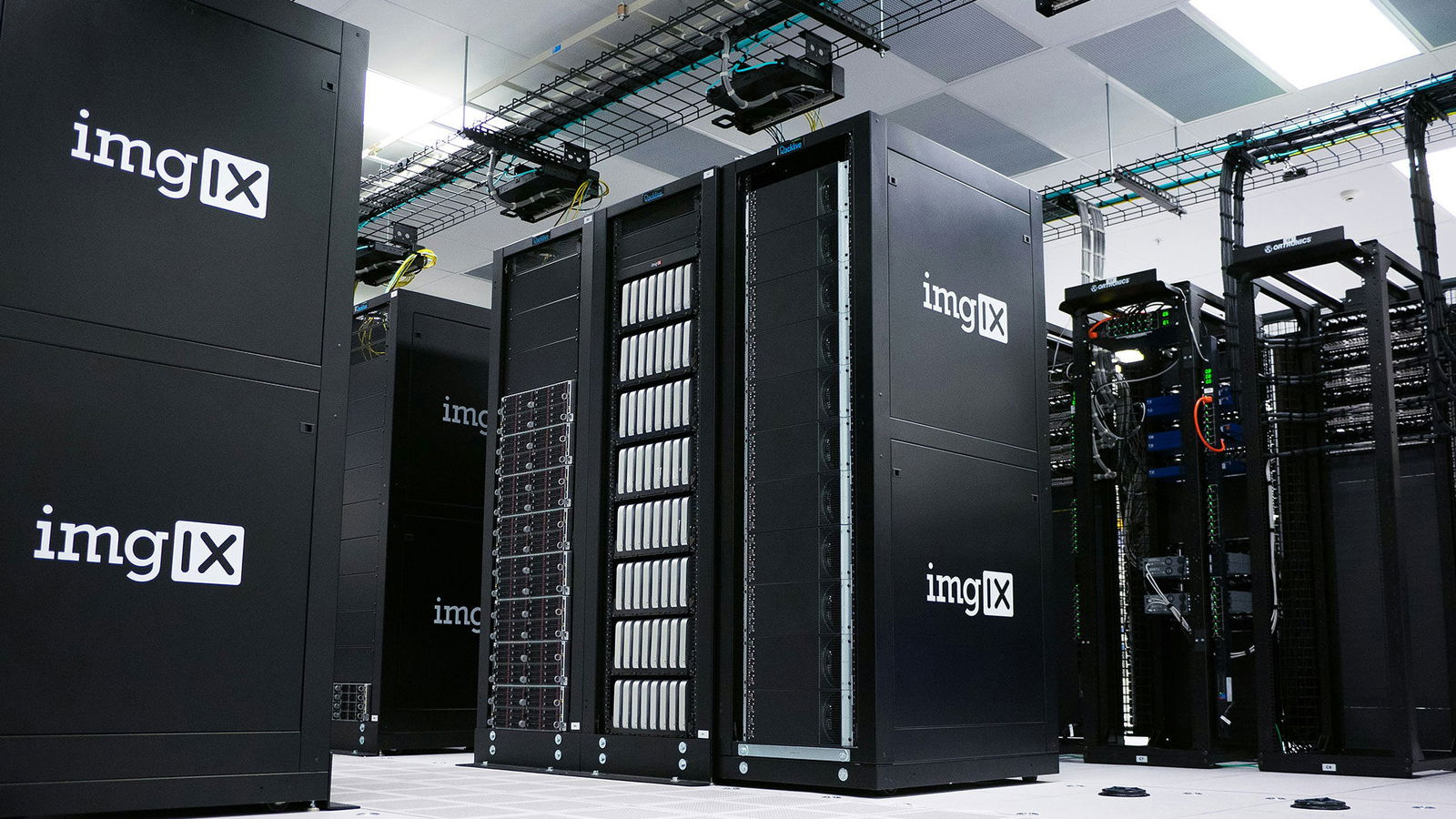
One of the most pressing issues facing consumer technology is a growing trust gap. As artificial intelligence and digital technology become more embedded in everyday devices, including smartphones, voice assistants and smart home systems, consumers are increasingly concerned about AI security and data privacy. There is a growing sense that technology is advancing faster than users can comfortably adapt, leaving some feeling overwhelmed or out of control.
Manufacturers and developers are responding by placing greater emphasis on transparency and regular security updates. Many are introducing features that allow users to see how their data is used or to exercise greater control over what information is shared. This shift goes beyond regulatory compliance. It reflects an effort to rebuild trust and demonstrate that the technology of 2026 can be both powerful and respectful of user privacy. The ongoing challenge is to balance innovation with clear, user-friendly governance, ensuring people feel confident adopting new technology without concern about unseen processes.
Everyday efficiency with AI tools
Artificial intelligence is no longer limited to tech enthusiasts or large corporations. By 2026, it is expected to become a practical tool for everyday users, helping to streamline daily routines and reduce administrative burdens. From organizing calendars and managing emails to automating repetitive tasks, AI-driven applications are increasingly designed to make life easier for the average user.
This shift is particularly evident in public services, where digital technology and welfare technology are being used to improve workflows and free up resources for more meaningful work. The real value emerges when these tools are intuitive and genuinely useful, rather than adding another layer of complexity. Developers are increasingly focused on creating AI that is easy to use and delivers clear benefits without requiring advanced technical knowledge. This move away from hype and toward practical value is likely to define the next wave of consumer technology, as users seek solutions that operate quietly in the background and simplify daily life without demanding constant attention.
Realistic artificial intelligence beyond the hype
are increasingly able to distinguish between flashy demonstrations and real-world usefulness. Demand is shifting toward robust, reliable AI that delivers on its promises without overpromising or overwhelming users. This approach requires a stronger focus on local control, sound governance and clear communication about what AI can and cannot do.
In practice, this may include smart home devices that adapt to user habits without constant prompts, or consumer applications that suggest relevant content without mining personal data. The emphasis is on technology that integrates smoothly into daily life, supporting users rather than distracting them. Even in areas such as finance, where new meme coins are expected to gain attention in 2026, the same principles apply: transparency, user control and a focus on genuine value.
As artificial intelligence continues to evolve, companies that succeed will be those that put people first by building trust, delivering practical benefits and keeping the user experience central. For anyone tracking the direction of consumer technology, these are the key trends and challenges to watch.