


The way viewers watch esports has changed dramatically in the past few years alone. In traditional sports, a few professional broadcasting companies have the rights to matches depending on where the viewer is watching from. In esports, live viewers have been limited to official streams from the organization hosting the tournament. However, in 2026, co-streaming is quickly becoming one of the more popular ways to watch big esports events.
Alongside the rise of these alternate viewing streams from popular community figures – which are increasingly integrated by studios alongside the main broadcasts – esports has also seen a huge rise in investment in the past few years. Particularly from Saudi Arabia but also from private sponsors including global gambling firms. This has had a huge effect on the business model, economics and fan experience of esports tournaments.
The Rise of Co-Streaming and Community Broadcasts
Co-streaming is when a creator is given permission by the tournament organizer to stream themselves watching the tournament live while providing commentary and interacting with viewers and fans.
The most obvious case study is former League of Legends professional player and official Riot caster Caedrel. In 2024, only three years into his streaming career, he generated 16.1 million watch hours over that year’s League of Legends World Championship.
In 2025 Caedrel’s co-stream of the League of Legends tournament at that year’s Esports World Cup generated 4 million hours watched. Across all the esports at the event, co-streaming broadcasts accounted for 41% of viewing time.
Saudi Investment and Commercialization
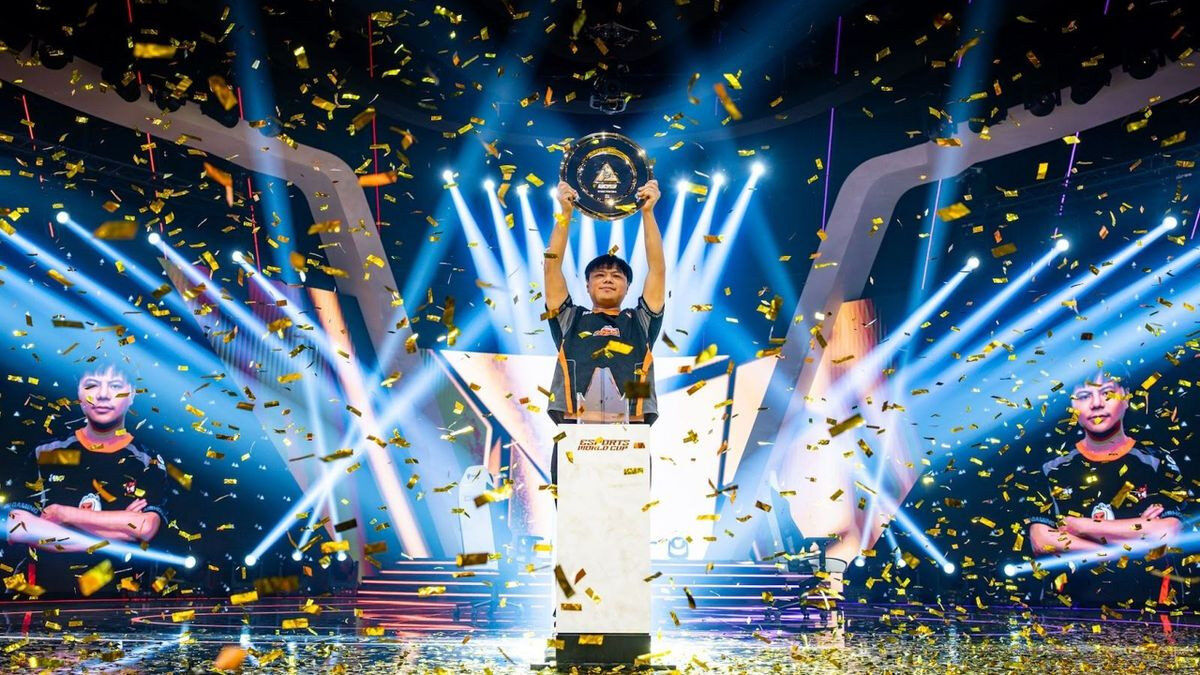
Few events in esports will have generated more headlines, or larger audience figures, than the 2026 Esports World Cup. The event recorded more than 168 million hours watched and a peak audience of 3.2 million. Another example of increasing commercialization in esports is the growth of betting and betting sponsors. Although major esports such as League of Legends initially resisted betting sponsors, many have since reversed course as it became clear how quickly the sector was expanding among fans.
For one example, consider the Stake bonus code available in Canada, as reviewed by Covers. The amount of detail an expert guide like this goes into for a single online casino’s bonuses shows just how competitive the market has become, whether in Canada or the U.S. Stake is also likely a brand you have heard of. The major online casino operator also runs streaming platform Kick, which has significant overlap with esports audiences, demonstrating how closely the two sectors are becoming connected.
However, this kind of commercialization in an esports scene that has historically been somewhat resistant to it does not come without detractors. That may also help explain some of the growth in co-streaming, where commentators and broadcasters are less beholden to commercial interests and audiences encounter fewer sponsored placements.
Why Audiences Prefer the Creator Version
Official broadcasts have long been the standard for esports because they offer the most polished, professional and neutral presentation. Organizations have control over broadcast standards, including the language used, while commentators are expected to remain unbiased when discussing different teams, the state of the game or the current meta.
This also makes official broadcasts much easier to commercialize, with sponsored segments, logos and other promotional content integrated directly into the presentation. However, creator co-streams offer a different experience. Fans watching IWDominate stream North American LCS matches, for example, get the high-octane, unfiltered, passionate and chaotic commentary of a live streamer while still keeping up with official tournament matches and results.
Streamers can also be heavily biased toward a region, team or player they support, attracting audiences who share those loyalties. They can also interact directly with their live chat throughout the game. These co-streams have even proven popular in more niche but long-standing esports scenes such as Rainbow Six Siege, where the community is close-knit, and streamers can attract smaller but highly dedicated followings.

Platform Battles and the Future of the Scene
For many years, viewership for live esports was overwhelmingly concentrated on Twitch. In 2026, YouTube Live is now an established competitor, while Kick continues to grow considerably.
YouTube now accounts for 50% of esports live-streaming watch time, with Twitch at around 40% and Kick growing to roughly 10%, despite only launching in 2023. The upstart platform’s viewing hours grew by 36% across 2025, while Twitch’s total declined by 8.3%.
Esports remains more relevant on Twitch and YouTube than on Kick, however. The latter’s more relaxed content moderation policies and embrace of controversial live-streaming personalities and formats, including high-limit gambling, have limited the number of esports tournament organizers willing to use the platform.
Meanwhile, Twitch has recognized the growth of co-streaming and its increasingly important role in the esports broadcasting business. In October 2025, it integrated formal co-streaming tools into its professional streaming dashboard and introduced features to aggregate and measure audiences watching the same event across multiple streams.