

It used to be that gaming meant saving up for a powerful console or a pricey PC. That’s changing fast. With cloud gaming, anyone can stream top-tier games directly to their phone, tablet, or laptop, with no need for a fancy setup.
This shift is opening the door for people who’ve been left out until now. Whether it’s someone with an old device or spotty internet, more players are getting in. And as these platforms grow, they’re making gaming more flexible, more affordable, and more accessible to just about everyone.
Accessibility: The Core of Growth in Modern Gaming
Making games easy to access isn’t just the right thing to do; it’s smart business. When more people can join in without jumping through hoops, they stay longer, play more, and often spend more. That’s especially true in gaming, where even small design choices (like flexible controls or clear menus) can open the door to entire groups of players who were left out before.
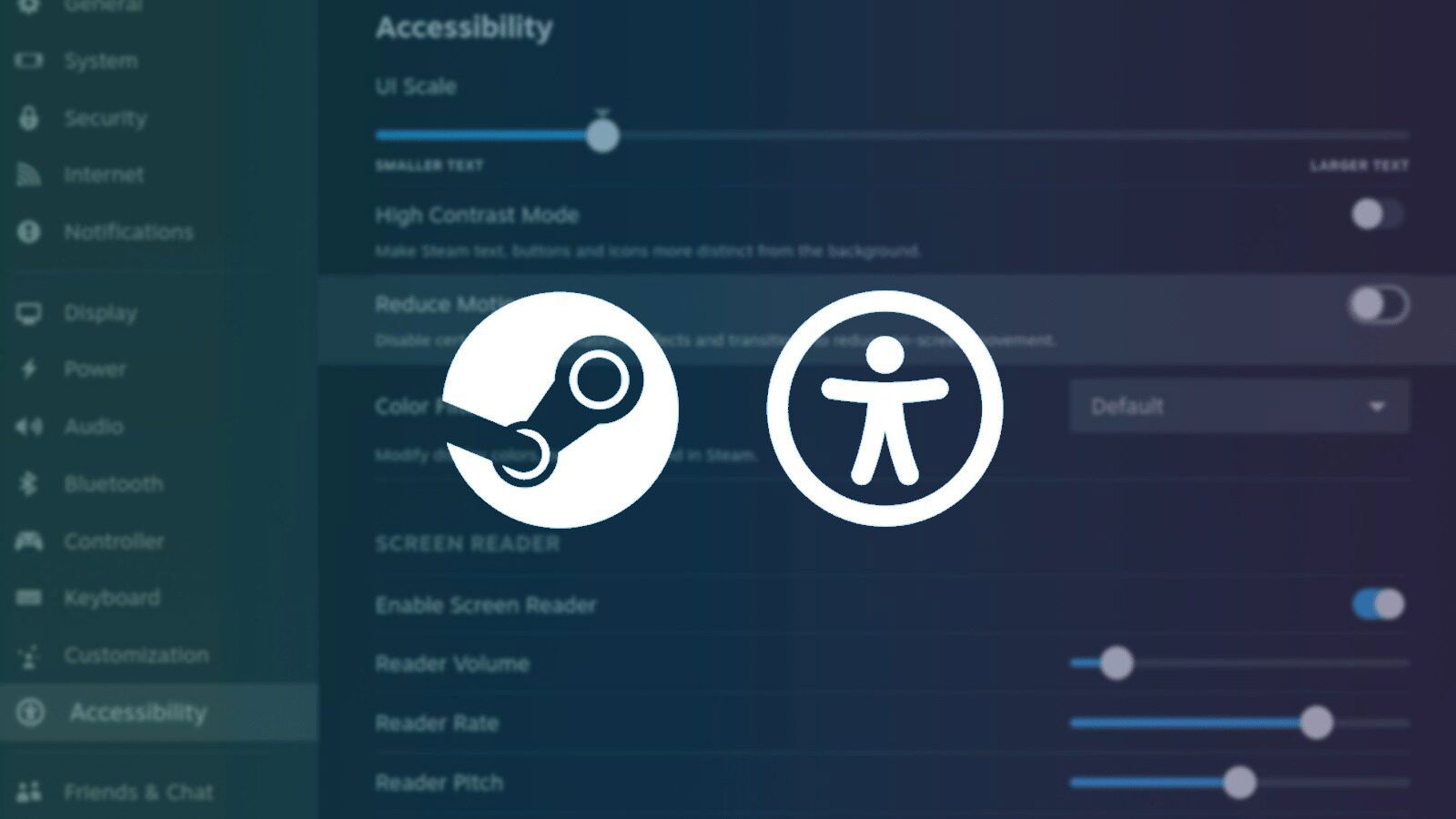
A clear example of this is Steam, which has built a reputation for being inclusive and accessible. Its adjustable text sizes, controller remapping options, and compatibility tools have made the platform more comfortable for players who once struggled with basic gameplay.
This same approach is crucial in online casinos, where speed and clarity are key. One example is the Wonaco casino login. This system is quick, smooth, and avoids the usual clutter that can drive people away. New users can get started fast, which keeps them engaged from the start.
How Can Cloud Gaming Further Improve Gaming Accessibility?
Cloud gaming already makes life simpler by letting people play without expensive gear, but there’s more ground to cover. If platforms want to grow, they need to reach those still held back by weak connections, limited devices, or accessibility barriers.
Smarter streaming technology that adjusts on the fly would help solve one of cloud gaming’s most common frustrations. No one wants a game to freeze or turn into a blur of pixelated graphics just because the Wi-Fi drops for a moment. Adaptive streaming that can shift resolution, frame rate and input buffering based on real-time network conditions would make sessions feel more stable and responsive. Even small improvements could mean the difference between a brief hiccup and a ruined match, especially in fast-paced multiplayer games where every second counts.
Voice control is another area with long-term potential. Early efforts already point to practical hands-free play for menu navigation, basic movement or issuing quick commands, which would be a major step forward for players with limited mobility. Paired with instant captions for all in-game dialogue, customizable gesture commands and clear vibration or haptic cues to signal important events, these features could support a more inclusive gaming environment. These tools do not benefit only one group of players. They make games easier to access, easier to understand and more welcoming for everyone.
The Tech Driving This Forward
5G has changed the game. Latency drops, load times shrink, and even complex titles run smoothly on phones. You can launch a full open-world game from a coffee shop and not miss a beat.
Edge computing adds another layer; by shifting some of the processing closer to users, it reduces lag and maintains stability even when traffic spikes. Studios are also utilizing AI to fine-tune servers behind the scenes, ensuring games load faster and run more smoothly.
What’s exciting is that this doesn’t just help big companies. Smaller developers can now build games that work on any screen, as well.
Toward a Fairer and Greener Gaming Future

The path forward in cloud gaming isn’t just about better graphics or faster servers; it’s about building a space that welcomes more people and does less harm to the planet. This means moving toward cleaner infrastructure, such as data centers powered by renewable energy, and more intelligent systems that effectively manage energy use.
At the same time, inclusion needs to be a core part of the design process, not a feature added later. Fair matchmaking, intuitive controls, and thoughtful representation all play a role in making sure no one is shut out. With the right tools, developers can reach players who’ve never had a seat at the table, turning gaming into something more open and collaborative.
This progress won’t happen on its own. It’ll take coordination across tech firms, public programs, and grassroots creators. But if the pieces fall into place, cloud gaming can do more than entertain. It can connect people across borders, skill levels, and backgrounds!