
Gaming, with its captivating mechanics such as progress bars, levels, challenges, and rewards, has transcended its traditional role of entertainment. These elements are now reshaping industries far beyond the realm of video games. From education to retail to finance, companies are adopting the language of play to keep us engaged, motivated, and loyal. This trend underscores the profound influence of gaming culture in our everyday lives, enlightening us about the transformative power of these innovations.
At the heart of this shift is gamification: the use of game design elements in non-game environments. These systems appeal to basic human instincts like achievements, competition, and the thrill of reward. Instead of being confined to the screen of a console or PC, they now influence how we learn, shop, save, and even work.

The rise of online platforms has only accelerated this crossover. Businesses can now monitor user engagement in real time, test out different designs, and fine-tune experiences with data-driven precision. This results in a feedback loop that adapts to user behaviour and delivers a more personalized journey than old-school loyalty cards or rigid training programs ever could. The potential of these strategies to significantly enhance user experience is genuinely intriguing and promising.
Perhaps the most striking example comes from the online gambling sector. The Gaming world pioneered mechanics that are now standard in other industries. Platforms have long used reward loops, tiered progression, and customizable user experiences to keep players coming back. Every top online casino wishing to stay competitive now integrates these elements, loyalty points, seasonal challenges, and AI-driven bonuses, to stand out in a crowded market. These features don’t just attract attention; they foster long-term engagement, while operators strike a balance between innovation and responsible gaming frameworks, ensuring a safe and enjoyable experience for all players.
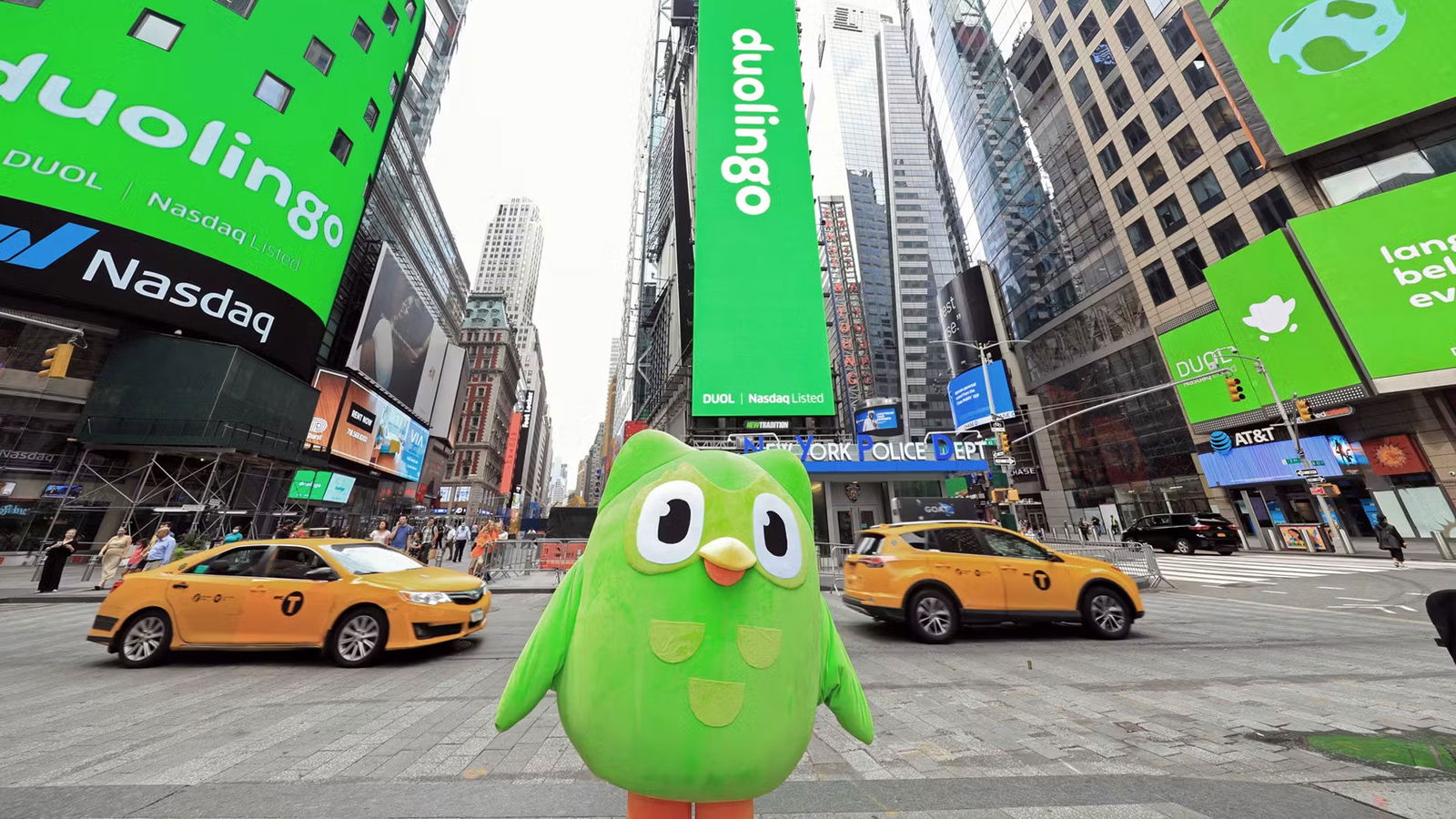
Education has also embraced gamification in a big way. Apps like Duolingo turn learning into a habit through streaks, leaderboards, and timed challenges. The success of gamified learning in boosting retention by up to 40 per cent when the design aligns with clear goals is a testament to the potential of these mechanics outside the classroom. It makes us optimistic about the future of education.
Workplaces are another frontier. Productivity tools now borrow heavily from game-like structures to keep teams focused and collaborative. Agile frameworks use “sprints” that mimic timed missions, while visual dashboards let workers see progress at a glance. Some companies even hand out digital badges or spotlight top performers, turning the daily grind into a system of recognition and motivation. Especially in remote environments, these touches can create momentum and a sense of shared achievement.

Retail brands have reimagined loyalty programs through the same lens. Starbucks, for example, uses tiered memberships and seasonal challenges to keep customers coming back for more than just coffee. Nike Run Club motivates users to join virtual races, unlock achievements, and share results with a community. The shift from simple discounts to interactive challenges reflects how gamification fosters both customer loyalty and a sense of belonging to a larger lifestyle.
Even the financial sector, once notorious for feeling dry and intimidating, has embraced game mechanics. Fintech apps gamify saving and credit management by rewarding users for hitting milestones or tracking streaks. Turning abstract goals like “build a savings cushion” into visible progress bars or weekly challenges makes financial health feel less daunting and far more interactive.
Of course, not all gamification succeeds. Systems that rely too heavily on surface-level rewards without addressing user needs can seem manipulative or gimmicky. There are also potential ethical implications, including the use of personal data to drive engagement or the encouragement of certain behaviours through rewards. The key is balance: meaningful challenges that align with the user’s goals and offer a sense of accomplishment, clear feedback and transparency. When designed with the user in mind, these elements feel natural and motivating rather than forced.

Looking ahead, technology promises even more immersive possibilities. For instance, AI-driven personalization could create more tailored experiences, such as suggesting learning materials based on individual progress or adapting gameplay to a player’s skill level. Augmented reality could bring game elements into the real world, like turning a shopping trip into a scavenger hunt or a language lesson into an interactive adventure. And blockchain-enabled rewards could allow for cross-platform progression, enabling a player to earn points in one game and use them in another. The common thread is clear: play is becoming a central part of how we interact with the world around us.
Gaming has proven that progress, reward, and competition tap into something deeply human. When industries borrow these elements thoughtfully, they don’t just sell more products or increase productivity; they create experiences that feel engaging, memorable, and fun.