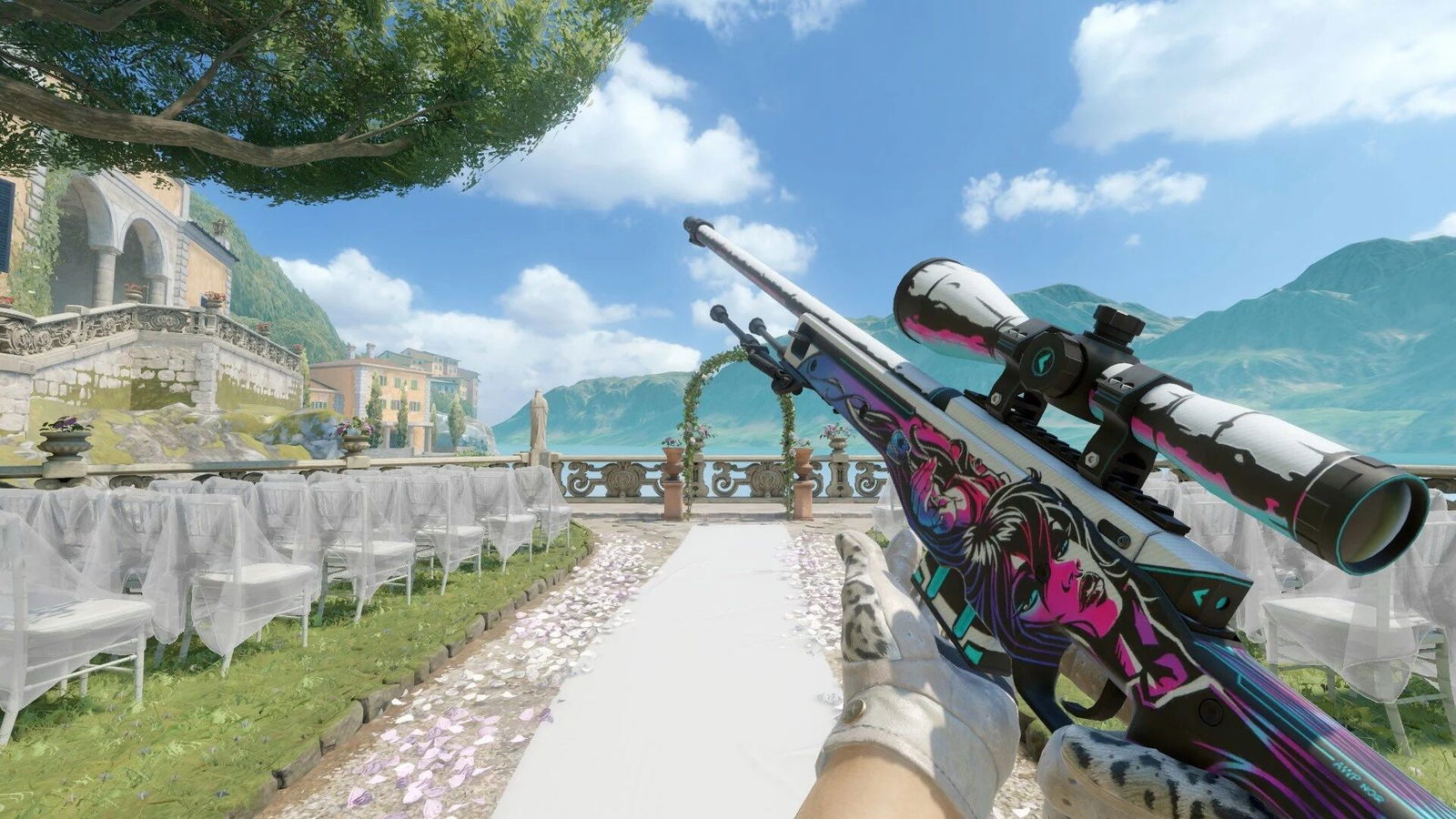
CS2 skin prices have a life of their own—they rise and fall, and depend on one main rule. That rule is a demand. Not Valve’s ironclad rules, but the crowd’s desire, hype, and fashion. Why do some people pay hundreds of thousands for one pixelated rifle, while another can go unnoticed for pennies? It all comes down to what drives this demand. How can a popular streamer, a rare drop, or simply a status sticker drive prices skyrocket? Let’s break down the nuts and bolts of this strange and fiery market.
Rarity and the Pricing of AWP Skins
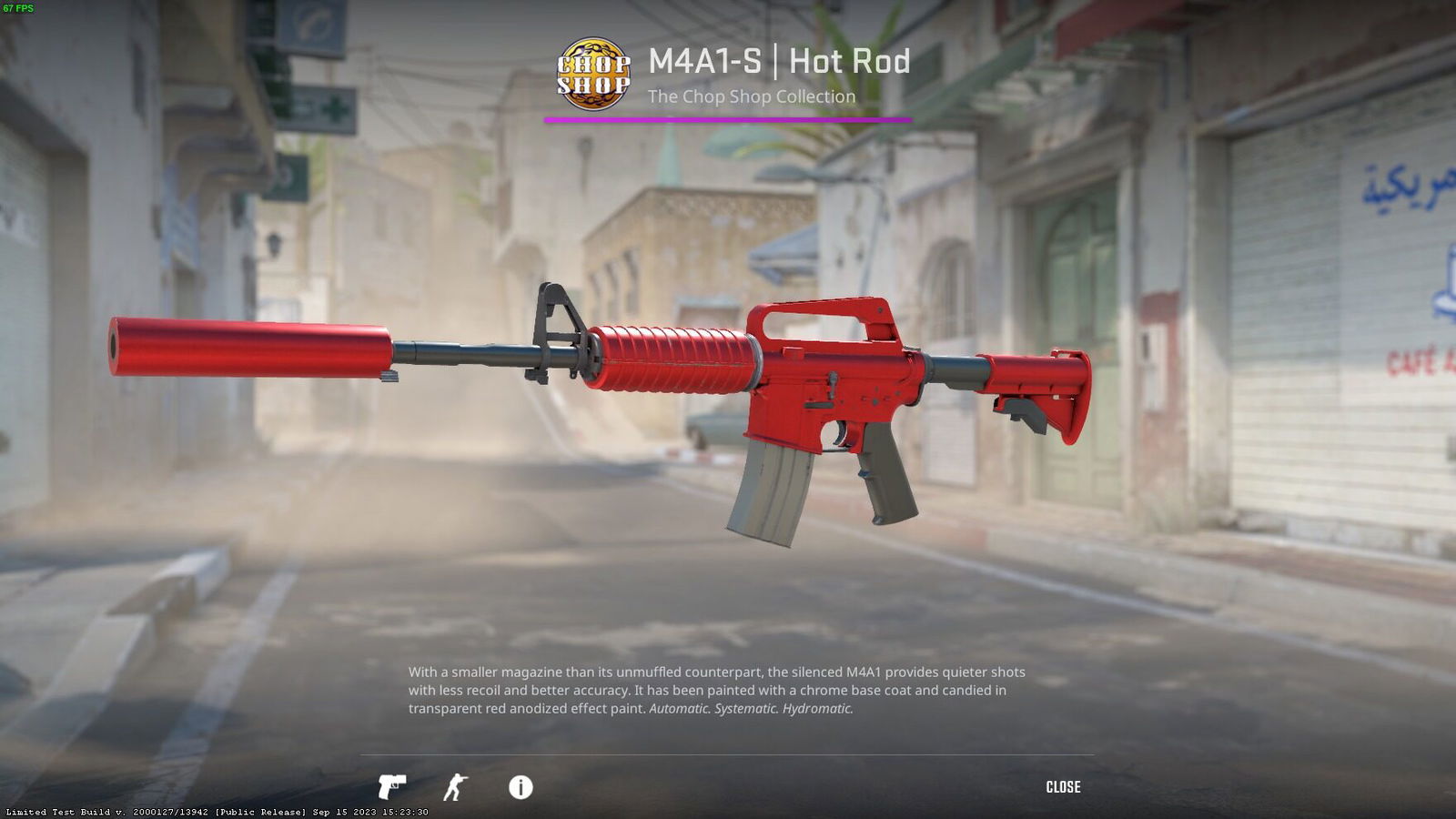
Price starts with rarity. The harder a skin is to obtain, the more expensive it is. Each rarity category in CS2 has its own colour. Red (Covert) skins are the rarest and most expensive. But something else is also important: a stalled drop rate. If a case stops dropping in-game, the price of its contents begins to climb. Supply stagnates, but demand remains. Collectors buy up the remaining stock, creating a shortage. Rarity, especially artificially created ones, is the basis for a high price.
The Influence of Pro Players on AWP Skin Prices
The second most powerful factor is esports. Professionals play in front of millions. If ropz or ZywOo use a certain AWP skin, demand for that model skyrockets the next day. Streamers have a similar effect. Their choice becomes a trend. Players want to emulate their idol’s style, even if only virtually. This surge in attention leads to a sharp, but often temporary, price increase.
AWP Skins as a Player Status Indicator
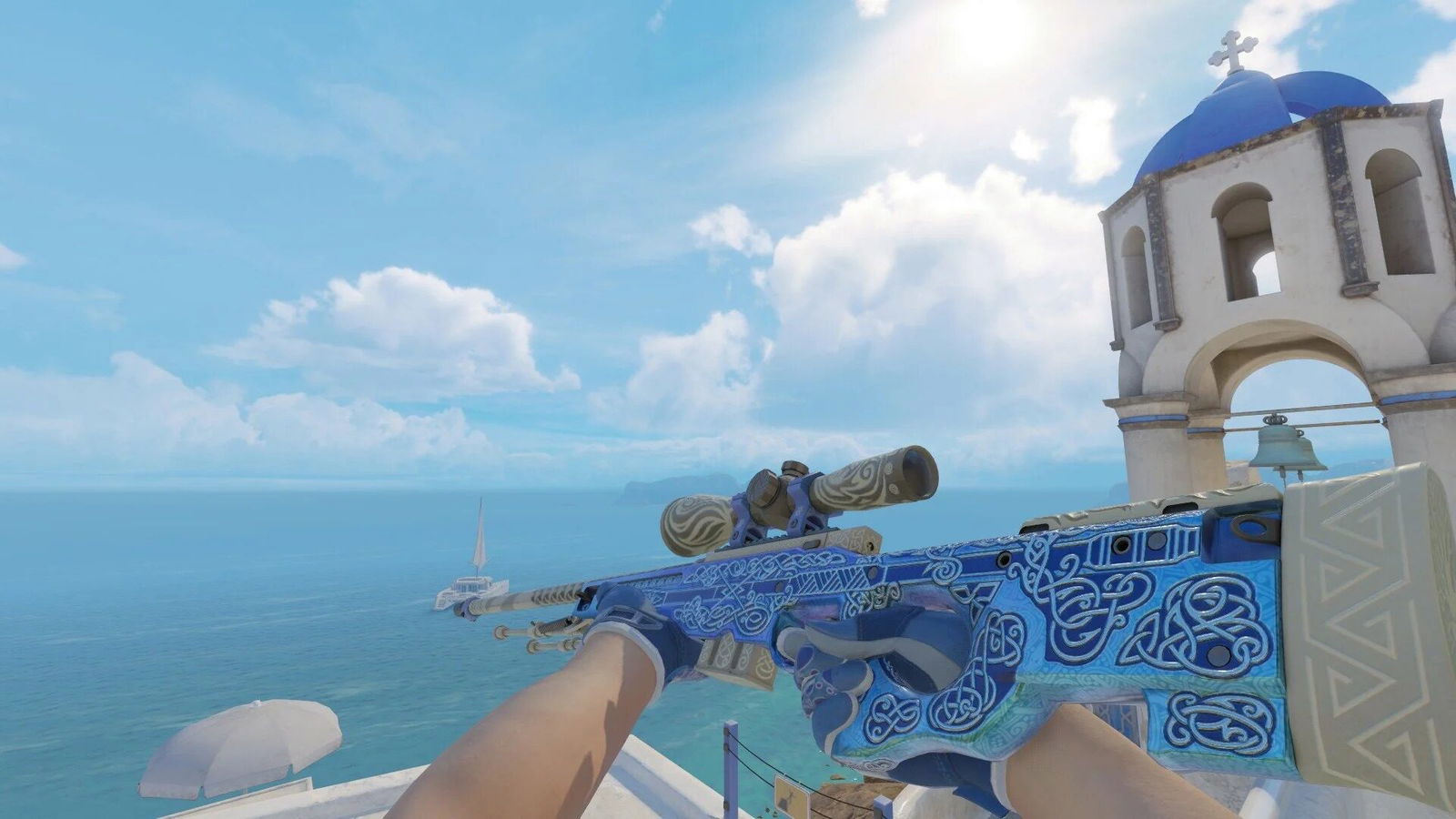
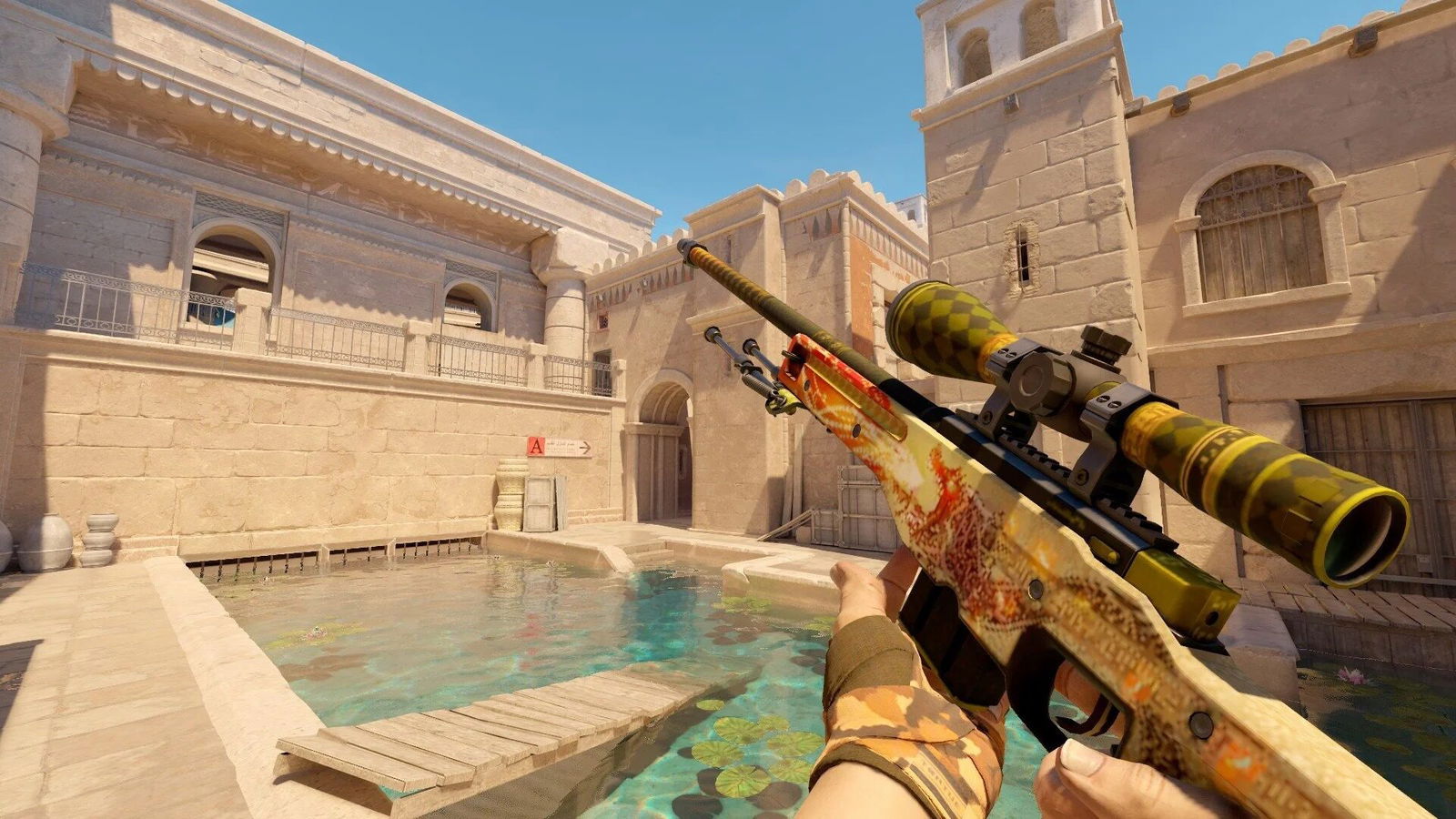
Some skins become symbols. Dragon Lore or Medusa are more than just skins; they’re status symbols. Players wear them to demonstrate their skill level, taste, and the size of their wallets. This demand is stable and unaffected by fashion. People pay for prestige, for the right to stand out. Even if a rifle shoots just as well with the Dragon Lore skin as without it, its price is determined by the status it bestows on its owner.
The Impact of Details on the Price of an AWP Skin: Condition and Stickers
A Factory New skin can double its value compared to a worn-out version. For example, the price of an AWP | Atheris in Factory New quality is about $19, while in Battle-Scarred quality it is only about $3.60. But the real hype comes from the stickers. An autograph from a professional player, a sticker from a legendary tournament and an ordinary rifle become unique. Haggling between collectors ensues. The price skyrockets because it’s no longer a skin that’s being sold, but a story. The more unique the story, the higher the willingness to pay.
Market Speculation and the Price of AWP Skins
Skin prices aren’t just influenced by players. Some people buy skins not for the game, but for resale. They follow trends, buy up promising skins, and create an artificial shortage. They then sell them at a higher price. Their actions influence the market, causing sharp fluctuations. Game updates, new trading rules, and even exchange rates also influence skin prices. This makes the market volatile and unpredictable.
How to Choose an AWP Skin to Buy?
When choosing an AWP skin, the most important thing is not to give in to your first impulse. Start by deciding why you want it. If the goal is purely in-game aesthetics, make sure the design genuinely appeals to you. Price matters less in that case. What counts most is the enjoyment you get from seeing it in your hands during play.
If you’re thinking about the skin’s future price and profitability, it’s more complicated. The first thing experienced skinners look at is its collection. If a case no longer drops, the price is likely to rise over time, especially if the game is still active. Look at the rarity: red (Covert) and pink (Classified) skins are the strongest foundation.
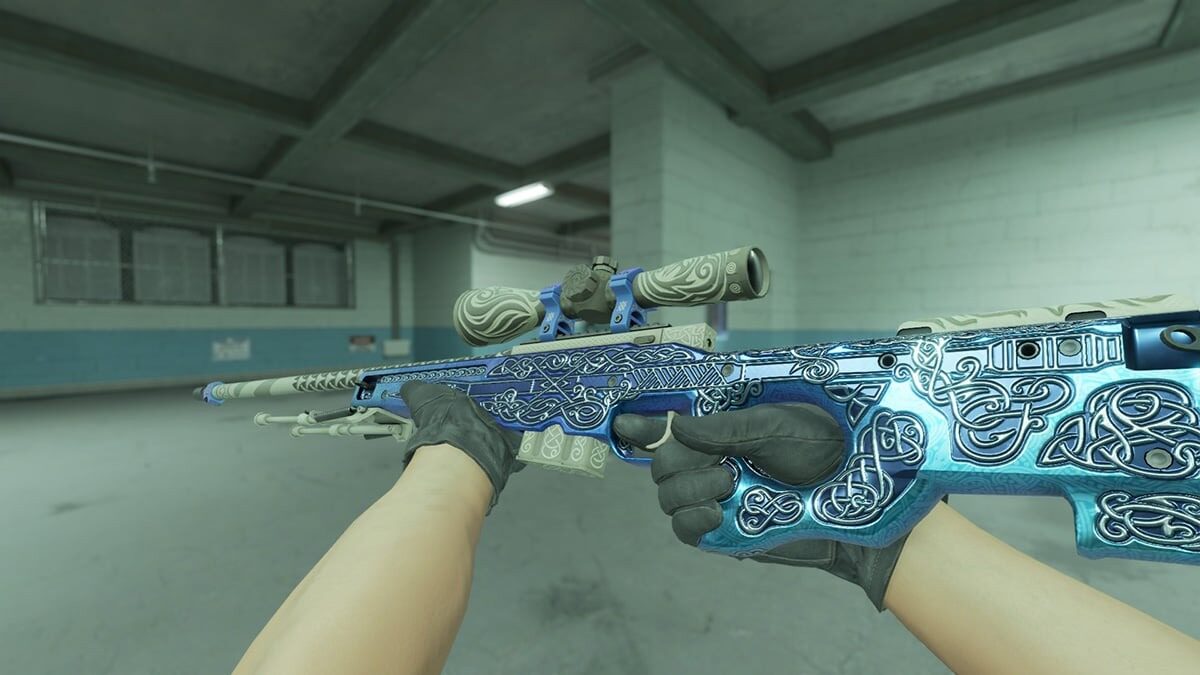
Second, consider the condition and float value. A worn Battle-Scarred skin is a bad idea; it’s difficult to sell. Field-Tested is the minimum acceptable condition, and Minimal Wear is ideal. There’s a price difference, but there’s also a huge demand for it. The better the condition, the faster you’ll find a buyer.
Third, don’t get caught up in the hype. If all the streamers suddenly started playing the same AWP, its price is at its highest. Buying now means overpaying.
Conclusion
Demand for AWP skins is a mixture of excitement, fashion, and prudence. The price is determined by the intersection of rarity, online popularity, and the desire to be first. A virtual item is worth exactly what someone who really wants it is willing to pay for it. The law is simple: if there’s a lot of demand but only a few can afford it, the price soars.