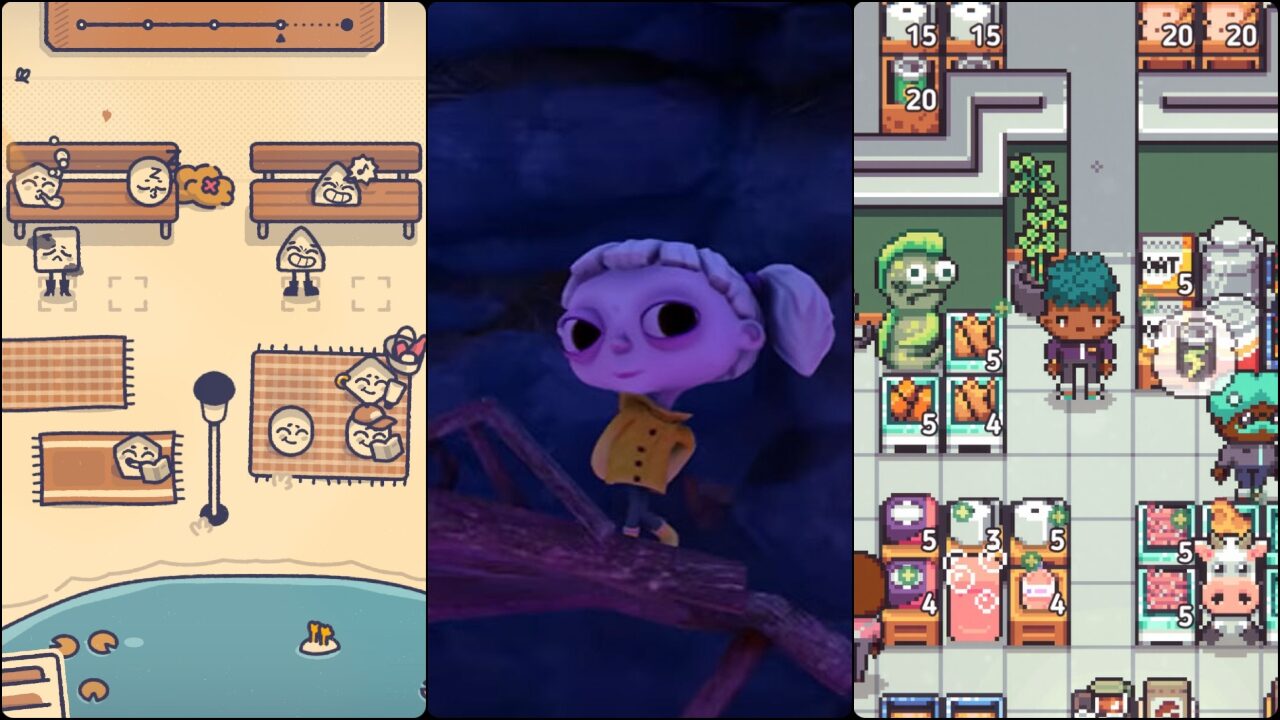
The gaming industry has witnessed a quiet revolution over the past decade. While major publishers pour hundreds of millions into blockbuster releases, indie studios have carved out a space where narrative innovation thrives. These smaller teams are producing some of the most emotionally resonant and creatively ambitious interactive experiences available today, often outpacing their larger competitors in ways that matter most to players.
The Creative Freedom Advantage
Independent developers operate without the constraints that typically govern major studio productions. AAA publishers answer to shareholders, marketing departments, and risk-averse executive boards. Every design decision passes through multiple approval layers, each one potentially diluting the original creative vision. Indie teams face their own pressures, certainly, but they maintain something invaluable: control over their artistic direction.
This autonomy allows smaller studios to tackle subjects and themes that big publishers routinely avoid. Mental health, grief, identity, and moral ambiguity feature prominently in indie narratives. The willingness to explore uncomfortable territory has produced works that resonate on a deeper level than many big-budget alternatives. Players increasingly seek experiences that challenge them emotionally rather than simply entertain them mechanically.
Immersion Beyond Graphics
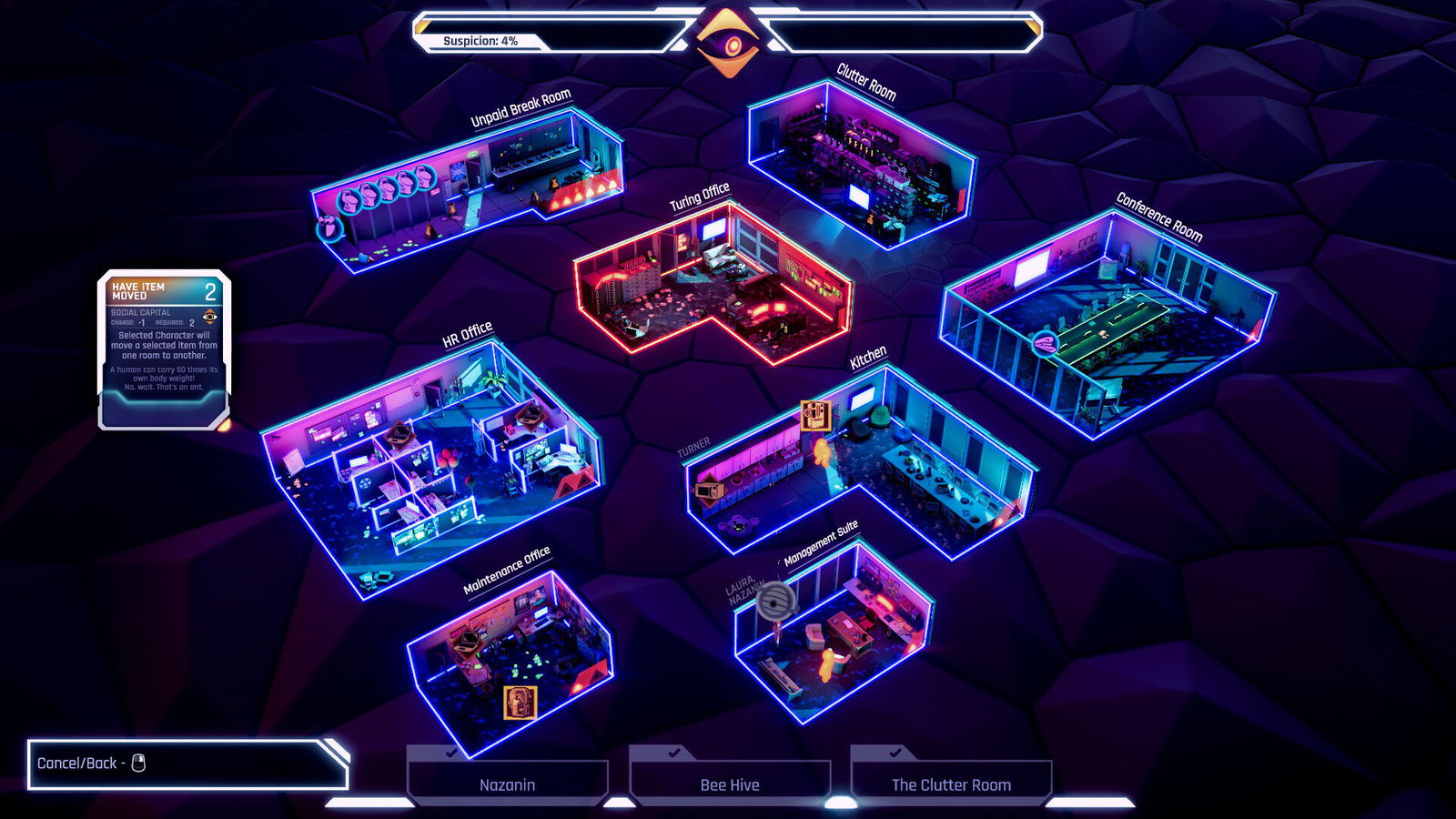
The digital services sector has broadened significantly in recent years. Users now engage with interactive experiences across multiple platforms, from narrative-driven applications to various online services. Live casino at BetMGM UK and similar interactive digital services demonstrate how design principles focused on user engagement and atmosphere have become standard across the industry. What unites these varied digital experiences is a focus on immersion, the feeling of being present within a crafted environment where interactions feel meaningful and immediate.
Indie game studios understand that immersion does not require photorealistic graphics or celebrity voice actors. Atmosphere emerges from cohesive design, thoughtful pacing, and attention to detail. A hand-drawn art style can convey emotion more effectively than motion-captured performances when executed with purpose. Small teams often consist of people who have worked together for years, developing a shared aesthetic language that permeates every aspect of their work.
Financial Realities and Creative Risks
The economics of independent development differ fundamentally from AAA production. A small studio might operate on a budget that a major publisher spends on marketing alone. These financial limitations force creative problem-solving. Developers learn to do more with less, finding innovative ways to convey narrative information without expensive cutscenes or elaborate set pieces.
Lower budgets paradoxically enable greater risk-taking. When a project costs millions rather than hundreds of millions, experimental mechanics and unconventional stories become viable. Failure, while still painful, does not threaten the existence of parent companies or result in mass layoffs. This safety net allows developers to pursue genuinely original ideas rather than iterating on proven formulas. For many indie teams, securing a release for major consoles like Sony PlayStation represents validation of their creative vision, a milestone that once seemed reserved exclusively for established studios with substantial backing.
Player Agency and Meaningful Choice
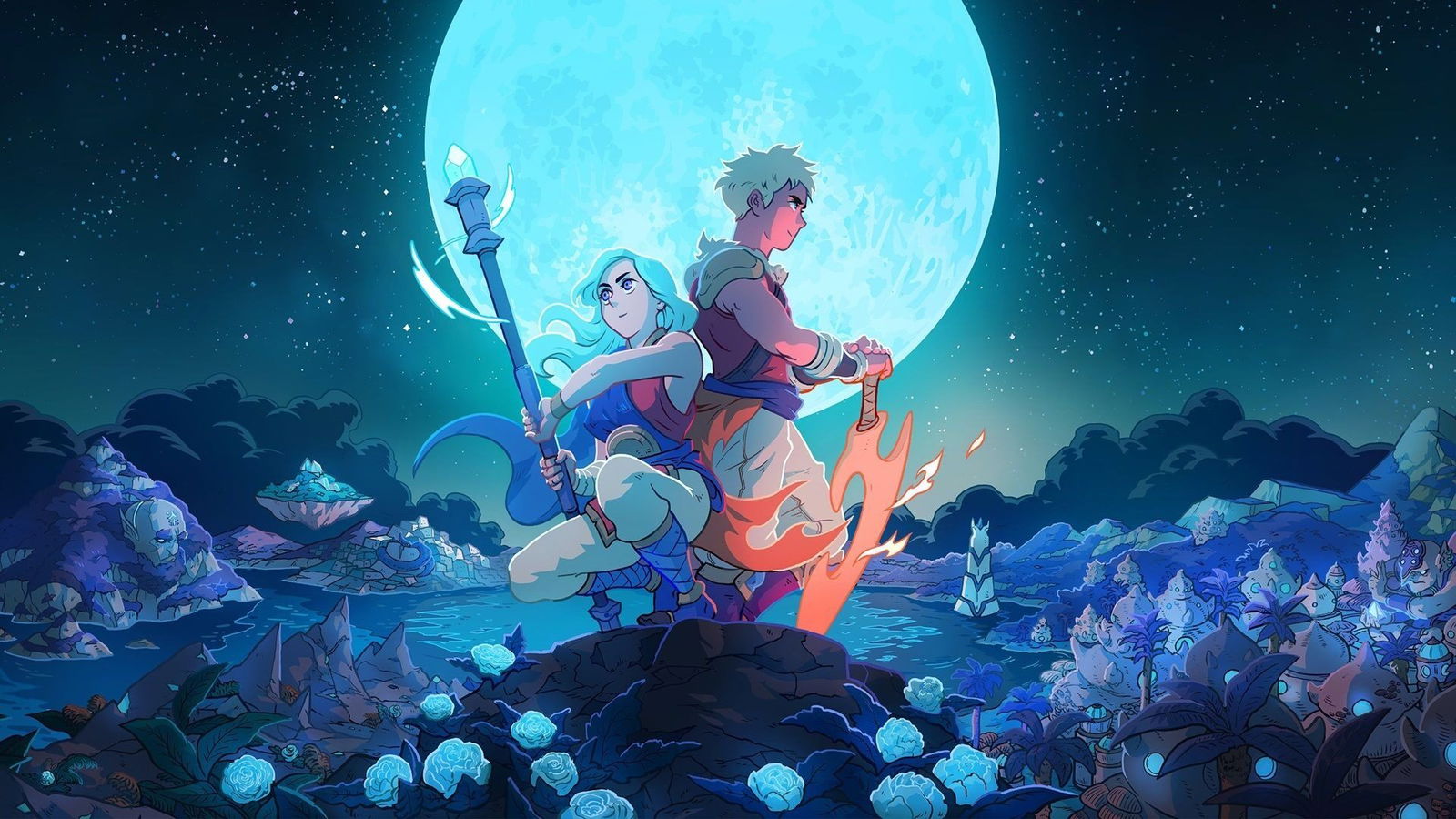
Modern audiences have grown sophisticated in their understanding of interactive narrative. They recognize the difference between genuine choice and the illusion of agency. Many AAA games offer branching paths that ultimately converge on the same conclusion, giving players the appearance of control without its substance. Independent developers, working with smaller scopes, can craft experiences where decisions carry real weight.
The best indie narratives integrate choice into their core design rather than treating it as a superficial layer. Players make decisions based on incomplete information, face consequences that emerge organically from their actions, and live with outcomes that feel earned rather than arbitrary.
Sustainability and Future Trajectories
The independent development scene faces its own challenges. Visibility remains difficult in an oversaturated market. Many talented teams struggle to break through the noise, regardless of their work. Success stories inspire new developers, but sustainability requires more than artistic vision.
Looking forward, the distinction between indie and AAA may blur further. Some independent studios grow into mid-sized companies, while major publishers occasionally greenlight smaller experimental projects. The real question is whether creative freedom and narrative ambition can scale, or if they remain fundamentally tied to the constraints and flexibility that define independent development at its best.