

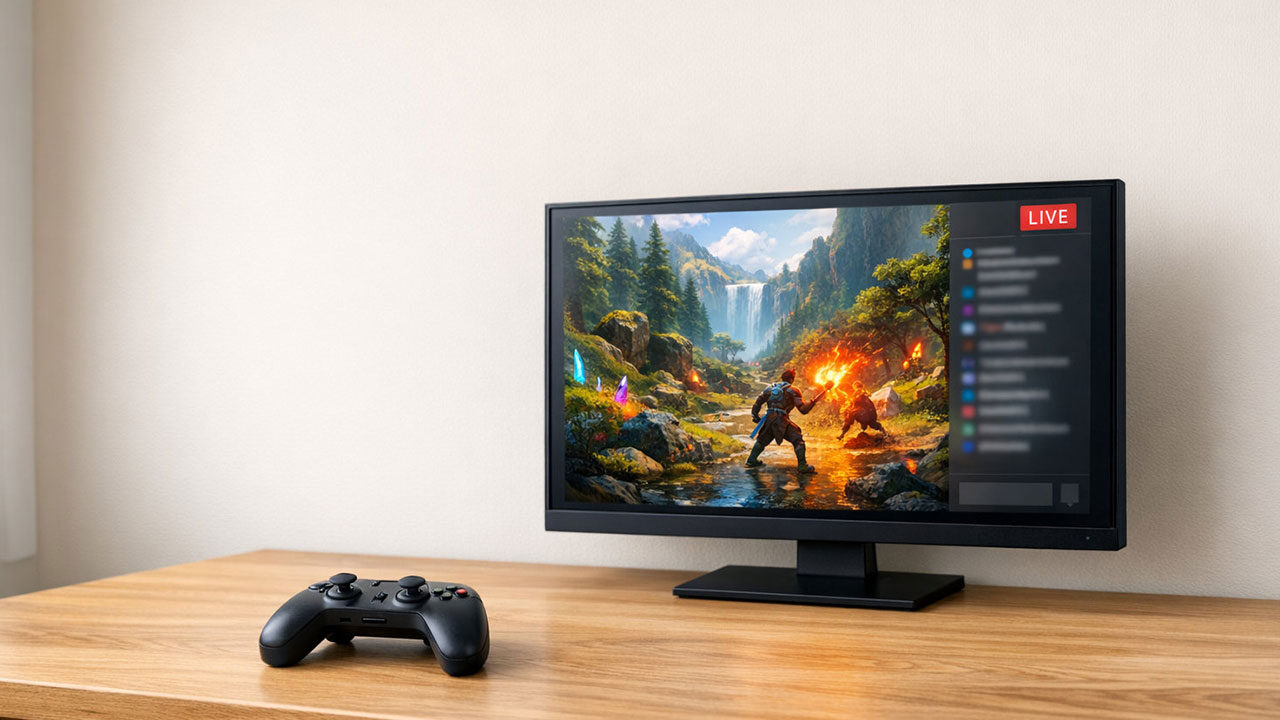
Streaming platforms have transformed how players encounter and evaluate new games, bypassing traditional advertising and reshaping community influence. Real-time gameplay, creator recommendations, and interactive communities now drive discovery and purchase decisions for an ever-growing audience. As publishers adapt, the landscape of game discovery balances increased transparency with fresh challenges around hype and influence.
Game discovery has shifted away from the era of store displays and print reviews, with players now searching out new experiences through creator-led content and interactive streams. In the current landscape, social feeds and dedicated communities often shape which games reach your radar, turning everyday recommendations into a powerful force. Platforms dedicated to livestreaming and video content display gameplay in real time, offering you a direct look at mechanics and engagement before making a decision. This immediate access to outcomes, similar to how quickly lottery results present information, is now a crucial part of evaluating new releases. Understanding this change is important for enthusiasts and industry insiders who want to keep pace with evolving gaming habits.
Live streaming and video redefine hands-on discovery

Livestreams and long-form video have reduced the mystery around new releases, providing active demonstrations of gameplay and mechanics. Instead of trusting edited trailers or conventional reviews, you can watch a game being played in real time, seeing how systems function and how developers intend their experiences to unfold.
This transparency gives you a sense of pacing, difficulty, and atmosphere that static preview content cannot match. For many players, watching creators navigate tough levels or explore hidden features is more informative than reading a summary or critique, helping you judge whether a title suits your tastes.
Recommendation systems, trending feeds, and short clips
Recommendation algorithms now serve as the front page for many platforms, surfacing both blockbuster titles and smaller, lesser-known releases. Trending lists and personalized feeds ensure that what rises to the top is often shaped by audience engagement and the momentum of live communities.
Short-form highlights and reaction clips have also gained popularity, distilling complex gameplay into easily shareable moments. In this environment, creators can amplify interest in niche titles, meaning that discovery is increasingly decentralized rather than dictated by publishers alone.
Social communities and their impact on multiplayer trends

Interactive communities, from public chat rooms to private Discord servers, have become driving factors in how games are introduced and adopted. Viewers discuss mechanics, share strategies, and react to live events together, creating a sense of belonging around games both large and small.
Multiplayer and co-op games tend to benefit most, as players are drawn to titles already embraced by their social groups. In this dynamic, the line between spectator and participant blurs, with community buzz often propelling games to notable success just as much as direct marketing efforts.
Industry marketing strategies and design responses evolve
Publishers now cater to streaming audiences with tailored approaches, strategically timing embargoes and demo drops to coincide with peak viewership. Many developers add features that support streamers, such as custom overlays or enhanced spectator modes, to boost shareability and community engagement.
“Watchable” design is increasingly considered, resulting in games that are not only fun to play but compelling to observe. This shift has consequences for presentation, pacing, and even the types of genres that receive more focused development resources as studios work to capture attention in an increasingly visual marketplace.
As streaming platforms continue to shape the way new games are discovered, questions remain about long-term impact on both players and the industry. While the benefits of direct engagement and broader access are clear, there is also the risk of hype cycles overshadowing nuance, or spoiler-heavy content diminishing surprise for some players.
Going forward, the integration of interactive streams and creator-driven tools points to a landscape where you play an active role in curation. This evolution places player experience at the center, challenging the industry to innovate in how games are presented and discovered without losing sight of what makes gaming meaningful.