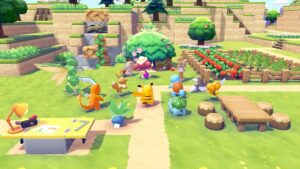

Indie games have become the new face of the gaming world in recent years, as a wave of indie games has emerged as the centre of attention in a market previously dominated by major studios and franchises. This revolution is not merely a fad but an indication of a radical shift in how games are developed, sold, and played.
This article discusses how small indie titles are transforming the way people interact with games, how these games resonate with players, and what their increasing popularity as a form of entertainment will mean to the future of the gaming industry.
What is engagement, and why is it important?
The concept of player engagement has become a key one for modern game designers. This is not only the number of hours spent in the game, but also the depth of emotional involvement, repeated visits, a sense of connection with the world, and a sense of the significance of each action. If once players were content with a long storyline or beautiful graphics, now they want active participation, continuous feedback, and personal involvement in the gameplay.
Scientific research confirms that the player’s emotional response and affective user-centred design directly increase the level of immersion and motivation to continue playing the game. Indie games, due to their flexibility, often use these elements more effectively than large studios, focusing on what makes the game sensitive to user actions.
What indies have learned from old media formats
One of the important features of the involved gaming experience is the use of short action and reward cycles. These micro-cycles create a sense of constant movement: every step, even a small one, brings a response that motivates the player to move on.
When we talk about such mechanics, people often think of arcade machines, card games, or even formats used in digital entertainment – they created rapid cycles of interaction: action – response – small success – repeat. It is in this format that the secret of engagement lies: the player sees the result immediately, and this reinforces the desire to continue.
The same principles are usually applied to digital interfaces and reward systems, where the speed of response, an aspect of unpredictability, and a well-organized anticipation of outcome are significant. These mechanics can be observed in an extremely diverse range of online experience forms, including projects that often end up on a list of US online casinos, and the user is captivated in a thoughtful rhythm of interaction and emotional impact.
Many classic indie games are also played with these micro-loops. For example:
- automatic reward for little progress, stimulating continuation;
- brief missions or challenges, after which the player gets a noticeable result;
- pumping systems where every action feels meaningful.
These elements make the experience deeper than just “going through content”: they turn every gaming session into a small journey full of emotional outbursts and instant feedback — and this is what distinguishes indie projects from mass-produced products with long, linear structures.
Simplicity as a new standard of engagement
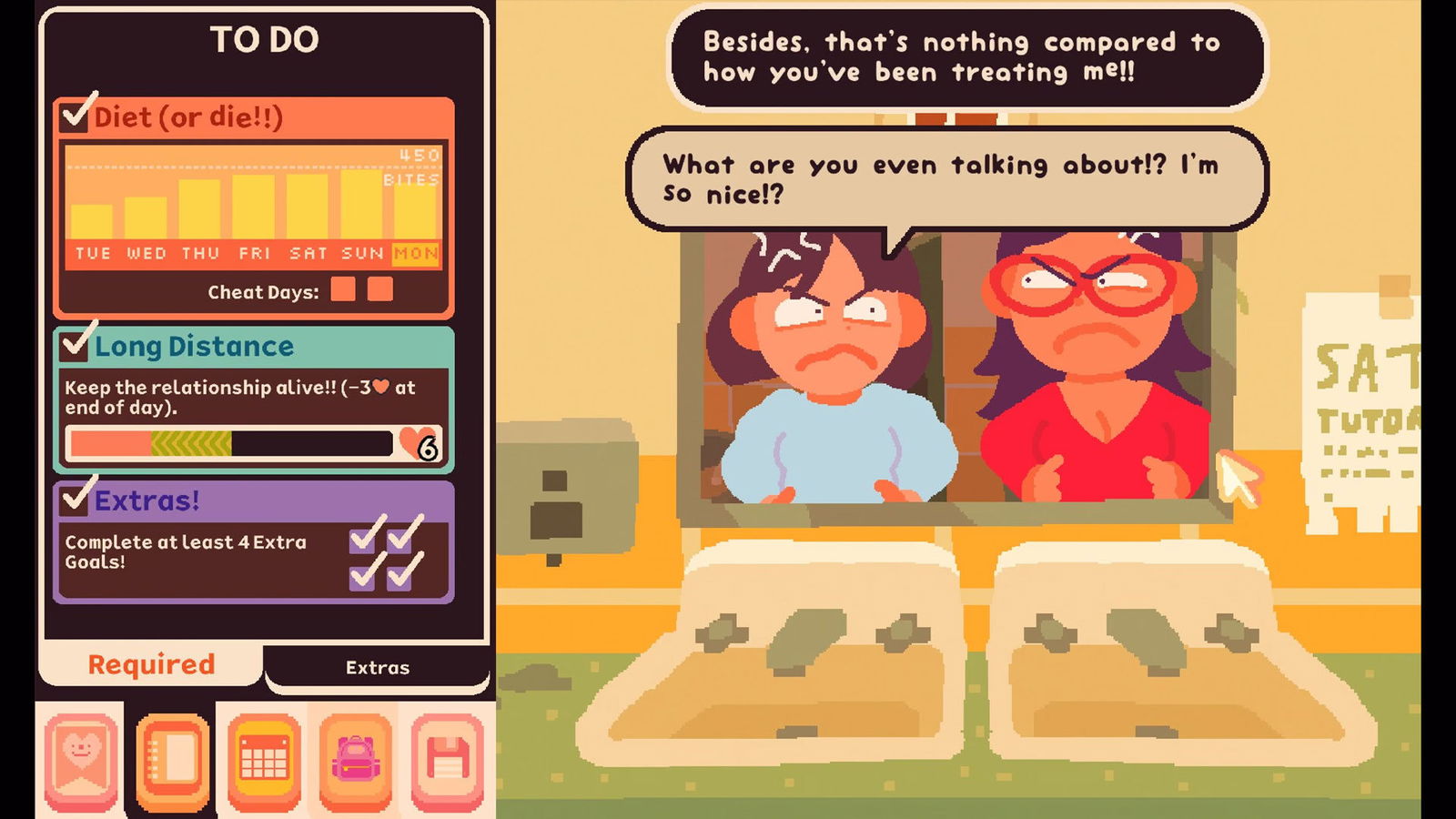
Indie games usually do not attempt to impress with graphics or a complicated system of quests. Instead, they make the look less complicated and only leave that which is significant towards the experience: interaction with the world, response to the actions of the player, and atmosphere. It may be a visually minimalist platform, a warm pixel stylization, or a distinctive form of art – it does not really matter, as long as the world is alive and receptive.
It is a strategy that makes games more accessible, and concurrently, it is more emotionally impactful. Players do not care about kilometres of content; it is more the feeling of every moment: a reaction to an action, a little bit of plot, or a surprise that you will remember.
The player as a partner: communities, feedback, iterations
The other feature that has made indie projects appealing is the face-to-face communication between the creators and the audience. In contrast to the large studios where the feedback process is often filtered by the marketing and PR, small teams can communicate with the community directly, using forums, Discord, and social networks. This gives the feeling of belonging: the players understand that their ideas are considered, and updates are released, considering the feedback.
This approach not only strengthens the emotional connection but also makes the game adaptive to the expectations of the community – the players listen to the developers, and the developers listen to the players.
A new standard of engagement
Today, the industry understands that engagement is not about the hours spent in content, but about the quality of interaction. Indie games teach us what players value:
- fast feedback and tangible progress;
- emotional responsiveness of the game world;
- personal involvement in the development of the project;
- the feeling that every action means something.
These principles are already flowing into the design of large projects, social applications, and even educational platforms. Indie projects don’t just entertain, they form a new language of interaction between humans and digital experiences.
The Future is indie
Games that make you feel, think, and go back and back again are made by small studios, which are not dependent on the budget and how to market their games to the audience. Their impact is slowly reaching the whole business, and we need to rethink the methods of design, monetization, and communication with the audience.
What began as an experiment is now a source of change, and to see where gaming culture is going, we must closely consider the very indie projects that can also educate us on the new means of interacting.