

Making a new, original video game IP is terrifyingly hard. In an industry that loves a sure thing, betting big on a world nobody has seen before takes guts and a whole lot of cash. But LightSpeed Studios isn’t leaving it to chance.
At the GDC Festival of Gaming 2026 this week, the developer pulled back the curtain on the next phase of their “Original IP Initiative.” And honestly? In lieu of a usual “we’re making a game” announcement, they’re showing us progress. They’ve built a creative and technical framework designed specifically to cook up high-quality, cinematic blockbuster games from scratch.
And they’ve brought in some heavy hitters to run it.
The “90:10” Rule That Makes Worlds Tick
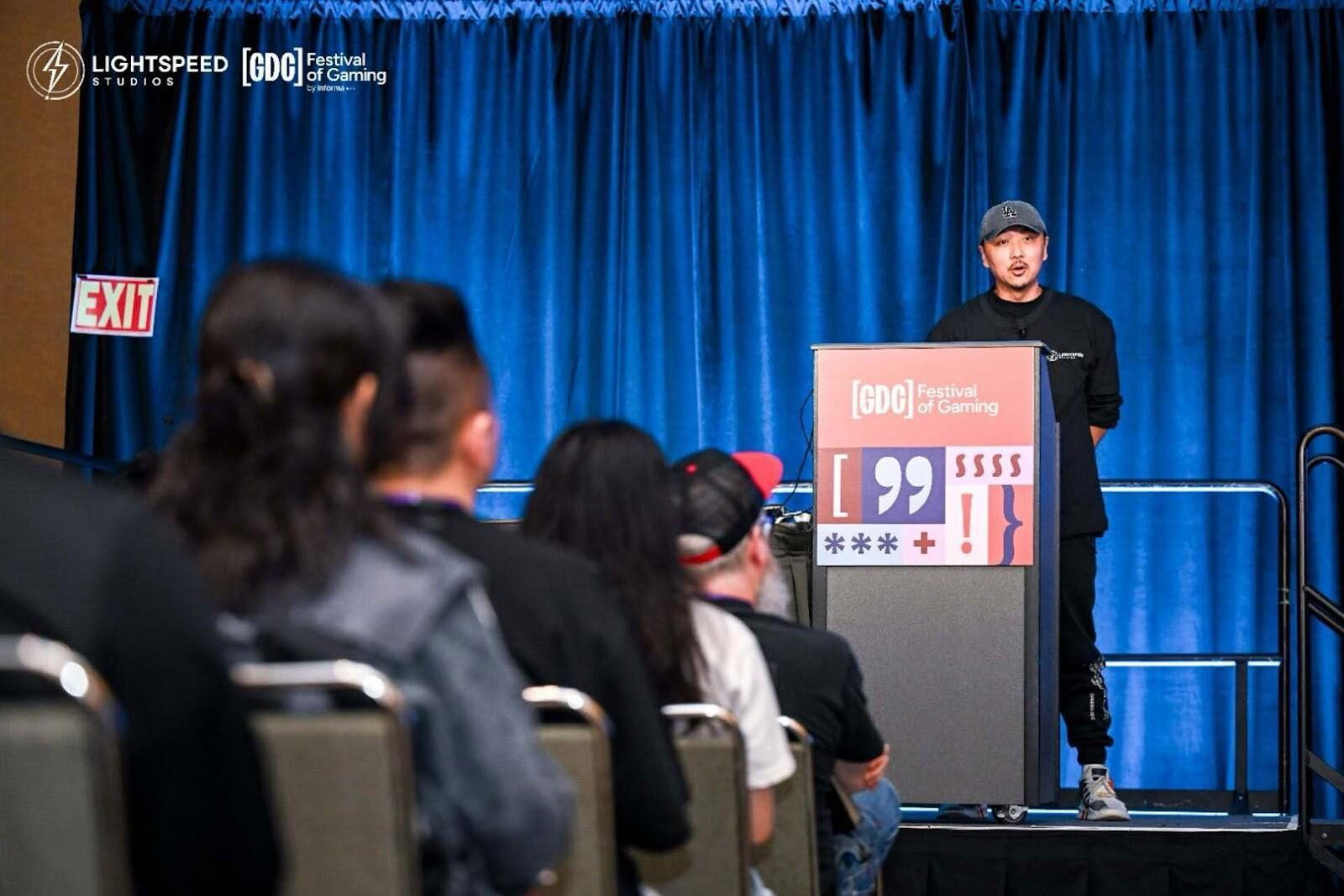
If you’re going to build a new universe, you need a vision. That’s where new Creative Director Feng Zhu comes in. During his GDC session, Zhu broke down the studio’s philosophy for making games that feel both grounded and extraordinary. He calls it the “90:10 Balance.”
Here’s how it works:
90% Reality: The bulk of a game’s world is built on a foundation we can all recognize. Think of authentic locations, real historical context, and proportions that make sense. It feels like a place you could visit. It’s believable.
10% Magic: That final ten percent is where the creative team goes wild. This is the layer where they bend reality, crank up the narrative tension, and inject the weird, wonderful, or unique gameplay hooks that make a game stick in your brain.
It’s a smart way to work. By grounding the player in the familiar, the fantastical elements hit way harder. You’re not just building a weird world for the sake of it; you’re building a relatable world with a twist.
“Creating IP isn’t only about art, but about a deeper understanding,” Zhu explained. And that understanding is already being poured into LightSpeed Studios’ future high-end game titles, which promises to bring some fresh cultural narratives to our consoles.
The Tech Lab: Where Motion Capture Gets Wild
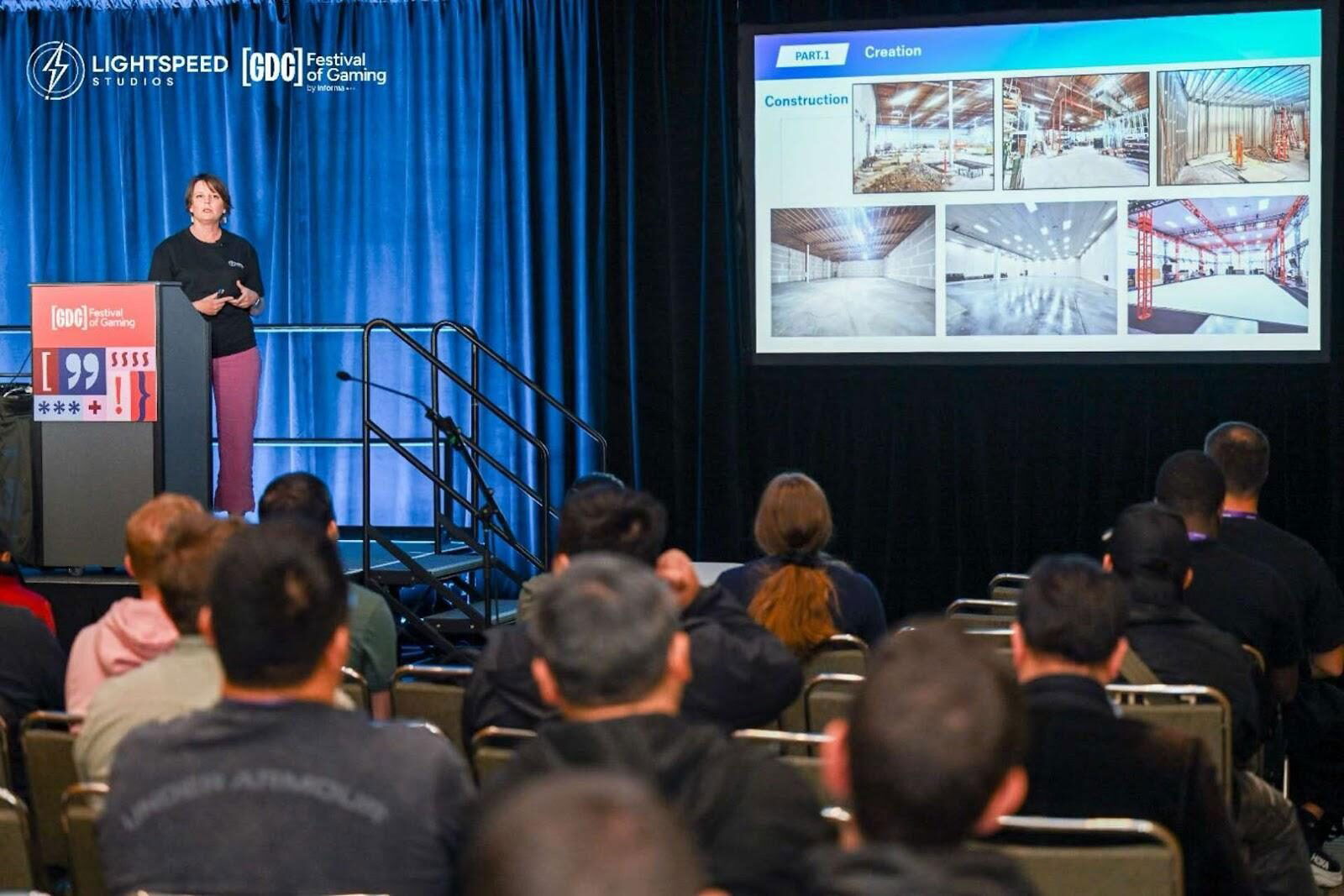
Of course, a cool world on paper needs to move and breathe like the real thing. That’s where the second pillar of this initiative comes in: LightSpeed Mocap LA.
This isn’t just a warehouse with some cameras on tripods. It’s a state-of-the-art facility built from the ground up, led by industry vet Kristin Gallagher. And if you think motion capture is just actors in pyjamas pretending to be trees, think again.
Gallagher’s team is solving problems that would make most devs’ heads spin. They’ve engineered a custom API to manage the prodigious amount of data these shoots create, making the whole pipeline smoother and faster. But the real bragging rights come from the complexity of the shoots themselves.
“We’ve taken on stunt sequences that rank among the most complex I’ve encountered in my 20 years working in motion capture,” Gallagher said.
We’re talking about scenes where a single hero actor is surrounded by thirteen other mocap performers, all moving in close proximity, and the Vicon camera system keeps them perfectly isolated. Or shoots involving seven performance capture actors, some with double microphones, some with head-cams, all working simultaneously. It’s less like a game studio and more like a high-octane movie set.
So, What Does This All Mean?
For players, it means the games coming out of LIGHTSPEED in the next few years are going to have a specific feel. They’re aiming for a blend of cinematic authenticity and bold, creative vision that you can’t just fake.
By combining a structured creative process (Zhu’s 90:10 framework) with bleeding-edge tech (Gallagher’s mocap wizardry), LIGHTSPEED is setting itself up to be a serious player in the original IP space. They aren’t just talking about making the next Last Sentinel; they’re building the factory to make a whole line of them.
We’ll be keeping a close eye on what comes out of this shiny new machine. If the tech demos are anything to go by, the future of AAA gaming might look a little more original than we thought.