
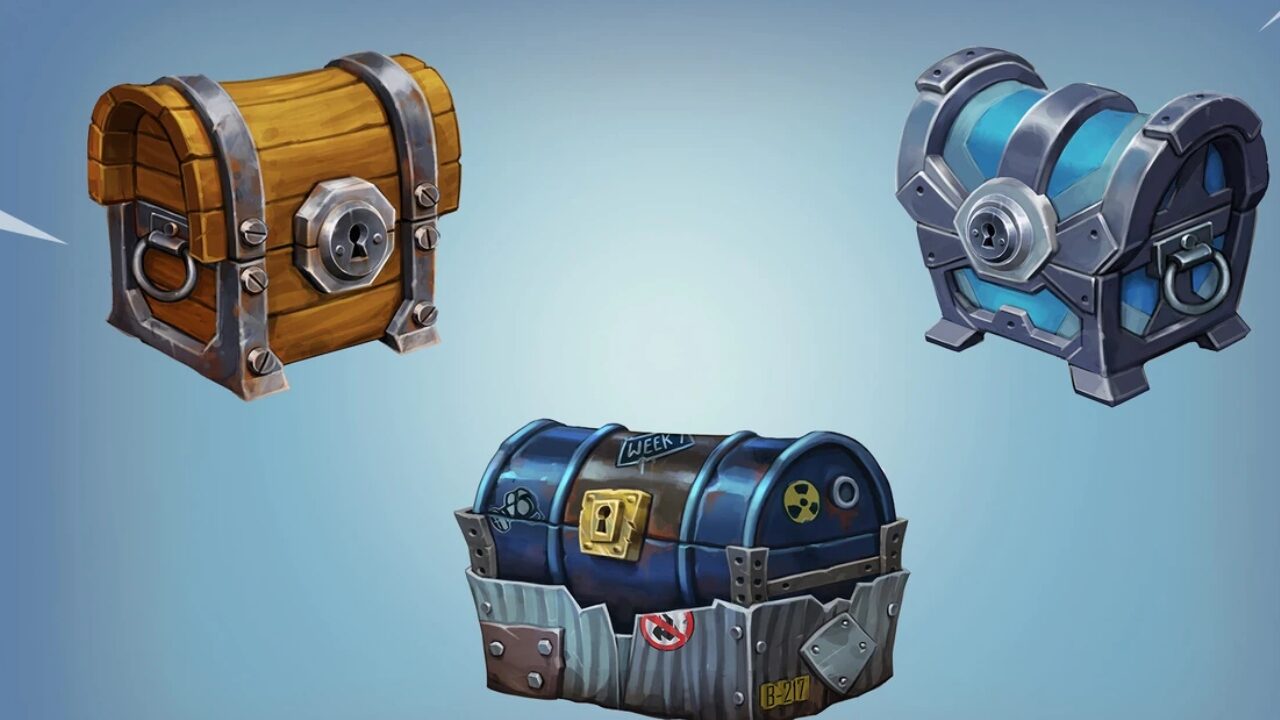
The developers of modern, independent games face their own unique set of pressures. What they don’t have to contend with, though, is a baying mob of fans ready to criticize any minor inconsistency or a posse of investors counting every penny of profit made by a new release.
There are challenges, of course, such as the lack of money for development and the difficulty in garnering publicity for a release. These constraints, however, have forced developers to think outside the box and come up with unique and fascinating ways to tantalize the senses of players, reward and attract the attention of reviewers.
In this article, we take a look at the most effective and important mechanic harnessed by modern game developers – reward loops. We look at the origins of this mechanic and how it has helped games before spreading to the wider gaming ecosystem in general.
Reward Loops: What they are and where they come from
It was first established in the mid-20th century, following an experiment on rats, that upon the completion of a pleasurable act, the brain of mammals (including humans) releases a chemical known as dopamine.
This slow and measured release of dopamine is a concept that every major commercial organization on the planet is aware of, with companies such as TikTok and Instagram basing their business models on producing just the right amount of dopamine to keep their users engaged for as long as possible.
Reward Loops Pre-Definition
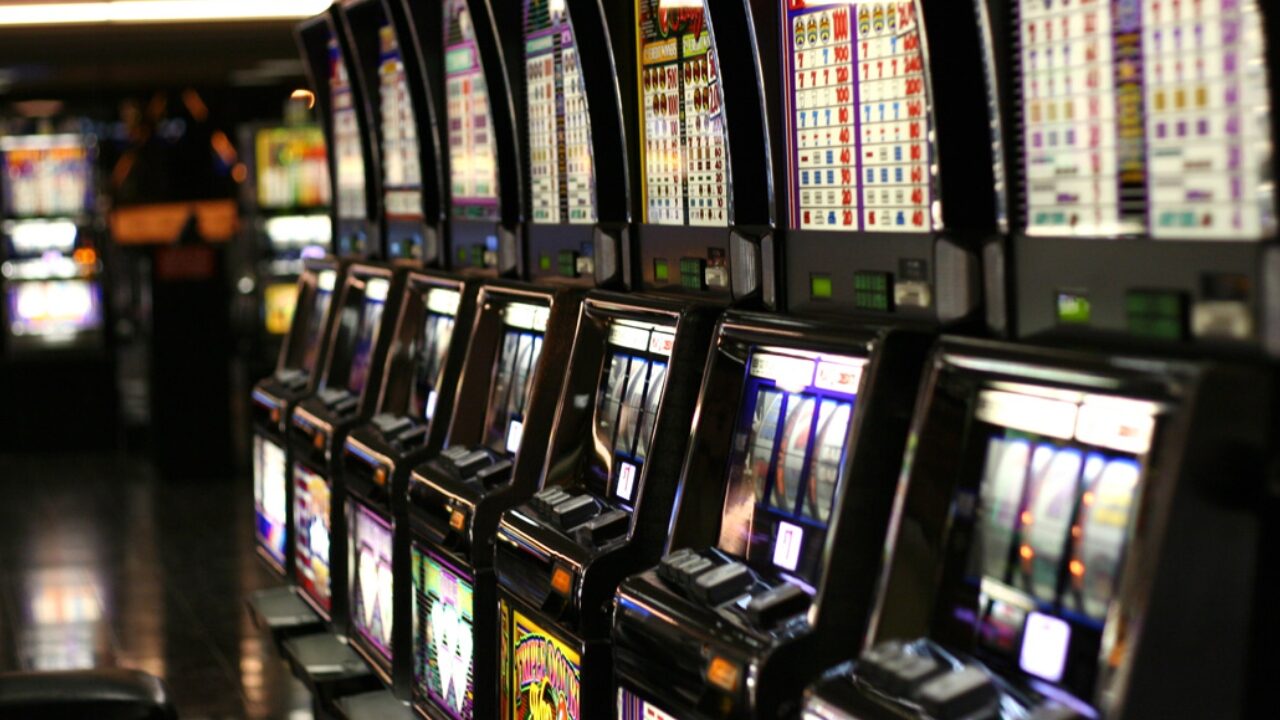
Before the studies of the mid-20th century categorized this mechanism and explained it, there were industries that were already aware of it and using it for their own ends. In the late 19th century, the world’s first slot machine was created and released by a German immigrant in San Francisco.
Over the course of the next 50 years, before dopamine experimentation, slot machines, which gave users small and regular hits of dopamine, became the dominant force in the global gambling industry, with the terminals vastly outnumbering other table games. It’s a legacy that lives on today, with many websites seeing the majority of their traffic come from people who are keen to play slots online in Canada, while hunting for the best possible provider.
Reward Loops in Gaming
Whilst reward loops were known and understood before the 1950s, it wasn’t until the beginning of this century, when the proliferation of the internet made the sharing of concepts and ideas easier, that other industries began to look into the impact of reward loops.
One of the first to really take notice was the independent gaming sector, which, by necessity, was forced to think differently than its richer and more established counterparts. Titles such as Spelunky, Terraria and Fez featured loot-style reward loops that kept players engaged for longer.
Quickly, a term emerged to describe the reward loop system pioneered by games. ‘Loot Boxes’ became a part of the modern gaming vernacular and soon came to the attention of major gaming titles.
Fortnite Revolution
The release of the free-to-play Battle Royale title Fortnite marked the beginning of the reward loop/loot box phenomenon in mainstream gaming. The success of this relatively basic title forced all of the world’s major development companies to stand up and take notice.
Within a couple of years, Call of Duty had released its own free-to-play Battle Royale title, Warzone, which, through a combination of great gaming mechanics and a global pandemic that forced everyone inside, became a worldwide phenomenon.
Now, loot boxes and reward loops are not just present in modern indie games and AAA titles, but everything in between, too. If you go to play a game on your mobile or just want to relax and play as the Toronto Raptors on NBA 2K26 you will be confronted with reward loops and loot boxes galore.