
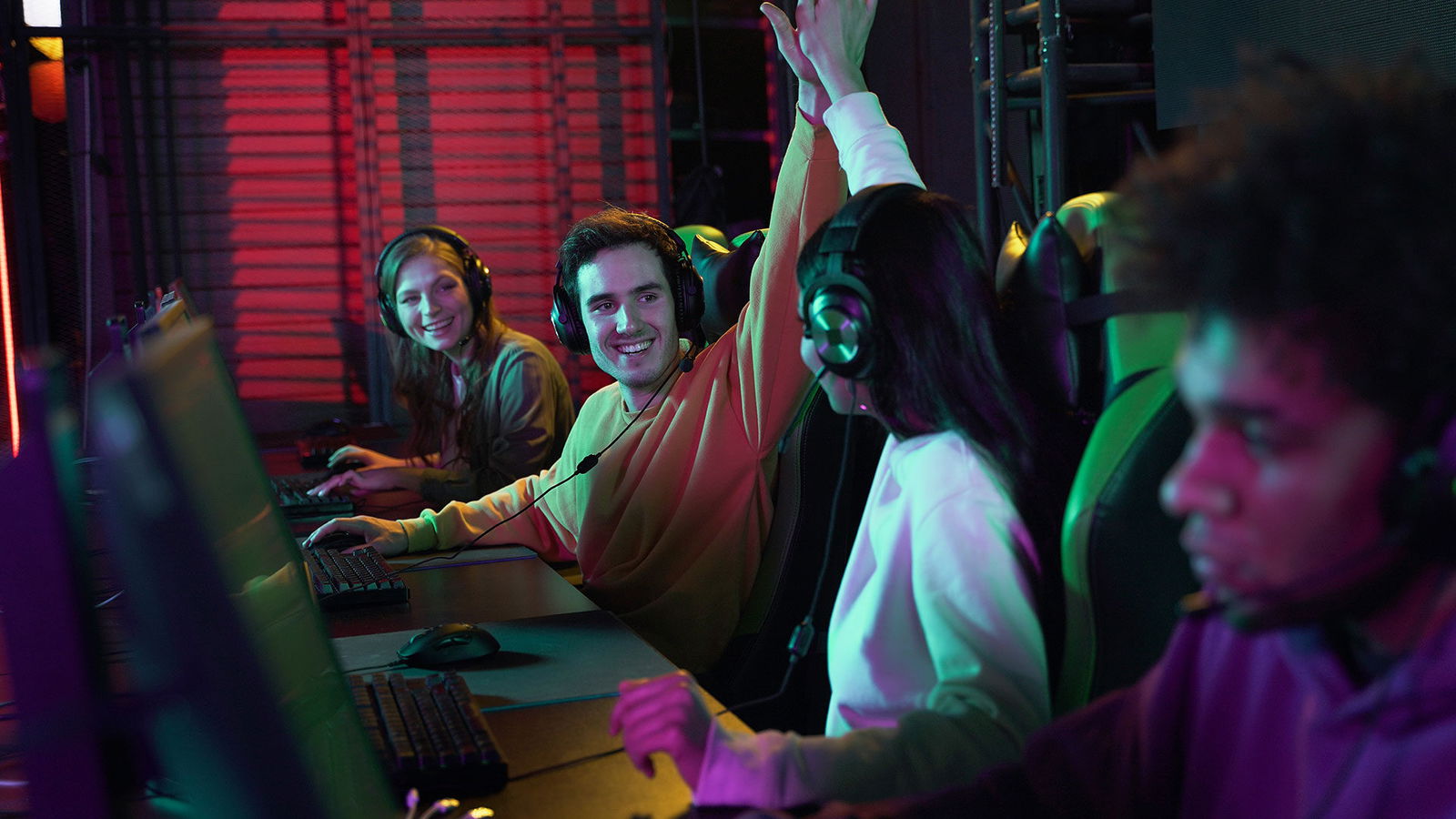
The pace of online gaming evolution has been tremendous — from single-player browser-based games to multiplayer immersive digital worlds. Online gaming is now an indubitable cornerstone of the entertainment industry and has fundamentally transformed how individuals engage with, consume, and learn digital content. As the advancement of technology continues to evolve, the impact of online gaming will continue to propel gaming to heights of modern entertainment that were inconceivable two decades ago.
The Transformation of Entertainment by Online Gaming
The integration of online gaming from a niche hobby to popular entertainment is unprecedented. The accessibility of online gaming is fueled by high-speed, mobile cloud technology that allows gamers to have access to thousands of games from their devices anywhere and at any time.
The entertainment industry has been reshaped by online gaming in the following significant ways:
- User accessibility: Real-time, collaborative, and competitive gaming is now possible for players from any geographical location around the world.
- Generated content: Players have the option of creating their own customized gaming experiences within many modern games.
- Gaming participation: Players are required to actively participate and make game-plan decisions, which is a stark contrast to other passive entertainment options.
- Platform interoperability: Seamless gaming is now a possible reality across mobile devices, browsers, desktop computers, and gaming consoles.
Gaming is and has become a growing digital ecosystem overflowing with narratives, protagonists, quests, and community.
Increasing Preference for Casual and Browser-Based Games
While top-tier competitive gaming brands take, dominate, and lead the esports world, the myriad of casual and browser-based gaming brands attract and entertain millions who enjoy easy, instant, and fault-free gaming. Browser-based gaming franchises, like PuzzleFree.Game continue to entertain users of all age demographics.
These games are an array of puzzle-based and brain-friendly games that target younger users, younger audiences, and adult audience members.
Several of the more casual gaming brands enjoyed massive global franchises, cited among casual gaming global audiences, users, and include and describe these:
- No hassle instant gaming access for users with zero downloads, installations, and upgrades.
- Gaming access over all demographics with its global gaming users with zero age and skill access.
- Zero-session gaming access over all demographics is a unique feature that makes these games perfect for taking short breaks.
- Ideal games for mental paralysis, refreshment gaming.
Present-day casual gaming brands and franchises showcase that one doesn’t have to be a complete gamer to enjoy gaming online.
Gaming Online As a Social Conduit
Online gaming’s ability to unite and connect its users is one of its unique features.
How Online Gaming Improves Socialization:
- Creating Transnational Friendships
- Cooperative Tactics
- In-Game Events and Celebratory Activities
- Communal Challenge and Achievement Participation
Gaming communities participate in socialization much like social media platforms among younger Canadians.
The Part of eSports in Contemporary Entertainment

Esports have become a multi-billion-dollar sector of entertainment. These organized events are comparable to traditional sports as they fill large venues and have cash prizes. They have become a major entertainment activity as they are streamed and have millions of viewers.
eSports impacts entertainment by:
- Professional broadcasting
- Advertising and sponsorship
- Gaming and social media Influence
- Career opportunities in gaming
Live Twitch and YouTube Gaming streaming enhances entertainment value by providing live commentary, interviews, and behind-the-scenes peeks.
Cognitive and Educational Benefits
Gaming has a reputation for being unproductive; in fact, many modern games are quite the opposite, particularly strategy, simulation, and puzzle games.
Benefits of online gaming are:
- Increased problem-solving
- Better focus and memory
- Enhanced strategic planning
- Increased hand-eye coordination
Games focus on logic to provide a mix of entertainment and learning to improve cognitive skills. These are particularly helpful for skill development.
The Economic Impact of Online Gaming
Over the last decade, the digital economy has seen a massive influx of online video games. These games can generate revenue through merchandise sales, content creation, game development, and in-game purchases. Video games are a huge contributor to the digital economy.
The most significant revenue stream includes:
- Subscription services
- Microtransactions and in-game purchasable content
- In-game digital advertising
- In-game digital marketplaces
Game developers are beginning to push the outer limits of entertainment and continue to develop products featuring AR, VR and AI.
Conclusion
The online video gaming industry is a massive entry point into online gaming. Video games now offer a huge range of entertainment services, from competitive and gamified experiences to a multitude of options in games featuring casual and competitive pieces. Video games have the ability to unite people and players, cultivate a collective skill, and influence digital culture. Video games are a stimulator of the digital economy culture.
Selling digital products online is a huge stimulator of the digital economy and offers people and players a competitive and gamified experience in a casual and competitive mass. Gaming technology is expanding online digital entertainment, and the value of gaming technology will further online digital entertainment for years.