

Whether you’re a seasoned collector or just starting to build your first deck, storing your cards properly is as important as finding them. The wrong binder can scratch, warp, or even permanently damage cards worth hundreds, sometimes thousands, of dollars. This guide walks you through everything you need to know before buying a Pokemon Card Binder.
Pokémon cards are more than just game pieces. For many collectors, they represent years of dedication, real money spent, and a genuine passion for the hobby. A first-edition holographic in Mint condition can be worth significantly more than the same card in Poor condition, and the difference often comes down to how it was stored. Humidity, UV exposure, pressure, and poor-quality materials are all silent threats that most beginners overlook until it’s too late.
A quality binder does more than keep cards organized. It actively protects them from environmental damage, prevents sleeve wear, and makes grading or trading far easier down the line. Before you pick one up, here’s what you need to know.
1. Pocket Type and Loading Direction
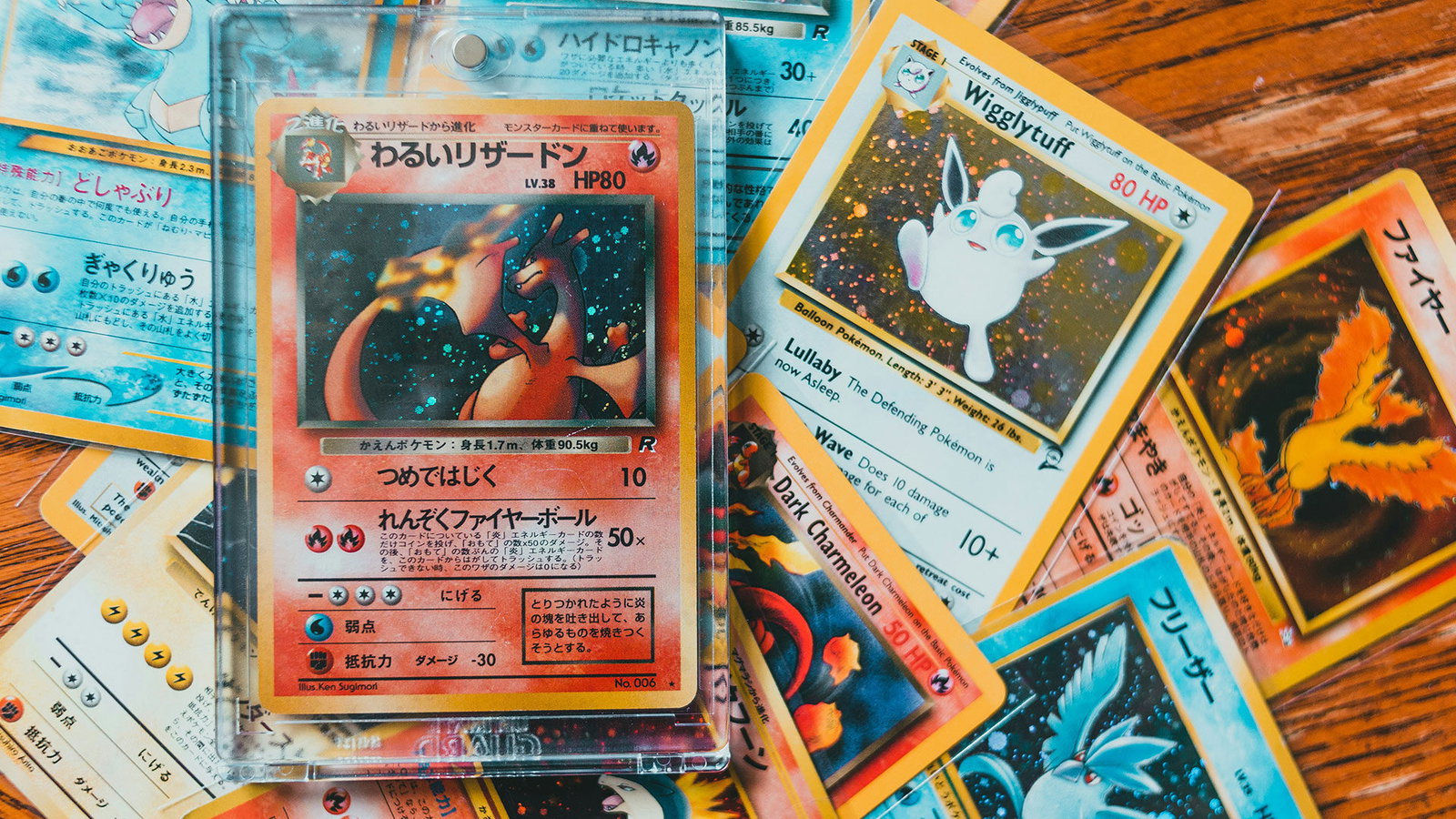
This is one of the most critical decisions you will make as a collector. Top-loading pockets allow cards to fall out if the binder is tilted or dropped, which is a common flaw in cheaper options and should be avoided for anything valuable. Side-loading pockets grip the card from the side, meaning even if the binder opens accidentally, your cards stay in place.
Beyond loading direction, pay close attention to pocket fit. Standard Pokémon cards measure 63mm x 88mm, but the tightness of the pocket matters just as much as the size. Pockets that are too tight stress card edges during insertion. Pockets that are too loose allow cards to shift and develop bends over time. You want a snug fit where cards slide in with gentle pressure and hold without force. If you use sleeves, which you should for valuable cards, confirm the binder is designed to accommodate sleeved cards before buying.
2. Material Safety and Build Quality
Not all binder materials are safe for long-term card storage. Some PVC materials release gases over time that cause cards to stick, yellow, or become brittle. Always look for binders labeled as PVC-free, acid-free, or made with polypropylene pages, which is widely considered the safest option for archival storage. If a binder does not specify its material composition, treat that as a warning sign.
Build quality on the exterior matters equally. A sturdy cover protects interior pages from bending and shields your collection from impact if the binder is dropped or stacked under other items. Look for hard or semi-rigid covers, a secure closure system such as an elastic strap or magnetic snap, and a reinforced spine that prevents pages from tearing free with regular use. If you travel to tournaments or trading events, these details become even more important.
3. Ring Binders vs. Ringless Designs
Traditional ring binders have one well-known flaw: the metal rings create pressure points on the cards sitting along the spine. Over time, this causes a visible curve or indent on affected cards, which can impact their grade and resale value.
Ringless binders, sometimes called strap binders or portfolio-style binders, solve this problem entirely. The pages are attached along the spine without hardware, distributing pressure evenly across every stored card. For any card you plan to grade, sell, or simply preserve in the best possible condition, a ringless design is the smarter choice. It is one of those features that serious collectors rarely compromise on once they have experienced the difference.
4. Page Layout and Collection Capacity
Binders come in several page formats, and the right one depends on how you use your collection. Four-pocket pages give each card generous display space and work beautifully for showcase collections or prized pulls. Nine-pocket pages are the most popular choice overall, fitting standard sets neatly while keeping everything easy to browse. Twelve-pocket pages prioritize storage efficiency and suit collectors who need to house large volumes of bulk cards without taking up too much shelf space.
Think about where your collection is headed, not just where it is today. Buying a binder you will outgrow within a month leads to the frustration of transferring cards repeatedly, which increases handling and the risk of damage. A little planning at the purchase stage saves a lot of hassle later.
5. Price, Value, and What You Actually Need

It is easy to reach for the cheapest option, especially early in the hobby. But a low-cost binder that damages a valuable card is never a bargain. That said, you do not need to spend a fortune. A well-made mid-range binder in the $15 to $30 range will serve most collectors reliably. Premium binders are worth the investment for collections containing high-value cards, while budget-friendly options work perfectly fine for bulk commons and uncommons.
Before finalizing any purchase, run through a quick mental checklist. Does it have side-loading pockets? Is it PVC-free and acid-free? Is it ringless or ring-protected? Does it fit sleeved cards? Does it close securely for transport? Does the page capacity match your collection size? Ticking each of these boxes takes only a moment and can save you from a costly mistake.
Your cards deserve proper protection. The right binder keeps your collection organized, preserved, and ready to impress, whether you are trading locally or building toward a professional grading submission.