
Online games ask more from players than they did a few years ago. It is not only about gameplay now. In many games, players also have to think about rewards, currencies, unlock paths, event timing, battle passes, and short-term goals that sit inside a much bigger progression system.
This has changed how people play. A player can enjoy the mechanics, understand the core gameplay, and still feel that progress is too slow. In many cases, the issue is not skill. The issue is planning.
A session can feel busy without feeling productive. That is where resource planning starts to matter.
More Systems Create More pressure
A lot of modern online games use layered progression. A player may deal with daily tasks, weekly rewards, event-based challenges, level tracks, seasonal pages, and different types of in-game currency in the same week. Each system may make sense on its own. The pressure starts when all of them compete for attention at once.
Players often run into the same problem. They log in with no clear plan, start one task, switch to another, and spend time on rewards that do not really help their main goal. The session moves, but progress does not feel strong.
This is one reason progression design has become so important in modern games. Ubisoft’s look at progression systems in modern games shows how much player growth now depends on structure, long-term choices, and clear reward paths.
Poor Priorities Waste More Time than Difficulty
Many players think slow progress always comes from a hard grind. Sometimes that is true. More often, the bigger problem is poor priorities. A player may spend a whole session doing tasks that feel active but give weak value. Another player may spend the same amount of time on one clear target and come away with much stronger results. That difference matters.
Most wasted time in online games comes from things like:
- chasing too many goals at once
- focusing on low-value rewards
- ignoring event timing
- using currency too early
- not knowing which unlock path matters most
These are not always gameplay problems. They are planning problems.
Good Planning changes the Whole Session
Planning does not only improve efficiency. It changes how the game feels. Without planning, a player reacts to menus, rewards, and alerts. With planning, the player uses the system with purpose. That makes the whole session feel more controlled.
A short session with a clear target often gives better results than a longer session with no structure. That is why many players now value clarity more than ever. They want to know what matters now, what can wait, and what gives the best return for their time.
Some players also use trusted gaming resources such as MitchCactus when they want clearer progression planning and a better sense of where to focus. That kind of support is easy to understand. Players are not always looking to skip the game. Most of the time, they want fewer wasted sessions.
Better Structure Improves Motivation
Games feel better when progress is visible. A player does not need constant rewards to stay interested. What matters more is whether the system feels fair and easy to understand. If the route is clear, even slower progression can feel satisfying. If the route feels messy, motivation drops quickly.
This is why structure matters so much in season-based games. A player needs to understand what to do first, what to save for later, and how each part of the system connects to the next.
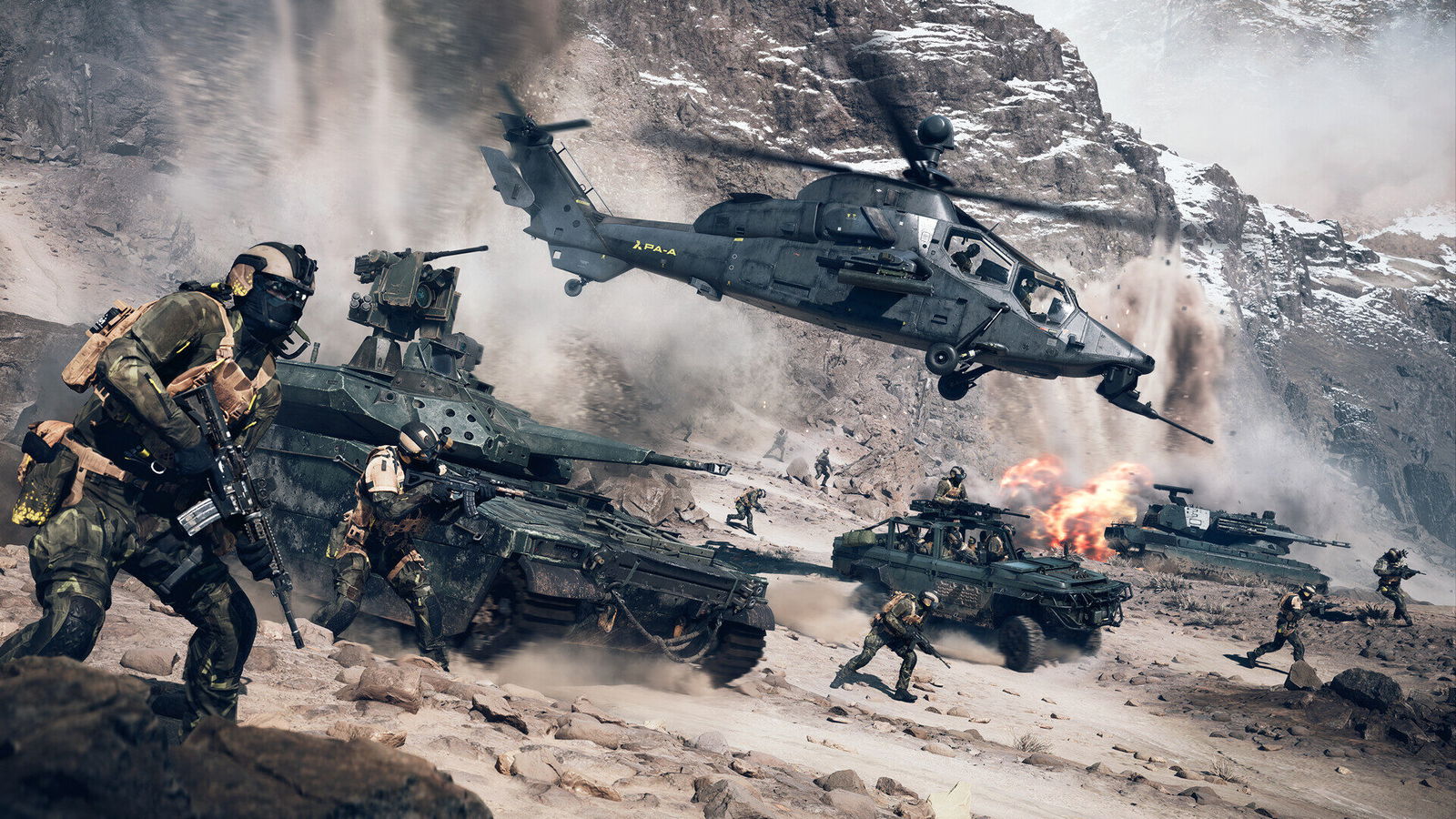
EA’s official explanation of Battle Pass progression in Battlefield 6 is a good example. Systems like this give players more choice, but they also make planning more important. The more layered the progression becomes, the more useful system knowledge becomes.
Players want Better value from Each Login
Most players are not asking for games to become easier. They want better value from the time they already spend.
They want:
- clear goals
- smarter progression
- better reward value
- less confusion
- stronger results from each session
This is why resource planning matters so much in online games now. The player experience is shaped by more than action alone. Rewards, currencies, timing, and unlock paths all shape how good a session feels. When players understand those systems, they usually enjoy the game more. They feel less lost, less delayed, and less likely to waste time on weak choices.
Small Improvements Make a Big Difference
Players do not always need a perfect strategy. In many cases, they just need a simple one.
A clearer session usually starts with small habits:
- pick one main target before logging in
- check which rewards matter most
- ignore side tasks that give little value
- avoid splitting time across too many systems
- use short sessions with purpose
These habits are simple, but they help because most progress slows down when attention gets scattered. That is why resource planning is now part of good play. It is not separate from the game. In many online titles, it is one of the main ways players improve the overall experience.
Resource planning matters in online games because progress now depends on more than effort alone. Players have to manage rewards, timing, currencies, and progression paths at the same time. The better they understand those systems, the better the game feels.
Good planning does not remove the challenge. It makes the challenge more rewarding.