

Gaming is rapidly becoming a mainstream hobby, with the industry currently generating more revenue than sports, music, and movies combined. The global market is said to include almost 4 billion players, approximately 80% of global internet users. Mobile gaming alone has around 2 billion users. Growth is projected to increase by about 6% annually, with estimates suggesting the industry could be worth almost $300 billion by 2028, driven by player demographics that are now far more diverse than they used to be.
The fact that gaming is no longer a niche hobby is easy to see, but the popularity and expansion of the market have also made the sector more vulnerable to cybersecurity risks, an issue that affects every individual who interacts with the ecosystem in any way.
The Main Threats
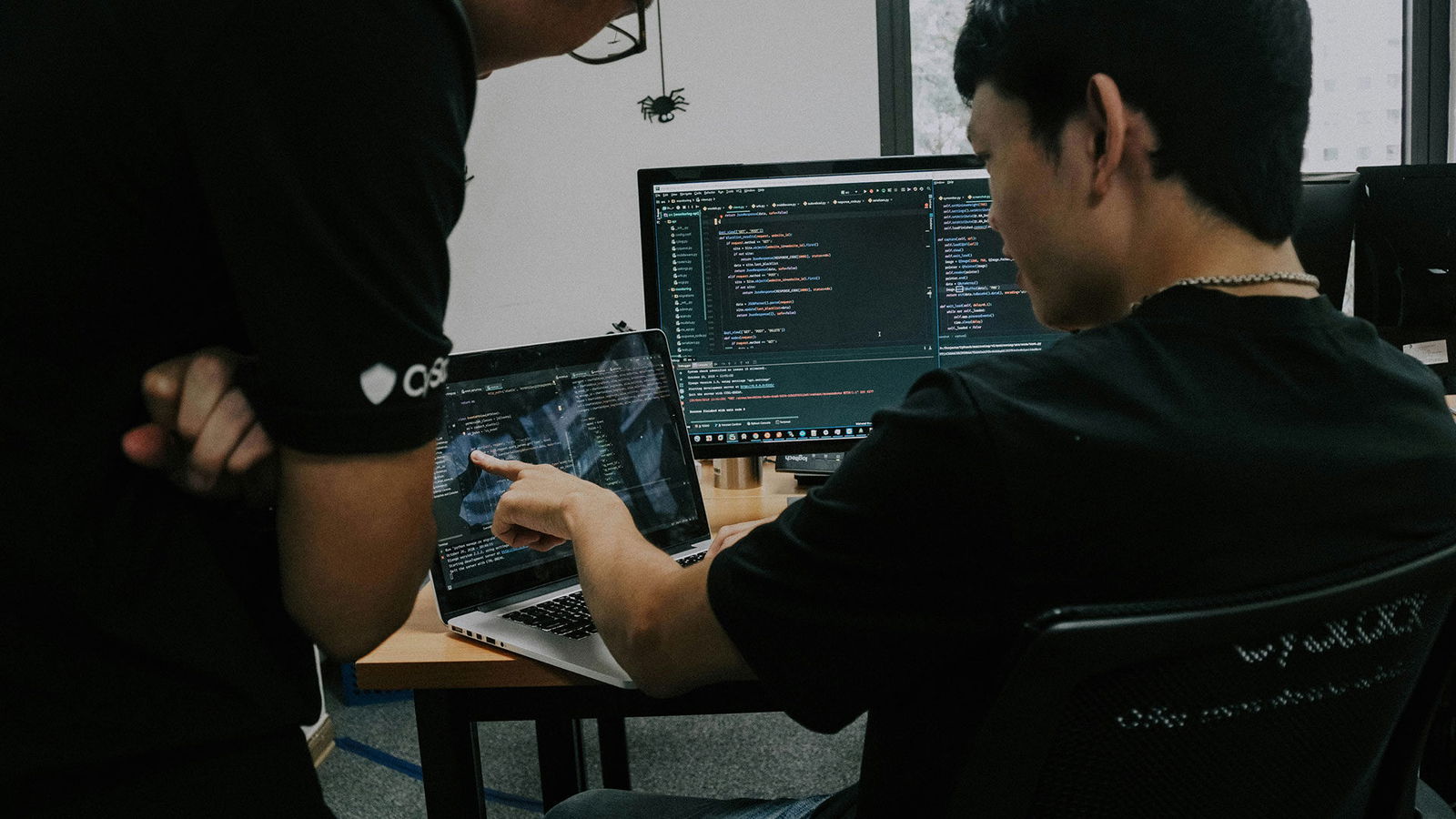
The incidence and sophistication of cyberattacks in the gaming sector have been increasing, making it more difficult for companies to keep up and identify these threats before they become too difficult to manage. Many video game developers and publishers have begun seeking a managed IT services provider in Los Angeles, a premier hub for the global gaming industry and a vital center for game development, esports, and the discovery of new talent. Around 200 video game companies are currently located in the city, creating a genuine tech cluster in the area.
Managed IT services offer specialized support for development and expansion, cybersecurity, and cloud infrastructure, enabling high performance, security, and scalability for studios, their operators, and players. Having a 24/7 help desk support that you can rely on, comprehensive analytics, server management, and guaranteed regulatory compliance is something that every company needs nowadays, and especially those operating in a high-stakes, growing landscape such as this.
Phishing and social engineering remain the most pressing threats, with attackers using fake login pages, in-game items, supposedly free features, and even currency scams to steal personal credentials and data. ATO (account takeovers) are brute-force or credential-stuffing attacks that use leaked passwords from past breaches to hijack accounts. Popular game titles are frequently impersonated as well, contributing to increases in ransomware, adware, and remote-access trojan infections.
Supply chain attacks may not be the ones most people think of when it comes to cybersecurity risks, but if third-party platforms and networks are compromised, data and billing details associated with developers can be stolen as well.
Mitigation strategies

Every company needs to develop a tailored cybersecurity strategy that accounts for the specifics of its landscape. Implementing multi-factor authentication can drastically reduce the rate of account takeovers. Using advanced DDoS protection, such as traffic scrubbing, content delivery networks, and rate limiting, can block these attacks before they reach the servers. Real-time monitoring so that abnormal traffic can be spotted right away, enabling pattern recognition to identify bot traffic, and combining on-premise hardware with cloud services can strengthen security, too.
Users must be informed about the dangers of hackers posing as legitimate companies as well as the hazards of downloading unofficial content or mods (third-party game alterations that can range from alleged bug fixes to full graphical overhauls) since there’s no telling where they actually came from. Apart from the risk of game instability and potential account bans, there’s also the very real possibility of installing malware with them, too. Employees must be made aware of the dangers of phishing when it comes to their accounts, since cybercriminals may attempt to attack systems in this manner. Which brings us to the next point, which is:
Inside Threats

Data breaches are typically associated with outsiders, particularly hackers seeking to gain access to customers’ and employees’ bank accounts and personal details. However, the threat can come from within the organization itself. This is not unique to the gaming sector; it happens across all business and industry landscapes. Employees or contractors with privileged access (i.e., administrative permissions that exceed standard capabilities) can accidentally cause security breaches.
Sending emails to the wrong recipients, weak access controls, device loss, misconfigured secured databases or cloud storage, and system failures or software flaws are some of the ways in which data breaches can occur by mistake. Regular staff training and stricter data-handling policies can help prevent these events, since although they occur unintentionally, the financial losses, reputational damage, and inherent security risks can be just as detrimental.
In some cases, these data breaches are not done by accident though, but rather by malicious people working for the company. This category can include disgruntled employees or those who are looking for financial gains as a result (both current and former staff can be included), partners, or contractors. Stealing competitive intelligence for a new employer can happen as well, but some are motivated by a need for revenge, particularly after being fired or demoted.

When this happens, it is typically the result of an abuse of privilege, as legitimate access and authorized data are used for unauthorized purposes. Deliberate destruction of systems or data, as well as data exfiltration, meaning that the information is illicitly copied to a personal USB drive, sent to a personal email, or uploaded to a different cloud storage, are sometimes implemented too. Preventing these incidents is more difficult since it includes more complex solutions.
Implementing the principle of least privilege so that employees only have access to the kind of data that is absolutely necessary for their role; revoking network access right away for departing workers; monitoring suspicious activity in order to spot large data downloads, odd access attempts, or activity during unusual hours; and DLP tools that will detect sensitive data leaving the company’s official network and block the attempt.
The gaming industry is one of the fastest-growing ecosystems at the moment, and while that is naturally a very good thing for the community, including both the players and the employees, the threats have become more significant as well, and it’s essential to find the right solutions that can prevent issues over the long run.