

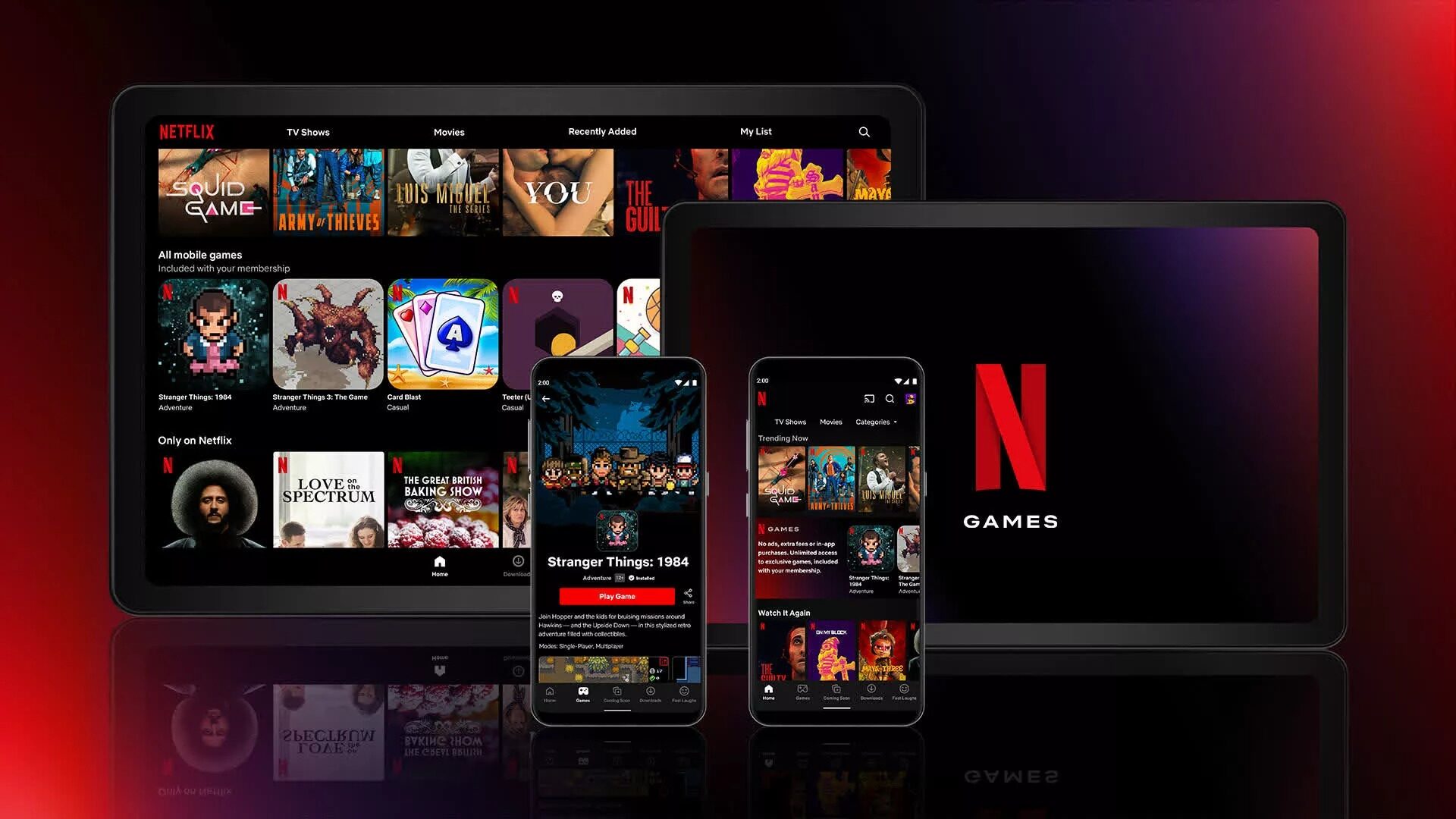
You don’t sit down and think about where your time goes. You open something, and you’re in. In the UK, that choice is getting harder. More platforms, more overlap, and less patience. The ones that make sense straight away are the ones people stick with.
You’re already juggling a few subscriptions without thinking about it. One for games, one for shows, maybe music running in the background while you scroll. In the UK, that stack keeps growing, and the time people spend across these platforms is starting to bunch up at the same time of day. That’s where things get interesting.
The UK audience now spends around 8.8 hours each day across digital entertainment. Video takes 4.6 hours, music 2.6, and gaming 1.6. That spread tells you something straight away. None of these platforms exists on its own anymore. They overlap. You move between them without noticing. A show ends, a game loads, a playlist fills the gap.
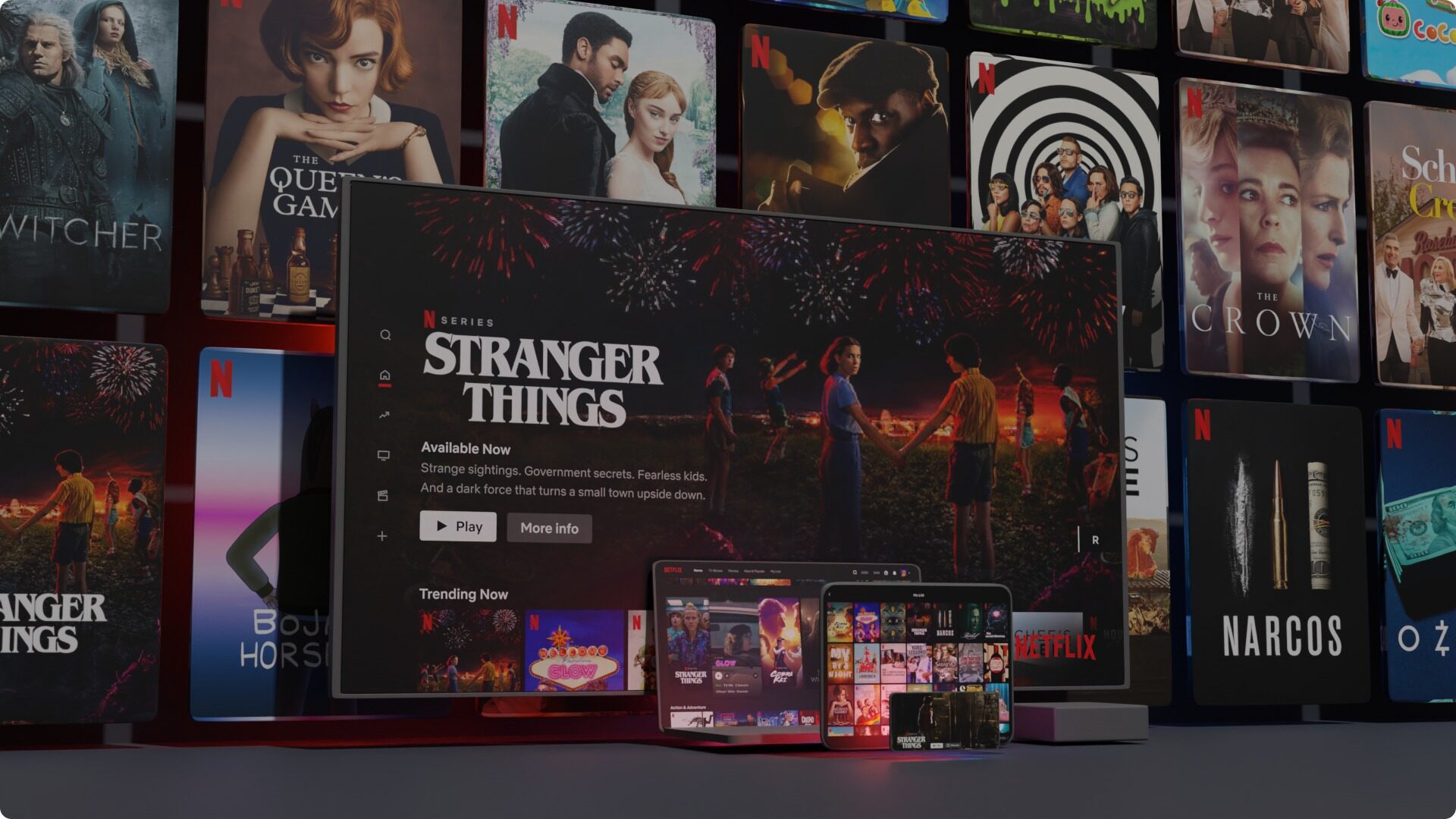
That overlap puts pressure on everything else. It’s not enough to exist. You have to be easy to jump into. You have to feel it’s worth the time. When 88% of UK households are already using subscription video services, there’s no easy growth left. It’s all competition now, and it’s happening inside the same few hours of your day.
Gaming hardware still runs into real limits, though. The Nintendo Switch 2 is a good example. Early numbers looked strong, but production plans have already been cut from 6 million to 4 million units. That’s a one-third drop, even with the console tracking 45% ahead of the original Switch in the US market.
Demand hasn’t landed evenly across regions, with sales outside Japan coming in softer than expected. That gap forces adjustments. Strong launches don’t carry everything on their own. Players are still interested, but that interest doesn’t always turn into sales at the speed companies plan for.
You see the same pattern across gaming. People are playing. The UK has around 35.6 million players. Spending averages close to $434.96 per person each year. Those are big numbers, but they’re spread across platforms, devices, and services. That makes the market harder to read and harder to predict.
Franchises No Longer Stay in One Lane
Games don’t stay inside games anymore. Assassin’s Creed moving into a Netflix series is a clear example. The new show is set in Ancient Rome and is built around real events from 64 AD, with a full cast already in place and filming underway in Italy.
That crossover is covered in detail, but the bigger point sits above it. A game is no longer just a game. It’s a property that can move into TV, film, and back again. You might watch it before you play it. You might play it after watching.
That changes how you engage with it. You’re not picking one format. You’re following a world across platforms. The same account, the same audience, just a different screen.
With that many options, you don’t jump in blind anymore. You look around first. You check what’s available, what runs well, and what feels worth opening. That applies to streaming, gaming services, and anything else that sits in that same digital space.
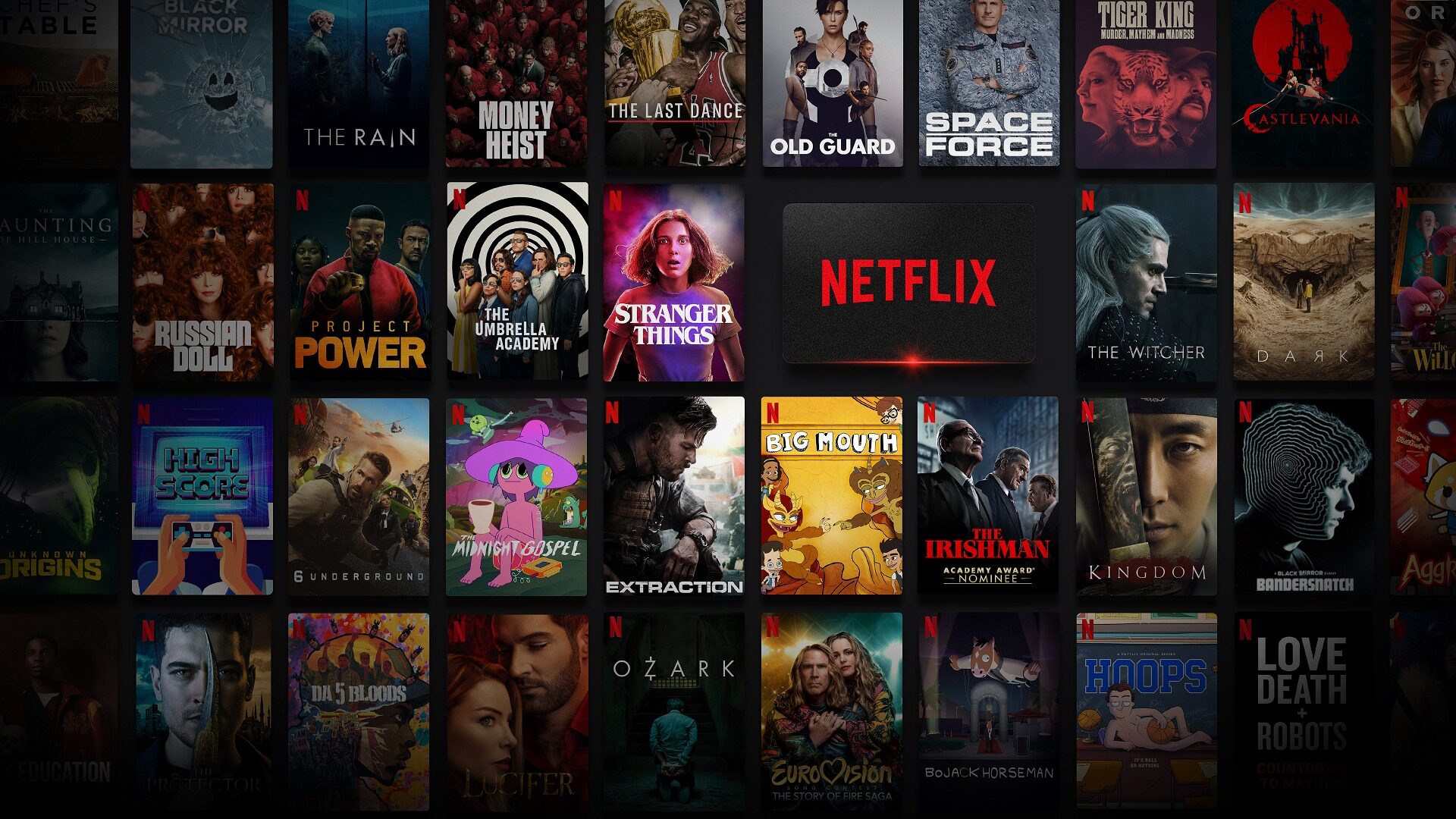
There’s a reason comparison has become part of the process. When platforms start to look similar on the surface, the details start to stand out. Layout, speed, availability, all of it adds up. You end up browsing before you commit, weighing things up even when you don’t think you are.
You can check Casino.org for more information on how UK platforms compare across things like game selection, payout speeds, and licensing standards. It pulls everything into one place, so you can see what’s available without bouncing between tabs or guessing what sits behind each option.
Also, there’s a smaller part of the market that runs on the same logic. Online gambling in the UK is expected to reach $9.0 billion in 2025, with projections pushing that to $13.2 billion by 2034. That growth comes from the same things driving everything else. Access, speed, and ease of getting started.
It doesn’t sit outside the wider entertainment space. It fits into it. The same phone, the same connection, the same habit of moving between platforms without much thought. The difference is what you’re doing, not how you get there.
That’s why it follows the same rules. If something loads slowly, you notice. If it feels clunky, you leave. If it works, you stay a bit longer.
Everything Is Fighting for the Same Few Hours
The time isn’t expanding. That’s the part that doesn’t change. You still have the same day, the same routine, the same window for choosing something to do.
That’s where the competition sits. Not between industries, but inside your own habits. One platform pulls you in, another tries to keep you. The ones that get it right don’t feel like a choice. They just fit.