
Drivers often buy a dash camera to protect themselves after a crash or to keep a record of daily driving. Most people start with a single-lens camera that points forward. It feels like enough at first. You see the road ahead, traffic signals, and the car in front of you. Over time, many drivers realize that the forward view tells only part of the story.
A 3 channel dash cam captures more than the road ahead. It records what happens in front of the car, behind it, and inside the cabin at the same time. This wider coverage can change how incidents are understood, especially when blame is unclear or details matter.
Below is a clear breakdown of what three-channel systems record that single-lens cameras simply cannot.
Forward View: Similar Angle, More Useful Context

Both single-lens and three-channel systems record the road ahead. At first glance, this part looks the same. The difference comes from how that footage is supported by other angles.
With only a front view, gaps remain. You may see a sudden stop or a car entering your lane, but you do not see what pushed that moment to happen. A three-channel system fills in those missing pieces. The forward camera works together with the rear and cabin cameras to show the full sequence of events.
This matters during lane changes, sudden braking, and chain-reaction crashes. One angle alone rarely shows the full cause.
Rear View: What Happens After the Impact

Single-lens cameras do not record what happens behind your vehicle. This creates a major blind spot.
Rear footage captures:
- Tailgating behavior
- Rear-end collisions
- Aggressive driving from behind
- Sudden lane merges from the rear
In many traffic incidents, rear footage is the deciding factor. If another driver claims you reversed or stopped without reason, rear video can show the true flow of traffic. Insurance disputes often hinge on this missing angle.
Without a rear camera, drivers rely on statements rather than proof.
Cabin View: Inside the Vehicle Tells a Different Story

This is the angle most drivers underestimate.
The cabin camera records:
- Driver actions
- Passenger behavior
- Seatbelt use
- Phone use
- Sudden distractions
For rideshare drivers, this footage adds another layer of safety. It can protect against false complaints and show how passengers behaved during a trip. For families, it documents events during long drives or incidents involving kids or pets.
Cabin footage can also support your case after a crash. It shows if the driver stayed focused, hands on the wheel, and eyes forward.
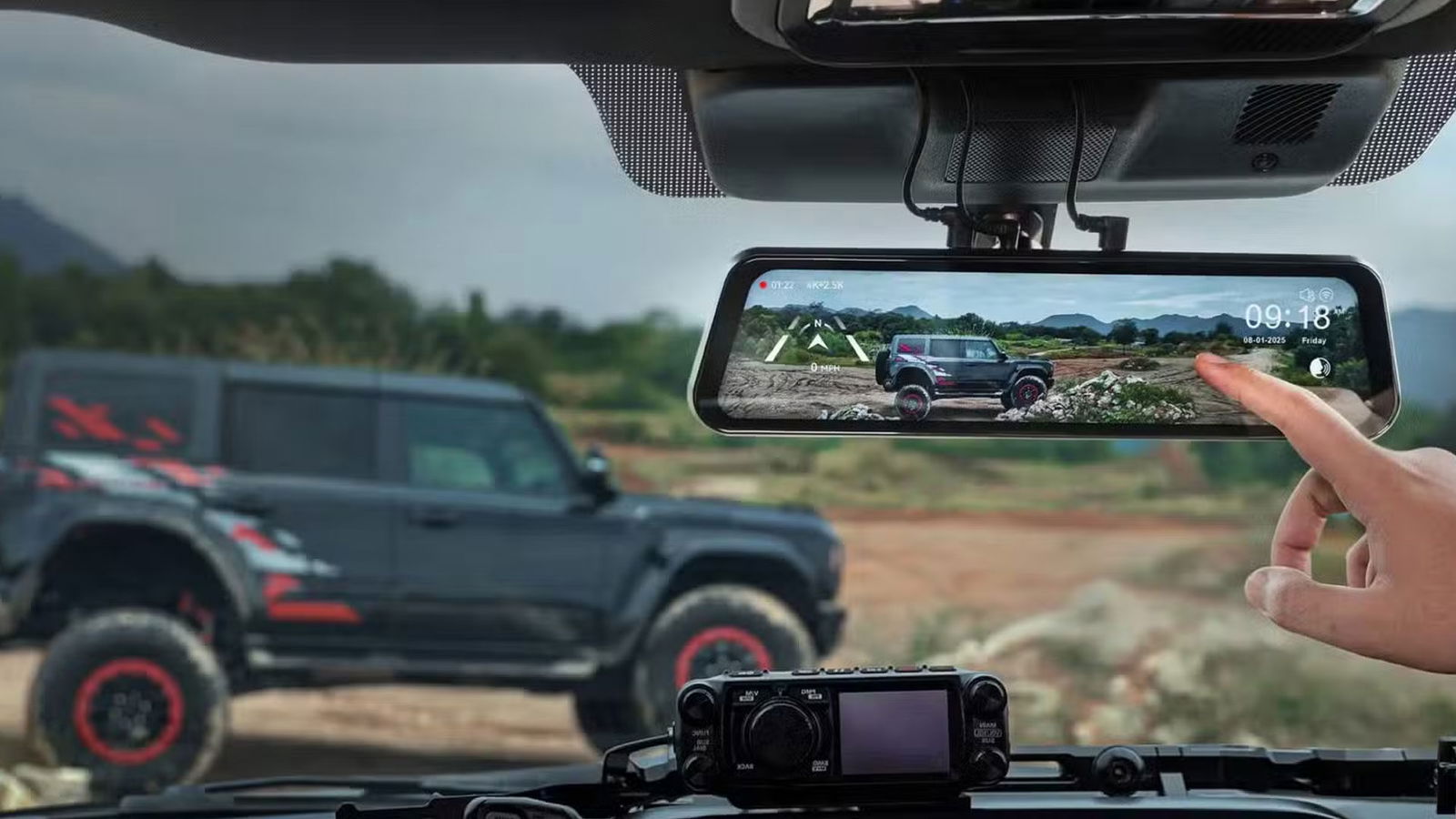
Some three-channel systems also expand what the forward camera can see. The WOLFBOX G900 TriPro Bumper Version, built with off-road driving in mind, includes a front bumper camera that records from a low angle in front of the vehicle.
This helps capture blind spots near the front tires that standard forward-facing dash cams usually cannot see. Another version, the Wolfbox G900 TriPro Cabin Version, adds an interior camera to record inside-the-vehicle activity, which can be useful for rideshare trips, family travel, or general cabin monitoring during a drive.
Accidents Rarely Happen in One Direction
Real-world crashes rarely involve a single movement. A driver cuts in from behind, traffic stops ahead, a passenger shouts, and a reaction follows. Single-lens cameras miss most of this chain.
Three-channel footage shows:
- What caused the reaction
- How the driver responded
- How other vehicles contributed
- What happened before and after the impact
This complete timeline reduces guesswork.
Parking Incidents: Silent Damage Explained
Many drivers return to their cars to find a scratch or dent with no explanation. A front-only camera may not capture anything useful if the damage happens at the rear or side.
A three-channel setup records:
- Vehicles backing into you
- Parking lot hit-and-runs
- Pedestrians or carts are causing damage
When motion detection is active, these cameras can capture activity even when the engine is off. This coverage can save time, stress, and repair costs.
Night Driving: More Angles, Fewer Gaps
Night footage is where missing angles become more obvious.
Rear headlights, sudden braking, or interior movement often go unseen with a single camera. A three-channel system captures light sources from different directions, which helps explain how visibility and timing played a role.
Interior footage also shows if glare, fatigue, or sudden noise affected the driver.
Rideshare and Fleet Use: Documentation Matters
Professional drivers face a higher risk of disputes.
Three-channel recording provides:
- Proof during rider complaints
- Evidence of unsafe passenger actions
- Records for employer review
- Support during legal claims
Fleet operators rely on this full view to review incidents fairly. One camera angle rarely tells the full story when multiple vehicles or people are involved.
Road Rage and False Claims
Heated situations on the road often involve actions that happen outside the forward view.
Rear footage can show:
- Brake checking
- Tailgating
- Intentional blocking
Cabin footage can show:
- Driver restraint
- Calm behavior
- No verbal exchange
This combination can protect drivers from exaggerated or false reports.
Learning From Driving Habits
Beyond protection, three-channel footage helps drivers improve.
Reviewing cabin and rear footage can highlight:
- Following distance
- Reaction time
- Passenger distractions
- Lane discipline
Parents often use this to guide new drivers. Fleet managers use it for training without relying on memory or opinion.
Weather Events and Road Conditions
Rain, snow, fog, and glare affect drivers differently depending on direction and timing.
A front camera might show limited visibility, while the rear camera shows how closely others followed. Cabin footage can show how the driver adjusted speed or posture.
Together, these angles explain decisions that might look questionable from one view alone.
Legal Clarity Without Guesswork
In disputes, clear footage reduces debate.
Three-channel recording provides:
- Timeline clarity
- Angle verification
- Behavioral proof
Law enforcement and insurers rely on evidence. Multiple synchronized views reduce the chance of misinterpretation.
Data That Matches Real Driving Situations
Driving is not one-dimensional. Events happen fast and from multiple directions.
Single-lens cameras record moments. Three-channel systems record situations.
That difference matters when details decide fault, cost, and outcome.
Who Benefits Most From Three-Channel Coverage
Drivers who gain the most include:
- Daily commuters in heavy traffic
- Rideshare and delivery drivers
- Families on long trips
- Fleet and service vehicle operators
- Anyone parking in busy areas
The wider view adds protection without relying on assumptions.
Final Thoughts
Single-lens dash cams capture what is directly ahead. That view helps, but it leaves gaps. A three-channel system records the full driving environment: front, rear, and inside the vehicle.
When incidents involve more than one movement or person, those extra angles often make the difference between uncertainty and clarity. For drivers who want a complete record of what actually happened, broader coverage brings peace of mind that one camera alone cannot provide.