

Pseudonymity remains a steady presence in gaming communities because it shapes how people create, interact, and innovate. It influences design choices, community culture, and even commercial strategies. Online spaces have grown more complex, yet the use of alternate identities continues to influence the way games are imagined and shared.
The Enduring Appeal of Anonymity in Games
Players often choose to remain behind a pseudonym when engaging in multiplayer or community-driven games. This allows them to separate their in-game persona from any offline reputation. It gives them room to experiment with new ideas or play styles without worrying about how those choices might be perceived outside the game.
This same approach appears in other areas where interaction happens in competitive or creative formats. The gambling sector shows a clear parallel. Platforms that remove identity checks are often selected for privacy by those who value a discreet experience. These no-KYC casinos let users register, play, and withdraw without going through ID verification.
That means access to large game libraries and promotional offers while staying anonymous. These no-verification sites usually have instant sign-up processes and can be reached from almost anywhere, making them appealing for those who prioritize fast entry and minimal disclosure.
Influence on Creative Collaboration
When identities remain hidden or partially concealed, group projects can focus on the actual content rather than personal profiles. In modding groups, for instance, some of the most celebrated maps, characters, and custom storylines were created by teams that only knew each other by their chosen handles. This detachment from offline identity encourages unconventional ideas because feedback often centers on the quality of the creation rather than the creator’s personal background.
Writers in roleplaying forums use pseudonyms to switch between different characters or narrative perspectives without being tied to a single authorial style. This flexibility allows a wider range of creative output and keeps the audience guessing about who might be behind a given work. For some, maintaining multiple personas within the same community gives them a way to explore different genres or gameplay mechanics without conflicting audience expectations.
Preserving Experimental Spaces
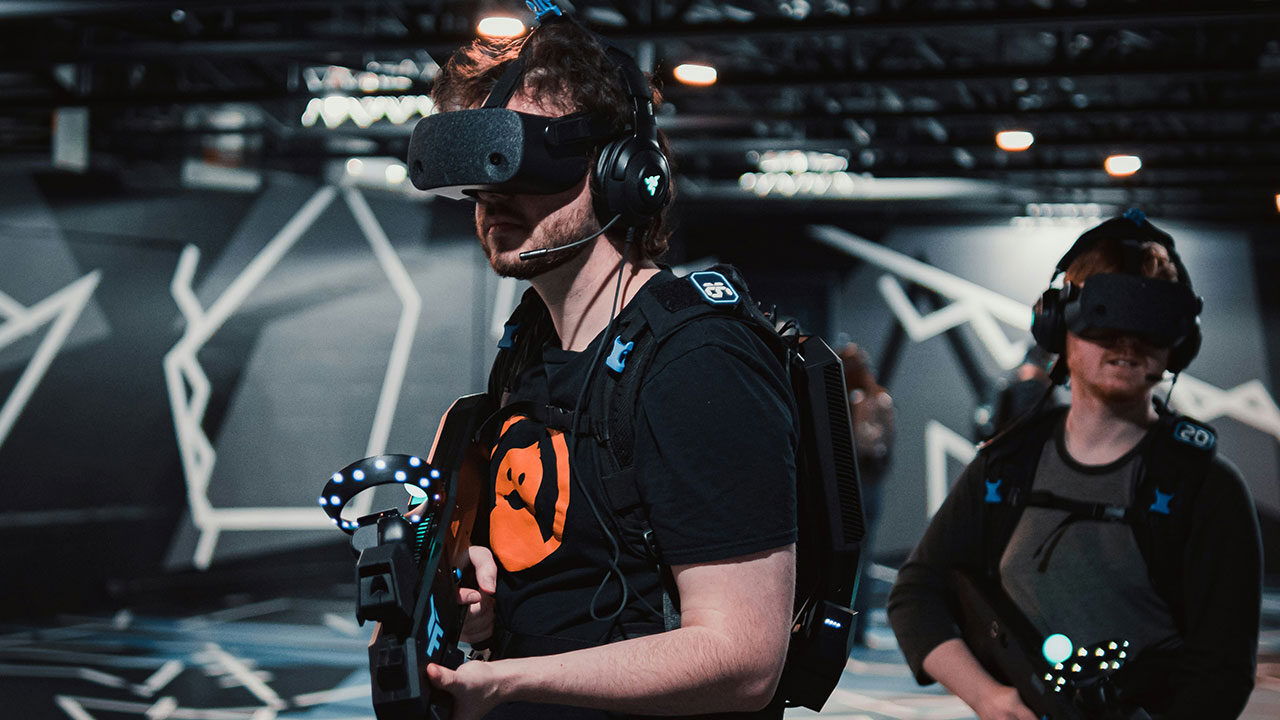
Communities thrive when members feel free to push boundaries in design, mechanics, and storytelling. Pseudonymity helps protect those experimental spaces. For developers working on early-stage prototypes, it can shield them from premature public critique. This is particularly valuable in early-access environments, where games evolve through community feedback. By keeping their personal identities separate, developers can take in suggestions and criticism without feeling that their personal reputation is under direct scrutiny.
Artists and composers contributing to game projects often adopt pseudonyms so they can test new creative directions without the pressure of public association. This arrangement benefits collaborative projects because it reduces hesitation to present incomplete or unconventional work. The anonymity makes it easier to scrap and rebuild ideas without carrying the weight of public record.
Cultural Identity and In-Game Personas
A new in-game identity often starts with something familiar. It might come from a story heard growing up, a local saying, or a favourite song lyric. Sometimes it is a twist on a word in a native language, or a nod to a cultural reference that feels personal. Once that name or character enters the game, it begins to pick up pieces from the community around it. Inside jokes, memorable matches, and shared trends start to leave their mark.
What began as a small personal choice slowly changes shape as it travels through different conversations and experiences. Over time, the identity becomes a mix of where the player came from and what they’ve been part of in the game. It carries traces of both the outside world and the digital one, forming a persona that feels natural in the space where those two meet.
The Continuing Role in Shaping Game Worlds
Pseudonymity continues to shape the way game worlds develop because it affects how people contribute to them. It gives developers, players, and community leaders the ability to compartmentalize their creative lives, making room for experimentation and unconventional thinking. It also keeps the focus on the evolving work rather than the personal history of the people behind it.
The habit of working through an alias will remain significant for as long as communities value freedom of expression and collaborative invention. It allows ideas to stand on their own and creates spaces where reputation is built through contribution quality rather than personal disclosure. That combination of creative flexibility and identity control keeps pseudonymity firmly embedded in the culture of gaming.