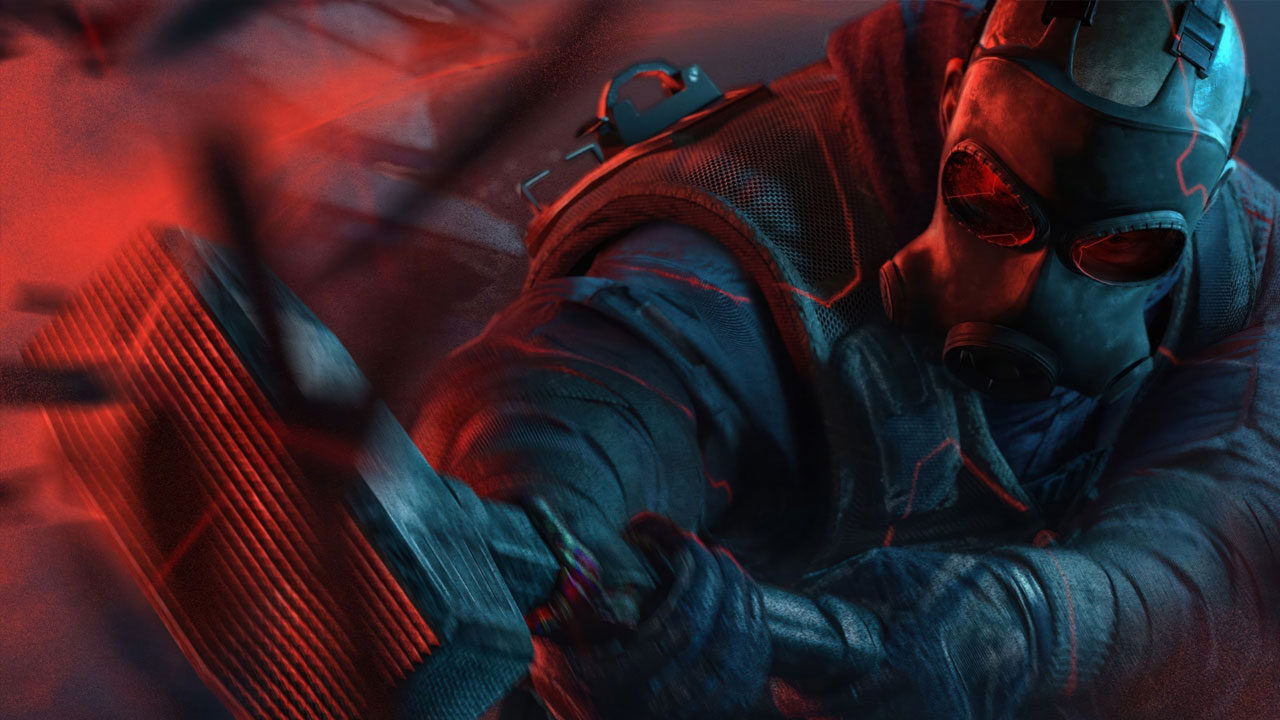
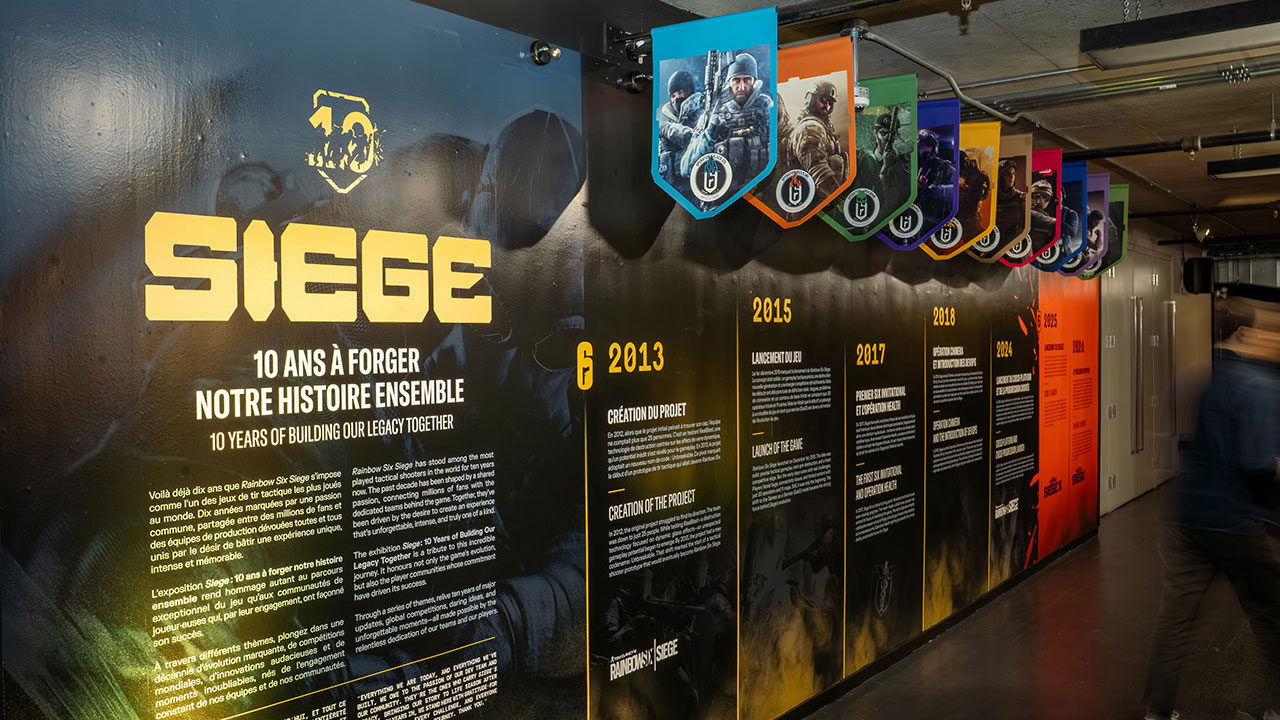
When Tom Clancy’s Rainbow Six Siege launched ten years ago, I am not sure many people expected it to outlive many of the games released that same year. However, here we are, and the game is still going strong with a massive install base, an esports scene, and—judging by the looks of things—Ubisoft has no plans to slow down. Rainbow Six Siege has managed to evolve with the times, and with a team of almost 1,000 people working across Ubisoft, it is a force to be reckoned with.
On a recent visit to Ubisoft Montreal, I had the chance to chat with Siege creative director Alexander Karpazis and Siege game director Joshua Mills about the game and where Siege is heading in the future. Beyond the limited-time Wildcards Siege mode that launched on Dec. 15, it sounds like the team behind the game is constantly looking ahead at what they can do next. There is genuine excitement about what they are building, even as they work to ensure they never let the player base down with an update. It sounds like a challenging balancing act, but one that—judging by both Karpazis and Mills—they are eager to take on and run with.

You’ve both been on the game for different amounts of time. What does it feel like to be part of a game that has been around this long and shows no signs of slowing down?
Alexander Karpazis: I’ve been on the game seven years, going on eight, so a good chunk of time. It is completely surreal. We’ve said it before: we are standing on the shoulders of giants. This is a generational experience that you don’t, quite frankly, see in many places in the industry. And, yes, it’s completely humbling and surreal when you see a hundred million players enjoy a game like Siege.
Joshua Mills: That’s the thing. That’s the theme of the word “surreal,” because Siege has been part of my life for ten years. I’ve been playing this game forever, but I’ve been on the team for four years. So that shift from just enjoying it and being part of that world, and watching that size and scale, to now being responsible for everything that is going on there and having that kind of impact, while also seeing the impact, is honestly a blessing. Being able to work on this kind of project and be part of that generational team means a lot.
Now, with a game like Siege, you always want to improve. You always want to bring new things to the experience. Where do you find that balancing act, or how do you work around the balancing act of pushing the game forward and introducing new concepts without losing what is core to the experience that people love and why they are on that game?
Alexander Karpazis: Yeah. There is a core to Siege that we have to be very cognizant of and want to protect. Almost in a tribal way, we’ve passed down the tenets—don’t touch this, be careful about that. The game is a tactical FPS about outsmarting your opponent, not merely running and gunning. So the systems built around it have to reflect that. They can add depth. They can add more creativity to the sandbox, but we can’t jeopardize what made this game successful in the first place.
Joshua Mills: Yeah. A large part of that, as Alex said, is remembering that core and remembering who we are. We’re Rainbow Six, which means we have a legacy that even comes before us. That is our point of reference. We always need to pull from there because that is what builds Siege and how we continue to enhance Siege. On top of that, the game’s depth continues to evolve simply because it is this expansive sandbox we can keep adding to, which opens more creative possibilities for our players. So ultimately, yeah, it’s about staying true to where we came from and protecting that core at all costs.
Is there ever an urge, when you see another game quickly catching up to the popularity of Siege, to think you might be doing something wrong? Is there ever a sense that you should borrow what they are doing? Or do you always try to say, ‘no, let’s make sure we stick with what we do’?
Joshua Mills: Well, the answer—and I’ve had conversations about this—is that it is very important we don’t look in other people’s backyards for exclusive answers. We have a very unique game on our hands. Yes, there are universal things every game can share, but because Siege is so unique in how it is positioned, how it is built, and how we want that moment-to-moment to feel, it is critical that we don’t lose sight of that. It goes back to protecting that core. The audience that has been there, the community that has grown around this game, is integral, and we need to respect it, continue to feed that, and keep it as healthy as possible.
Alexander Karpazis: Yeah. It’s far more important to answer the needs of our players than it is to answer to our competition.
The Tom Clancy franchise or universe has so many things to draw from. Do you ever want to take more elements from other Tom Clancy properties and bring them into Siege? Or do you prefer to stick with what you’ve built up to this point?
Alexander Karpazis: Your recording won’t capture it, but of course I’m smiling, because of course we want to bring more from this rich universe. And we’ve been doing that. We’ve introduced characters who come from games that preceded Siege. And we’re always talking to our friends over at Ghost Recon and some of the other Tom Clancy brands. This is something I think will definitely become more and more part of the game. Yeah, we’re definitely—
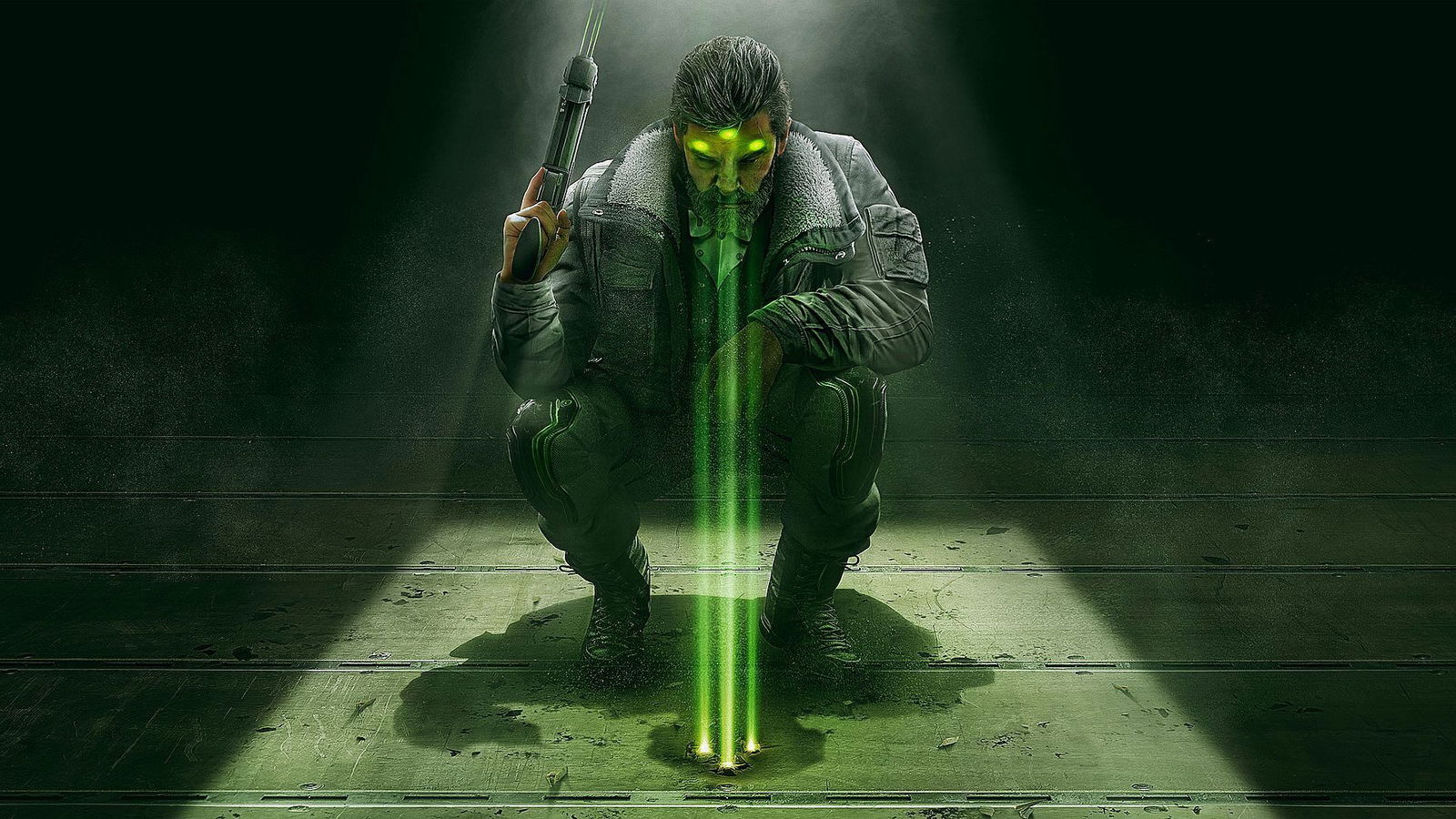
Joshua Mills: Definitely not shy of it. If you think about the fact that Zero is in the game—Sam Fisher is in the game—he is one of the legends. And like we mentioned, the other Rainbow Six games that came before Siege: some of our operators are based on earlier characters. Gerald Morris is Deimos, and we have Kara Galanos, who is Scopus. So again, looking at those roots, looking at our history, and using that to guide where we go forward, that’s awesome.
Esports is a constant presence with Siege, but there are also people who just want to play and jump in with friends. How do you balance those two aspects—one that is very competitive and hardcore, and one that is simply fun for players?
Joshua Mills: Very carefully. It’s a huge challenge because, let’s say, we make a change for the general public. Our pros will exploit that to a level you can’t even imagine. Then, sometimes, you make adjustments to keep that under control, and players at other levels lose some functionality in their version of play.
One thing we’ve discovered over time is that, depending on where you are in the competitive landscape, you play very different versions of this game. But our goal is to serve everyone who plays. One of the key things we try to do is communicate clearly when we make adjustments—who is this for? In most cases, those changes can stay self-contained, so they target the intended group and don’t necessarily affect the rest of the pool.
But it is a challenge. The esports scene is something very near and dear to us, and we want to continue to support it. Competitive play is in Siege’s DNA. That’s never going to go away, so we will continue to foster that as well.
Alexander Karpazis: And I will say these sorts of players are, for us, a great collaboration, because we can give them anything we’re working on and they will immediately break it and tell us how to fix it. So even in that case, the pro scene can help us adapt things for our main-street players, too.

How does that back and forth work? Do you constantly have dialogue with the pro players, saying, “Hey, we’re doing this. Is this working?” and get feedback from them? Or is it more a matter of noticing that fewer players are engaging and asking what is going on?
Alexander Karpazis: Yeah. We have constant communication with them. Not only do we liaise with their teams and their coaches, but we also bring them into play sessions very early with a lot of our work, whether it’s a new map or a new operator. They get hands-on time, and we get a lot of rich feedback from that. And we have a fantastic esports team that stays in the loop and gathers their feedback, just as we have a great team gathering feedback from our community too.
Joshua Mills: Yeah. As of right now, looking at how far ahead we go, preliminary design work for, say, Year 11, Season 4 will be going out to the pros early next year. But we already have feedback on some of the early paper designs and things like that.
I want to talk about the fact that you are at the ten-year mark. That’s incredible for most games, and for a live-service or games-as-a-service title like this, it’s almost unheard of. How do you balance pushing the game forward technically while keeping the players who rely on Siege being known as one of the games that can run on almost anything? So how do you balance keeping it accessible for everyone while also making it look as good as possible?
Joshua Mills: Yeah. I think one of the big challenges we’ve run into is making sure anybody who is playing Siege can keep playing Siege. So when we have opportunities to move to new technology or open up new possibilities, we want to make it very clear to our players why that is happening. It’s not just, “Hey, we changed a bunch of specs, and now you can’t play anymore.” If there is a tangible reason and an evolution of the game, we want players to come on that journey with us and see the benefits of how we’re continuing to invest in this game so they can come along with us.
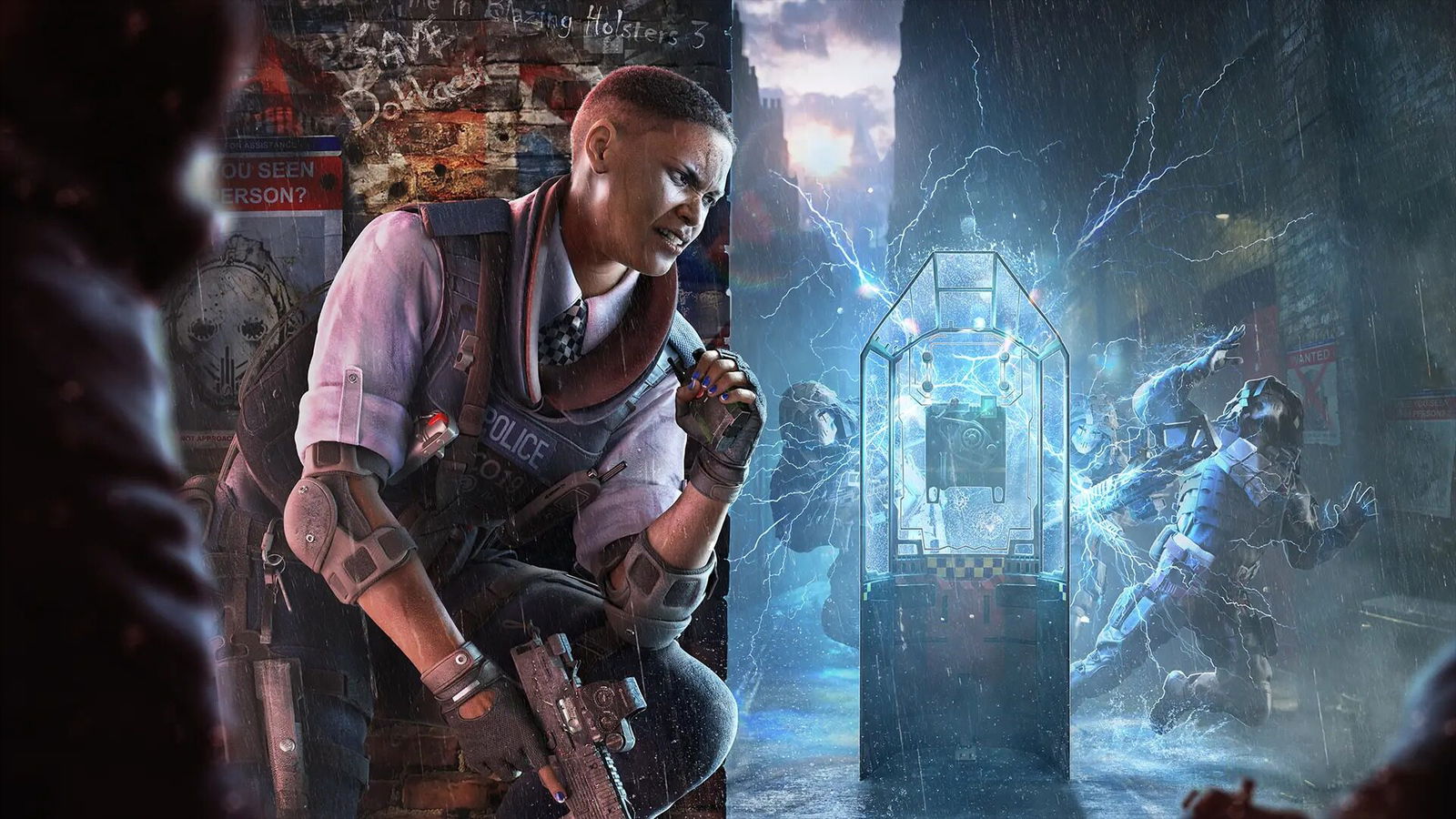
Siege has been around for a long time. You’re now the people in charge of pushing it forward. How does it feel to be the stewards of the next generation of people playing it?
Alexander Karpazis: It has always been surreal for me. I played the game in its earliest state. I was originally working on another project, and they opened it up to the studio here in Montreal and said, “Hey, do you want to try this new game?” So we got to play it in its roughest state. Then, following the journey along—first as a player and then as someone on the team—it’s a career highlight. It’s something immensely rewarding. You’re working with a team of incredible people who care so much about the game. Some of them started as players as well.
We even have a story about one of our devs who was introduced to the game by their dad, and now they’re a developer on the team. So you have that huge generational story. For me, that’s incredible. It makes me super proud, and it also means there are a lot of passionate people working on this project.
Joshua Mills: Yeah. It’s wild, honestly. I started in indie games way back when, so to be part of something that has this level of impact and global presence—I never thought that would be a thing. What are we talking about? But like Alex, I played not in alpha. I don’t think I played in the beta, but I joined about ten years ago, just at the right time to get access to everything. So it has been a hell of a journey, playing the game with friends and growing with it over time, being on the highs and lows, experiencing the ride it has been with everybody, and being an active part of this community.
And then going to the other side of it and trying to help bring it forward and keep pushing it along. The best part is that so many people on the team are players first. We care so deeply about it that there’s nothing that will stop us from bringing whatever we can to it. And that kind of energy lights a fire under you.
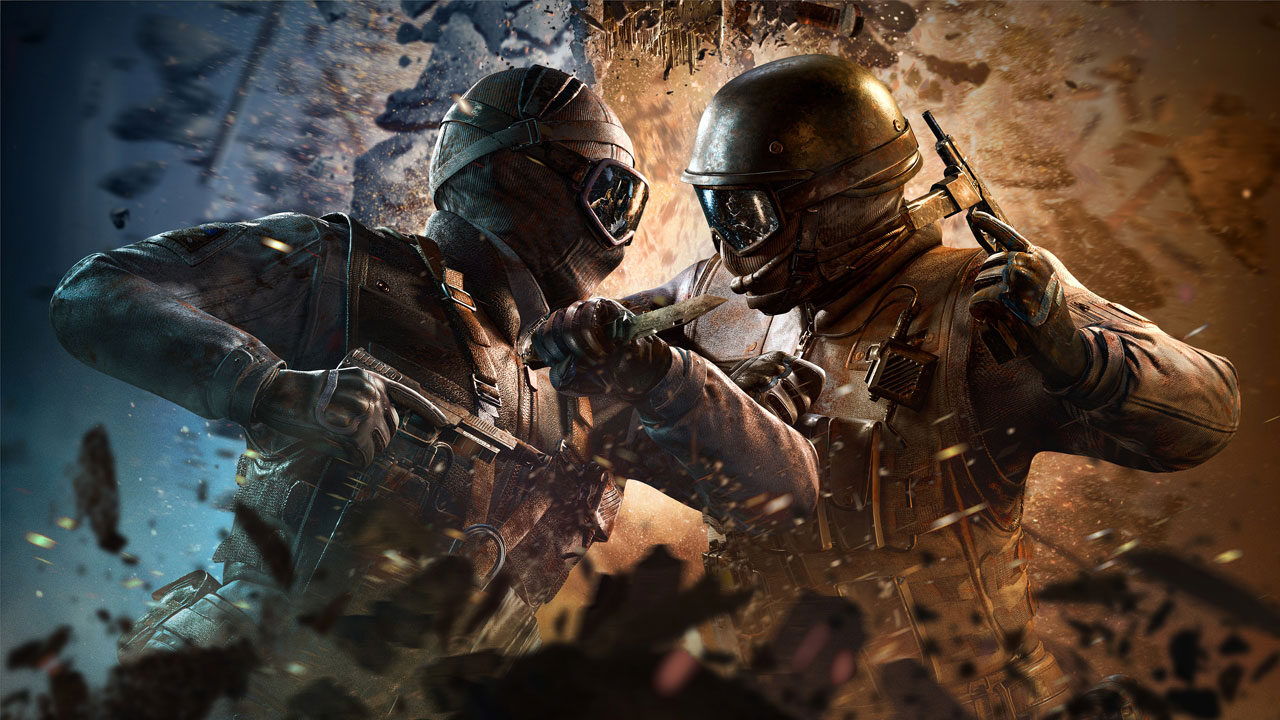
One last question: How many people are working on Siege right now?
Alexander Karpazis: Almost 1,000 people. Yeah. But that’s the thing—you talked about stewardship, and there is a lot of responsibility when you’re talking about something that affects so many people. But when you have an incredible team surrounding you, it makes everything easier. So we’re super happy, and again, looking forward to the future of the game.
Awesome. Thank you. Thank you both so much for your time.
Alexander Karpazis: Thank you.
Joshua Mills: Thanks, you too.