

When I previewed Arknights: Endfield back in November, the thing that surprised me the most was my willingness to travel to Los Angeles to play something that was never really on my radar. I never really gelled with these Gatcha RPGs—feeling like Genshin Impact was a little too derivative of The Legend of Zelda: Breath of the Wild, and Honkai: Star Rail just wasn’t really my cup of tea.
So I was genuinely impressed when I sat down with it and saw a level of depth I wasn’t fully expecting. Arknights: Endfield has so much going on that, honestly, it probably could’ve released as a full-priced game. There’s an abundance of content that makes the game incredibly deep while also being incredibly approachable to players of all skill levels.
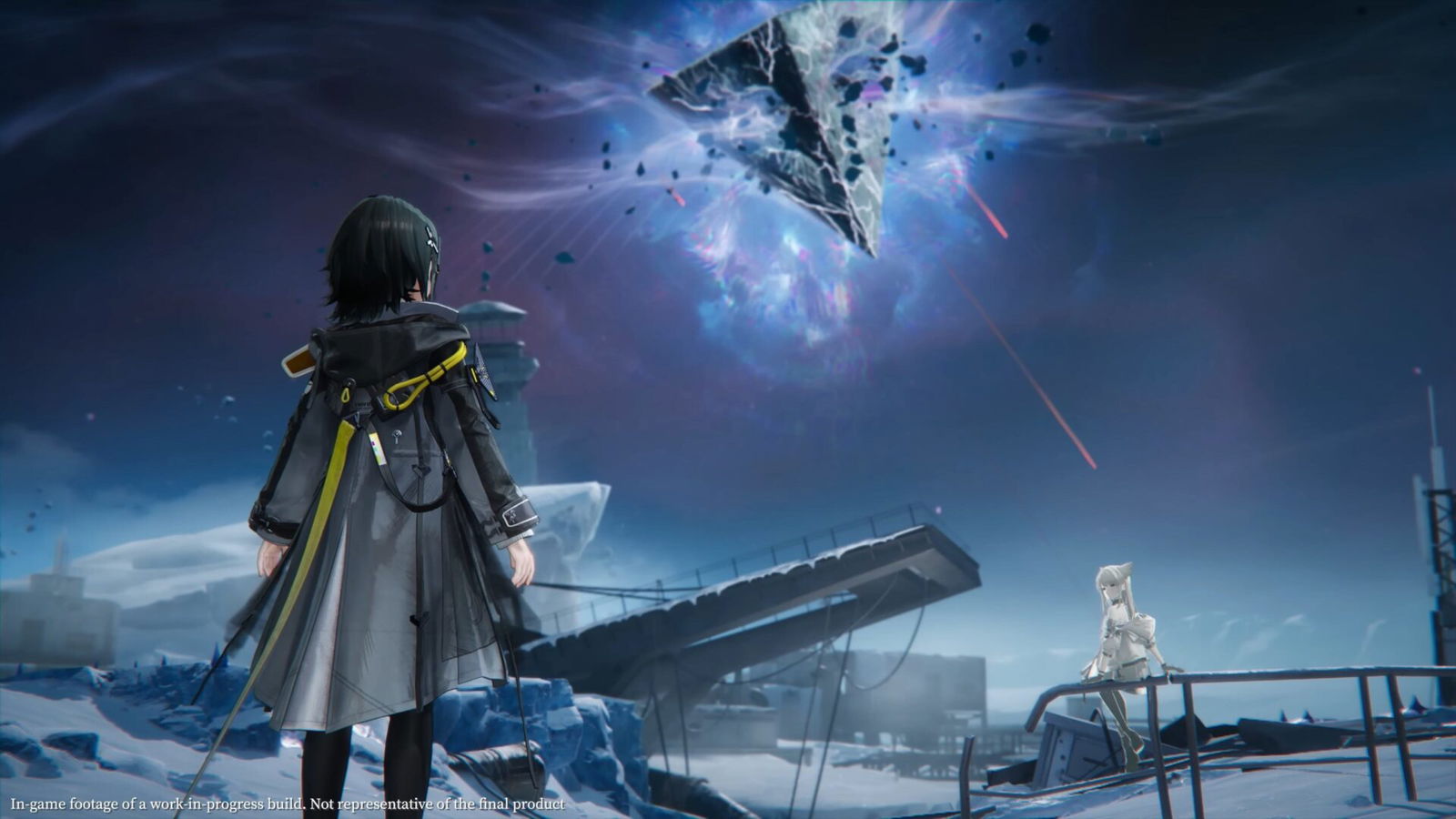
I did talk about it quite a bit in my preview, so I’ll try not to reiterate what I said in terms of strict descriptions; however, since this is a review, I can express my thoughts a little more in-depth. Starting where I normally do, the story. Players take on the role of the Endminstrator—the leader of Endfield Industries who has been in stasis for 10 years to heal after some cataclysmic event.
Now hovering in a low-orbit over Talos II, a newly discovered planet in the process of colonization, strange constructs called Ankhors have begun to appear, bringing with them hostile creatures known as Aggeloi. Adding to this, hostile humans known as Landbreakers have begun acting in a more coordinated manner, unlike how they’ve acted for years before the Endministrator awakened.
As players progress, they’ll begin to unlock not only the secrets of Talos II, but also the mysteries of their past. It’s a surprisingly expansive story that works for newcomers—capturing the scale and structure of most fantasy RPGs—but also offers a lot of expanded lore for players familiar with Arknights as a series. Without giving too much away, it starts off with some seemingly simple, small-scale issues between the Endfielders and the Landbreakers, who want to live peacefully on Talos II and slowly expands to potentially world-ending stakes.
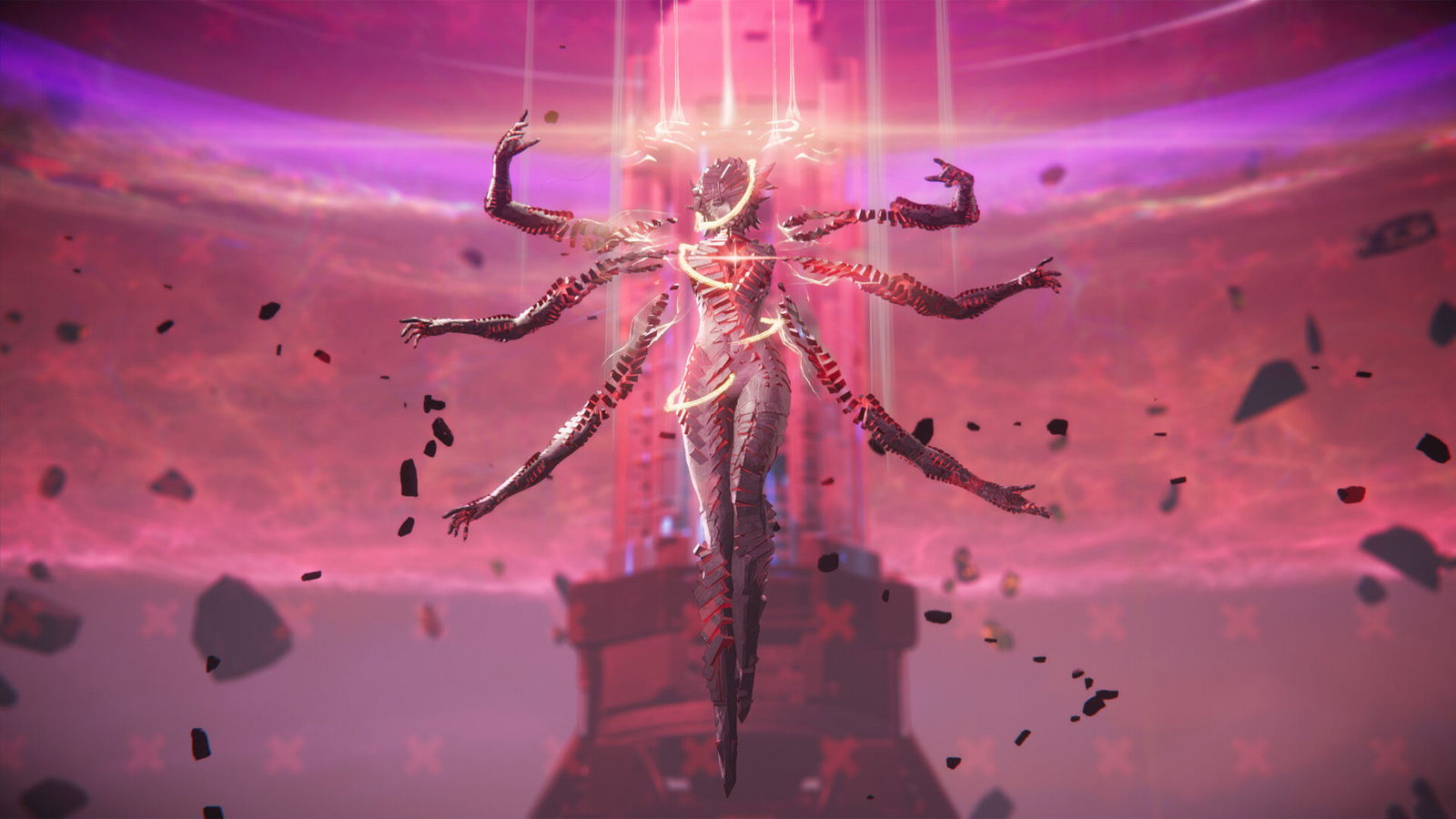
It’s something that genuinely impressed me, considering a free-to-play gacha game could’ve really phoned in the story, given the… let’s say engaging nature of gacha gameplay. Seeing the amount of work and care put into the depth and emotional resonance within the story is actually on par with most big-budget RPGs.
“…It keeps combat really fast-paced and fluid while not overwhelming the player with a lot of systems and functions.”
However, Arknights: Endfield also does something I don’t love in games like these—namely, having every NPC tell you how earth-shatteringly amazing you are. I get it’s part of the plot that the player is meant to be the leader of everyone, but starting as a powerless, Level 1 mook while every character reacts to you like you’re a god amongst mortals just feels very tonally odd. Its been 10 years, you’re telling me no one else stepped in to fill the leadership gap?
But as I spoke about in my preview, what really hooked me on Arknights: Endfield was the gameplay. It’s got a surprising wealth of content inspired by several types of games. Front and center is the game’s combat, which uses a fairly straightforward action-RPG style with some interesting twists.
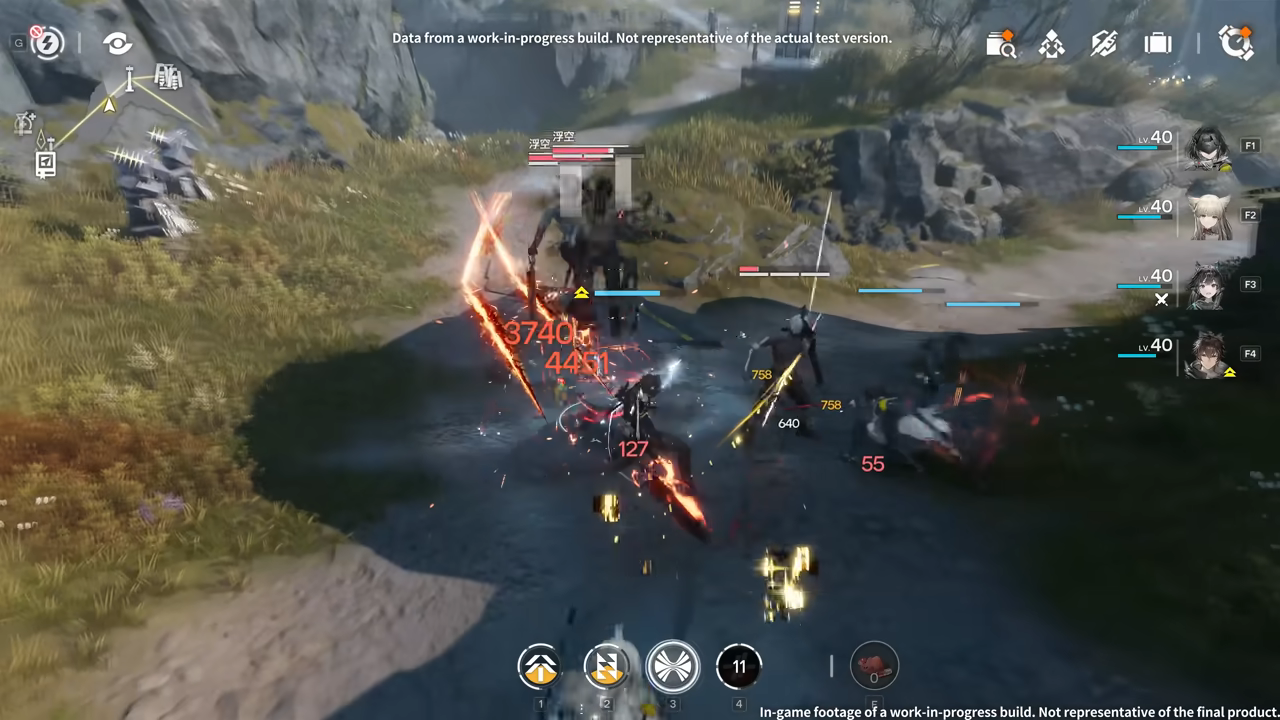
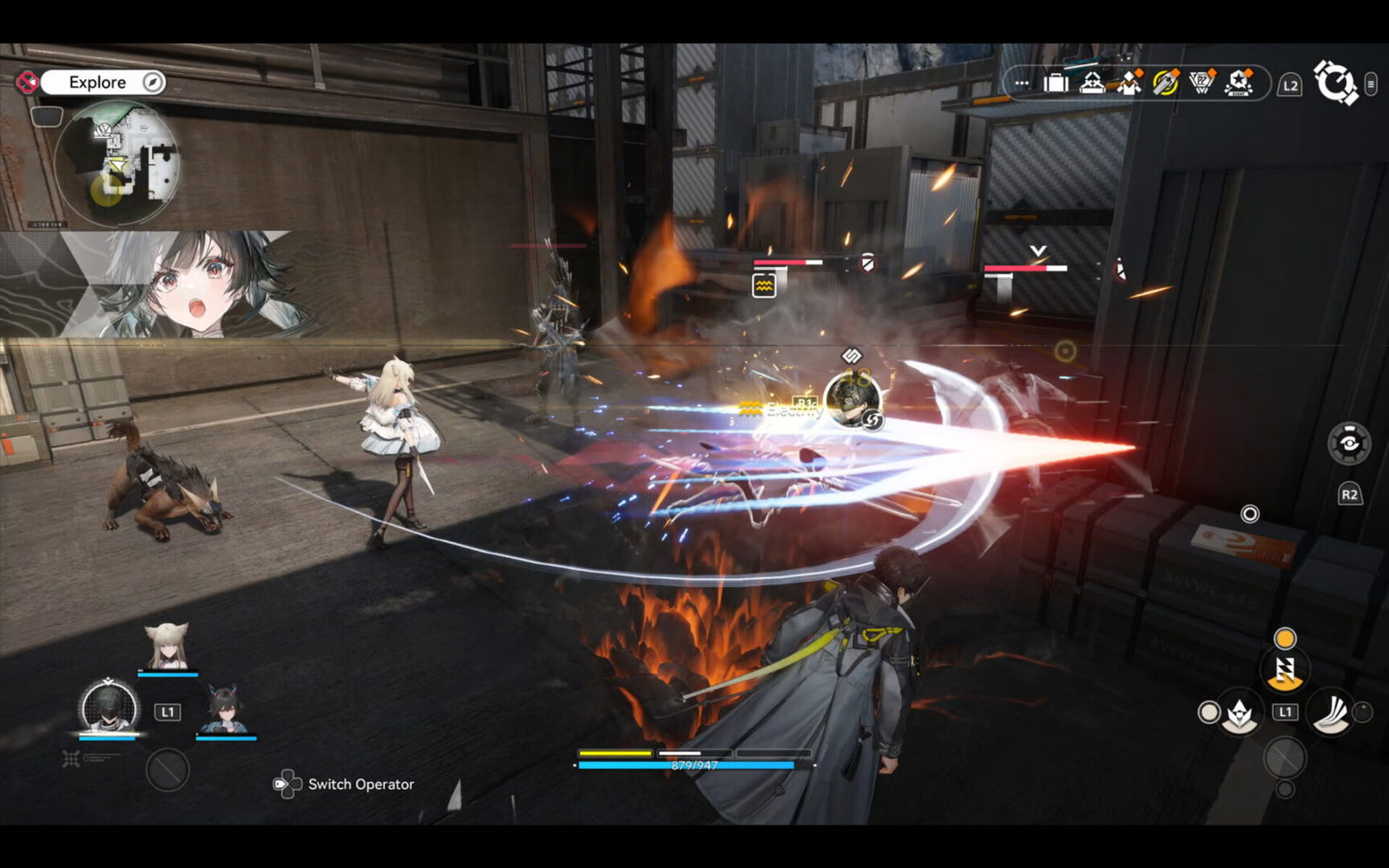
As I mentioned in my preview, players will form teams of four, primarily controlling the Endministrator. Combat typically uses a simple standard combo—that changes a little if players land a perfect dodge—that, if completed successfully, will build an enemy’s stagger meter. Staggered enemies are susceptible to big damage Coup De Gras attacks.
But how well you do in combat depends on how you build your team, since each Operator has different elemental abilities that can be unleashed through their special attacks. Rather than needing to manage different characters, special attacks or finishing combos can trigger chain-attacks with party members to increase damage dealt to enemies.
It keeps combat fast-paced and fluid without overwhelming the player with too many systems and functions. On top of this, there’s a fairly robust Skill and Weapon system that allows players a lot of flexibility and versatility between the Endministrator and Operators, and gives players a lot of options to really maximize their builds and team synergies.
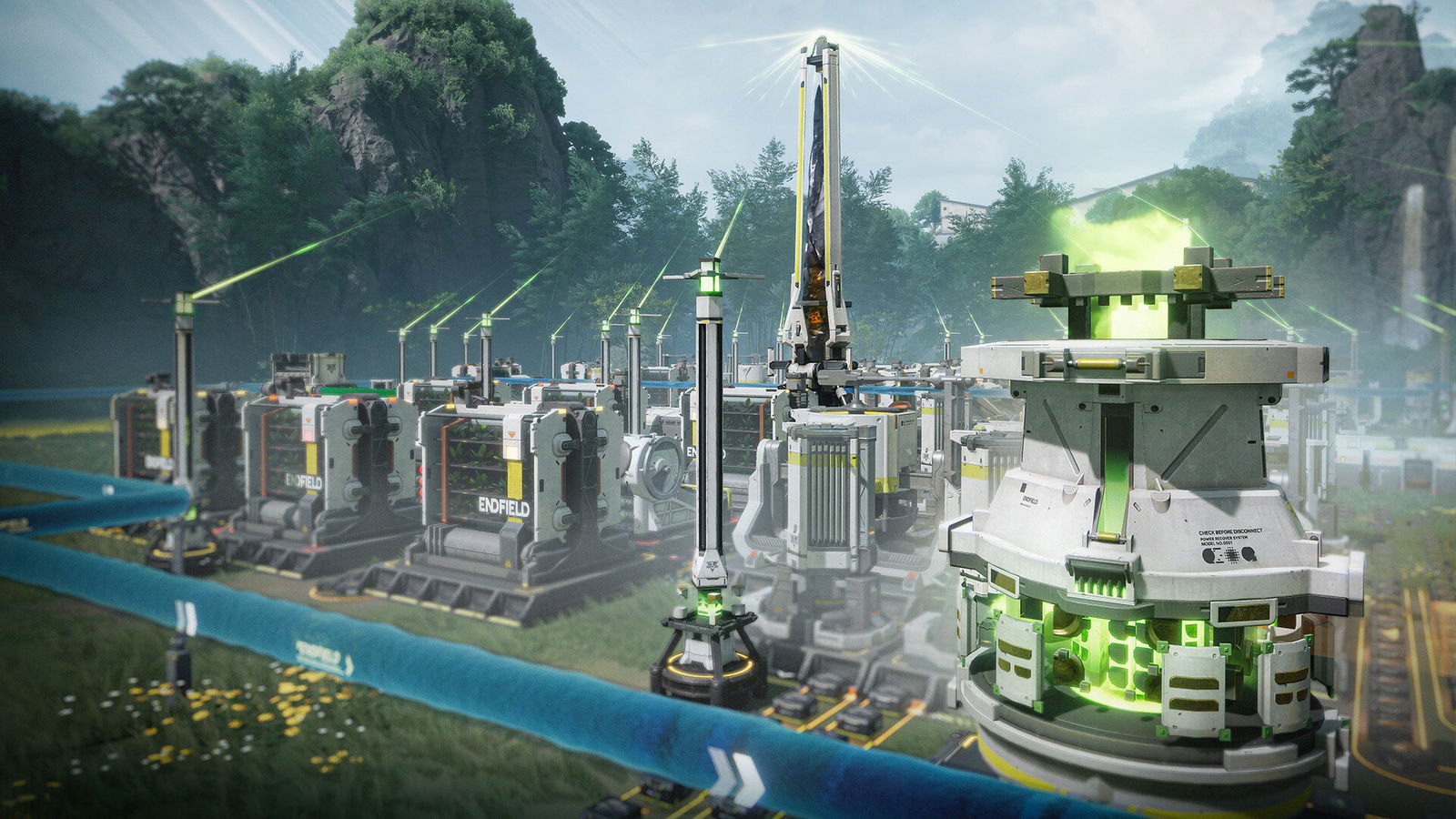
Outside of the combat, there’s the Factorio-styled factory building, which I honestly thought was a strange, albeit interesting choice. It adds a nice break from the action and drama—while still providing a necessary connection to the main game. Players can deploy mining drills on mineral deposits throughout the world in order to process the materials into items that can be utilized for crafting and upgrades.
The factory building can get pretty complex, but players are eased into it at a pretty decent pace. You start with a few simple loaders, convey belts and processors, but pretty soon you’re routing different liquids into specialized engines and converters in order to make more complex materials. And the factory building plays into the other form of gameplay that Arknights: Endfield—Environmental Engineering.
“Arknights: Endfield surprised me more than once now, and that’s pretty impressive for this kind of game.”
As players explore Talon II, they’ll be able to create constructs—such as Ziplines that help them get around more quickly, energy relays that can be used for “systemic puzzles,” and structures that expand their building capabilities across certain zones. The interesting thing about this is that, similarly to Death Stranding, Arknights: Endfield uses an asynchronous multiplayer element, where objects placed in your game can be shared with others to make their game a little easier.
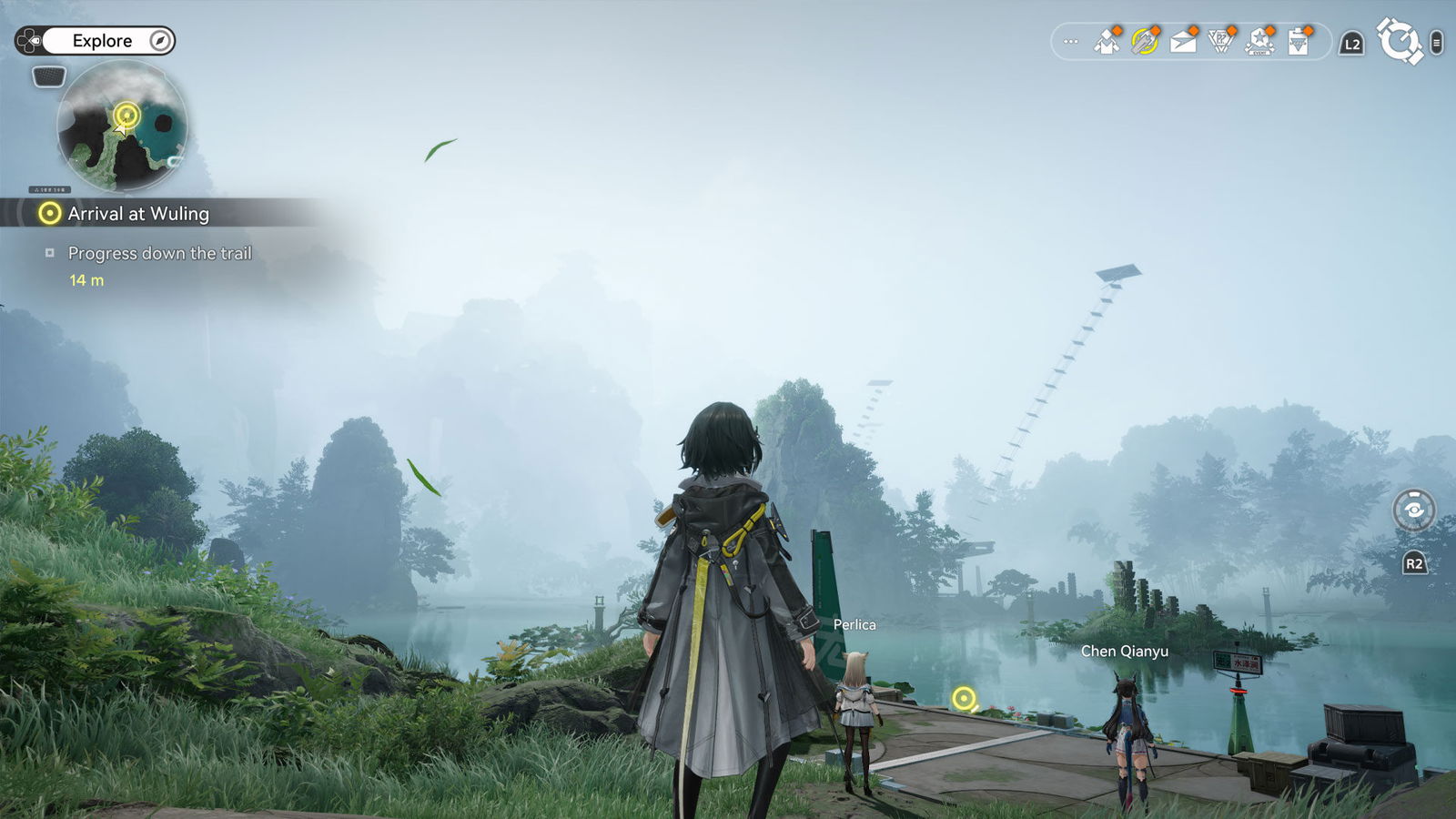
It’s the kind of thing that, since I loved it in Death Stranding, I’ve always wanted to see more games utilize the idea. It fits in nicely with the game’s overall narrative of people working together to live in peace on this new frontier, and also makes the world feel a bit more connected. It adds elements of an MMO experience, without needing to add all the other people to get in the way.
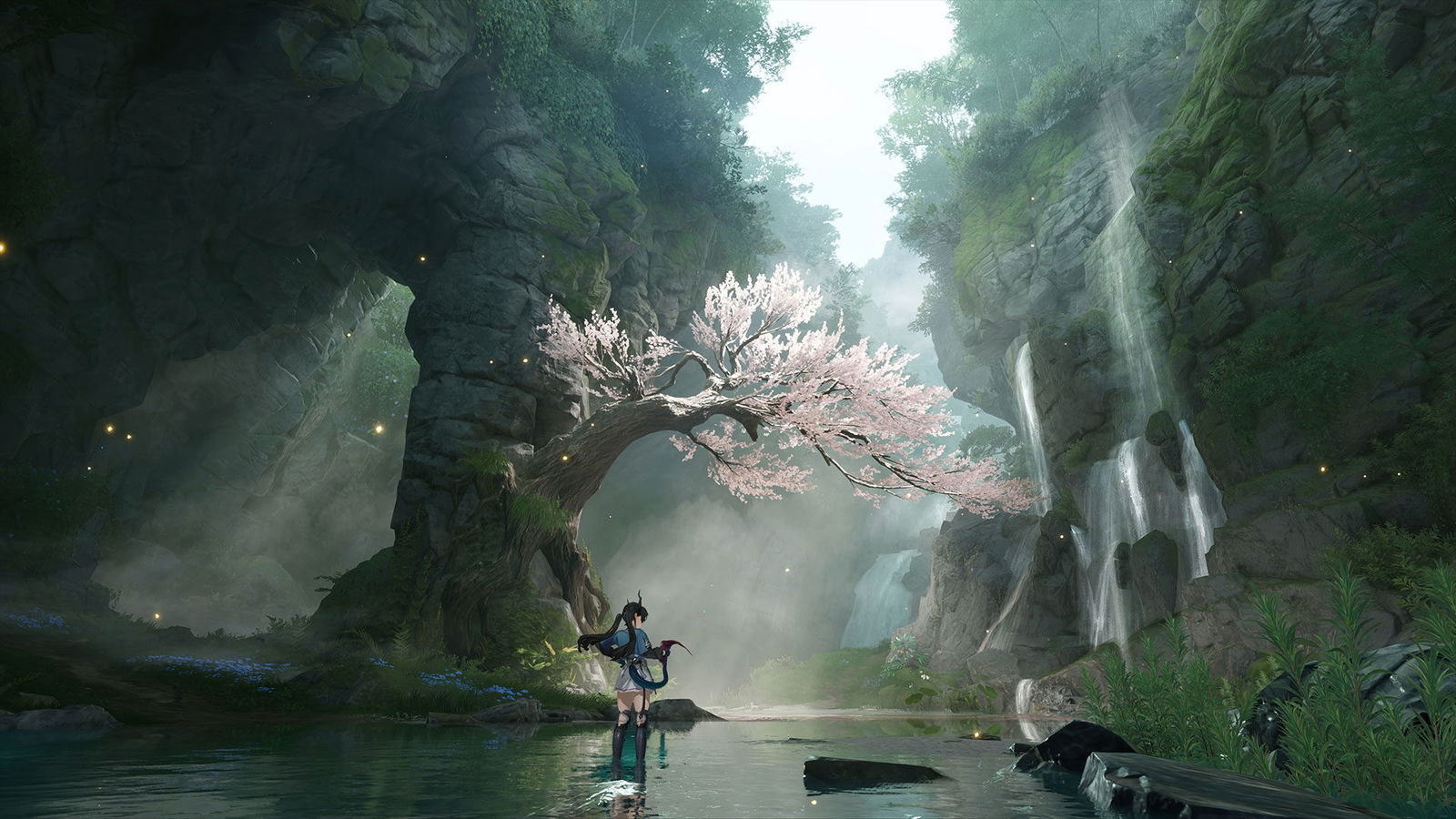
Visually, Arknights: Endfield combines a uniquely shaded anime aesthetic with a vibrant and dynamic world that makes it incredibly interesting to experience. The contrast between the characters and the more realistically rendered environments makes them stand out and feel like an anime come to life. The Operators, in particular, are incredibly detailed and have a lot of visual variety. Not only that, but a lot of the combat particle effects are flashy and bring a lot of excitement to each battle.
However, if I have one gripe with the character models, it’s with the more…generic NPCs. They lack the same kind of visual diversity as the main Operators and often appear like basic humans, with animal features thoughtlessly grafted onto them. Sometimes they’ll have rabbit ears or a lizard tail, but they’re in boring, mundane clothes without any distinct bodily features, and it ends up feeling a bit lazy.
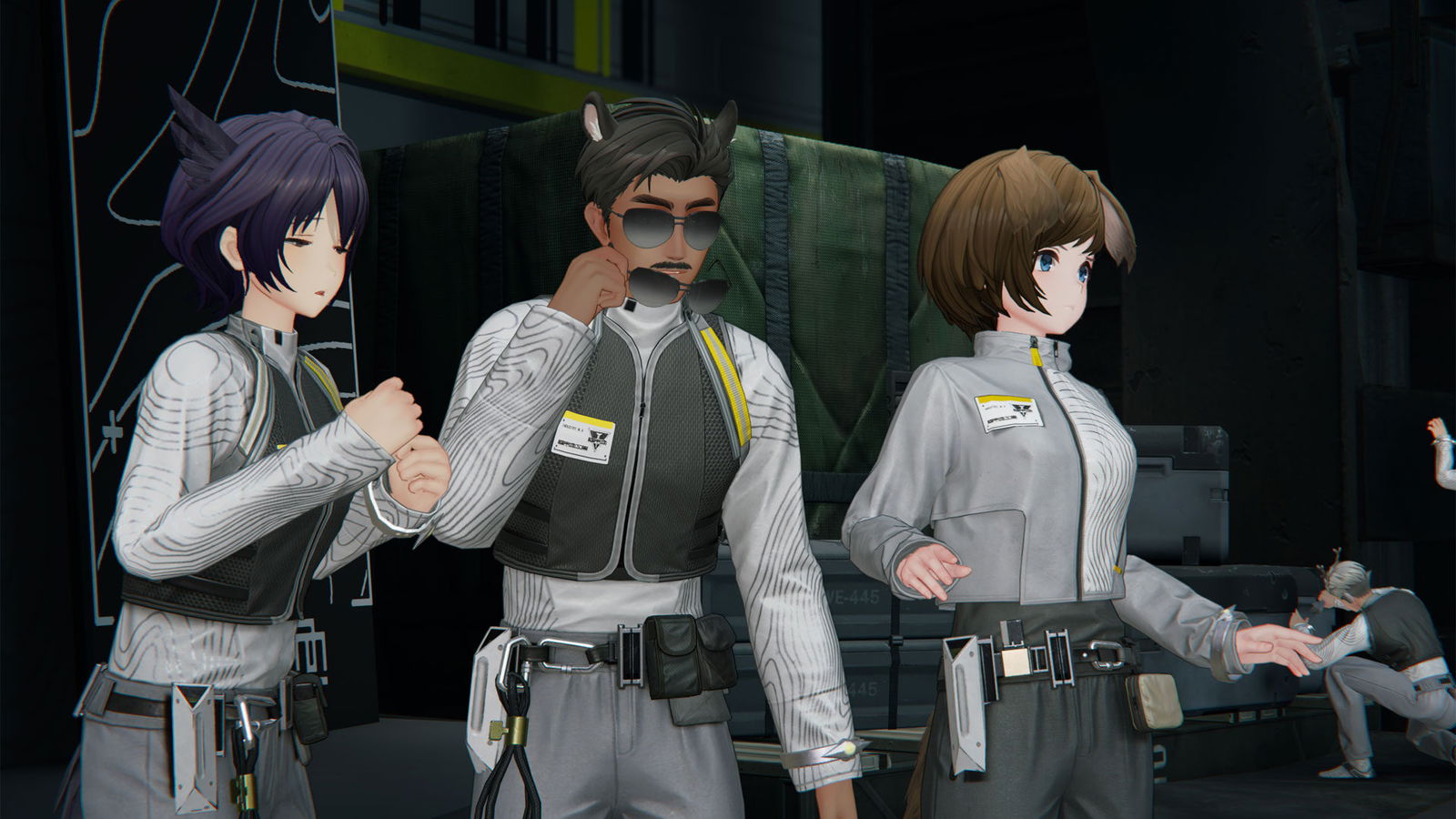
Also, big kudos to whoever left in the cutscene where a character removes his glasses in disbelief, only to reveal another pair of glasses. I heard a lot of people laugh at this during my preview with the game, and I assumed it was a visual glitch, but it was present in the review build I received, so I am now convinced it was an intentional joke. I only wish he kept removing glasses to keep revealing more glasses.
The visuals in Arknights: Endfield are backed by a solid soundtrack that does an excellent job capturing the mood of each moment. From bombastic operatic themes that convey the scale of monstrous boss fights, to more sombre or intense moments, Arknights: Endfield’s soundtrack runs the gamut and really makes the game feel genuine. The soundtrack is accompanied by some excellent voice work that makes each cutscene feel genuine.
Lastly, as a free-to-play game, I was pretty impressed that Arknights: Endfield didn’t have a mountain of currencies, creating a confusopoly within its economic ecosystem. There’s one premium currency, and while I don’t love that there are three distinct in-game currencies used for different functions, it’s not as obnoxious as other games I’ve played in the recent past. Not only that, but for how much is actually in the game, the free-to-play economic model doesn’t feel as egregious as it could.
Arknights: Endfield surprised me more than once now, and that’s pretty impressive for this kind of game. I honestly didn’t think I could be this pleased with a gacha game, but it’s proven to me that this genre is capable of containing thoughtful, deeply engaging games. As Ryan said, “Gacha’s core is only a business model. What truly earns players’ recognition is the quality of the game itself.” And Arknights: Endfield certainly earns its recognition.