
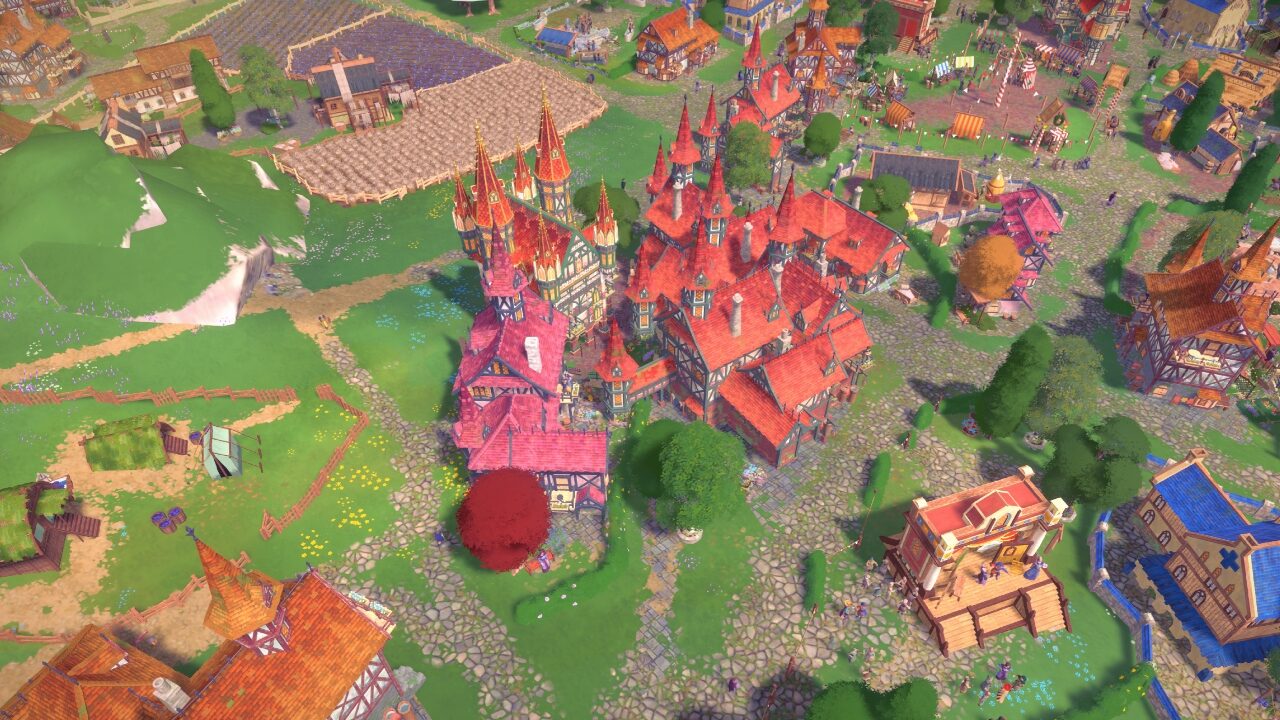

I have been hopping from city builder to city builder lately, so obviously, I was excited to check out City Tales – Medieval Era for its 1.0 launch. Originally launching in early access in May 2025, the game has quite a few “Very Positive” reviews on Steam, but not enough in my opinion. Now we are launching City Tales – Medieval Era 1.0, and with over 20 hours on a single map, I can confidently say the game is bringing a lot to the table.
When you jump into the game, you get to name your new city, choose whether you are a Lord, Lady or Leige, are introduced to your friends, and then you choose a difficulty and whether or not to play the tutorial. Bard, Settler or Advisor are the difficulties, with Bard offering controlled building placement and easier management of space and resources, Settler being the base experience, and Advisor offering bigger challenges. There is also Painter, which means everything is free, and there is no narration. This is strictly to build freely and beautifully, should you so choose.
There are three maps that represent plains, peaks, and meadows. Each map has various starting locations to choose from. Some are larger and more spacious, others are closer to water; it all depends on what you want. Spoiler, though, you are eventually able to branch out to the rest of the area, but more on that later.
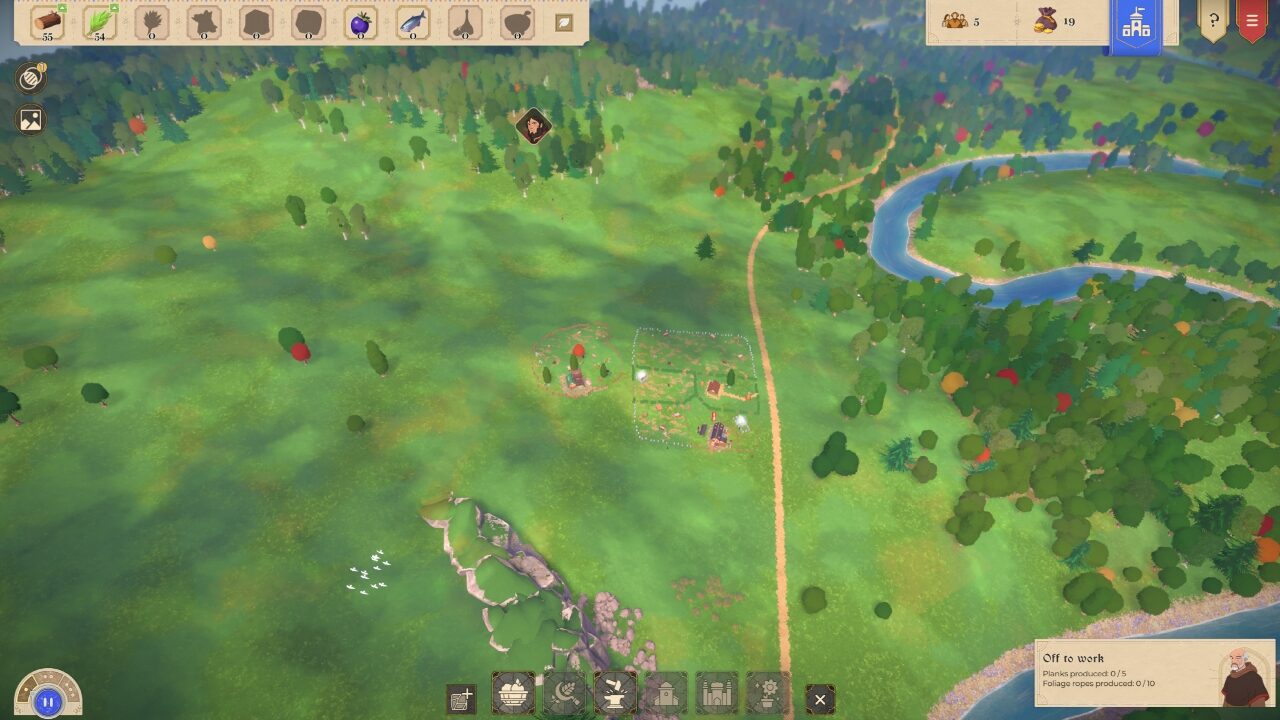
As far as the story goes, you are sent off to build your own kingdom, but luckily, you do not have to do it alone. As it goes in these kinds of games, you have your trusty advisor, but also a group of people who have been with you for most of your life: Isobel, Misha, Judith, Alberic, Eike, and Rowena. They all have a story.
“City Tales – Medieval Era offers a fresh take on the city builder formula.”
For instance, Alberic has always watched over you like a father, Mischa is your childhood friend, and Rowna was born a poor country girl. These stories play into the game later on through companion quests, though nothing is too deep. You also gain new companions as the story progresses, too, just something to keep in mind.
City Tales – Medieval Era offers similar gameplay to most city builders out there. Start small, learn the ropes, and slowly develop your world, using what you have learned, upgrading buildings and expanding to new areas. Something that is different is the introduction of districts. Instead of placing each individual home or building, you place a district, and based on its size, it will fill with homes. You can then swap out the homes for buildings that will make your villagers happy.
These buildings start small, like a Well for water and a Trading Plaza, but eventually more are introduced, like the Chapel, Performance Stage, Pharmacy and Elementary School. These buildings will be what allows your homes to be upgraded, starting with just one or two needs, and growing as your homes start from I to V. These buildings can also be upgraded as the story progresses, and some houses will need higher-level buildings to grow.
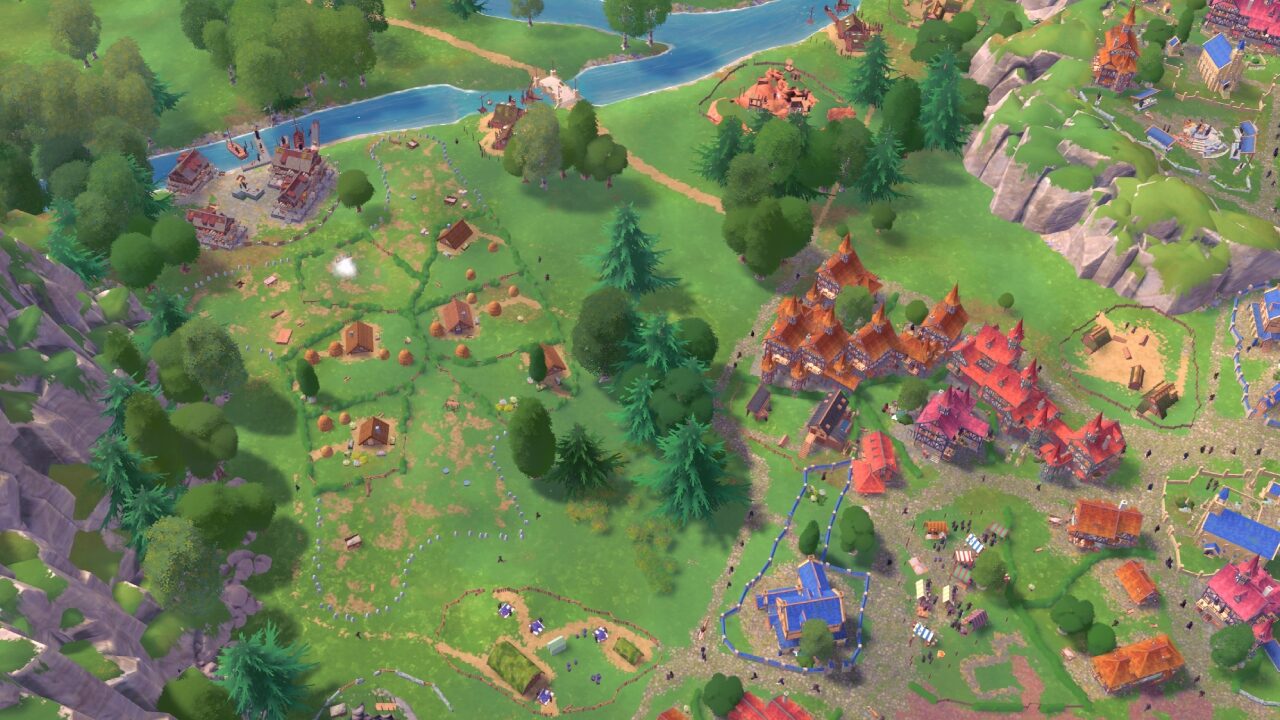
It sounds simple, but each district can only have two of these buildings, and the reach isn’t incredibly far to other districts, so it can take careful planning later on in the game. Also, when you add one to a district that already has homes, you have to refund those people their money, so it is something else to keep an eye on.
From there, you then have to find places for your production buildings, like Bakeries or your Spinning Workshop. These will also replace homes in districts, though some will have their own spaces, like Sand Pits and Iron Mines. Each of these buildings requires one of your companions to get it started, so to speak. Think of it like a manager. They need to be there to get things started, and over time, the buildings will function on their own. Keep your companions there a little longer, and they function better, and even longer, they will earn prestige on their own.
As your companions work these jobs, they gain skills, up to level eight, based on what they are doing, so Gathering, Craftmanship (yes, the “s” is missing in the game, I did not spell it wrong), Farming, etc. You can choose to have one person master each skill, or have each person work a little on everything, but those skills will come into play later in the game. Also, the higher someone’s skill, the faster the building they manage becomes autonomous.
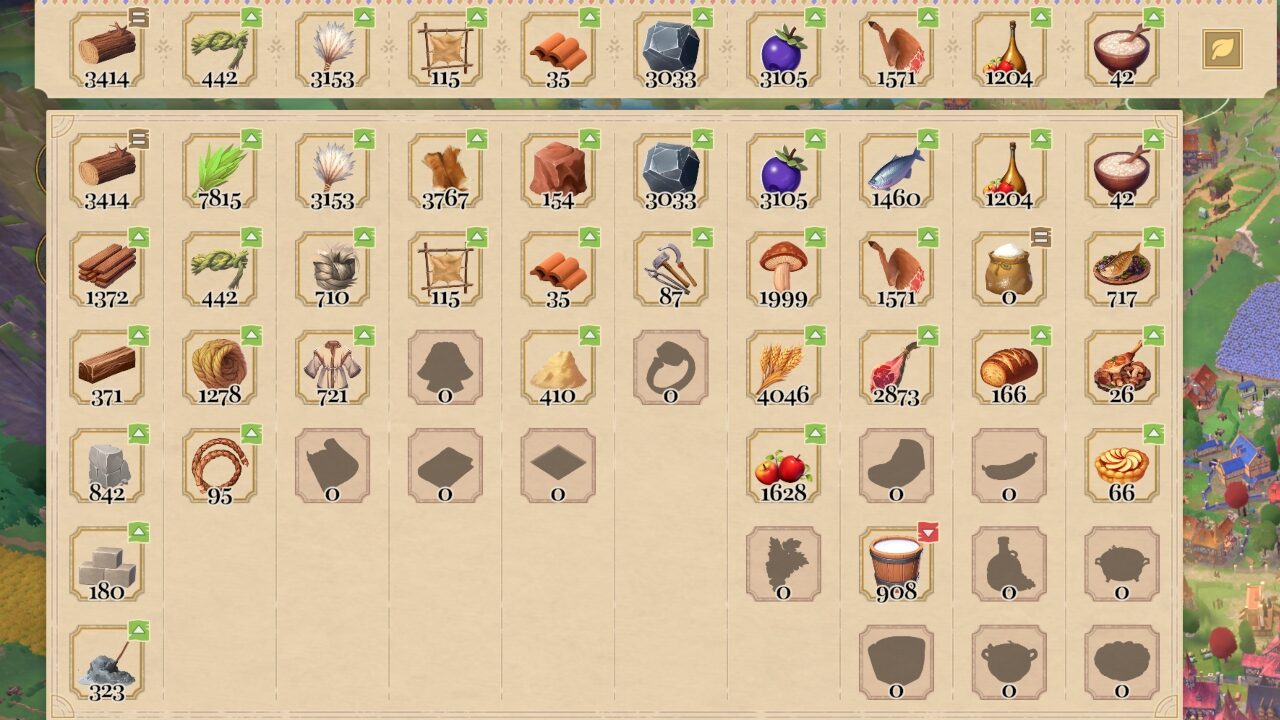
City Tales – Medieval Era does a great job easing you into things, almost too well. At the beginning, I felt like there was really no challenge. Even later in the game, it is pretty easy to just throw down a new district to get what you need, until you start running out of space. So, for those who want a cozier city builder that is a bit more forgiving, City Tales – Medieval Era is a great one for you.
“City Tales – Medieval Era sunk its city builder claws into me.”
That isn’t to say it is without challenge for those looking for more. First, there is the harder difficulty, which always gives a little boost in challenges. For me, though, the biggest challenge comes in planning for the future, and now that I have made it further in the game a few times, I am eager to start City Tales – Medieval Era over again with late-game mechanics in mind.
During late-game progression, you start to unlock something called Hamlets. This is where your companions will really come into play, and where you are able to explore more of the land. As you progress and gain more villagers, you can open more Hamlets. I believe it is five in total, with the last coming at 6000 villagers. Hamlets are an extension of your city, where you can place other areas on the map. This comes in handy for new materials that aren’t available on your main map, or just for expansion overall.
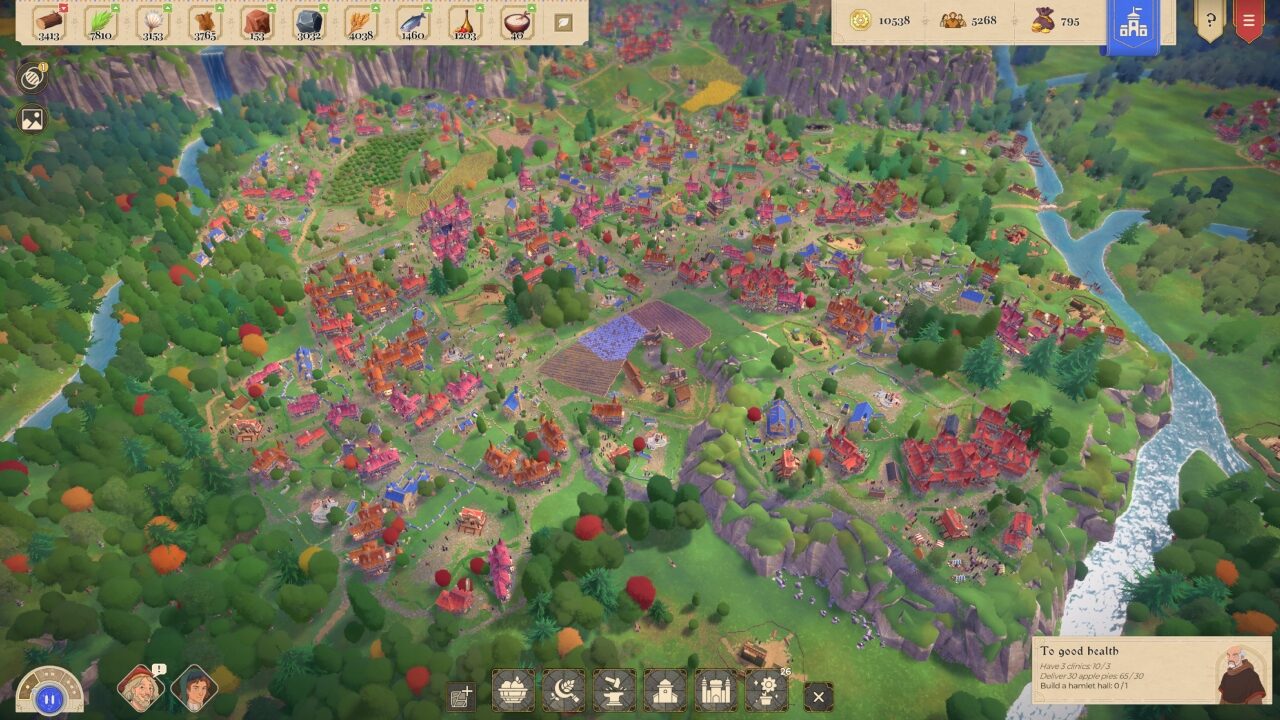
You have to send a companion to begin this Hamlet, and they are not available for other activities for a short time while they are starting the area. After a while, you can move them in and out as needed. However, the skills of the companion you send will directly affect the buildings within the Hamlet while they are stationed there. If they have a maximum Gathering skill, but you are placing nothing but farms in the Hamlet, you won’t benefit from their bonuses. It is important to note that the bonuses are only there while your companion is in the Settlement Hall; if they are off, starting other buildings or working on skills, the bonuses don’t take effect.
Having played through City Tales – Medieval Era, I now want to go back into the game with a plan in mind to see how differently it can play out. Right now, I have a lot of companions good at a lot and great at a little, and it doesn’t feel like I am ever struggling. I think that is perhaps my only issue with the game. I am always fine. It is easy to slap on some Band-Aids. You can leave the game running to stockpile resources and just power through upgrading everything. It is all a little too easy.
My other issue, which could come from my finding it too easy, is that I was finishing quests long before I had them. For example, a companion would need Cider, but I had already been stockpiling it for ages, so it would automatically complete. Often, I would need one autonomous X, and I would have already had it for ages. I am not sure what triggers each quest, but they went by really quickly and didn’t really affect anything because it was already done all the time. I also had a companion mention being in charge of my “first Hamlet” when I was on my fourth, so that was a little odd.
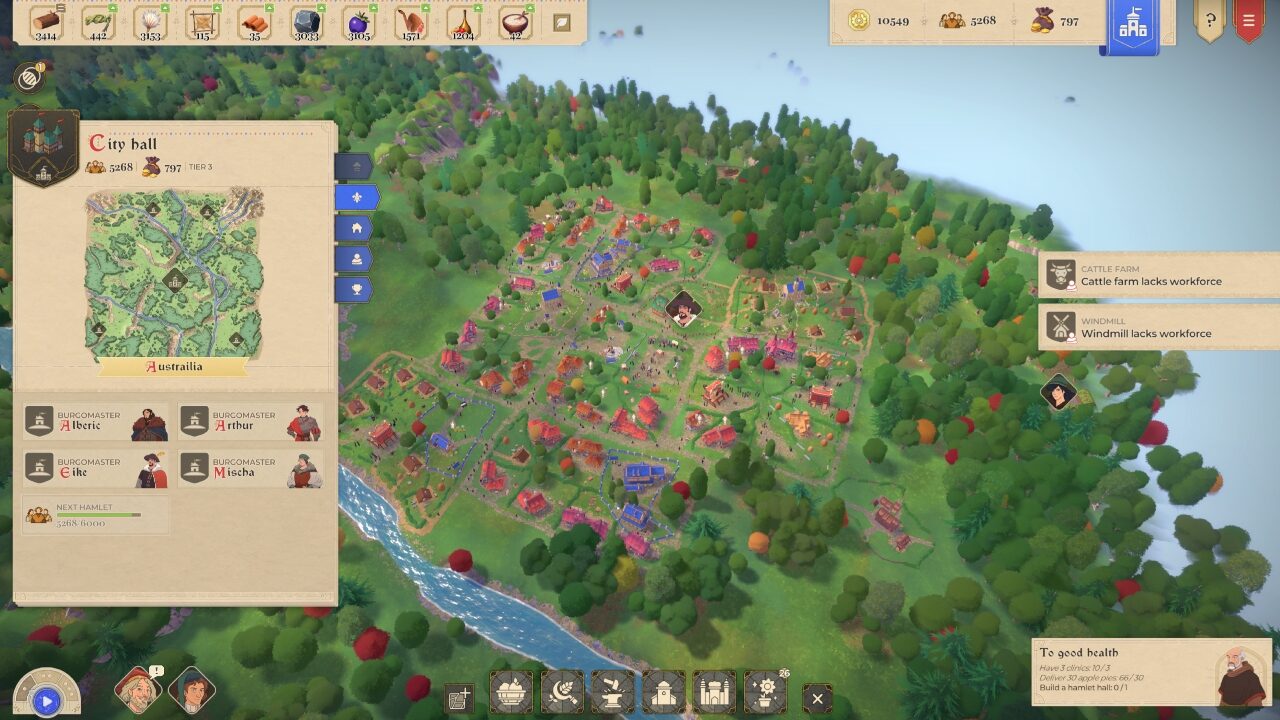
That being said, I was still fully hooked on making my world bigger and better, and I aim to continue after the review. City Tales – Medieval Era sunk its city builder claws into me, and even with the new Animal Crossing: New Horizons update this week, I am still set on developing my medieval world. I can still zoom in and snoop on my villagers too, which I always love, but they aren’t quite as details as, say, Pioneers of Pagonia, but the art style is uniquely its own.
City Tales – Medieval Era changes the formula of a city builder, and although it doesn’t bring extreme challenges as a game like Anno 117 would, it offers a fresh take on the genre. It is the perfect game to sink hours into without feeling the pressures that other builders might have.