
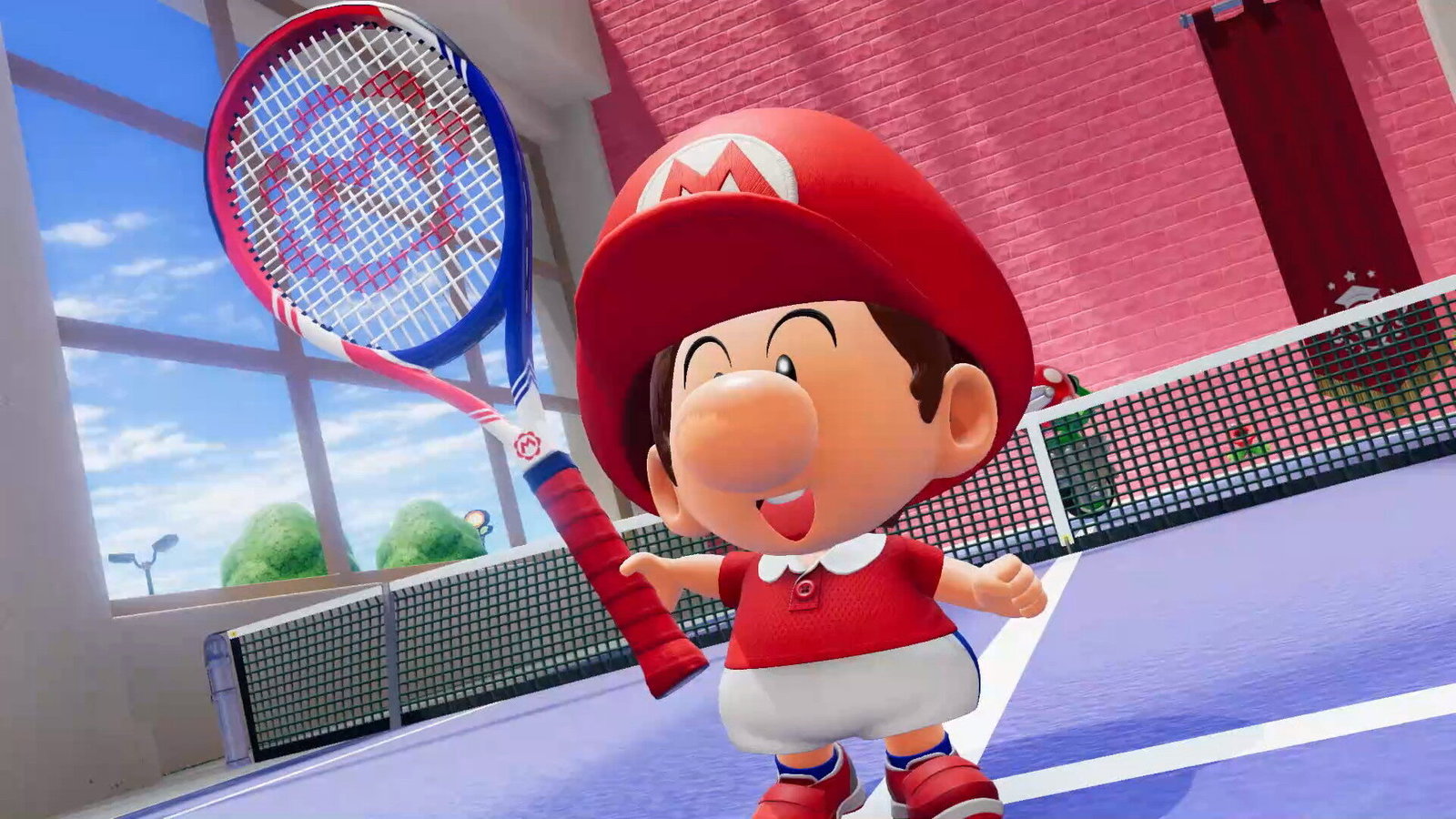


I was pretty excited to review Mario Tennis Fever since, as I’ve mentioned before, after playing the original Mario Tennis, I was actually inspired to learn the game in real life. That moment cemented a love for the game of tennis in my heart, and a greater love for the Mario Tennis series in general, as Mario Tennis on the Game Boy Colour continued to captivate me, and I’ve been compelled to play every entry since.
Coming off of Mario Tennis Aces, I had high hopes for Mario’s latest athletic adventure, because I really felt like that game kind of perfected the mechanics of the series—it’s a shame other people didn’t seem to stick with it for too long. And while I was initially a bit disappointed with what I was playing, it didn’t take long before I was hooked back in. Mario Tennis Aces feels like an effortless marriage of new ideas and classic sensibilities.
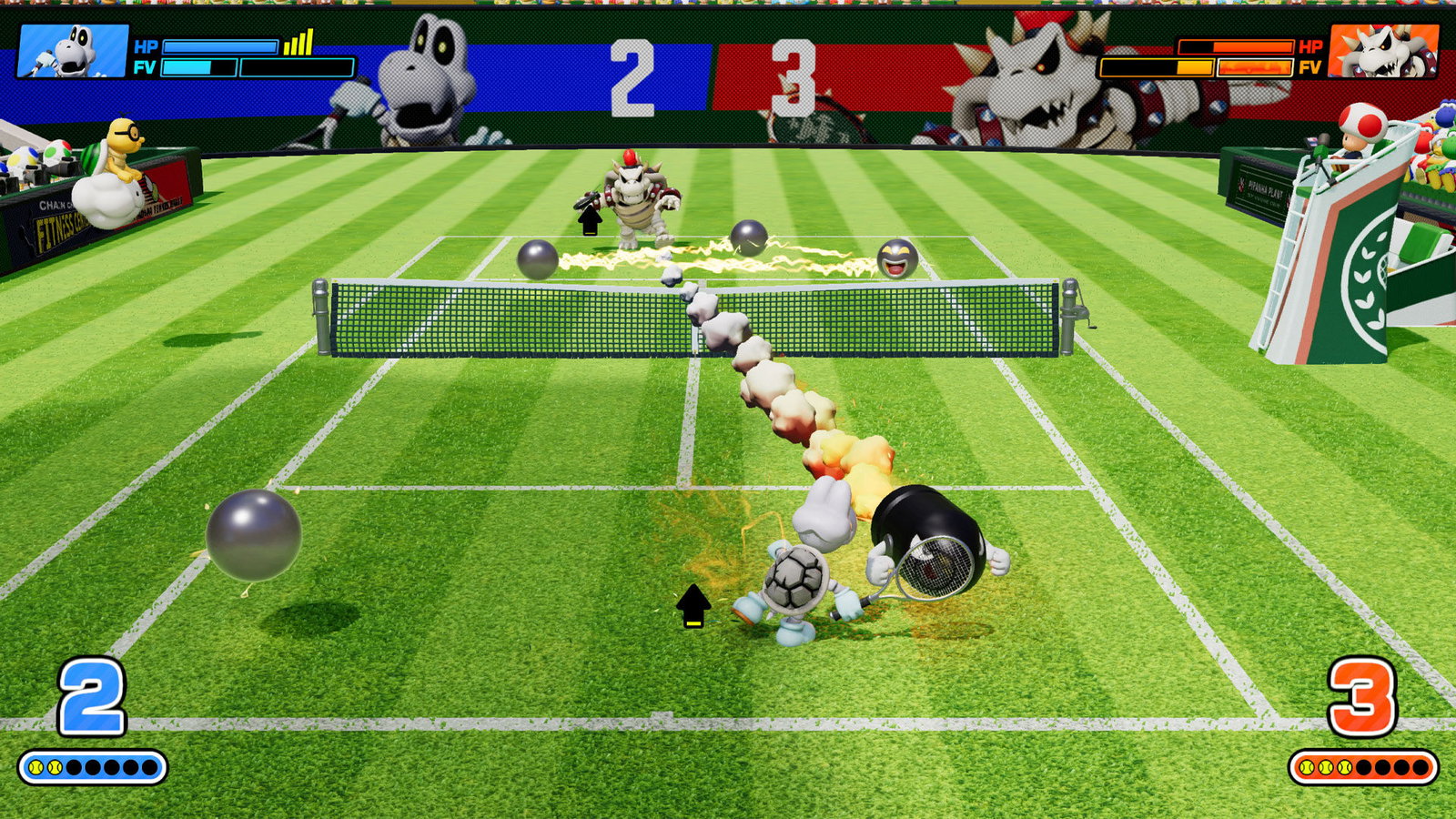
The first thing I did after launching Mario Tennis Fever was jump straight into the Free Play mode to get a feel for the game. Functionally, it’s as tight as experience as its predecessor, providing players with the same technical requirements to excel at they ame of tennis, but without a lot of the baggage that makes the game less fun. Players are still given a variety of shot types—top spin, slice, flat, etc.—and they’re relegated to a simple button press (or in the case of drop/lob shots, a two-button combo.)
When I started playing, I was a bit bummed out a little to learn that Mario Tennis Fever removed the “zone speed” and “zone shot” mechanics introduced in Mario Tennis Aces, because having a lot of unique recovery options is a big part of what makes that game fun. However, the more I played, the more I started to see that Mario Tennis Fever hadn’t so much removed them, but streamlined them in an interesting way that works with the new “Fever” mechanics.
As players volley shots, they’ll begin to build a meter that, once full, allows them to use “Fever Shots.” When using a normal racquet, if players use a fever shot, they’ll immediately close the distance between them and the ball, and set up for a powerful spiked shot. Instead of needing to aim a cursor for a specific shot, players are prompted to move the joystick left or right, deciding where they want to direct their shot.
Once you start to understand it, it becomes incredibly exciting to play, while also making the game far more accessible than its predecessor. It’s interesting to think back to the days of Mario Tennis on the Nintendo 64 or Game Boy Color, because that’s kind of what Mario Tennis Fever feels the closest to—both mechanically and thematically, but I’ll get to that in a second.
I had thought the removal of the Trick Shot ability would make recovering long shots a lot more difficult, but similar to the original Mario Tennis, characters can really make up the distance on their own in a fast and intuitive way. Once it gets going, it gets incredibly fun and tense because there’s a level of technicality you need to be aware of, but it’s so easy to control.
“…there’s just so much variety within Mario Tennis Fever.”
And if players really want to make things interesting, there are the newly added “Fever Racquets,” which feature a wide variety of abilities that can suit a player’s desired playstyle. These range from court hazards like fireballs, banana peels or ice patches that can put an opponent off balance, or more assistive abilities, like creating a shadow clone during a singles match to give yourself a competitive advantage.
And I like how Mario Tennis Fever balances Fever Shots in a similar way to blocking Zone Shots. If players are able to hit a Fever Shot before it hits the court, they can volley it and send the attack back to their opponents. However, opponents also have the potential to keep the volley going, sending it right back, so there’s a much more nuanced game of attack and defend than its predecessor, where a well-placed return simply cancelled a Zone Shot, or opportunistic players would just abuse the shots to break racquets for easy wins.
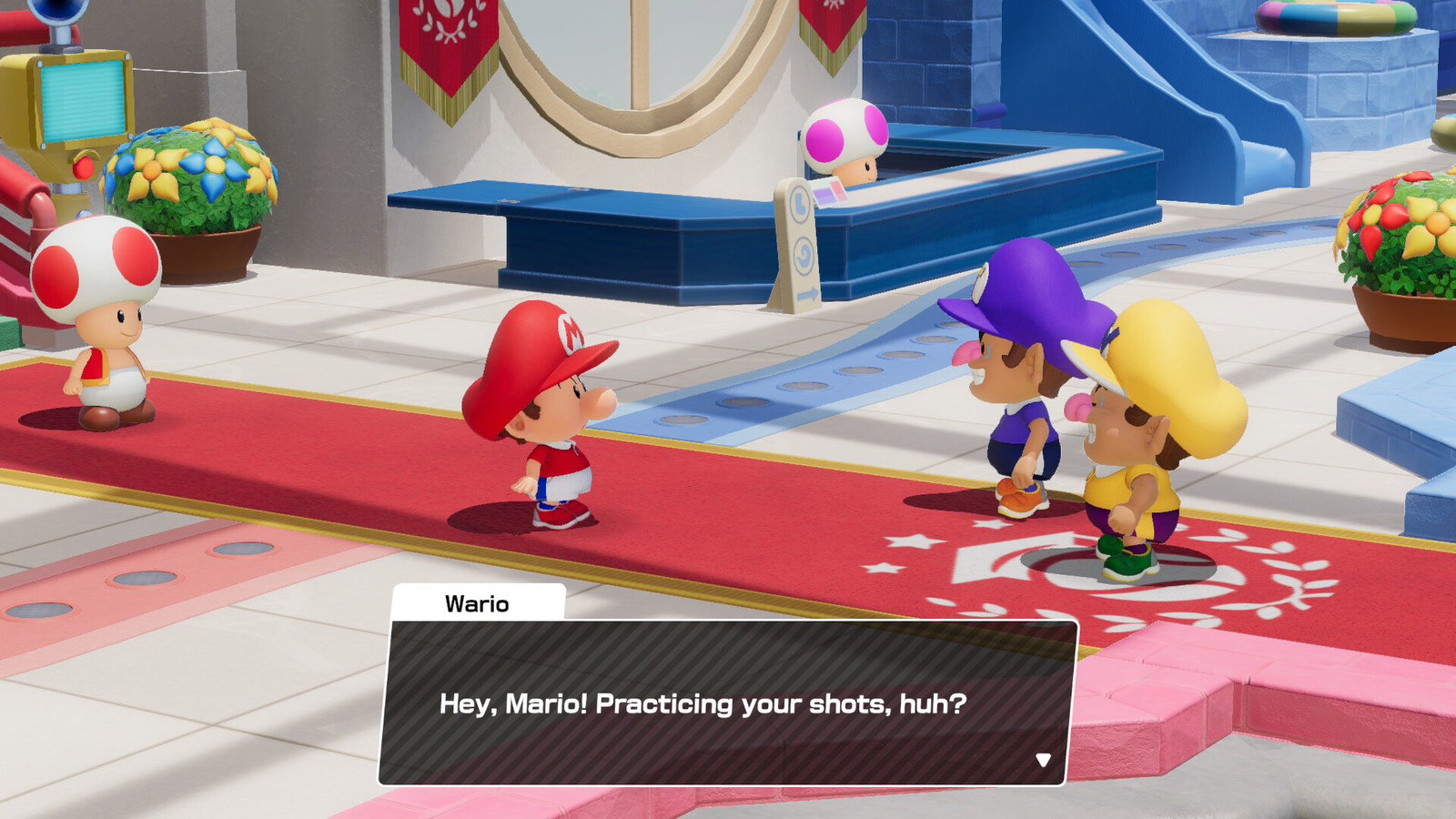
And there’s just so much variety within Mario Tennis Fever. The game’s story mode combines the more in-universe fantasy of its predecessors with the form and function of the Game Boy Color Mario Tennis’ RPG-style career mode. As was shown during the September 2025 Nintendo Direct, after Mario and his pals are turned into babies, they lose all of their Super abilities in the game of tennis.
In order to defeat the monsters that made them like this, they’ll need to go through the Tennis Academy’s training courses to build their strengths through a series of training exercises and tennis challenges—both conventional and unconventional. I really like just how big the Adventure mode feels, while also paying homage to one of the most beloved entries in the series. Furthermore, I really like how not every challenge is just a different version of the same game.
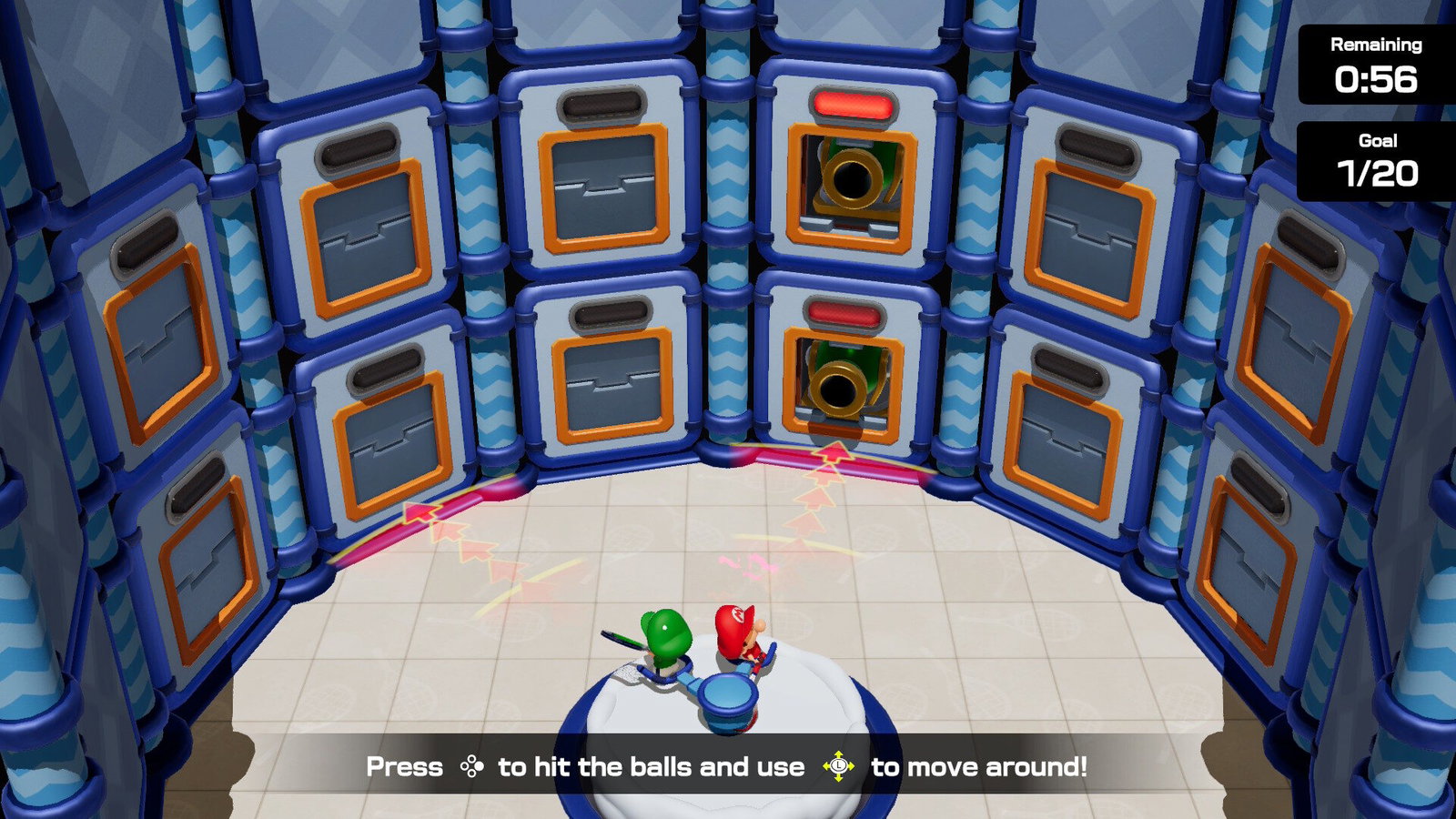
Several of the training exercises require playing little Mario Party–styled minigames that add a lot of fun and variety to the proceedings. It kind of reminded me of that era of N64 games, like Pokémon Stadium or Kirby 64: The Crystal Shards—where seemingly straightforward games had multiplayer minigames just for the sake of friends having fun. The rest of the adventure mode is so vast and dynamic that it really keeps you engaged and eager to see what comes next. It also gives players, for the first time ever, a baby version of Waluigi, which is no small feat on its own.
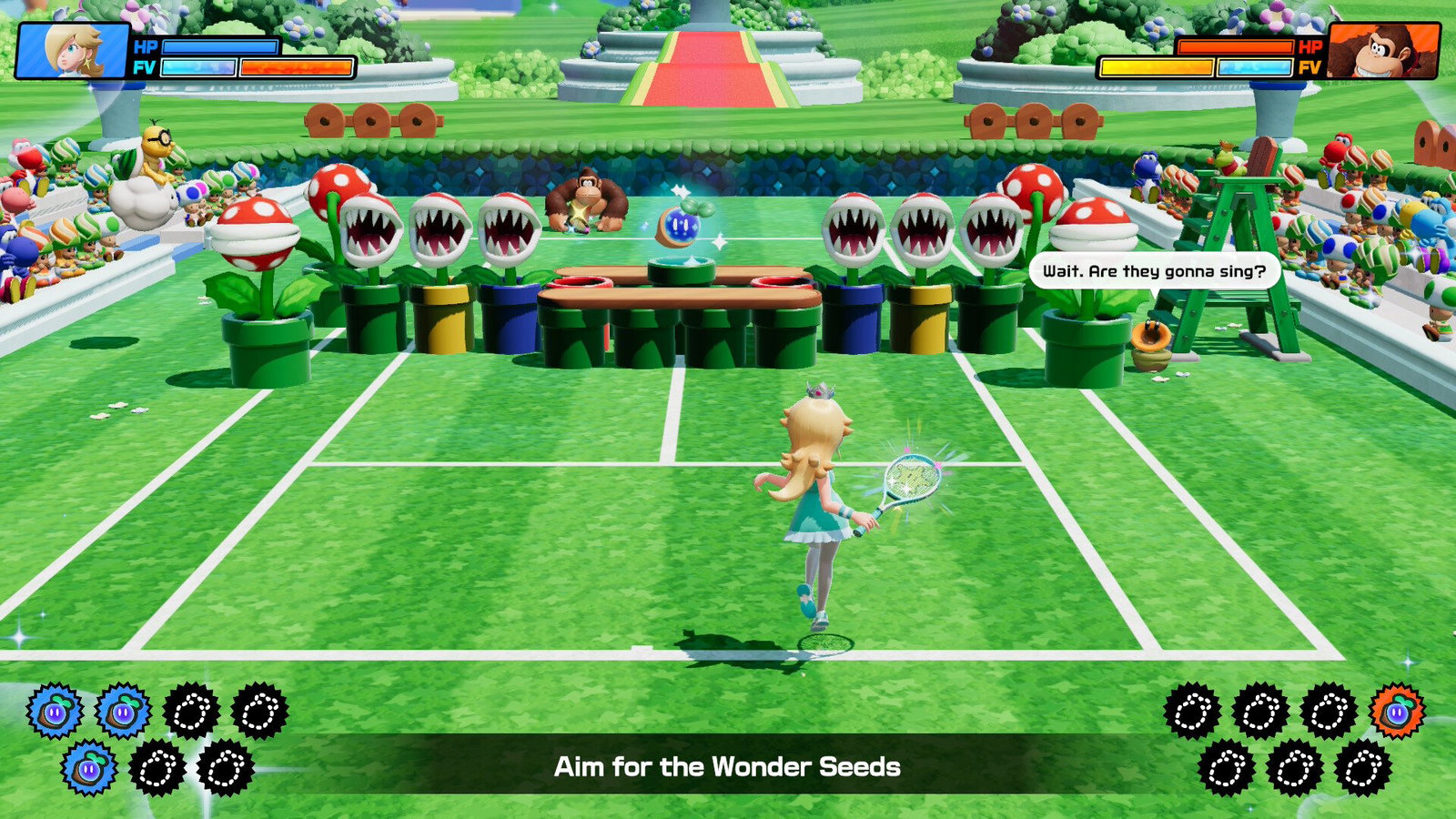
And while all of the extra game modes outside of the Adventure are pretty fun, I think the real showstealer is the “Wonder Court Match,” which was also shown briefly during the September 2025 Nintendo Direct. Players rally to score points off one another, as each one rewards them with a Wonder Seed. After a player gets three Wonder Seeds, a Wonder Flower appears, bringing with it a random event that completely changes the game.
Perhaps it was fate that the first time I tried the Wonder Court Match, the Wonder Effect I got was Piranha Plants on Parade—where Piranha Plants sang and danced in the middle of the court, blocking potential Wonder Seeds and requiring me to either aim my shots precisely, or knock them off their platform. It’s an incredibly fun mode where, much like the game it’s based on, you never really know what to expect.
“All things considered, Mario Tennis Fever might be the best entry in the series to date.”
While I understand why Mario Tennis Fever is a Nintendo Switch 2 exclusive, I can’t say for certain if it really needs to be. Visually, while it looks incredible with its high-definition details and use of bright primary colours, it doesn’t look markedly better than its predecessor on the Nintendo Switch. Performance-wise, it fares about the same, running at a consistent 60fps both in handheld and docked mode.
Although one weird thing I noticed with Mario Tennis Fever had to do with its audio. While its soundtrack is solid and feels very thematically like what you would expect from an entry in the series, there were a few moments where there was some pretty noticeable audio peaking.
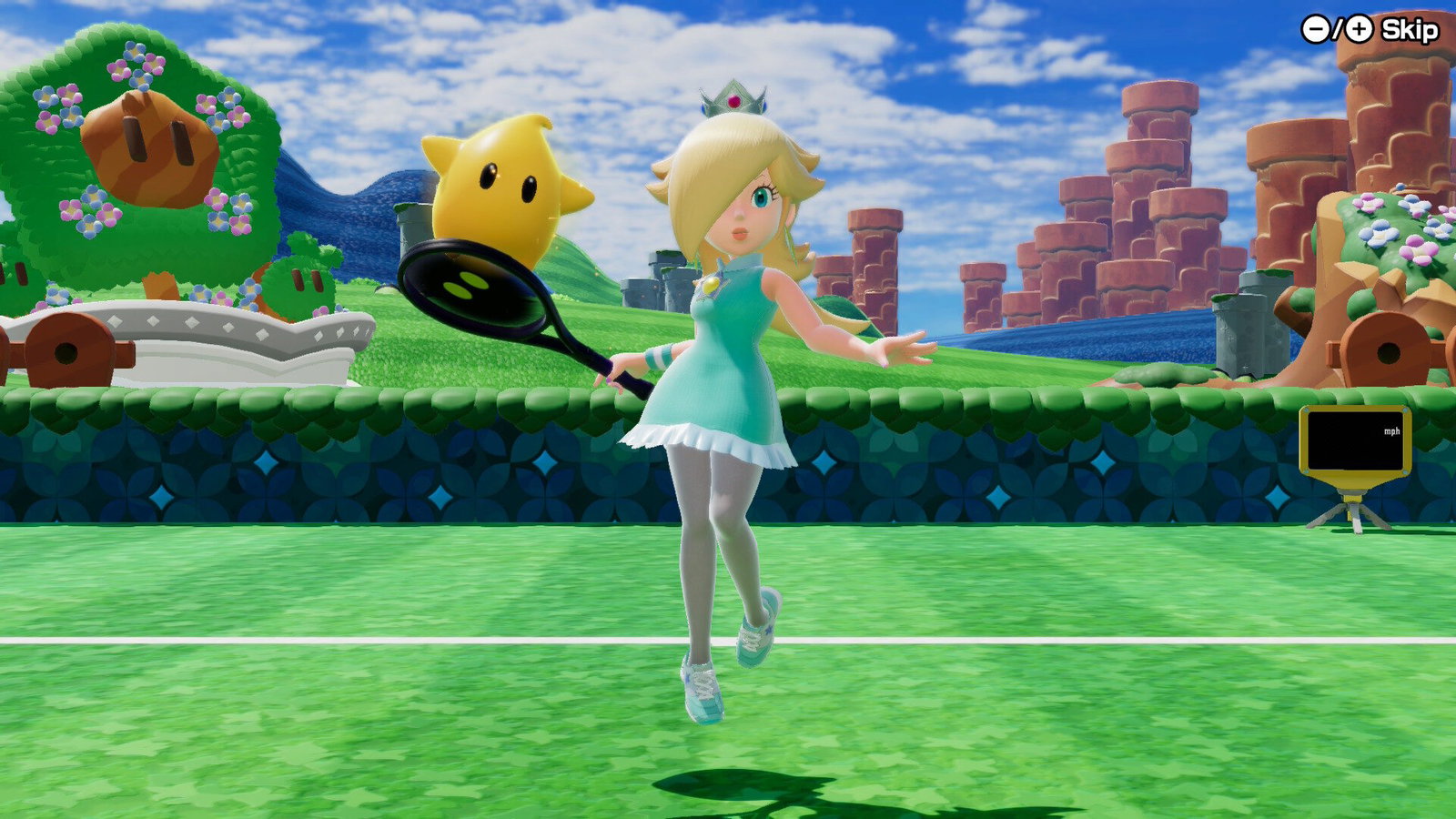
Other moments of some pretty noticeable repeat character chatter, both on and off the court, just made the game’s audio design feel kind of amateurish. While it’s not the end of the world, for the price of Nintendo Switch 2 games ($99.99 CAD), and the stature of the company, you’d honestly expect better.
All things considered, Mario Tennis Fever might be the best entry in the series to date. Its wealth of content, old-school sensibilities, combined with newschool design improvements, make it something for Mario Tennis fans old and new. It may seem odd that the Nintendo Switch 2 got a Mario Tennis before a proper Super Mario, but if the idea of this system is to get people playing and having fun together, then this game absolutely NAILS it.

- Swing onto the court for explosive action in the latest Mario Tennis game
- Combine topspins, slices, and other shots with new defensive maneuvers to outpace opponents
![Mario Tennis Fever Standard - Nintendo Switch 2 [Digital Code]](https://m.media-amazon.com/images/I/51KIk9bB4aL._SL160_.jpg "Mario Tennis Fever (Nintendo Switch 2) Review")
- Swing onto the court for explosive action in the latest Mario Tennis game
- Combine topspins, slices, and other shots with new defensive maneuvers to outpace opponents