

I have had the early access release of Pioneers of Pagonia in my Steam library for ages. Due to other reviews and a general lack of time, I had never jumped in, despite my love for city-builders, and reviewing Anno 117 took a lot of my time. Luckily, Envision Entertainment reached out with an offer for the 1.0 release of Pioneers of Pagonia, and I am glad they did. I am absolutely hooked and have spent just as many hours in it, if not more.
Pioneers of Pagonia is a game of rebuilding and exploration, but it is a city-builder that offers more ways to play than I have experienced before. New to version 1.0 is a full campaign in which your group travels from island to island, experiencing new land, people and mechanics. There are seven chapters, meaning seven islands, and they all follow a story. You will come into contact with other villages, abandoned villages and plenty of mystery and magic along the way.
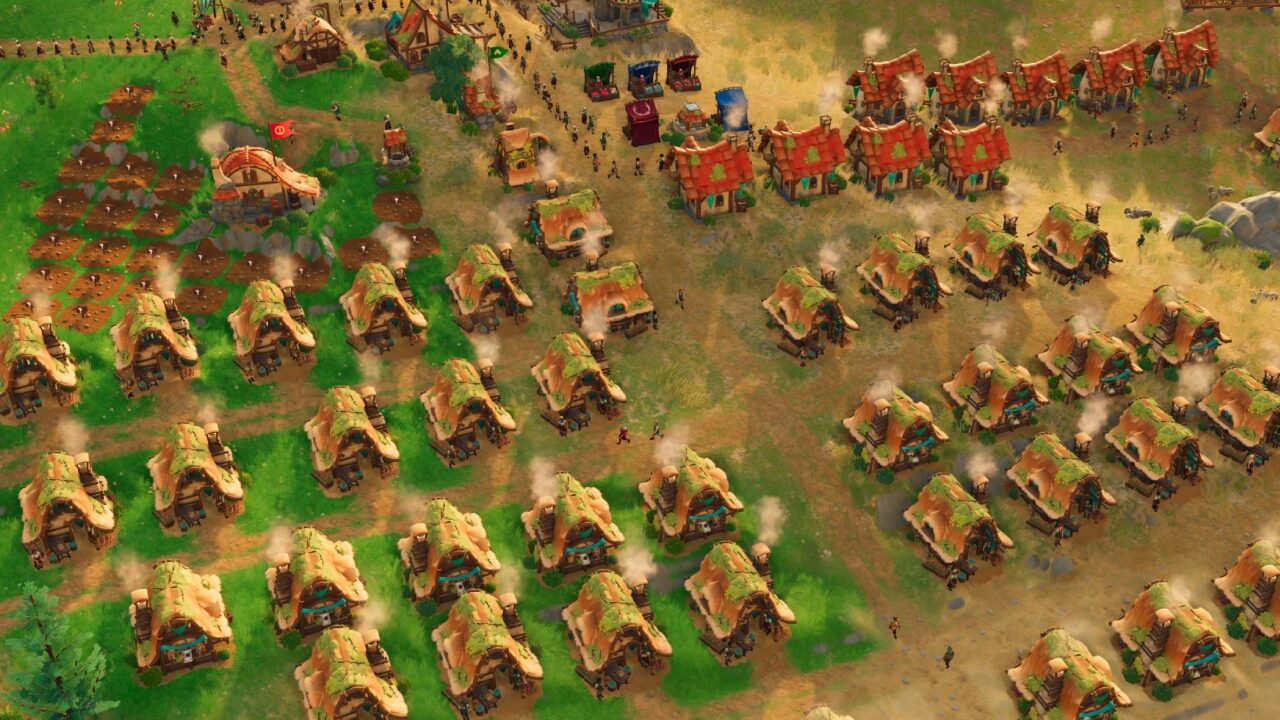
What I appreciate most about the campaign in Pioneers of Pagonia is that it also acts as the game’s tutorial in a completely natural way that is not overwhelming to the player. Each island offers new buildings, challenges, and mechanics, and it doesn’t feel like they are throwing a list of instructions at you. This was the first time in a city-builder where I didn’t spend the first several hours trying to recall what it taught me in the first 10 minutes, or get incredibly frustrated with something I didn’t understand. The campaign is interesting and educational, though I don’t see much replayability there, unless you just want to change things aesthetically.
“What I appreciate most about the campaign in Pioneers of Pagonia is that it also acts as the game’s tutorial in a completely natural way.”
Luckily, Pioneers of Pagonia has literally endless possibilities and ways to play. After you play through the campaign, you can play each map again individually, play custom maps, play pre-made maps outside of the campaign and even play maps made and uploaded by users. That’s a lot of maps. What is more interesting is how different each one can be, and I don’t just mean their shape or appearance.
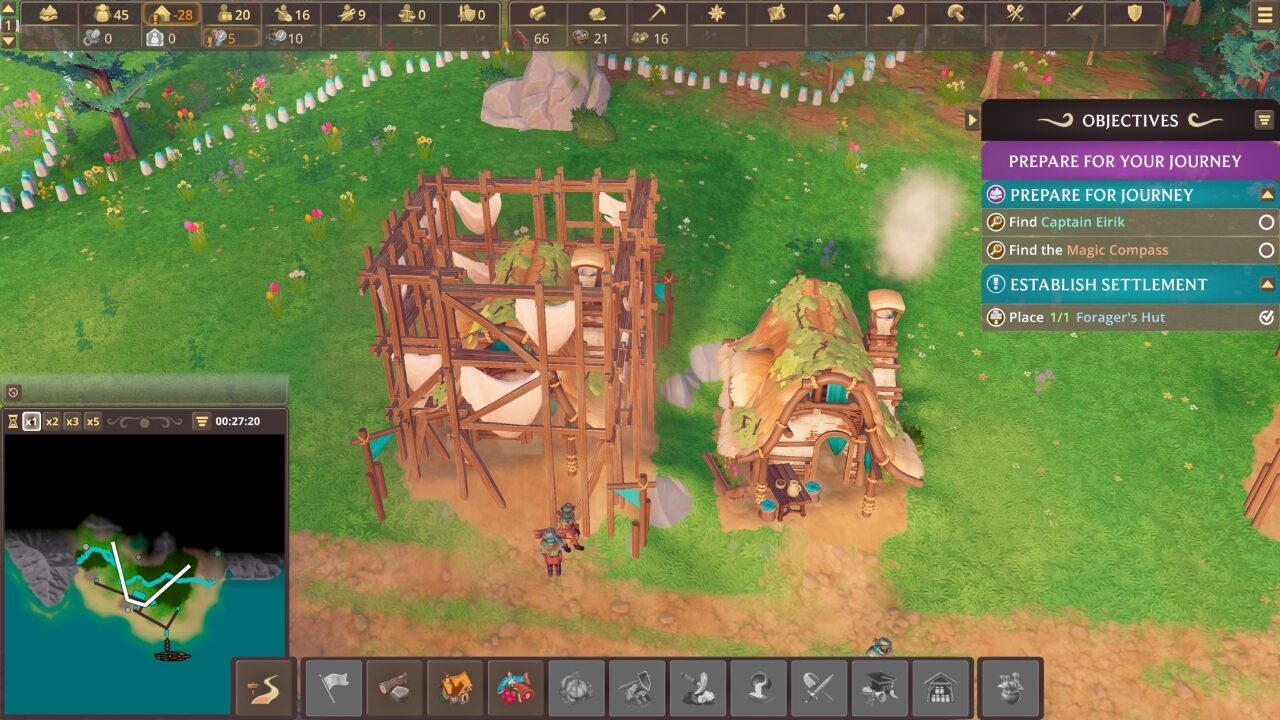
A map means so much more than just a map. There are so many variables in Pioneers of Pagonia that can make each map completely different from another. You can turn off combat and enemies altogether, or adjust their difficulty. You can choose the size of your map and even the style of light (sunrise, cloudy daytime, sunset, etc.). You can choose only enemies, so you need to conquer an island by force, or only objectives, so you can focus on villages, etc., or you can choose neither and just enjoy building on your new island.
Conquering and objectives are how you “complete” a map. Once you defeat everyone on the island or complete several objectives that are pre-set, a pop-up will tell you that you did it! You can choose to move on to a new map or continue building. On one map, I was able to merge with other villages and have access to their buildings as well as mine. There were even tiny fireworks! Again, more options. PoP is loaded with them.
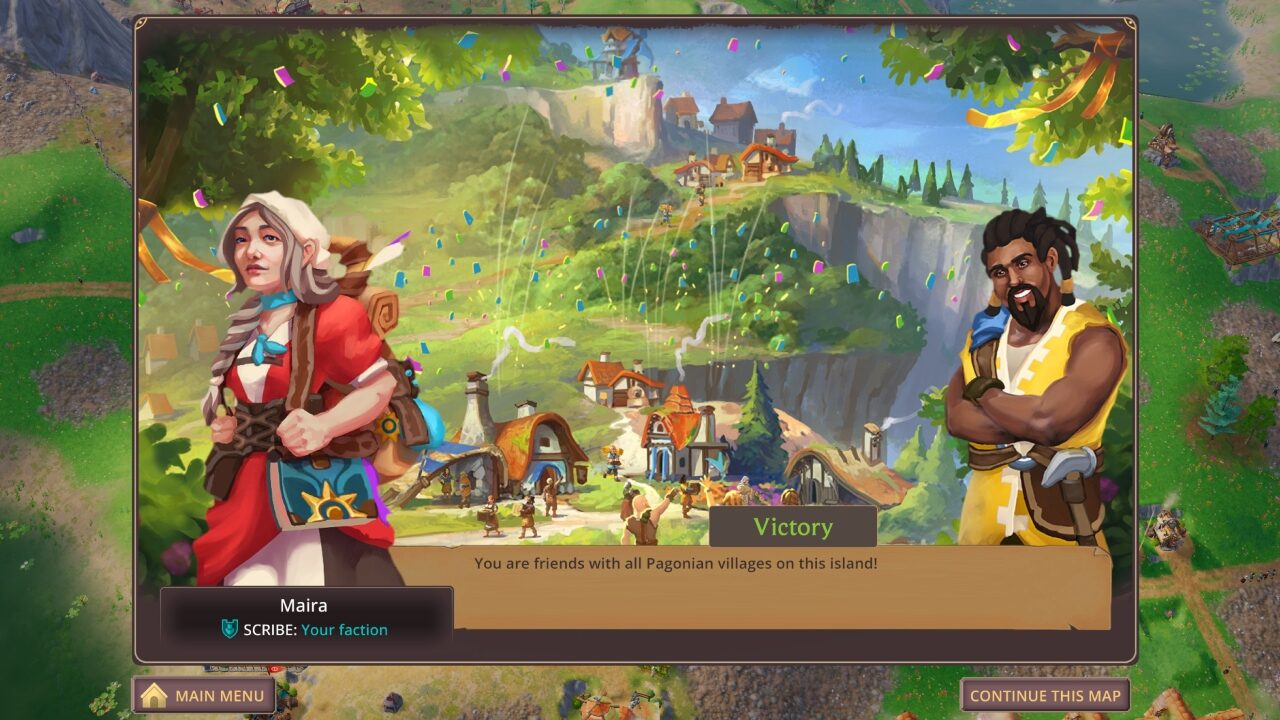
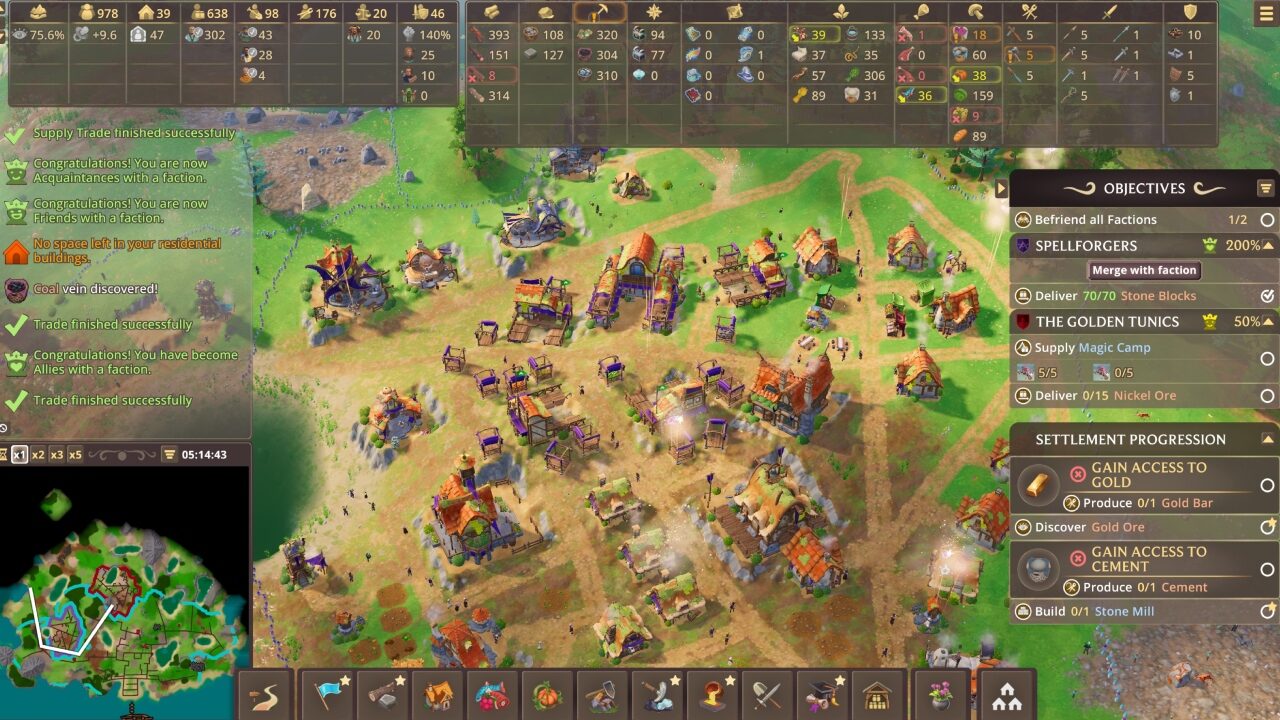
One of the most important choices you will make in Pioneers of Pagonia is which island you choose. There are nine in total, ranging from lush forests to steep mountains, vibrant meadows and lakes, and everything in between. This may sound cosmetic, but the layout of the map plays directly into the design of your island and how the game will unfold. This includes resources such as raspberries, deer and fish; different types of soil for various crops; how plentiful different ores are; the kind of treasure you may find; or even the locations of buildable areas. Each one features a different difficulty level.
And all of that comes before you even start the game. It is a lot to take in. Once you begin, you will start on an island with a certain number of people (you can choose that too) and build from scratch. You will need huts to gather small resources such as rocks, wood and loose copper, and to forage for berries and mushrooms. You will need houses so your people have a place to live and reproduce. You will then need guards who expand your border, giving you access to new areas, resources and even new people.
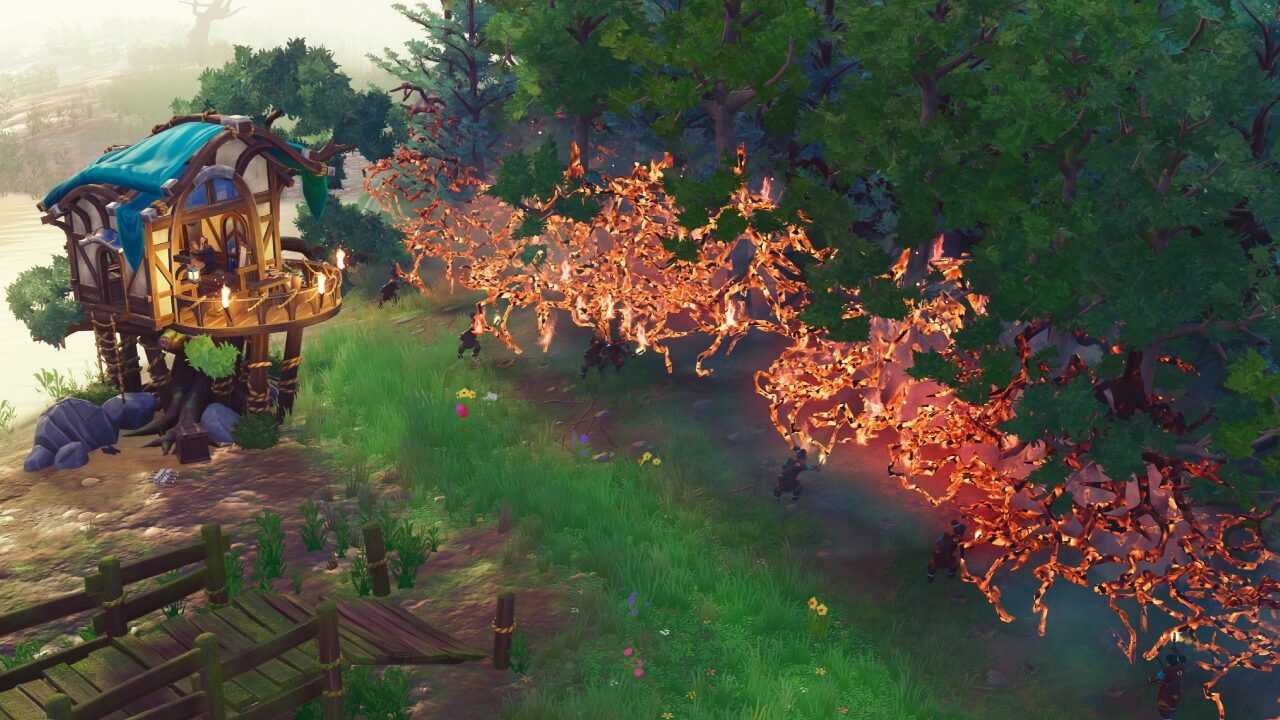
As you progress and unlock more complex resources, you will gain access to new buildings (which the campaign works into the story), allowing you to go from wood to logs to beams, for example, or develop more complex tools. The same goes for people. Different buildings will unlock to train people in different ways. You can train Builders and Diggers for faster building, or various types of military personnel to combat different obstacles. The game will automatically train those you need for specific buildings, but you can decide if you want more people who can fight Thieves, Scavs or other creatures I won’t spoil.
“This was the first time in a city-builder where I didn’t spend the first several hours trying to recall what it taught me in the first 10 minutes.”
To be honest, as someone who will usually play without combat, I think there are a little too many different kinds of military/weapons. It doesn’t really affect anything if you don’t use them. I just noticed that when I was playing with combat and enemies off, there were so many buildings I didn’t even need to place. Seeing the little zero under it made me feel like I was wasting it.
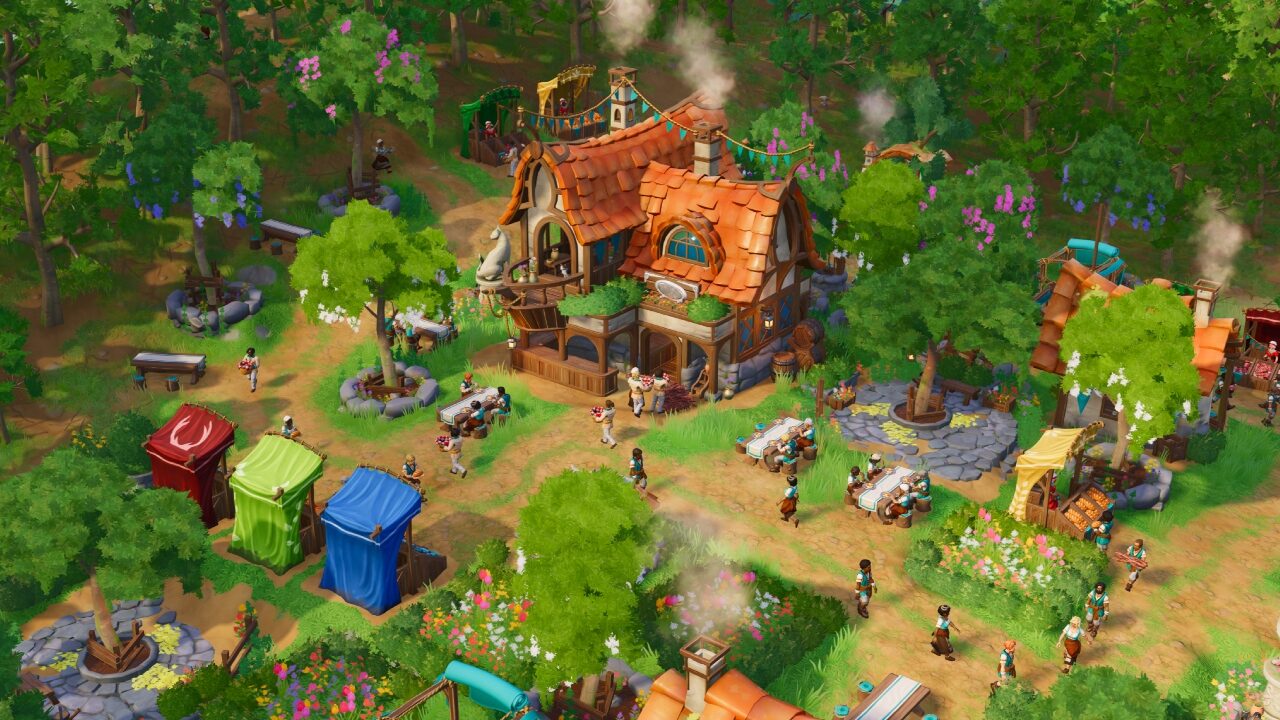
I am pretty sure that is my only complaint about Pioneers of Pagonia. The graphics are adorable, and I would often zoom in and watch everyone work. Carriers bring different items around the map so buildings have the supplies they need. You can zoom in and see exactly what each one is carrying, like rations, stones or berries. There are also tiny traffic jams when you don’t have enough routes for them to take. I will say the bunnies being almost larger than the deer is an interesting choice, but they were so cute, I don’t care.
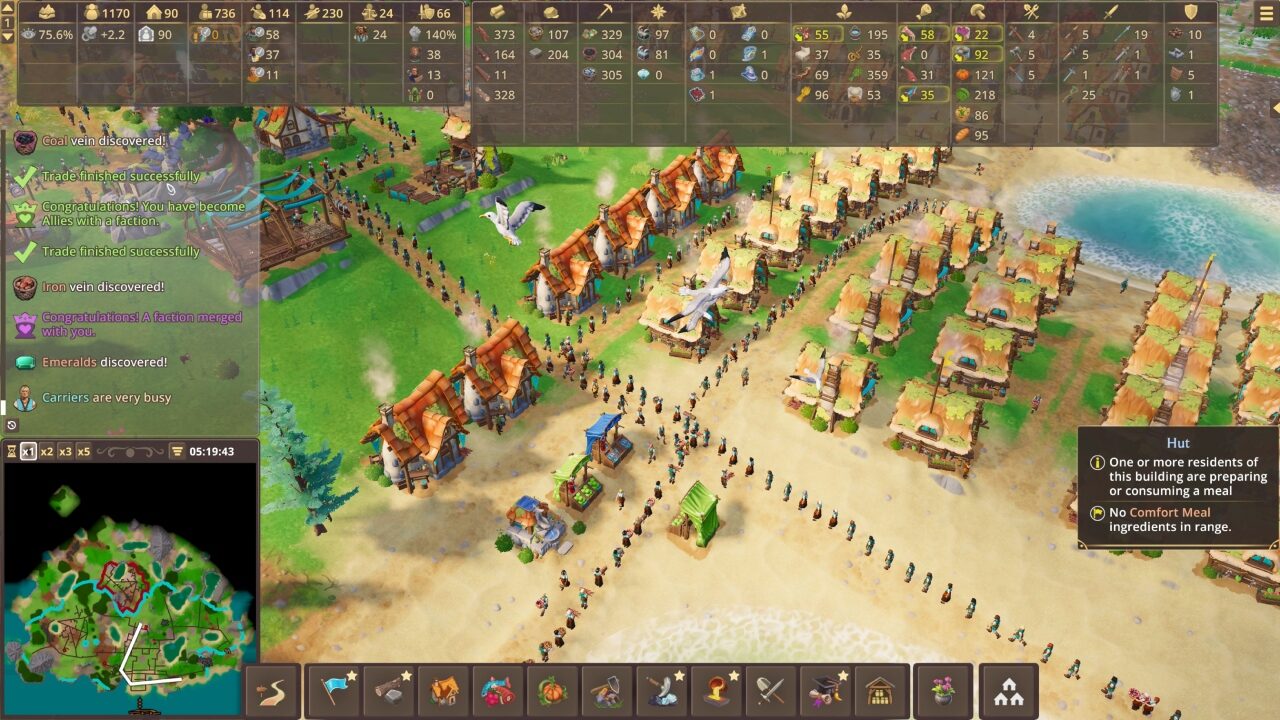
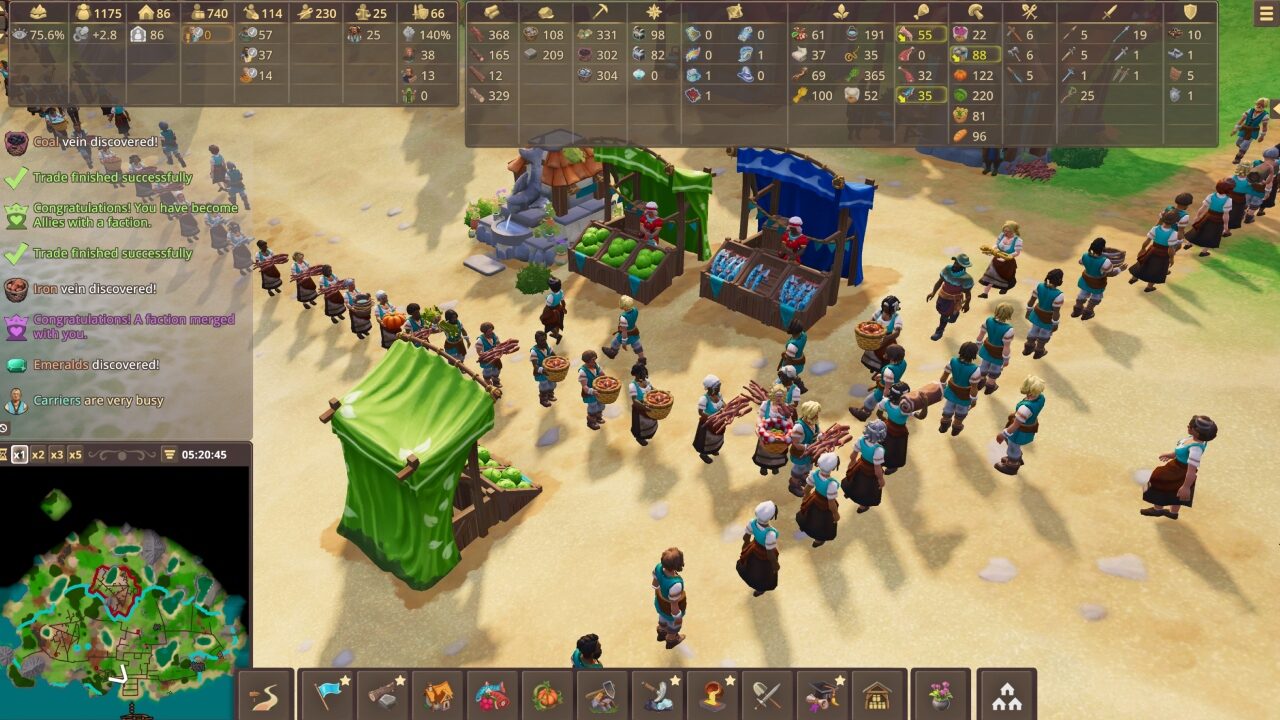
Pioneers of Pagonia has the ability to be as simple or as complicated as you want it, and that makes it a game that literally anyone can play. Though you can make PoP harder if you choose, games like Anno are a little less forgiving, even at their easiest. I love that I could kick back and relax or give myself a challenge whenever I chose, and this was by far my favourite “get to know the game” experience I have ever had.
If you are a fan of city-building games, not taking a look at Pioneers of Pagonia is a very serious misstep. Don’t let its cutesy style fool you; there is so much under the hood here that gameplay is endless.
Pioneers of Pagonia launches out of early access on December 11, 2025.