

The first Warhammer 40,000: Mechanicus had this really specific brutalist tactile energy to it. It was dense with lore, weird religious obsession, and tactical combat that felt surprisingly tense for a game about slow-moving robot priests stomping through tombs. Since then, I’ve fallen way deeper into Warhammer as a whole. Somewhere along the line, Warhammer 40,000: Rogue Trader completely consumed my life for a while, and that definitely changed the way I looked at Warhammer 40,000: Mechanicus II going in. The expectations were a lot higher this time around.
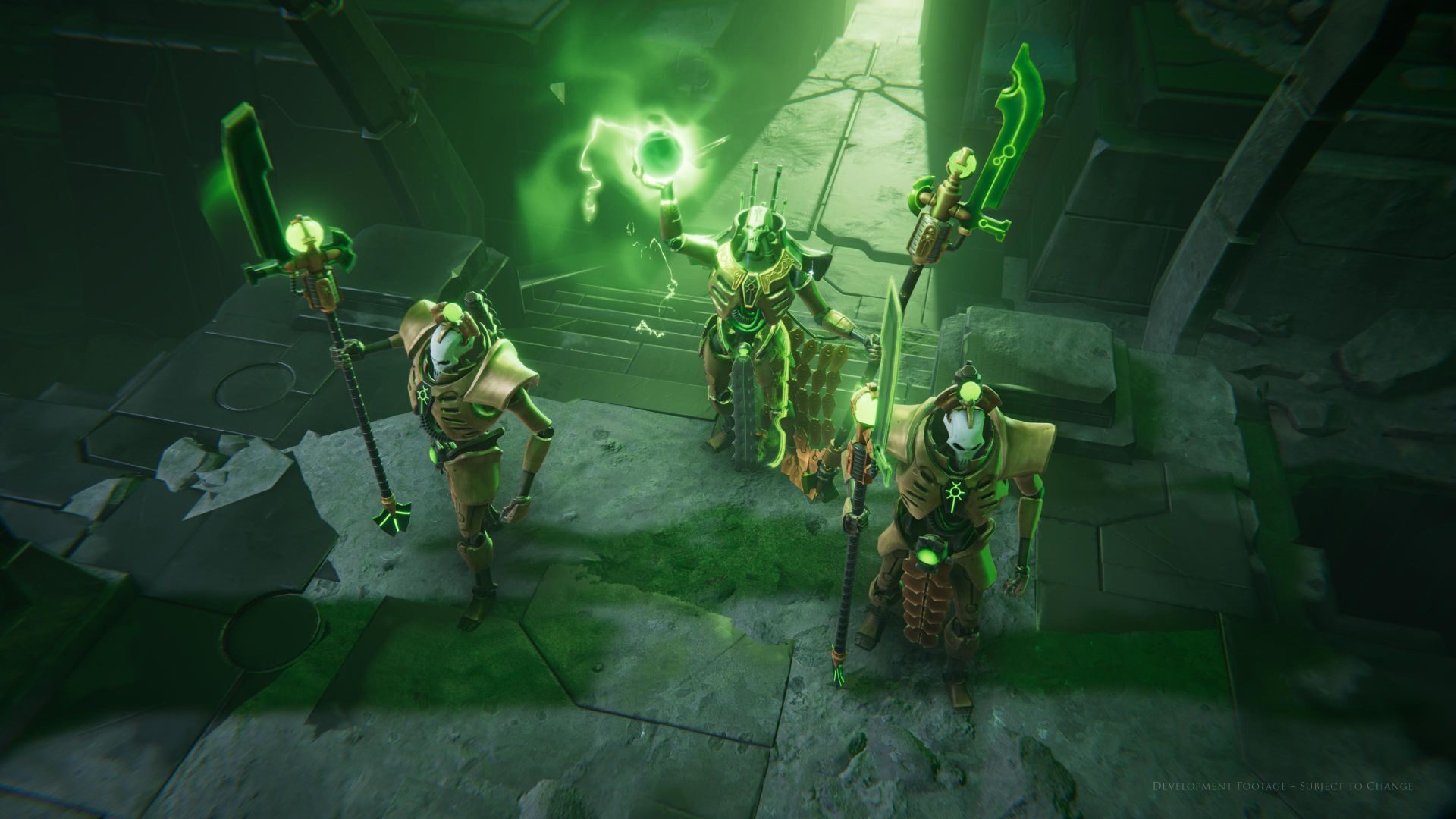
The scale is immediately bigger. You are not spending the entire game crawling through claustrophobic ruins anymore. This is a full planetary conflict now, with the Adeptus Mechanicus fighting against awakened Necron forces led by Vargard Nefershah. Being able to play both sides gives the sequel a lot more personality early on. The Necron campaign especially stands out because it flips the perspective in a fun way. Humans stop feeling heroic pretty quickly when viewed through the eyes of ancient immortal machines that see the Imperium as squatters digging around in places they were never meant to touch.
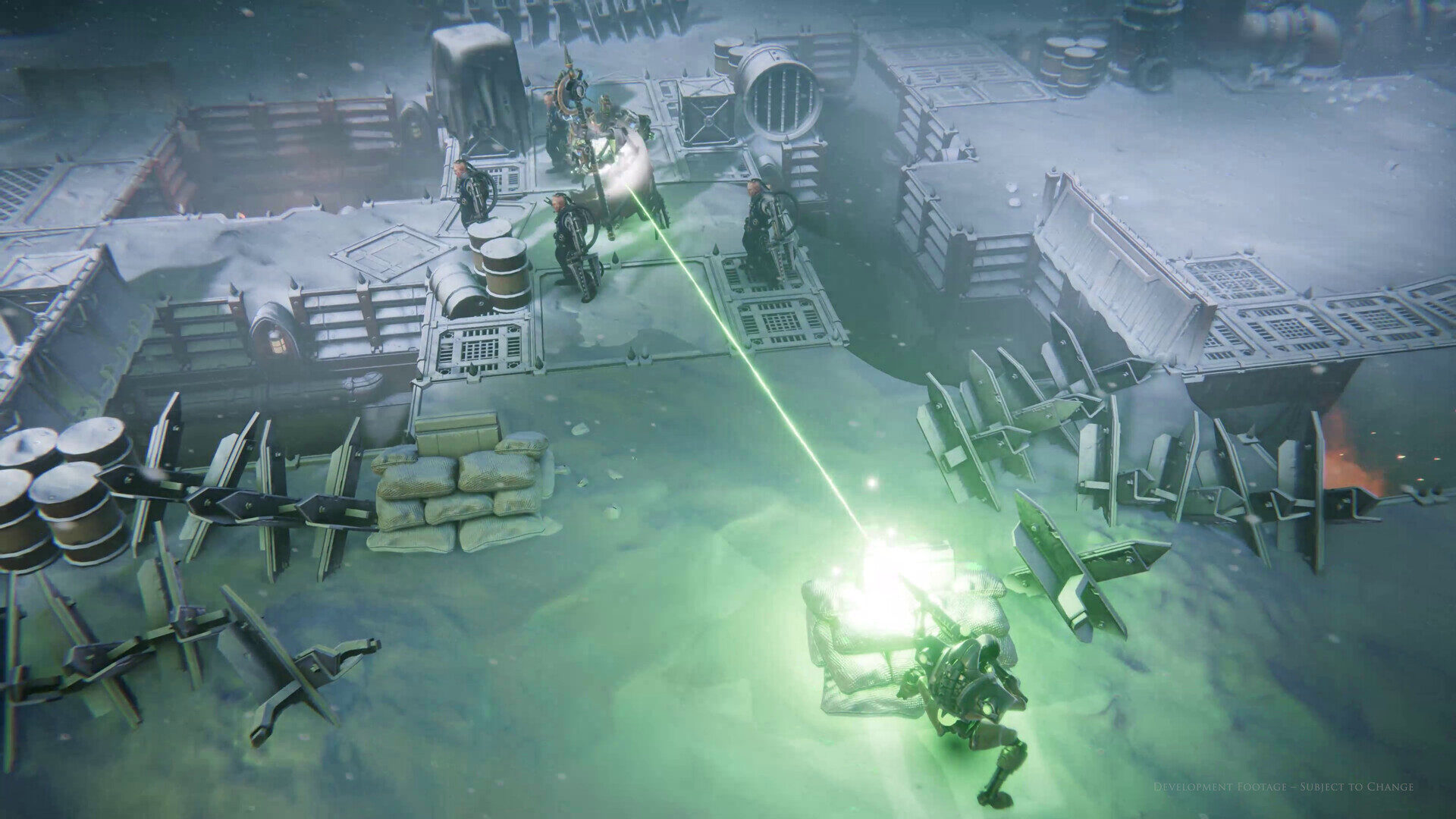
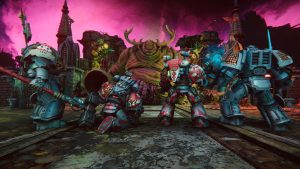
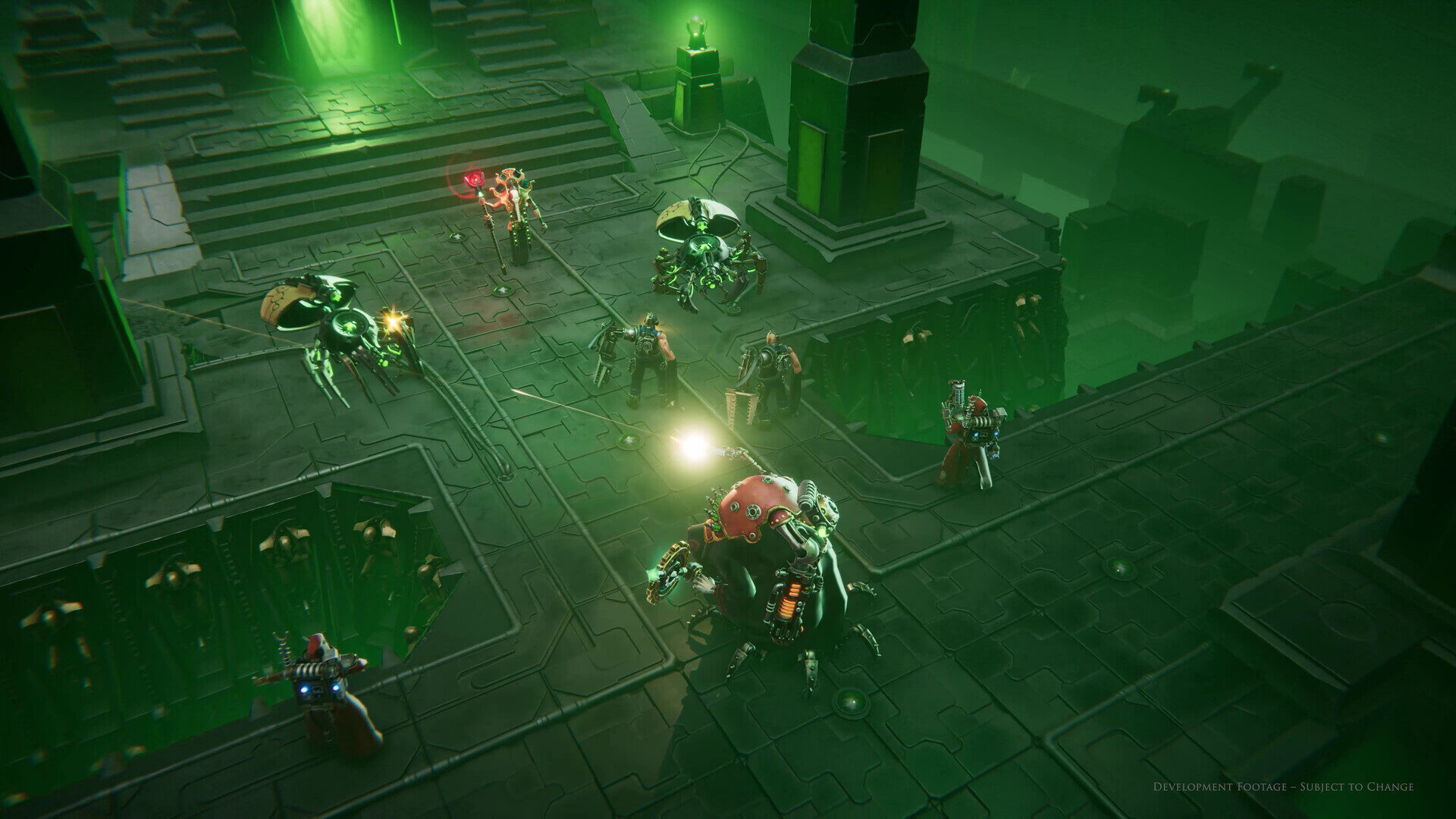
That presentation carries a huge amount of the experience, and the music still has that mix of industrial noise and haunting mechanical chanting that made the first game memorable. The art direction follows through on that mood perfectly, with glowing green Necron structures, the rusted machinery, and the oversized cathedrals buried under smoke and metal all looking fantastic. Having Black Library author Ben Counter involved again also helps keep the writing grounded in the universe. The Tech-Priests still sound completely detached from humanity, obsessing over logic and ritual while casually turning people into disposable tools.
“Warhammer 40,000: Mechanicus II feels far more controlled and sometimes a little too clean for its own good.”
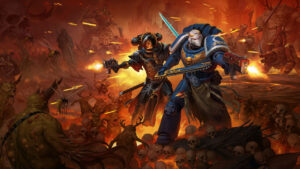
The actual combat has changed more than I expected. Cover matters way more now then I felt like it did in the first game, which immediately slows things down compared to the first game. Positioning becomes a bigger part of every encounter, especially for Mechanicus units that cannot just walk into open fire and survive forever. The Necrons feel heavier and more aggressive by comparison, usually pushing forward while tearing apart the environment around them. That difference between factions gives the battles a little more identity, depending on who you are controlling.
Instead of collecting points directly from the map, you have your units generate resources through their battlefield role,s and it ties the mechanics closer to the actual fantasy of managing these armies in the 40k universe.
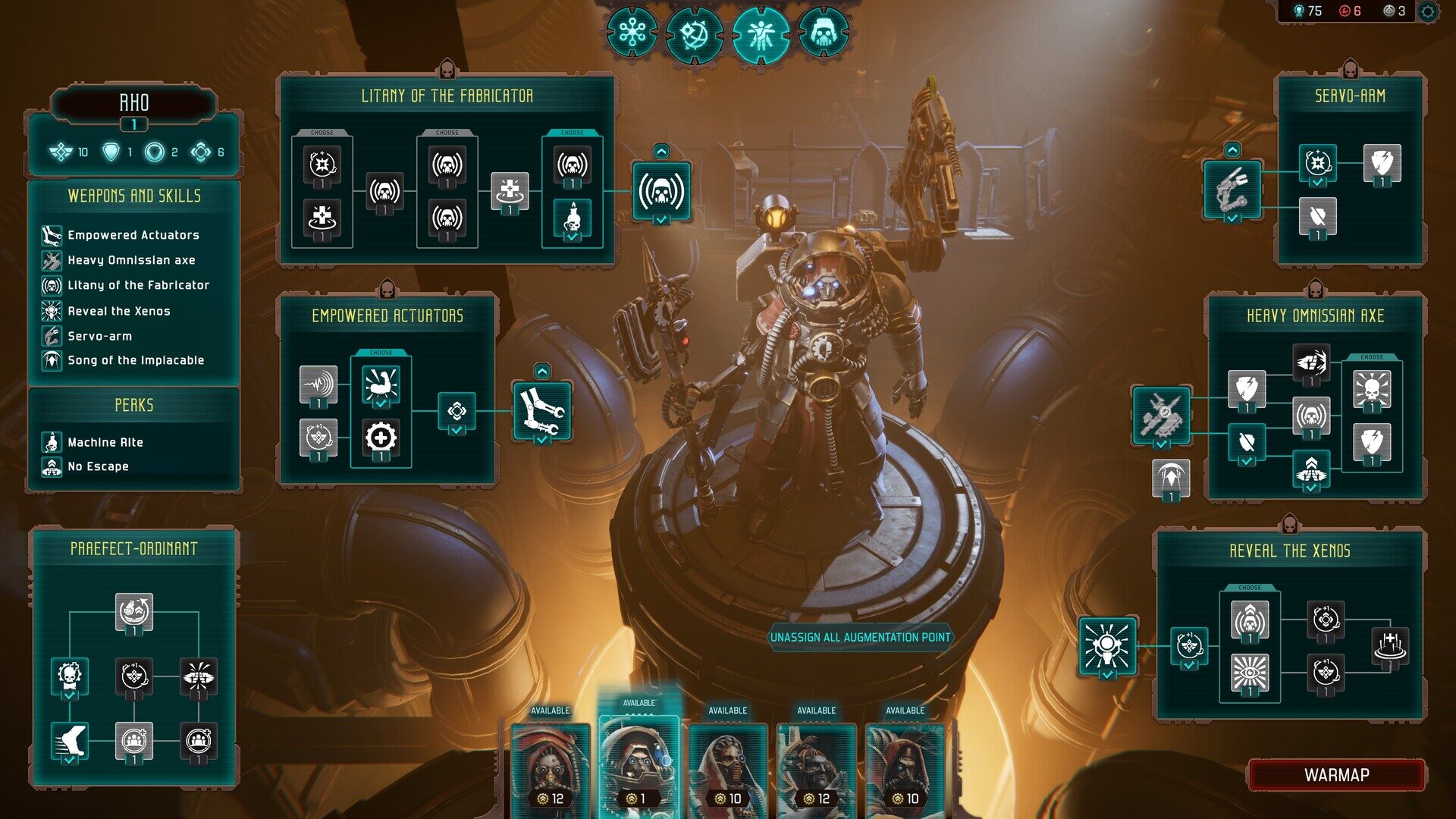
But after a while, I noticed that it just wasn’t clicking as well. Once you settle into a strong squad setup, the battles start falling into patterns that rarely change, and I noticed that on some fronts, it felt like wanting to be more like Rogue Trader than it has the capability to. After finding combinations that worked, I locked into a routine and repeated it in most encounters, which made things tiring more than anything.
Coming recently off something like Rogue Trader, this stood out to me since it has set a new gold standard for what a tactical game should be in the Warhammer 40k universe. That game constantly felt messy in the best possible way. I had encounters that spiralled out of control because of overlapping systems and unpredictable outcomes. Warhammer 40,000: Mechanicus II feels far more controlled and sometimes a little too clean for its own good.
The new planetary management layer runs into a similar issue. On paper, it sounds like a major step forward for the series because it has you managing territories, and seemingly tracking conflicts across the planet, and trying to stay ahead of larger threats. There is not much pressure coming from the strategy side, and after a while, it starts to feel more like menu navigation than actual campaign management.
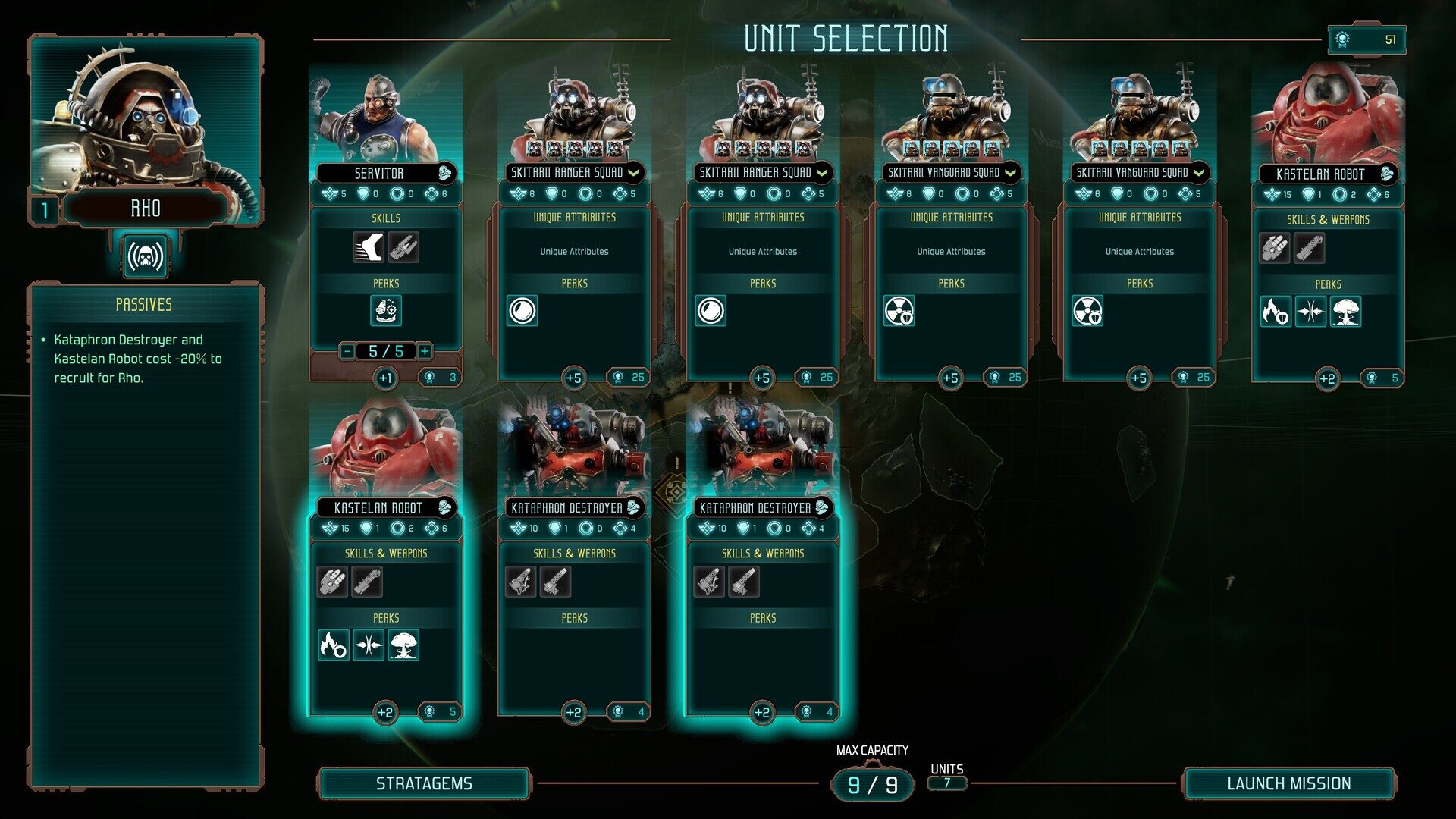
Mission variety also starts wearing thin before the credits roll. A lot of objectives blend together. Defend this position. Eliminate every enemy. Hold a point while reinforcements arrive. Because progression is fairly streamlined, you hit a point where your favourite builds are basically finished, and there is not much reason to experiment anymore. From there, the game settles into repetition faster than I expected.
“Warhammer 40,000: Mechanicus II does a good enough job of onboarding that it could be someone’s way into the larger Warhammer 40k universe.”
Even with my issues, there is something undeniably appealing about Warhammer 40,000: Mechanicus II. The atmosphere is excellent, and the music rules. Playing a full Necron campaign is genuinely cool and something we do not ever really see, especially if you are already invested in the universe.
I run a Chaos Knights army, so seeing the evil side get as much attention as the good guys was really cool. The tactical combat still feels satisfying moment to moment, even when the long-term depth starts flattening out. There is also something refreshing about a strategy game that stays readable and focused instead of drowning itself in endless systems.
Warhammer 40,000: Mechanicus II feels like a sequel that played it safer than focused on reinvention, and that isn’t always a bad thing. It expands the scale, adds more faction variety, and smooths out parts of the original game without really pushing the strategy side far enough. When you have something as rules-driven as Warhammer, it’s easy to immediately punt players away who are less inclined to learn the rules, but Warhammer 40,000: Mechanicus II does a good enough job of onboarding that it could be someone’s way into the larger Warhammer 40k universe.