
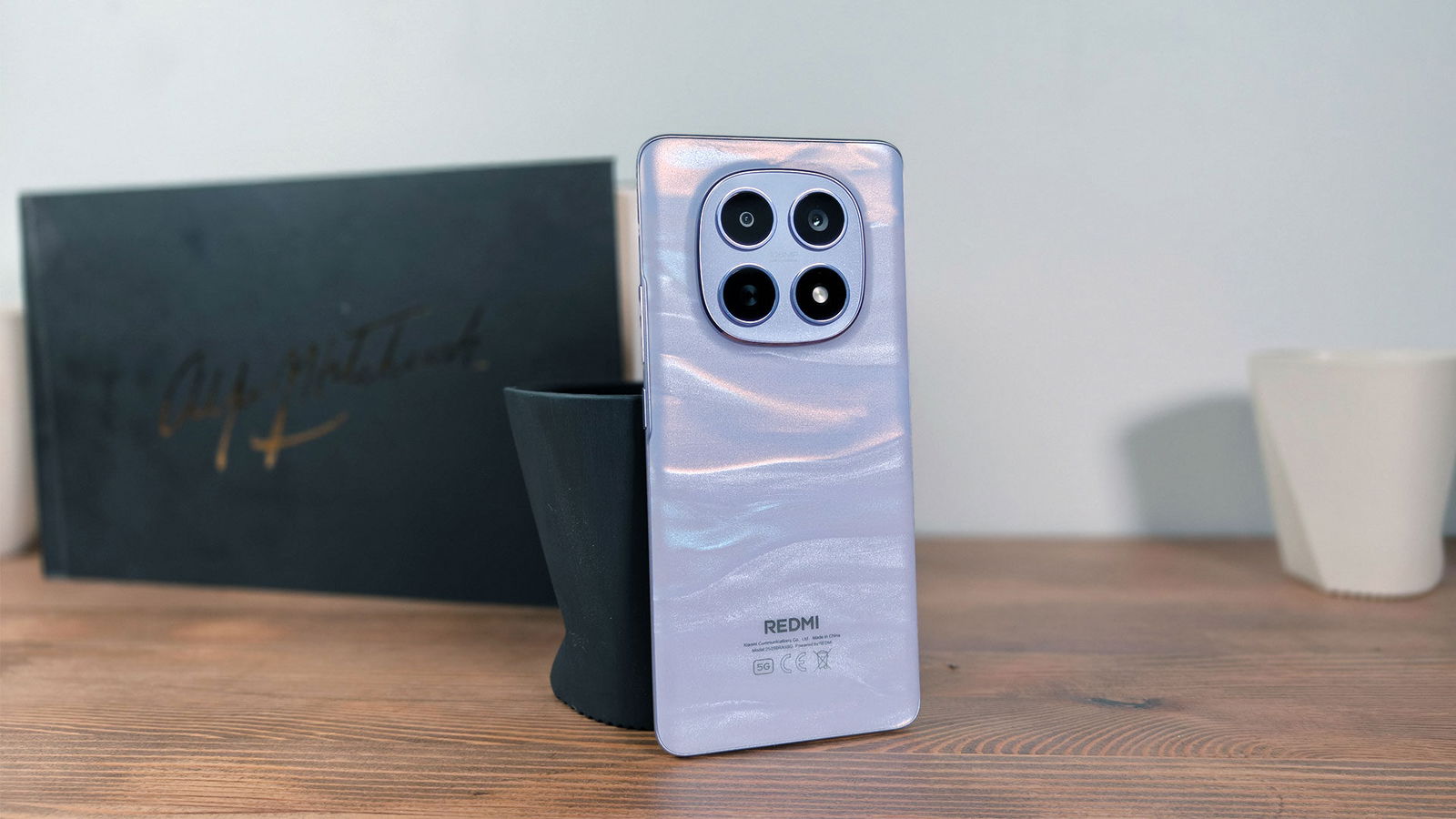

I have been pleasantly surprised many times over the years by one particular line of phones, the Redmi Note series. After testing Redmi devices across several generations, I have seen notable gains in hardware, strong battery life and optimized performance that has repeatedly edged close to flagship territory. The Redmi Note 15 appears no different in its ambition, aiming to distinguish itself from earlier models while pushing even closer to the line separating flagships from the rest of the market.
In the box, you get the Redmi Note 15, a protective case, a 45-watt charger and a USB-C to USB-C cable. The phone is built to feel durable, with an aluminum alloy frame and Corning Gorilla Glass 7i, offering solid drop protection for its class. Its IP66 water and dust resistance makes it well-suited to harsh weather conditions, and the display remains responsive even when your fingers are wet.
The Redmi Note 15 is available in several storage and memory configurations, including 128 GB with 6 GB of RAM, 256 GB with 8 GB of RAM, which is the model tested here, 512 GB with 8 GB of RAM and 512 GB with 12 GB of RAM. All versions are powered by the Snapdragon 6 Gen 3 Mobile chipset paired with the Adreno 710 GPU. That combination punches above its weight for a mid-range device, particularly at the entry level.
“The Redmi Note 15 continues to blur the line between mid-range phones and true flagships.”
The Redmi Note 15 features a 6.77-inch AMOLED display with a resolution of 2392 by 1080, a 120-hertz refresh rate and peak brightness of up to 3,200 nits. The screen looks excellent, delivering vibrant and accurate colours. Combined with the high brightness and smooth refresh rate, it provides a strong viewing experience for video playback, fluid scrolling and gaming, which I will touch on later.
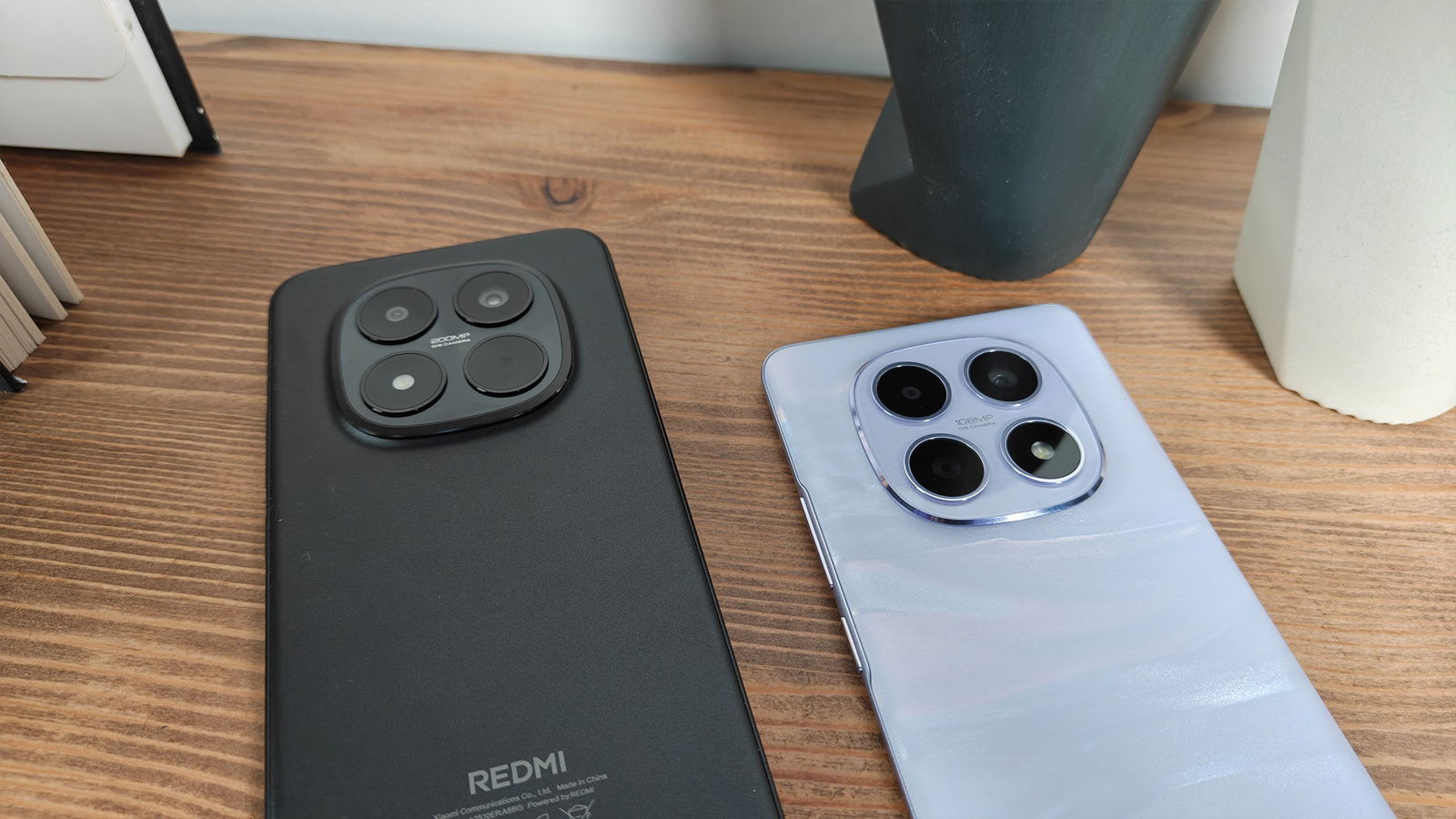
Turning to the cameras, the Redmi Note 15 is anchored by a 108-megapixel f/1.7 main sensor with a 1/1.67-inch sensor size and optical image stabilization. It is paired with an 8-megapixel f/2.2 ultra-wide lens, while the front-facing camera uses a 20-megapixel f/2.2 sensor. Photos from the main camera look good, with strong colour reproduction and detail. When shooting in the Ultra HD mode, which unlocks the full 108-megapixel resolution, digital zoom is disabled. Even so, there is still enough detail to crop into images after the fact.




I always test portrait mode selfies to see how a phone handles subject separation, and here the Redmi Note 15 was disappointing. Edge detection struggled, producing rough outlines that made the separation between subject and background look unnatural. In one instance, an area around my chin and neck was not identified as background at all and remained in focus. This is the kind of issue that could be addressed through a future software update, but for now, the promised bokeh effect falls short.


For video, the main camera supports recording at up to 4K, while the front-facing camera tops out at 1080p. Both cameras are limited to 30 frames per second at all resolutions. The lack of a 60-frame-per-second option, even at 1080p, is a significant drawback for content creators. Higher frame rates allow for smoother slow-motion footage in post-production. For casual users capturing video for personal use, however, the results will be perfectly serviceable.
“The camera delivers solid results for photos, though video creators may find its limitations frustrating.”
The overall camera UI could use a lot of improvement. It was quite slow switching between modes, taking up to 3 seconds in some scenarios. There are some quality-of-life features, though. The ability in portrait mode to select the F stop that will represent the level of background blur that you desire is a nice touch, particularly for more experienced photographers, who may get some more useful information from that than a slider that is just indicating more or less blur. Aside from that, there isn’t anything remarkable about the UI.

I ran benchmarks on the Redmi Note 15 using Geekbench 6, and the numbers were less than impressive. The Note 15’s Single-Core and Multi-Core scores were 1013 and 2925, respectively, putting it right around the benchmarks of the POCO F4, which came out in 2022. The phone’s OpenCL GPU score of 2094 was just above 2018’s Samsung Galaxy S9, and was nearly one-eighth the score of the Samsung Galaxy S24 Ultra.
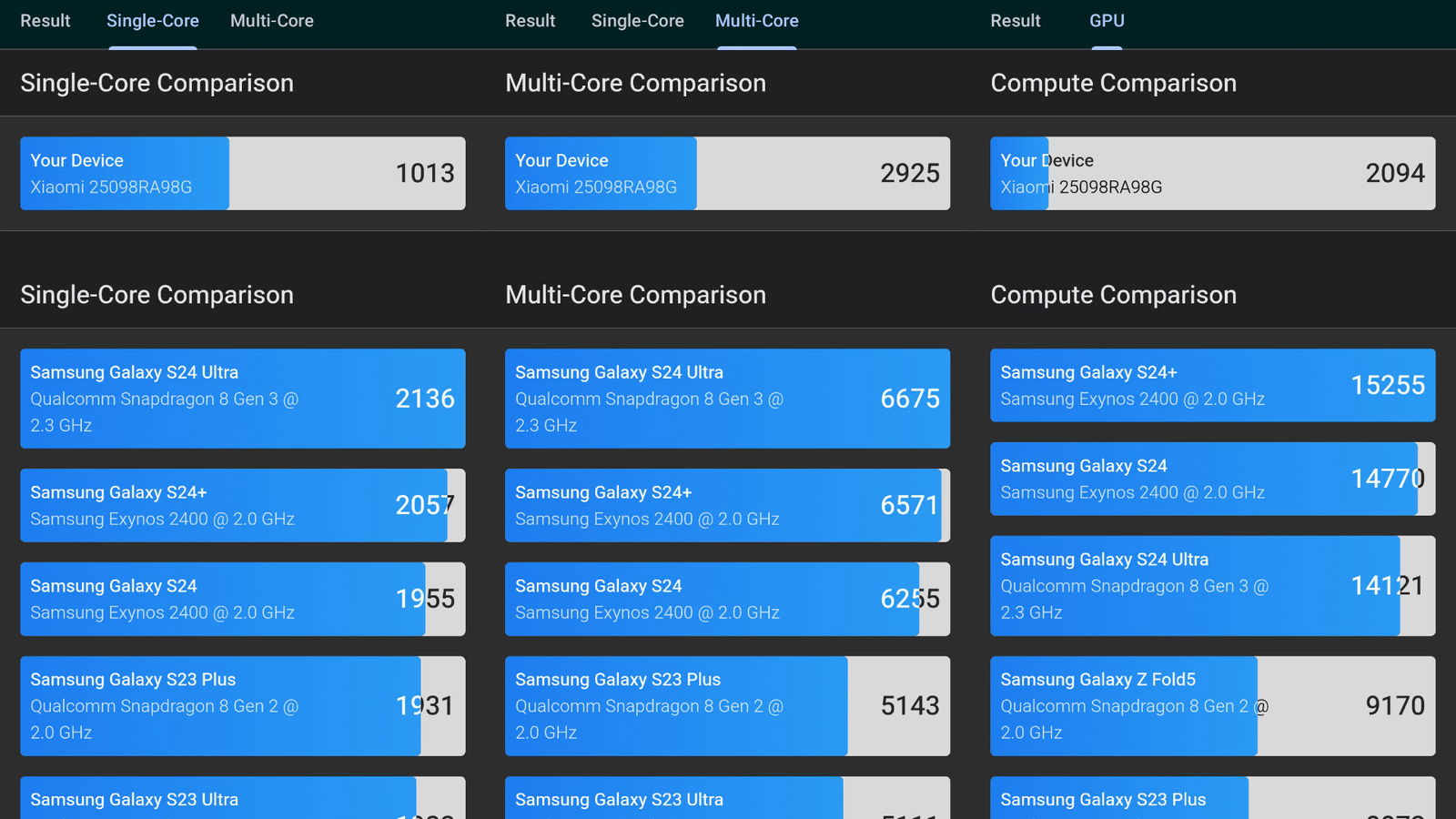
In the case of the Redmi Note 15, benchmark results may appear modest, but the numbers are somewhat misleading. In everyday use, the phone’s performance has been consistently strong. Aside from my earlier concerns about the camera app, the device has been very responsive. Apps open and close smoothly, and even with multiple apps running at once, something I am frequently guilty of, there was no noticeable impact on performance. Overall, the Note 15 feels well optimized for typical daily tasks.
“At an expected budget-friendly price, the Redmi Note 15 consistently outperforms what its cost suggests.”
Gaming performance was another area where I approached testing with some concern. I added Where Winds Meet, a demanding title with frequent cutscenes and fast-moving action, to my test lineup. I expected to encounter lag or stuttering, but that never materialized. The game ran smoothly throughout, and impressively, the Redmi Note 15 remained cool to the touch during extended sessions. The area where I expected the phone to struggle turned out to be one of its stronger points.
Supporting that level of optimization is a sizable 5,520-milliamp-hour battery. In my testing, it easily lasted two days with regular daily use and had no trouble getting through a full day during heavier testing. Even when I pushed the phone harder, the 45-watt fast charging quickly brought it back up, making downtime minimal. The battery can also be put to additional use through reverse charging at up to 18 watts, allowing it to top up accessories when needed. That added flexibility is a welcome bonus at this price point.
While official pricing has not yet been confirmed, the Redmi Note 14 launched at around $200 US, and a significant increase is not expected this year. At that price, the Redmi Note 15 delivers mid-range performance at a budget-friendly cost. Most of my complaints are easy to overlook given the value on offer, unless you specifically need a high-end camera for video work. Outside of that use case, the Redmi Note 15 consistently outperforms what its price suggests, combining strong optimization with excellent battery life.