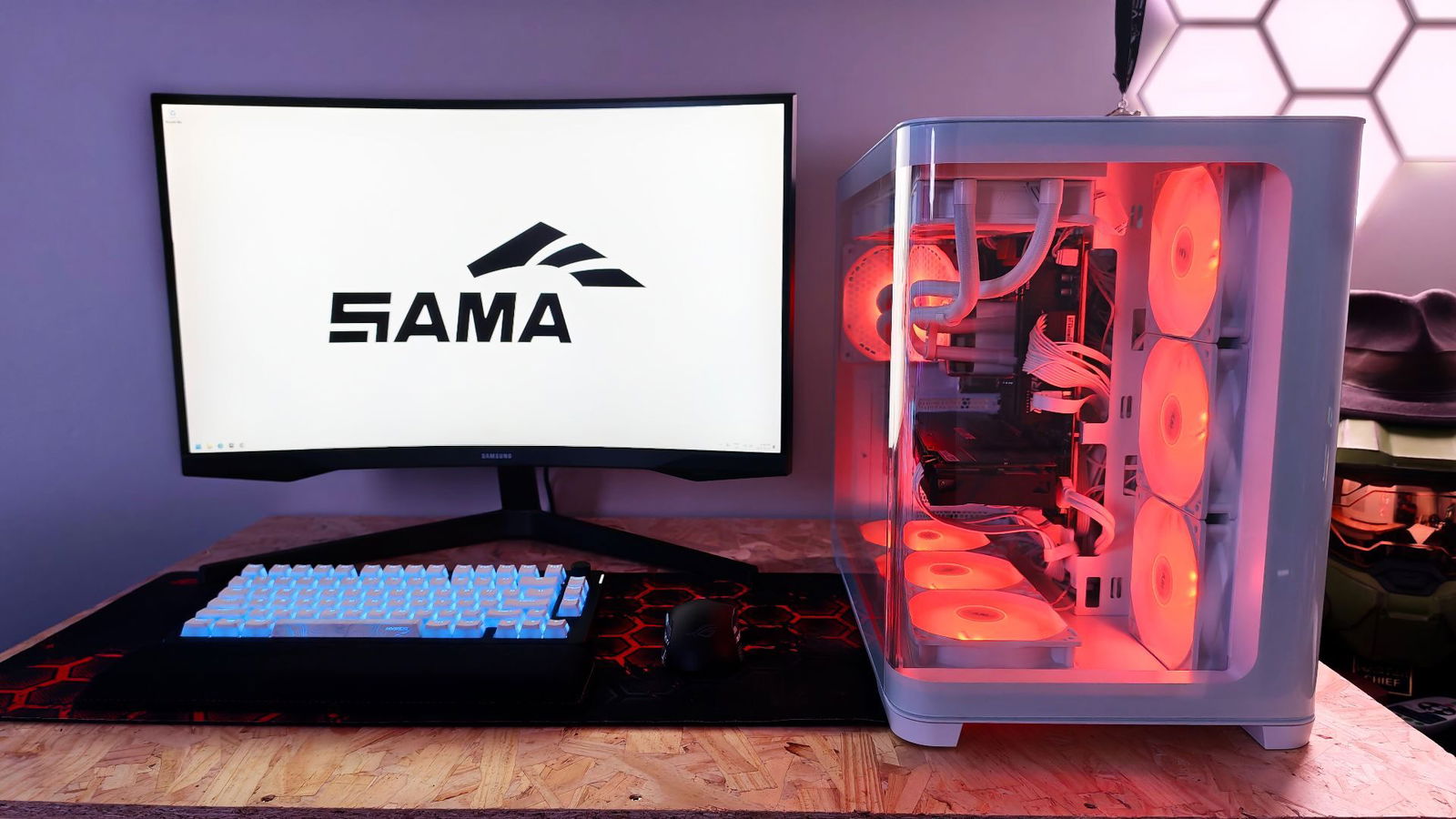


The SAMA V60 is a mid-tower PC case that offers a modern interpretation of the classic fishbowl design. With a distinctly curved front panel, seven preinstalled fans and ample cable-routing space along the rear panel, the V60 is a well-engineered option that distinguishes itself from standard fishbowl-style cases. The question is whether its sleek aesthetic, compact layout and competitive price point are enough to make it a contender for your next PC build. Let us take a closer look and find out.
I’ve long been a fan of Fishbowl PC cases. While there are debates about airflow efficiency and footprint to be considered, I simply love the look. As an amateur PC builder, I find fishbowl-style cases to be aesthetically pleasing. It’s the reason I currently have both the be quiet! Light Base 900 FX and Light Base 600 LX are sitting on my desk; they just look sharp. When comparing the V60 to the aforementioned Dual Chamber cases, there are a couple of notable features that stand out.
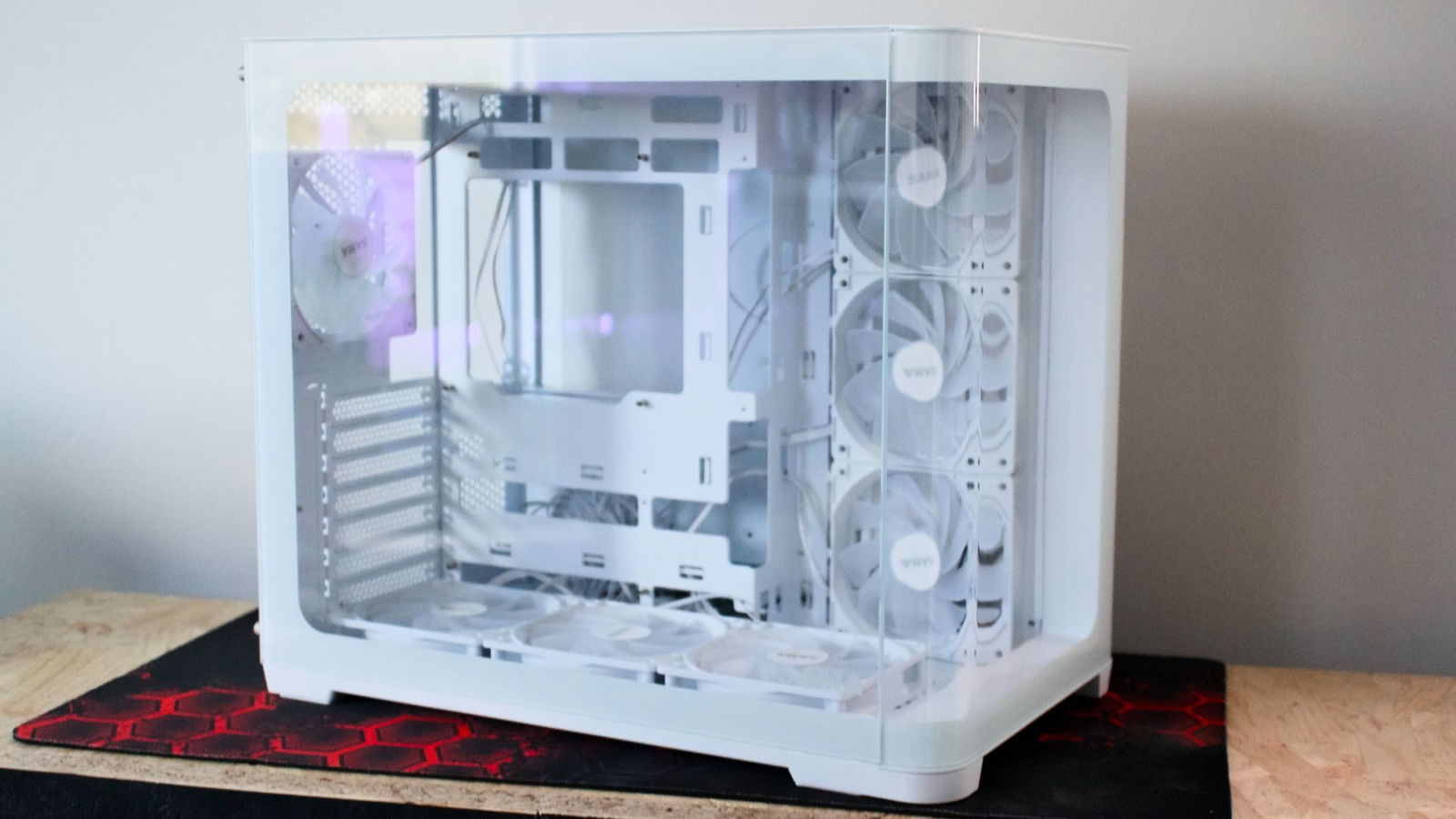
To begin, the V60 has a smaller overall profile. Measuring 475 by 285 by 398 millimetres, it is one of the more compact dual-chamber cases I have built in. Even so, once the panels are removed, there is ample room to work. The second notable design feature is the curved front panel. While not the first of its kind, it is not a feature typically associated with fishbowl-style cases. It looks elegant and helps modernize the overall aesthetic, allowing the case to stand out among similarly styled PC enclosures.
“The SAMA V60 is a mid-tower PC case that offers a modern interpretation of the classic fishbowl design.”
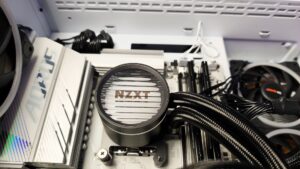
The V60 comes with seven preinstalled fans. These include three 120-millimetre RGB fans mounted on the bottom, three 120-millimetre RGB fans mounted on the backplane and one 120-millimetre RGB exhaust fan. For AIO users, the V60, despite its compact frame, still leaves room for both top and bottom mounts for radiators up to 360 millimetres. For this build, I installed the SAMA L70 360WH AIO on the top mount. The resulting ten-fan configuration is impressive to look at.
The front and backplane panels can be removed via threaded screws. Using a notch slide lock system, the panels are fairly easy to remove. While not a critique, I would love to see the next iteration of this design shift to magnetic side panels. It provides smoother and easier opening and closing of the case, which complements the otherwise sleek design of the V60.

Working inside the V60 is a breeze. There is plenty of room to work, even for my bearpaw hands. With support for ATX, M-ATTX and ITX motherboards, there shouldn’t be any issues for installing the motherboard of your choice. SAMA even included a little threading tool that allows for easy swapping of the motherboard foot pegs to accommodate your preferred motherboard.
Likewise, installing the additional AIO was made easy, thanks to the chassis design. There is plenty of access for cable runs as well, making it easy to route most of the cables on the board. There is one small note here to be aware of when running an AIO or additional fan system along the top. SAMA included an RGB/FAN controller onboard, which seamlessly controls all the included case lighting. It also offers a surprising amount of RGB options for a hardware lighting solution.
A key point to note here is the placement of the controller. While there is room on the controller for additional RGB and fan cables, the system is located at the bottom of the case. This makes any cable run from the top of the case (e.g. the AIO) a longer run than the typical cable would allow. Thus, you are required to either run an extension cable down to the controller or daisy chain RGB cables together at the motherboard. It is functionally fine, but it does create a nice little clump of chained cable connectors.
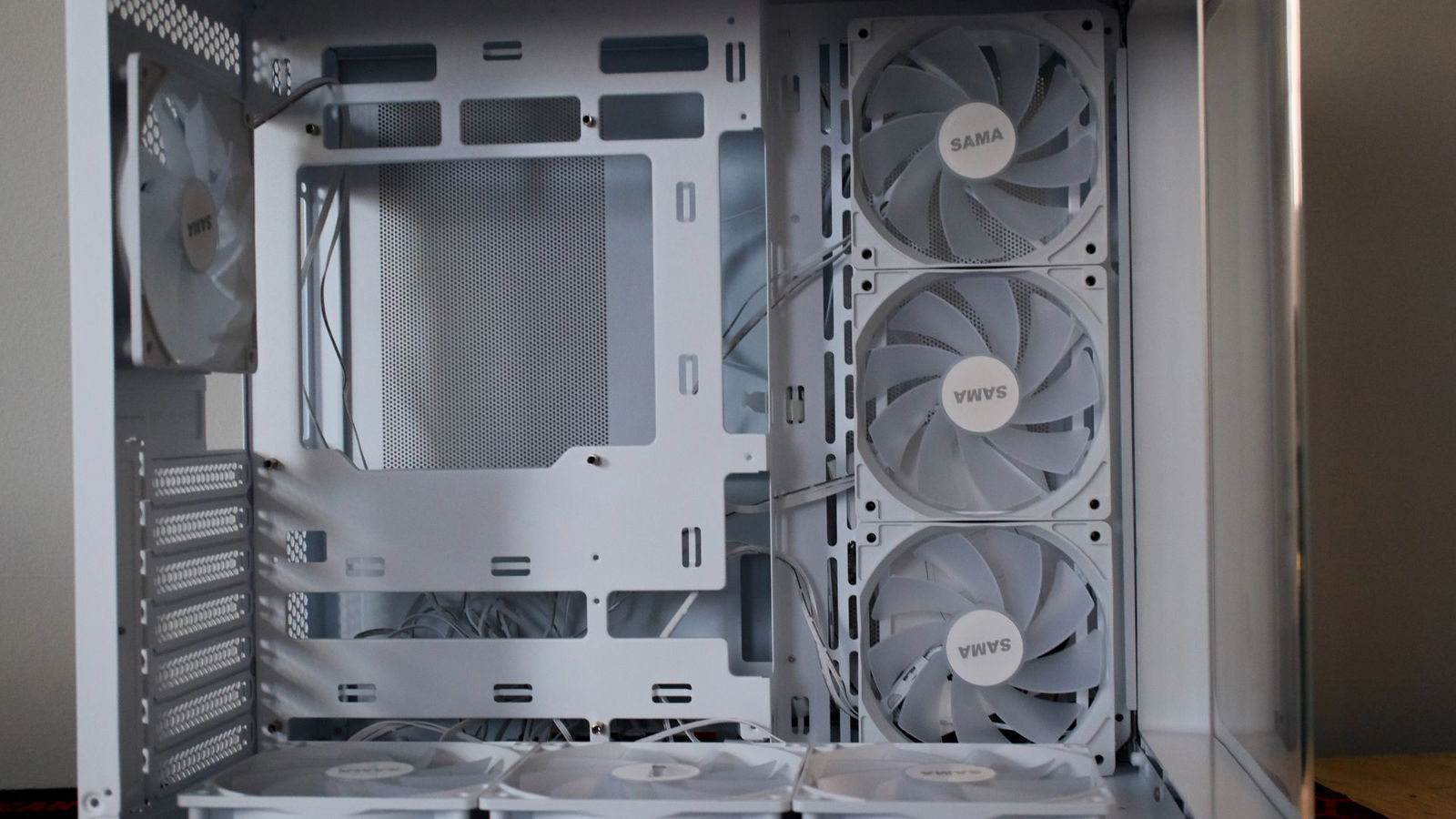
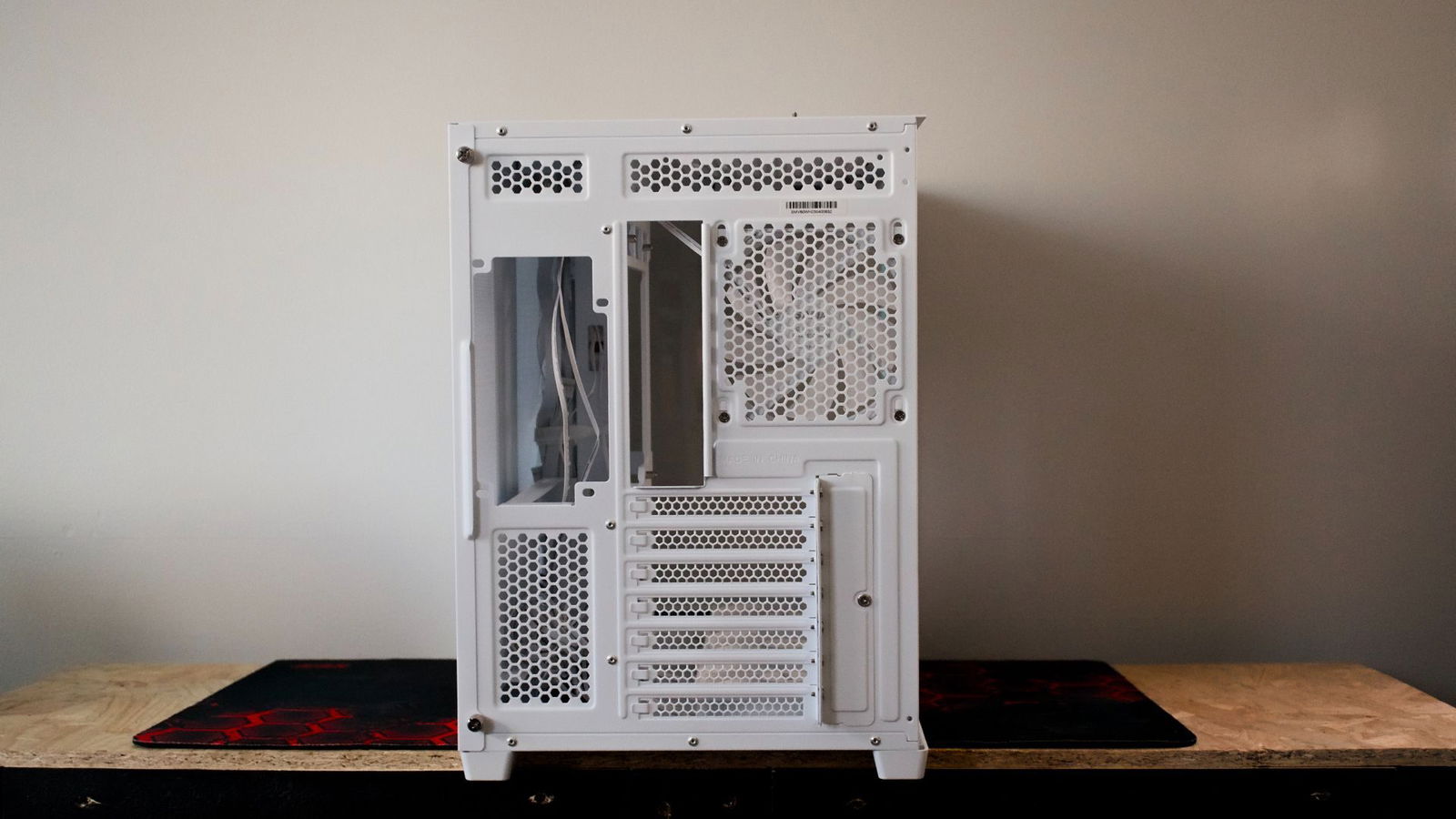
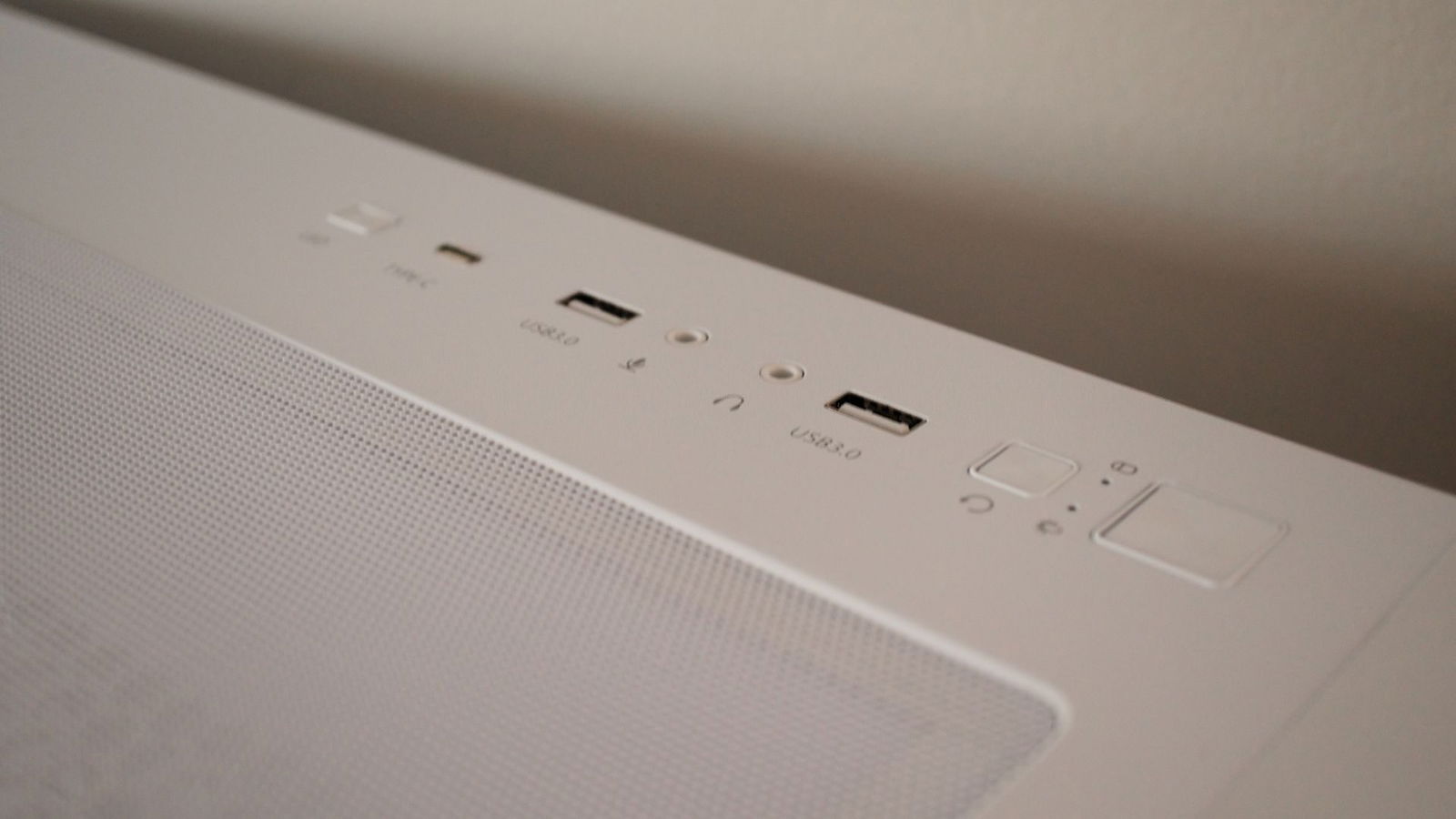
Thankfully, SAMA has left lots of room for cable management in the back of the case, making it easy to place cables. There is actually a removable plate cover that doubles as an SSD mounting point for up to two SSDs, which cleans up any unsightly cable management. For someone like me who constantly swaps parts for testing, this is a delightful addition to the design. It makes hotswapping parts a dream and requires no removal of cable ties when in a hurry.
“With a price of $89.14, the SAMA V60 is a case worth considering.”
My only other note on cable management is that although there is plenty of access to the front of the motherboard from the backplane, there are no cable-access covers to keep the build looking clean from the front. While not necessary for functionality, I have appreciated the recent trend of silicone cable covers on modern cases because they tidy the build’s interior noticeably. A few well-placed zip ties can address this issue, but it would be a welcome design update in the future.
Airflow is not a problem for the V60 either, thanks to its well-positioned fan layout. Although some may critique the fishbowl design overall, I have found that the V60 has no difficulty pulling in cool air and exhausting warm air. The fans are relatively quiet and perform well.

The V60 mid-tower PC case offers a solid and elegant design. It does not break new ground in case construction, but the small quality-of-life features, such as removable cable-routing space and stylish embellishments, help the V60 feel like a distinctive option for builders. With a price of $89.14, the SAMA V60 is a case worth considering.