
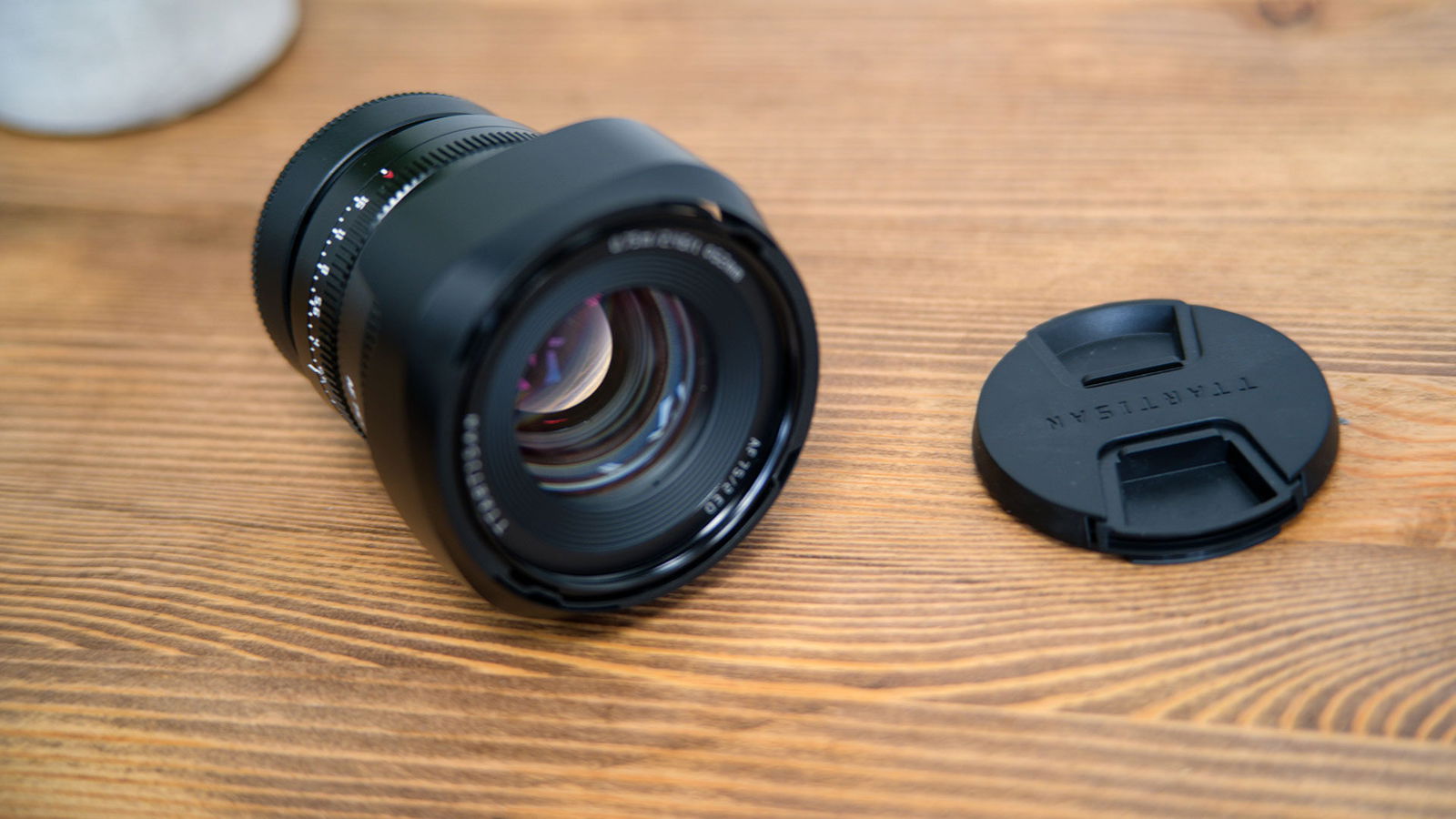


We first looked at TTArtisan lenses while compiling our picks for the best budget lenses for creators, and I came away impressed. The brand has built a reputation for producing premium-feeling lenses that offer solid performance at a fraction of the cost of first-party options. One of its more recent releases, the TTArtisan AF 75mm F2 full-frame lens, stands out in particular, especially given its price point.
This compact, budget-friendly telephoto prime is aimed squarely at portrait and everyday shooters looking for shallow depth of field without spending pro-level money, and it largely delivers. It offers autofocus, a metal build and a fast f/2 aperture for full-frame Sony E and Nikon Z cameras, all while keeping pricing firmly in entry-level territory.
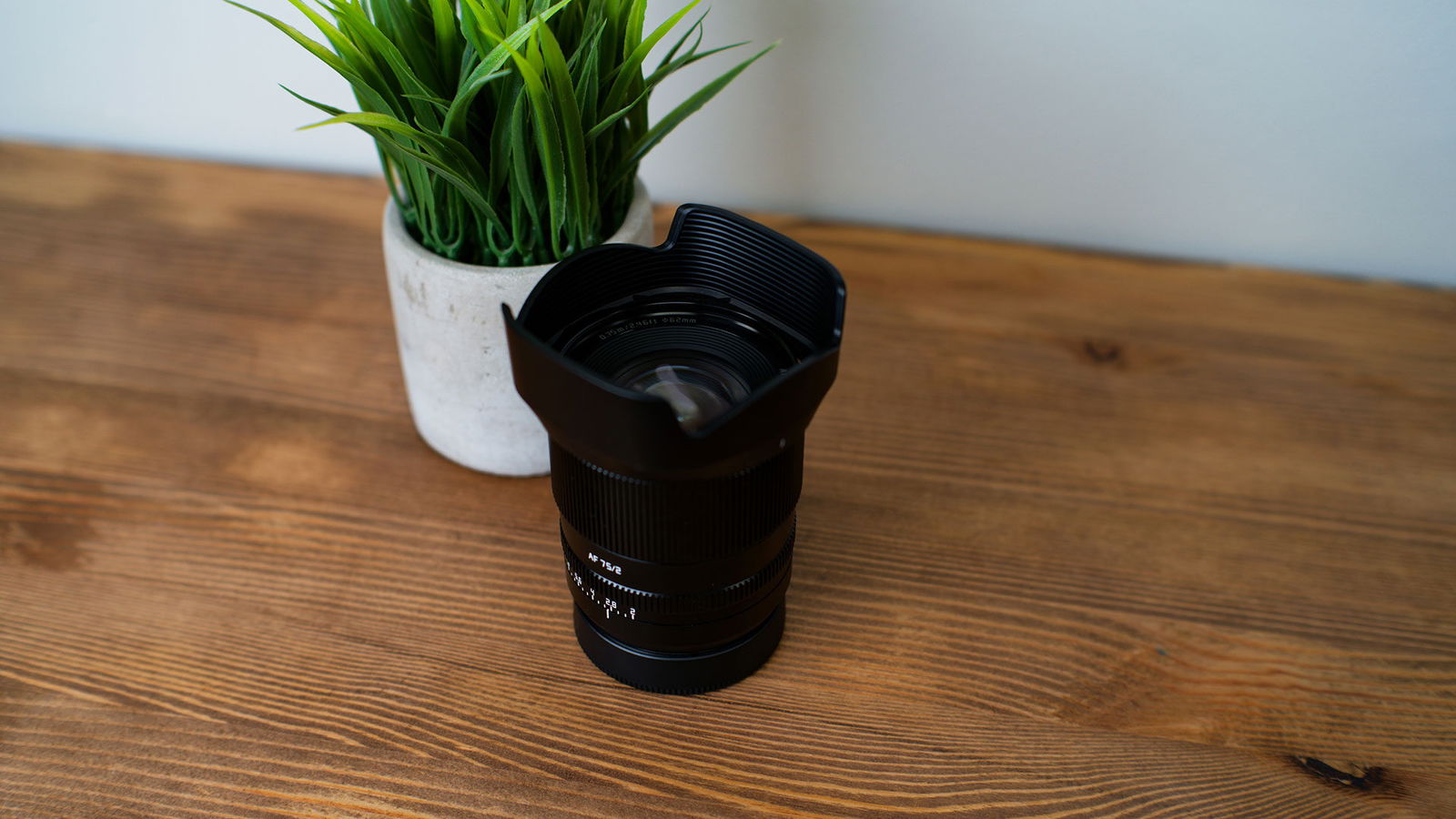
Unboxing the TTArtisan AF 75mm F2, I was surprised by how solid it felt, reinforcing the brand’s reputation for producing small, dense, mostly metal lenses that deliver. The 75mm F2 weighs about 330 grams, depending on the mount. We used the Sony E-mount for testing. Its short barrel balances well on mid-sized mirrorless bodies and remains comfortable to use on smaller full-frame cameras.
The aperture ranges from f/2 to f/16 with a nine-blade diaphragm. The optical formula consists of 10 elements in seven groups, including four high-index elements and one extra-low dispersion element.
The housing is metal from the mount to the filter ring, and both the E-mount and Z-mount versions use 62 mm filters. There are no physical switches, but the lens includes a clicked aperture ring with third-stop detents and an “A” position that returns control to the camera. Manual focus is focus-by-wire, using a wide, ribbed ring with a smooth, relatively long throw that allows for precise adjustments. There is no weather sealing, and the included plastic hood feels basic and slightly fiddly to mount, although it is still a welcome addition.
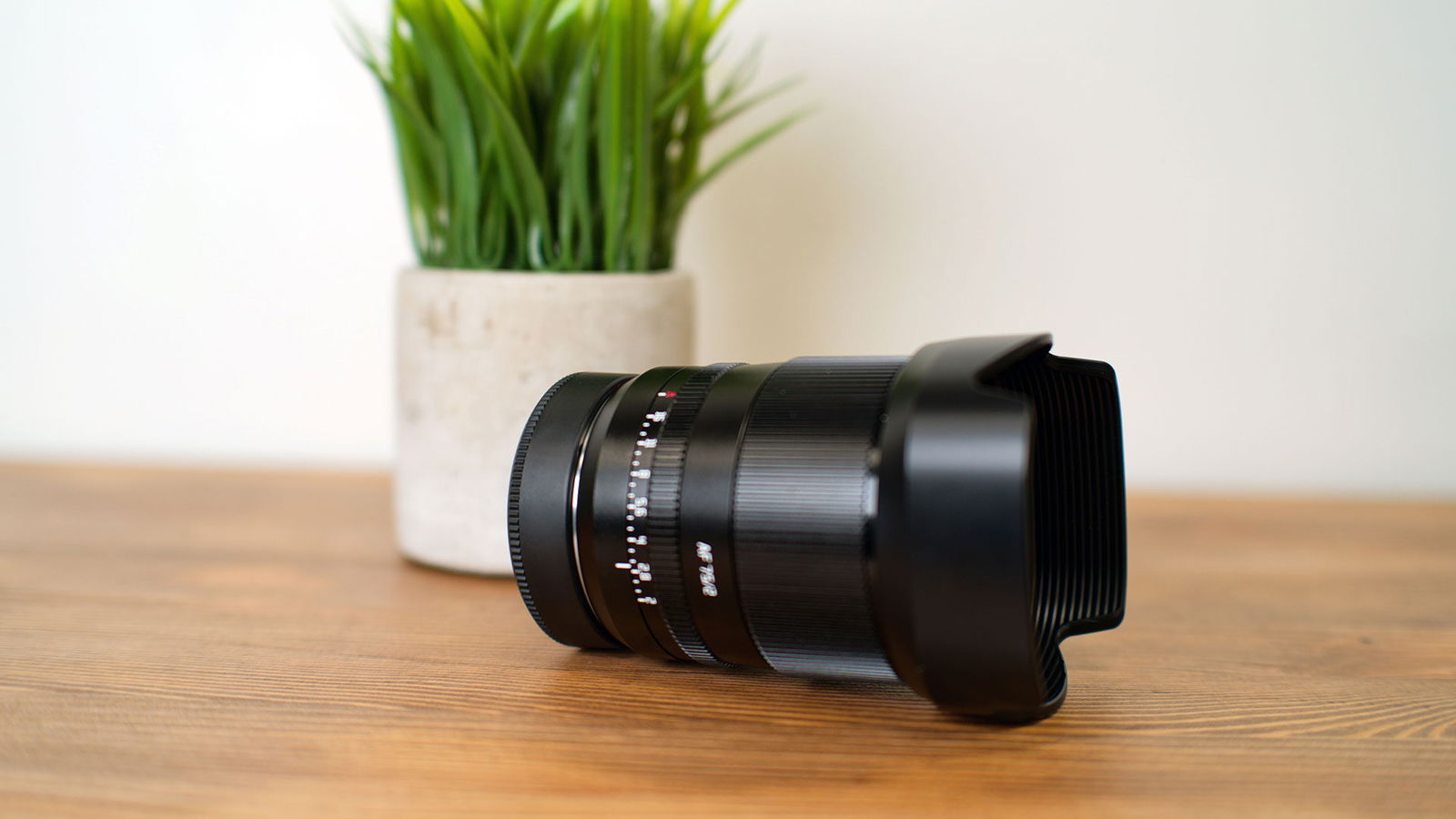
Like many TTArtisan autofocus lenses, the rear cap also functions as a USB-C dock for firmware updates. This allows TTArtisan to refine autofocus performance without adding a port to the lens barrel. At the time of writing, however, no firmware updates were available for this particular lens.
“Unboxing the TTArtisan AF 75mm F2, I was surprised by how solid it felt, reinforcing the brand’s reputation for producing small, dense, mostly metal lenses that deliver.”
Locking the AF 75mm F2 onto my Sony A7C, it was ready to go through the usual testing and to get a sense of how it actually performed. Autofocus is driven by a stepping motor, and in testing, we found the lens reasonably quick and quiet for stills work, with it quickly picking up subjects, with no noticeable issues in most lighting settings. On cameras, Sony and Nikon cameras that support it, eye and face detection should work as expected, with focus landing reliably on the subject’s eyes at portrait distances.
Focus speed falls into the “fast enough” category rather than flagship territory. There is a brief ramp-up before the lens locks into focus, but once it starts moving, transitions are smooth and decisive. I found it more than serviceable in most situations, though depending on the subject and lighting conditions, it can feel slightly slower than lenses from Sony’s G series. That said, performance remains well above what you would typically expect from a sub-$500 lens.

For video, the picture is more mixed, although still solid overall. Focus breathing is noticeable when racking from near to far, and I observed occasional small steps or hesitations during longer focus pulls. Nothing here was severe enough to push it out of my regular lens rotation. Motor noise is low, but not silent, so on-camera microphones in very quiet environments may pick up a faint whir. Again, this is minor.
As a result, the autofocus performance feels well-suited to portraits, street photography and general shooting. It is less ideal for tracking fast action or for productions that demand perfectly smooth focus transitions. That said, it works well for field situations such as capturing interviews at a moderate distance using simpler, run-and-gun-style setups.
Looking over at the image quality, this lens managed to impress me. Optically, the TTArtisan 75mm F2 leans into a modern–but–gentle look. At F2, sharpness in the centre is already good on high‑resolution bodies, with the mid‑frame close behind and corners a step down but still usable, especially once vignetting is taken into account. Stopping down to F2.8 boosts contrast and clarity across the frame, and by F4 the lens reaches excellent levels of detail in the middle with very solid corners for landscape or environmental work. I was impressed by how sharp the lens actually was, with it showing very little lens distortion even around the edges.
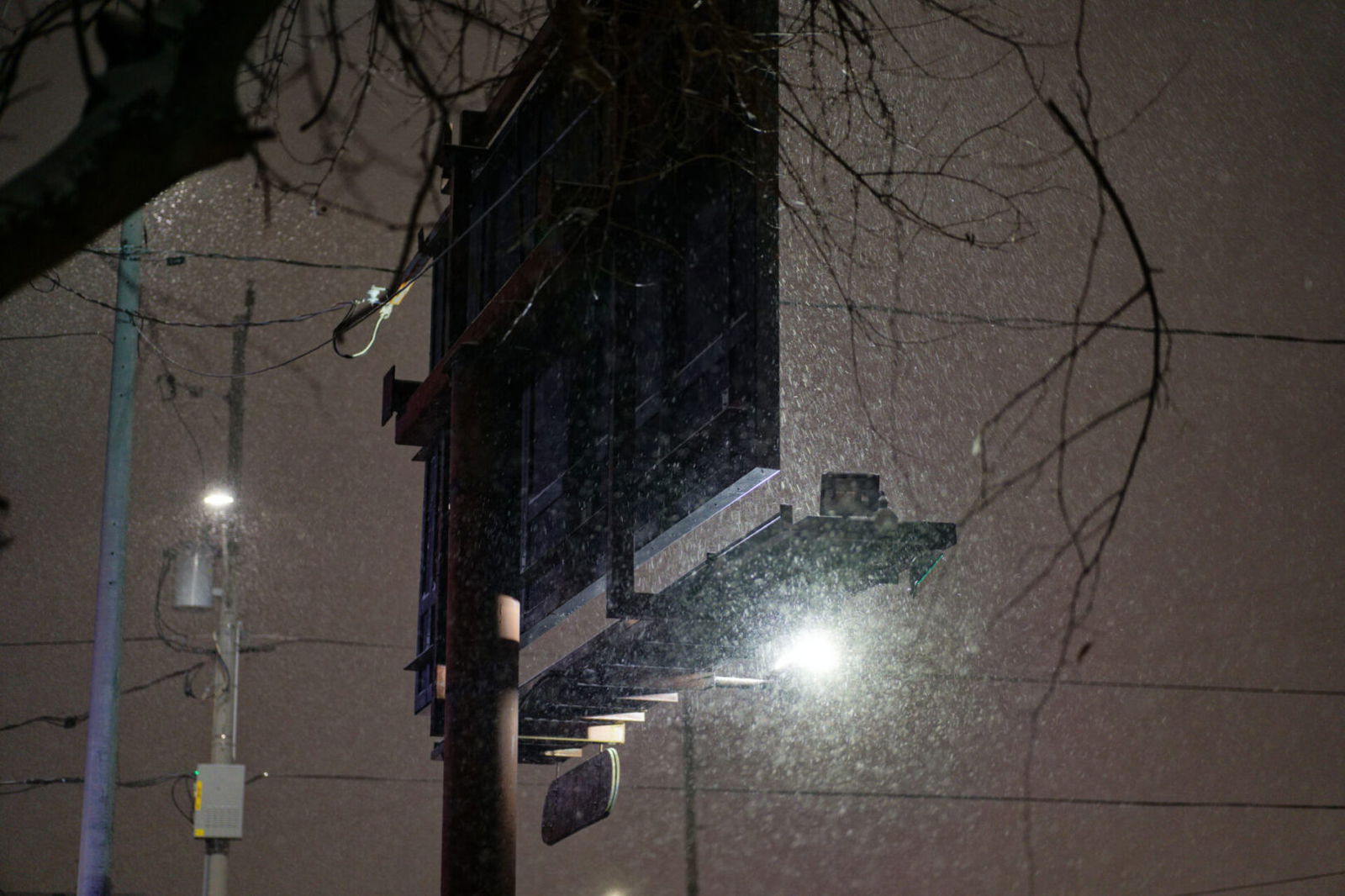
Vignetting is pronounced wide open, easing at F2.8 and becoming modest by F4, which is roughly in line with other short telephoto primes at this price while still delivering a solid image overall. There is mild pincushion distortion that can be corrected quickly in software and can even help with faces a little in portrait-type situations.
“Optically, the TTArtisan 75mm F2 leans into a modern–but–gentle look.”
Lateral chromatic aberration is well controlled, while longitudinal fringing is present at high‑contrast edges in front of and behind the focus plane but usually stays subtle in real‑world shots, especially once stopped down a stop or two. In controlled environments, these are easily dealt with, and overall minor once you use the lens in real-world settings where natural light or subjects are more complex are in the shot.
Flare is one of the lens’s weaker areas, and something to keep in mind if you are shooting in a city where light sources can be an issue. With bright light sources in or near the frame, especially toward the corners, you may see some ghosting, haze and a loss of contrast that can require some care in composition. Sunstars appear at smaller apertures but are not a headline feature; the main attraction is still that F2 look. I honestly enjoy the look these can offer at times, but it is worth being aware of, especially depending on your shooting situation and what sort of content you are looking to capture with the lens.

Where the TTArtisan 75mm F2 really shines is in its ability to deliver creamy bokeh. At typical portrait distances, the lens provides strong subject separation at f/2, producing a smooth blur that keeps outlines soft rather than harsh. Out-of-focus highlights are generally clean, with only slight cat’s-eye shaping toward the edges and no obvious inconsistencies across the samples I tested.
Backgrounds can become busier when scenes include complex, high-contrast details or strong specular highlights. In everyday situations, however, the blur remains pleasing and natural. Depending on your needs, the lens is capable of producing striking, artistic images that help photos or videos stand out. As always, results depend on the shooting style and subjects you have in mind.
Colour rendering is well balanced, with good saturation and a subtle, slightly airy look when used wide open. This tightens up as the lens is stopped down. Combined with the focal length’s narrower field of view, the lens delivers a portrait-friendly perspective that works well for head-and-shoulders shots, as well as compressed street scenes and distant details.
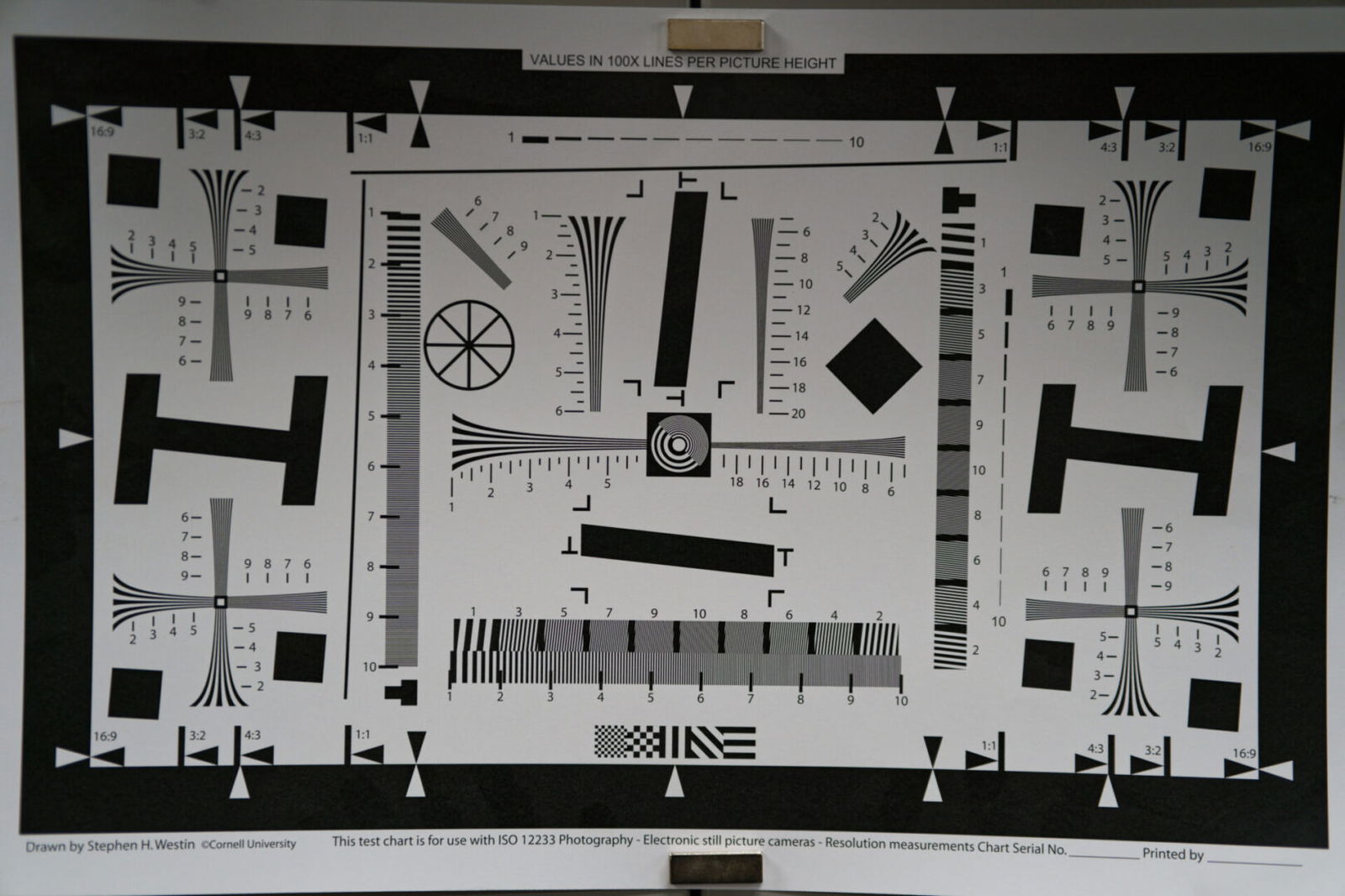
The main limitation for close-up work is the minimum focus distance of about 0.75 metres. This keeps magnification low and makes the lens less suitable for tight product shots or macro-style photography. As a result, it struggled with close-up images of tech products. I tested it for that purpose, but it did not allow me to get close enough to achieve the framing and detail I was hoping for.
Priced at about $178 to $199 US, the TTArtisan AF 75mm F2 sits well below first-party portrait primes and even undercuts many third-party options, while still offering autofocus, a metal body and solid optical performance. It is not the sharpest, fastest or most flare-resistant short telephoto on the market, but the compromises feel reasonable. The overall package is clearly tuned for real-world portrait work rather than lab perfection, and it could make a strong addition to a camera kit for street photography, particularly for shooters looking to add pleasing bokeh to their images.