
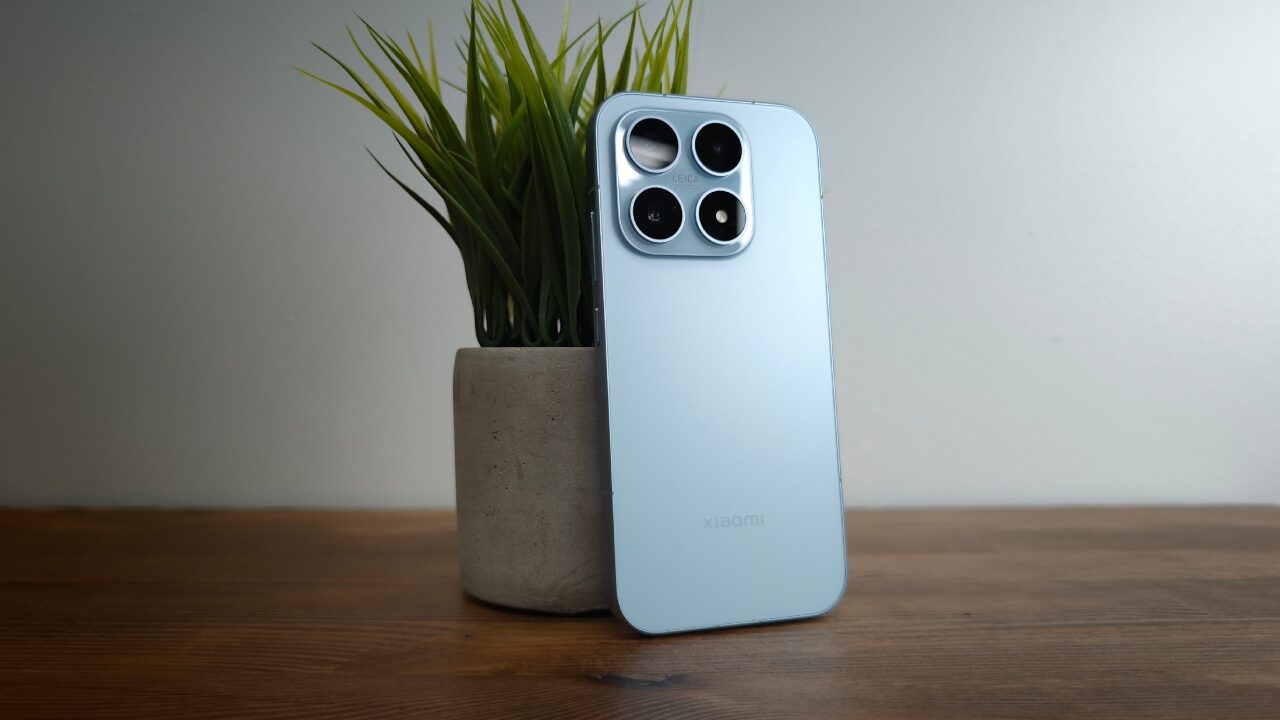

I have been using Xiaomi products as long as I have been here at CGMagazine, and the Xiaomi 17 smartphone is the first time I have felt let down by one of their products. I swear by Xiaomi smartwatches and tablets, and was pleasantly surprised by the Xiaomi 15 line-up’s base model, but this time around, something doesn’t feel right.
Now, don’t get me wrong, there are definitely things to like about the Xiaomi 17, but this time around, I didn’t get the same flawless experience I have come to expect from the company. On paper, everything about the device seemed perfect, but in practice, I ran into several hiccups that would make me think twice as a buyer, but more on that later.
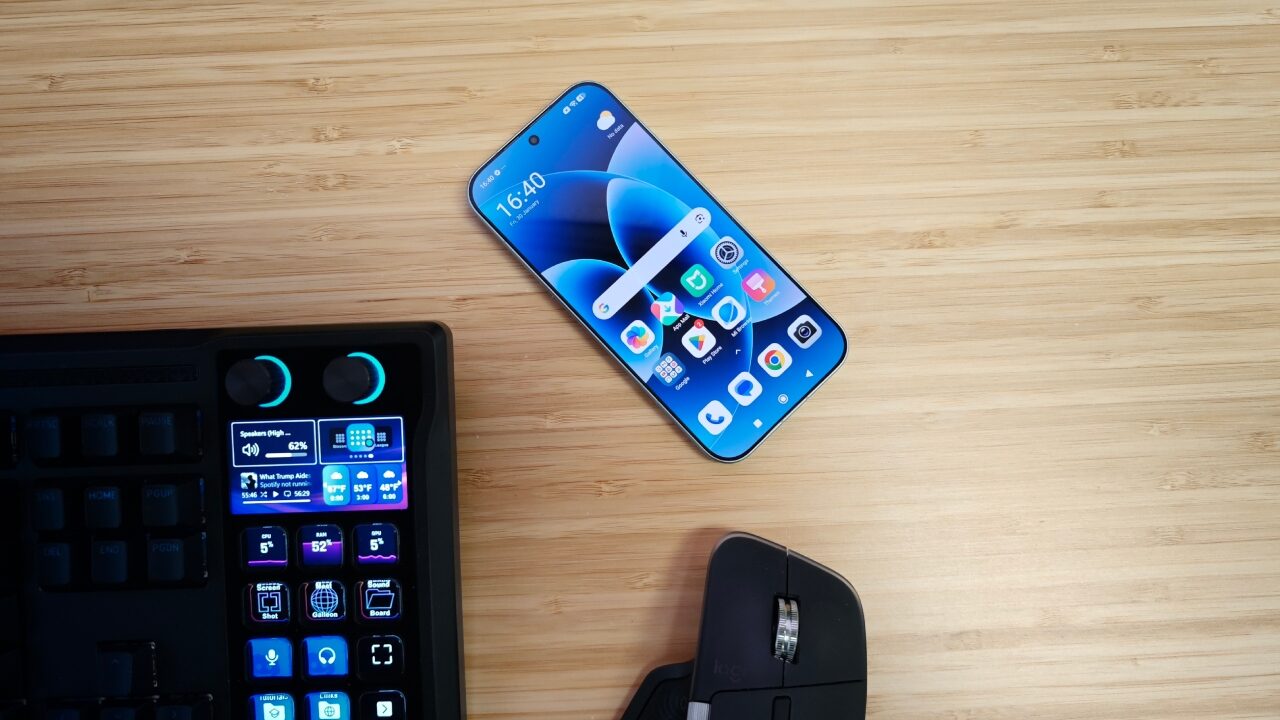
The reason I get excited about the base-model Xiaomi phones is their form factor. I am a small woman with small hands. I love a phone that allows me to reach across the screen with one hand. Smartphones are getting bigger, with the Xiaomi 17 Ultra hitting 6.9 inches, and unfortunately, I am no longer a growing girl. The Xiaomi 17 features a 6.3-inch CrystalRes OLED display, and the overall dimensions are 151.1 x 71.8 x 8.1 mm—perfect for me.
Unfortunately for me, smartphones of this size are usually at the bottom end of the series, and I have to sacrifice comfort for quality. Xiaomi is one of the few companies that still packs a punch across its entire lineup, and in terms of specs, that still remains true with the Xiaomi 17 smartphone. This year’s entire series runs on the Snapdragon 8 Elite Gen 5 chip, making no sacrifices between the top-end and base models. Thanks to the Elite Gen 5, the Xiaomi 17 was consistently fast and responsive, switching between apps with ease.

The Xiaomi 17 also comes in two configurations of storage and RAM: 256GB/12GB RAM, 512GB/12GB RAM. I received the 512GB/12GB RAM model. The display on the Xiaomi 17 also sits on par with the rest of the lineup, with its LIPO display, 120Hz refresh rate, and 3500 nits peak brightness.
“Xiaomi is blowing the competition out of the water, even on the base model.”
In practice, the display on the Xiaomi 17 is beautiful, but a 6.3-inch screen is noticeably smaller than its bigger brothers. However, it was nice to see a bezel that is only 1.18mm thick—Xiaomi is saving every bit of real estate they can! I found dark sections of shows like Bridgerton a little harder to make out, even on full brightness. With that, viewing the device in direct sunlight was a breeze, and the colours in my media and games were brilliant as ever.
I was actually pleasantly surprised while gaming on the Xiaomi 17. I play a lot of low-demand games when it comes to mobile titles, and while a nice display is great for them, they don’t really push a device to its limits. I jumped into Fortnite on the Xiaomi 17, and the results were impressive. Of course, at low settings, the game hovered at 60FPS without issue, even in crowded areas. What shocked me was turning Fortnite up to high settings and high textures, and still sitting with the same FPS as when on low. For the bottom tier of the 17 series, I wasn’t expecting performance this good.

However, this is also where my biggest caveat with the device lies. It is constantly giving great performance, but it is noticeable that the device is working hard to keep up. I had constant issues with the Xiaomi 17 getting extremely warm. It never overheated to the point of crashing, but almost daily, I notice that it has gotten uncomfortably warm to the touch.
At first, I thought I was just under a heavy load, like when I was transferring all my files and installing every app. Sadly, it proved to be a regular occurrence while using several different aspects of the device. Fifteen minutes of taking videos on and off, it was warm. Running Android Auto while scrolling social media (I was not driving), it got HOT. Playing Fortnite, it was very warm. These are everyday tasks that shouldn’t be pushing the device enough to get so warm that I am concerned, but they did. With only a few weeks with the device, I don’t want to explore what could happen long-term.
That is unfortunate, because I really like the cameras on this device. The Xiaomi 17 features 50MP across the board, wide, telephoto and ultrawide lenses on the back, and a selfie camera on the front. A 50 MP selfie camera is by far the highest quality front camera I have seen, up from the Xiaomi 15’s 32MP, and the Xiaomi 17 series is rocking them across the board. It’s hard to look at brands like Samsung, which are STILL running with a 12MP selfie cam on the entire S26 series. Xiaomi is blowing the competition out of the water, even on the base model.

During a trip to Paris, I was able to rely on the Xiaomi 17 for some really beautiful shots. Most of my photography was outside, and since it’s winter, nothing is particularly bright. However, I noticed that the sky really popped in my photos on the Xiaomi 17. The device features the Leica Summilux imaging system, which really lives up to the promise of delivering vivid images. Photos that I took of the Eiffel Tower in front of the Olympic Rings, the bright colours were striking in the foreground across the brown and grey background.
“In practice, the display on the Xiaomi 17 is beautiful, but a 6.3-inch screen is noticeably smaller than its bigger brothers.”
Bringing my photos over to my PC, I was able to zoom in without losing too much of the quality of the main image. At extremes, lines would appear fuzzy, but at the size intended, details were extremely focused. What impressed me more than anything was the telephoto lens. I would regularly test with anywhere from 5 to 10 times zoom, and buildings would remain crisp and clear. It would take a steady hand, but the photos came out beautifully.


The Xiaomi 17 also features several AI photo features, some of which you have to download from a separate menu rather than coming with the base device. The AI Eraser was serviceable, but not impressive. Removing people from the staircase, the device wouldn’t recognize many people in the crowd as people, and the manual feature doesn’t allow for selecting fine or small objects or people, unlike OnePlus devices, which have Smart Lasso that will snap to the lines of items or people.
I ended up with either only some people removed or muddled images because the Xiaomi 17 couldn’t differentiate people from their background.


For the most part, my Xiaomi 17 review rings pretty positive, issues with heat management and AI features aside. At the beginning of the review, I mentioned that something didn’t feel right, and it is the battery. Xiaomi chose to go with a 6330 mAh battery in a 6.3-inch phone, and given the likes of Samsung, Google and Apple lately, that is mostly impressive. However, I have used several smartphones with batteries this size or similar, including REDMAGIC 10 Pro and the realme GT8 Pro, which is my regular device between reviews right now.
Both of these devices had me WORKING to kill the battery. My OnePlus 13 would sit at 100% for nearly an hour after I unplugged from the charger. Today, my Xiaomi 17 dropped to 97% while it was still plugged in while I was scrolling Facebook. A single round-trip from Toronto and back, during which I used Android Auto and Google Maps with some scrolling, drained more than half my device’s battery. And yes, my device is in balanced mode. It was about three hours in total of driving, and one hour sitting idle in my bag, plus sitting idle while I got ready to go for the day.
On a day when I was primarily working, with some light use aside from loading Fortnite for two photos, I found the Xiaomi sitting at 66% percent battery when I was done for the day. My realme would normally end a day like this at over 80%. Alternatively, I ran the Xiaomi 17 with Netflix streaming at full brightness for hours, and it only used 20% of the day’s battery life.


As I said, something doesn’t feel right. The battery life on the Xiaomi 17 is unpredictable. With almost every device I have reviewed, after a few days, I can usually tell when I will need to reach for my charger. With the 17, some days I am shocked at how much power I still have, other days I am left wondering what crazy thing I did to drain it. I know this varies between what you’re using, but I have reviewed enough smartphones to understand that and make my observations with that in mind. Between this and the overheating, I am concerned.
“For the bottom tier of the 17 series, I wasn’t expecting performance this good.”
Outside of that, the Xiaomi 17 supports 100W wired,100W PPS, 50W wireless and 22.5W reverse wired/wireless charging. With a 65W charger, I was able to charge the phone from 65% to 85% in just ten minutes, and another 10% after ten more minutes. Charging is thankfully pretty quick, and it would be even faster if I used the 100W charging available.

We don’t have official pricing yet for the Xiaomi 17, but the 15 sits just under $900 USD a year after release. That would likely put it on par with the Galaxy S26 base model when it releases, and a little over the iPhone 17, but with better cameras and, theoretically, a better battery.
My time with the Xiaomi 17 has been a very conflicting experience. I love the size, display and camera, and am thrilled with the responsiveness. However, I can’t ignore the inconsistency with the battery life and the constant temperature hike. If these issues weren’t present, this would be an easy recommendation, but people who want to push their phone for gaming or creation might run into some issues with the Xiaomi 17.