



Each year, the Xiaomi Ultra appears to combine the latest smartphone technology with some of the best photography features, creating a device that straddles the line between smartphone and camera. This year is no different. The Xiaomi 17 Ultra focuses on camera hardware, long battery life and a bright, flat display, then layers Leica branding and design on top for users who take mobile photography seriously. The result is a phone that feels tailored first to creators, then to everything else, even though its general performance and day-to-day use remain firmly in high-end territory.
The unboxing experience of the Xiaomi 17 Ultra is similar to past iterations. Unlike many modern flagship smartphones, this device comes with a case and charging cable. However, unlike some other Xiaomi phones, it does not include a charging brick in the box. Once you remove the protective wrapping, you are greeted by a striking device that carries over many elements from last year’s model, with a few refinements that make the overall experience feel more polished.

This is a striking smartphone, with each aspect of its design feeling well-realized and cohesive, and seemingly focused on this being a photography-first smartphone. The 17 Ultra’s glass front sits over aerospace-grade glass fibre and an aluminum frame, and the phone carries IP68 ratings for dust resistance, water immersion and high-pressure water jets. Xiaomi Shield Glass 3.0 protects the display. The phone is available in three colours for the global launch: black, white and Starlight Green.
The back panel is plastic rather than glass or vegan leather, unlike some previous Xiaomi Ultra models, and it works for the most part, though it feels a bit less premium. I would be lying if I said I am not disappointed that Xiaomi did not include a full-glass back on this iteration. That is not to say it is bad, per se, but it does feel a little cheaper than the rest of the 17 Ultra. That all said, it still feels solid in the hand. At 162.9 x 77.6 x 8.5 mm and about 230 grams, this is a large, heavy handset. Slimmer bezels and a high screen-to-body ratio help keep it reasonably manageable for its class, and it looks fantastic once the screen is on.
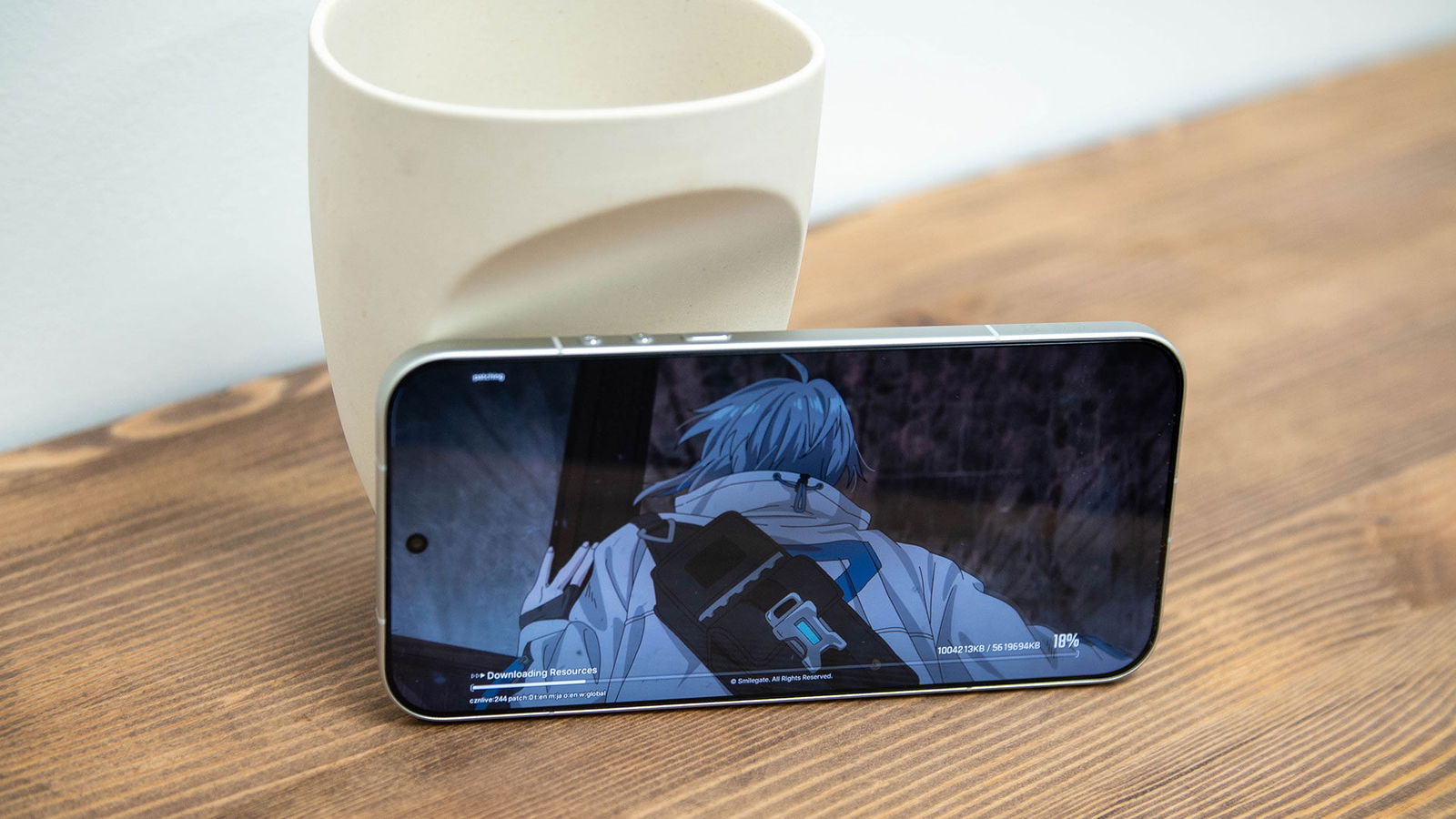
Looking beyond its design, the 17 Ultra runs on Qualcomm’s Snapdragon 8 Elite Gen 5 processor, paired with UFS 4.1 storage and up to 16 GB of RAM. This hardware keeps Android 16 with HyperOS 3 running smoothly, from quick app launches to demanding games. The 6.9-inch LTPO AMOLED display is flat and supports a one-to-120 Hz refresh rate, along with HDR formats including Dolby Vision and HDR10+. It can reach a claimed peak brightness of 3,500 nits, which testing supports in high-brightness modes. The resolution is 1,200 x 2,608 at about 416 pixels per inch, which is sharp enough that pixelation is not visible in normal use.
On the connectivity side, the Xiaomi 17 Ultra features 5G, Wi-Fi 7, NFC, Bluetooth 5.4 with high-quality audio codecs, an IR blaster, and an under-display ultrasonic fingerprint reader. On paper, it supports dual nano-SIM and eSIM, though some regional models only support physical SIM cards. You may also need to change your region to enable eSIM support. I set my unit to the U.K. to ensure eSIM was available, and the process of changing your region is relatively easy, so it is a minor point.
This is clearly a flagship product and includes the full range of features Xiaomi has introduced across the 17 series, resulting in a fast and responsive device. I will detail its performance later, but I never felt limited by the hardware. It handled every task I put to it, and the overall experience remained smooth and responsive. As the Xiaomi 17 Ultra smartphone is designed with photography in mind, that is where it truly stands out.
A look at the back of the device shows what this phone is all about: the camera system. This is where Xiaomi places the most emphasis. The main rear camera uses a 50-megapixel, one-inch-type sensor with large 1.6-micrometre pixels, optical image stabilization and dual-pixel autofocus. It is marketed under Xiaomi’s Light Fusion and Light Hunter branding and features LOFIC circuitry for improved dynamic range. Real-world testing shows the sensor delivers detailed, low-noise images in both daylight and low light, with strong dynamic range. However, the Leica Vibrant colour mode can push saturation too far at times.
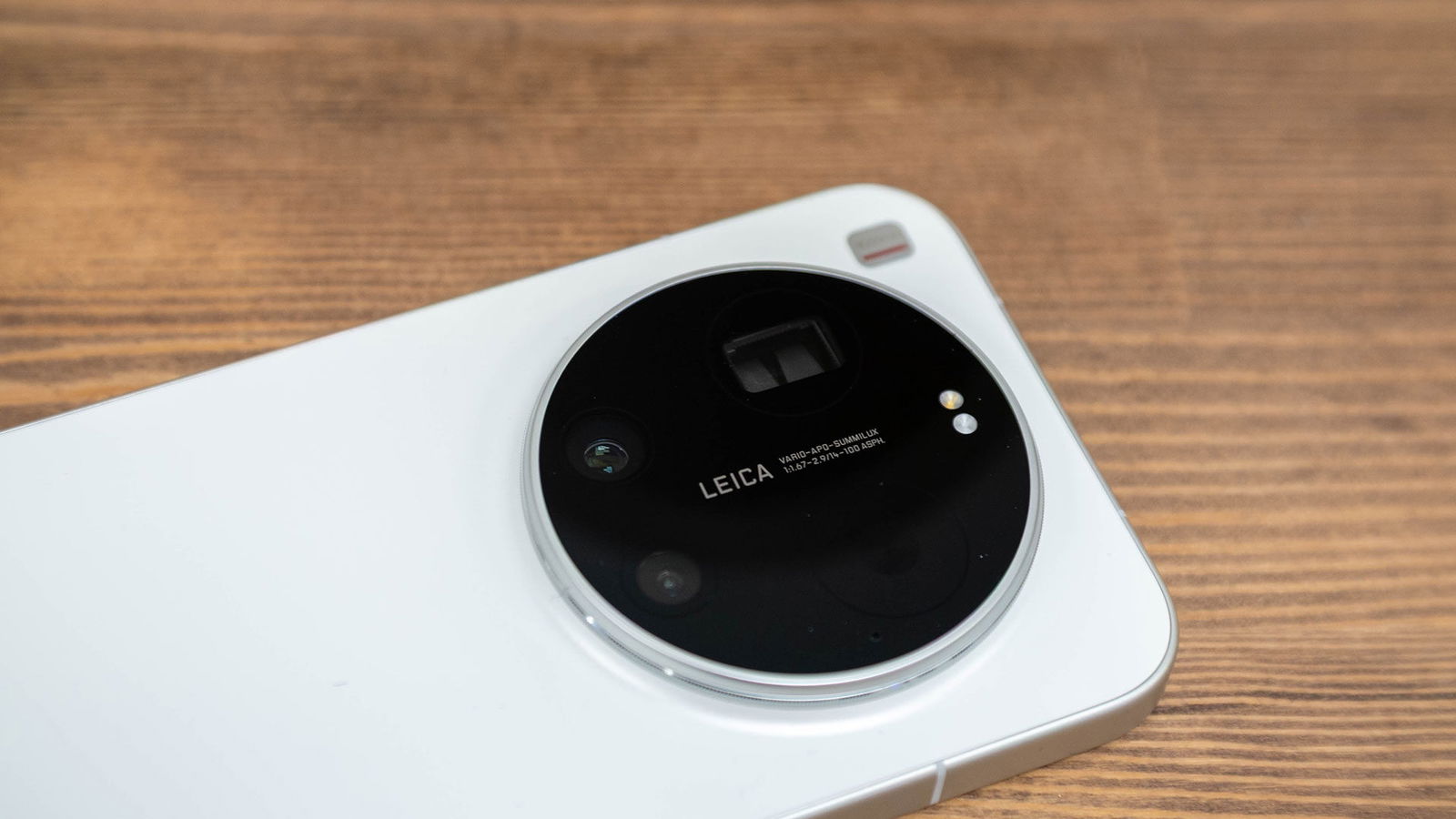
The 200-megapixel telephoto camera uses a 1/1.4-inch sensor and a Leica APO-certified variable zoom lens that covers 75 to 100 mm equivalent. The aperture ranges from about f/2.4 to f/3.0, and the lens can focus as close as 30 cm. This is a new addition to the Xiaomi Ultra lineup and one I am pleased to see in a smartphone. It creates a more natural zoom experience, similar to using a true zoom lens, with far less abrupt shifting compared with previous models.
“As the Xiaomi 17 Ultra smartphone is designed with photography in mind, that is where it truly stands out.”
The APO triplet design features three key glass elements and careful correction to reduce chromatic aberration and fringing. The result is cleaner edges around high-contrast subjects and more consistent sharpness across the frame when zooming. The continuous optical zoom, which ranges from roughly 3.2x to 4.3x, offers more control over framing than the fixed 3x and 5x modules found in older Ultra models. However, it does not extend as far as some periscope rivals for extreme telephoto photography. A 50-megapixel ultra-wide camera at 14 mm handles sweeping scenes and doubles as a macro lens at about 5 cm, while a time-of-flight depth sensor supports portrait mode and autofocus.








Those specifications are impressive, but how does the system perform in real-world use? It performs exceptionally well. If you already own a Xiaomi 15 Ultra, you have a phone with an excellent camera, and in some respects, the experience is similar, with both devices delivering striking images and strong detail and clarity. Where the Xiaomi 17 Ultra stands out is its 200-megapixel periscope telephoto camera, which allows for a true optical zoom range of 75 to 100 mm. This provides a more versatile set of focal lengths for photography.
I tested the camera while walking the streets of Paris, and it performed well in a wide range of lighting conditions. It consistently captured clear, striking images across its full zoom range. The Xiaomi 17 Ultra is a strong option for content creators who want to travel light without sacrificing image quality.
I appreciated what Insta360 achieved with the Ace Pro 2, but this phone goes further by combining Leica tuning with a broad range of controls that make it easy to capture photos and video in formats suited to professional use. If you appreciate Leica’s colour science, you will be pleased to see the Leica Authentic and Leica Vibrant profiles return, bringing the brand’s expertise in camera and lens design to your photo tuning.










As in past iterations, Pro mode returns and remains the go-to option for those who want a full camera experience on the move. It allows you to capture photos in RAW format, meaning you can edit every aspect of an image afterward using Lightroom or other editing software. The video mode also supports Log recording, providing a more flexible workflow for colour grading and post-production.
Once you understand how the camera works, or when you want to push your creativity further, Pro mode is where you will spend most of your time. It handles fewer settings automatically, but in return gives you greater control, allowing you to push the camera to its limits and produce striking photos and video. This makes the Xiaomi 17 Ultra feel more like a dedicated content creation tool than many competing smartphones.
That said, you do not need to use Pro mode to capture high-quality video. The phone offers a range of features tailored to creators at every level. The rear camera supports 8K at 30FPS, 4K Dolby Vision at 30FPS and 60FPS, and even 120FPS. On the front, you will find a relatively solid 50MP f2.2 90° FOD camera that works well, especially if you are looking to make calls with family, or even vlog.
Much like past years, Xiaomi have added different levels of image stabilization, which work for the most part, but compared to what Samsung and Apple are doing in this area, Xiaomi has a bit of catching up to do. That said, it still works in a pinch, and for anyone using the Xiaomi 17 Ultra for content creation, it is never a bad thing to have more tools in your toolbox.
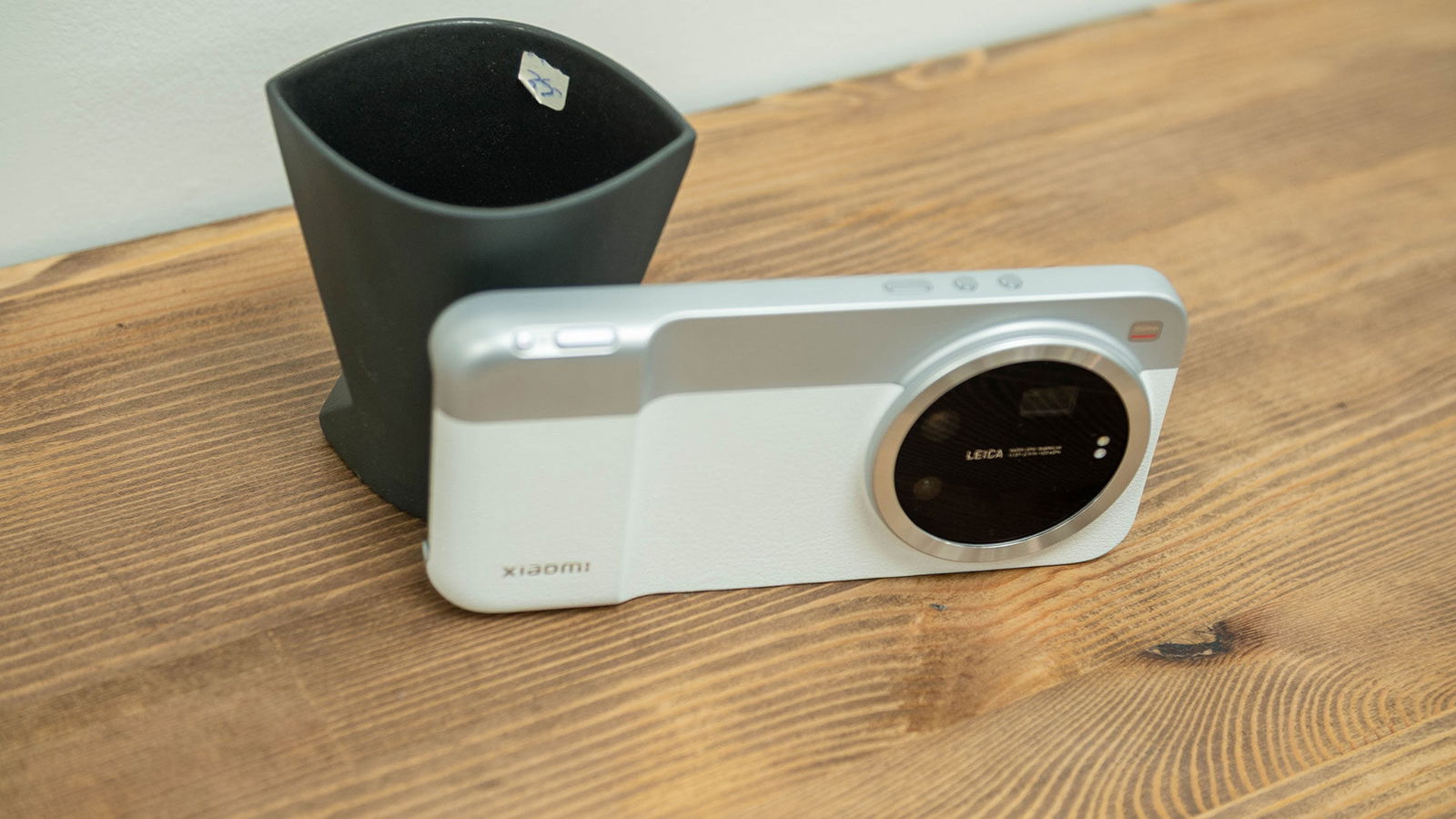
As in past years, Xiaomi has released optional grips to help users get more out of the Xiaomi 17 Ultra as a camera. This year, however, the company has expanded its lineup with two options that offer distinct experiences. The Photography Kit provides an easy-to-use, slimmed-down camera case with a customizable two-stage shutter button and a dedicated video recording button, offering solid control for both still photography and video. A specialized software interface under Fastshot mode allows users to immerse themselves further in the shooting experience.
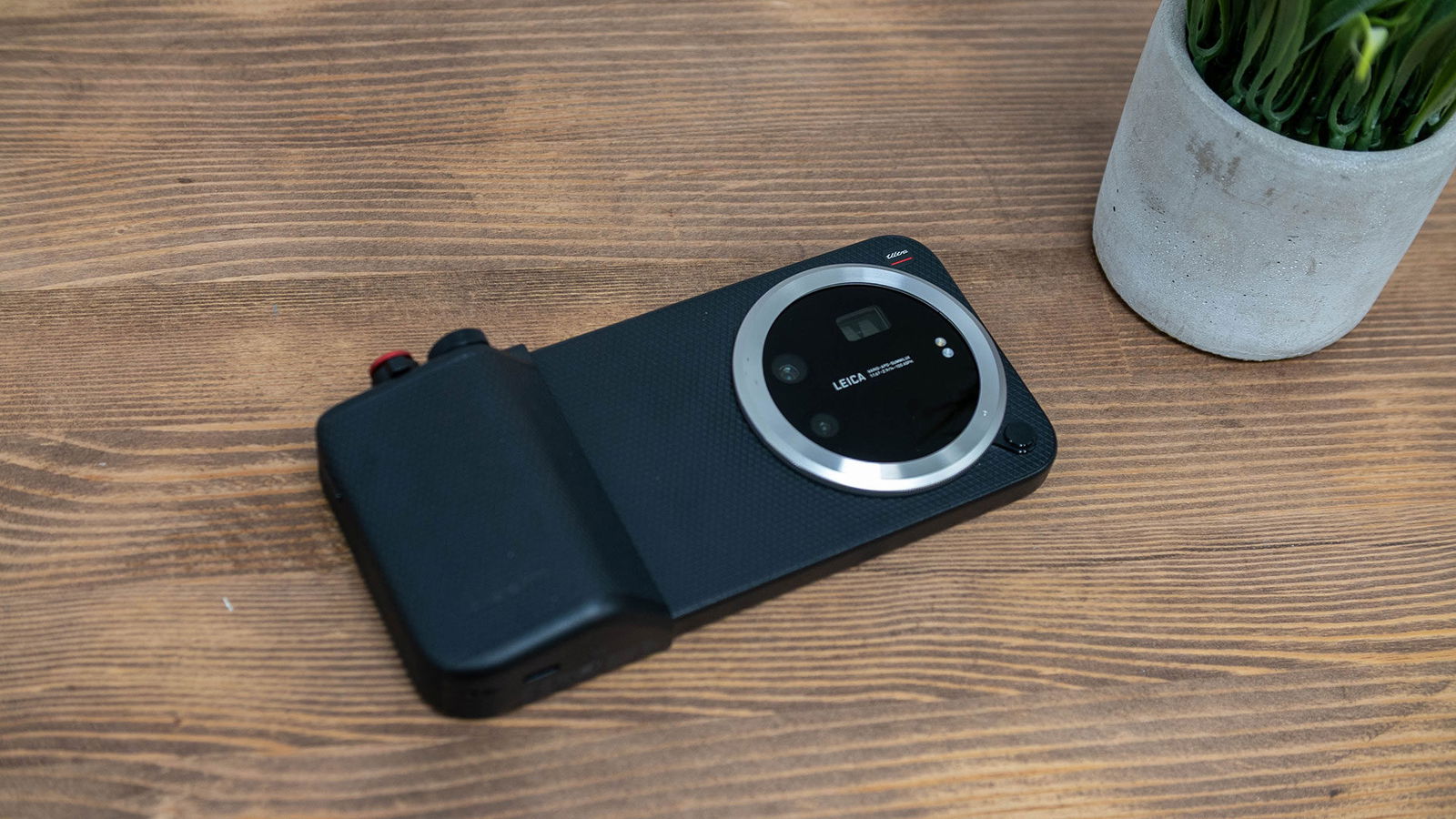
For those who want a more complete camera experience, the Photography Kit Pro builds on what Xiaomi has offered with previous Ultra models. It includes a dedicated case that allows a detachable grip to slide into place, adding a 2,000 mAh battery. A dedicated shutter button and thumb support create a feel similar to holding a mirrorless camera, with a grip that sits comfortably in the hand. This is the case I used most often. Both kits are strong additions for content creators and feel far more natural to shoot with than relying solely on the screen to capture the moment.
Speaking of the screen, the display and audio performance reinforce the photography-focused design. The display is exceptionally bright outdoors, with accurate colour reproduction in the more neutral Pro profile and high-frequency 2,160 Hz PWM dimming designed to reduce eye strain. Reflections can still be an issue because of the glossy finish, especially in direct sunlight, but the content remains readable.
The screen is also well-suited to watching media and playing games. It is bright, vibrant and clear, bringing images and video to life. That clarity is especially helpful when using the phone to frame a shot. The last thing you want is to squint at the display trying to see what is on it. Trust me, I have been there. From my testing, Xiaomi has found a strong balance here, and the display was genuinely a pleasure to use.
The stereo speakers deliver clear mids and highs with modest bass response. Testing places them near the top of the current flagship category for sound quality. While the speakers perform well for a smartphone, especially compared with weaker competitors, they remain somewhat flat and lack the depth and impact of earbuds or headphones. Still, they are sufficient in a pinch and offer an enjoyable experience when gaming or watching a movie.
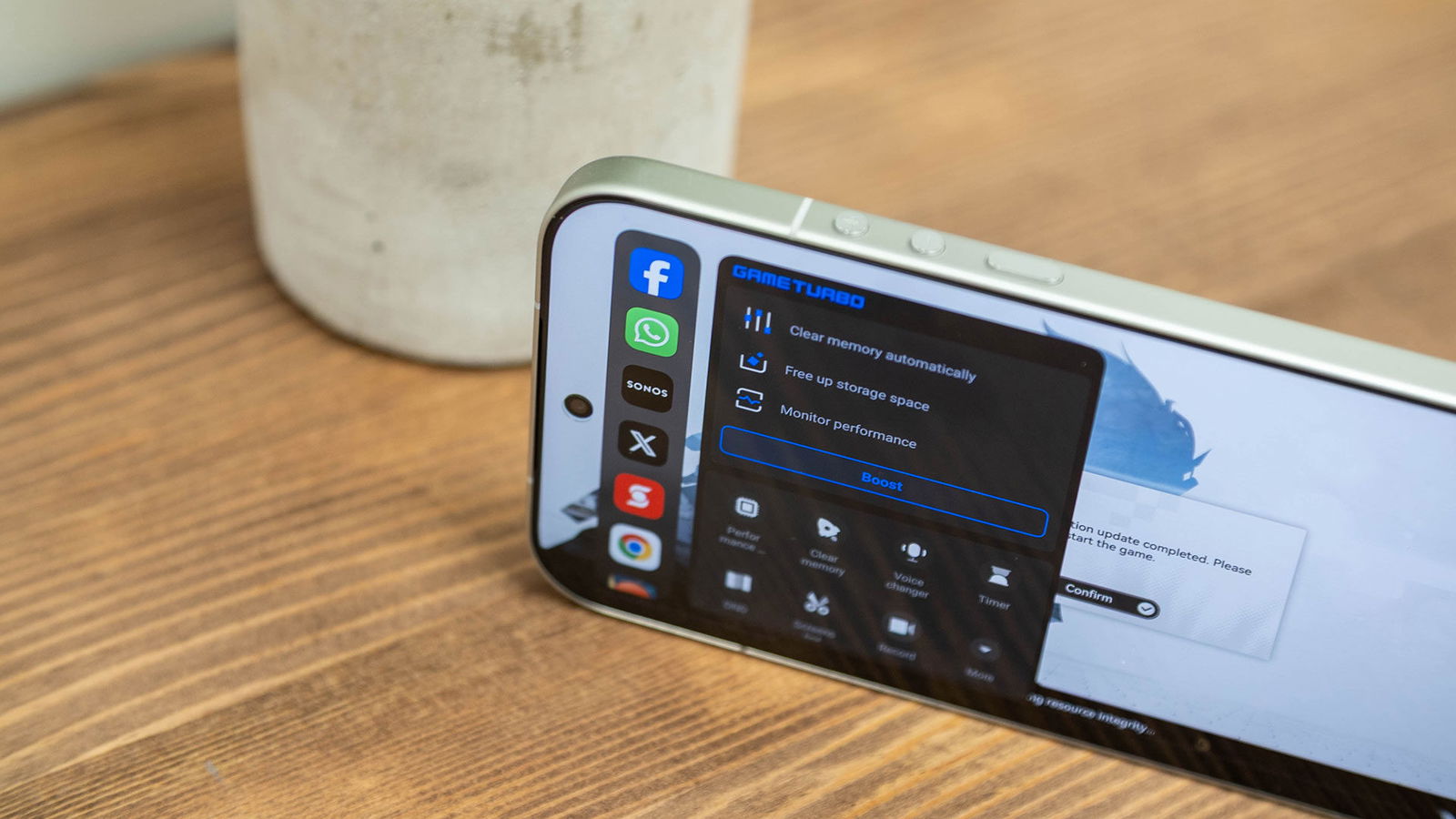
When it comes to performance, the Xiaomi 17 Ultra delivers impressive results. In testing across several Snapdragon 8 Elite Gen 5 devices currently on the market, the Xiaomi 17 Ultra ranks near the top in both benchmark scores and real-world use (it helps that I have many of the devices in the office to test against). Titles such as Genshin Impact, Honkai: Star Rail and Arknights: Endfield, along with other demanding 3D games, run at high frame rates for extended periods, delivering a smooth and responsive experience.
Even under load, frame rates remain playable, and most users will experience a fast, responsive device that handles multitasking and media with ease. Intensive tasks such as GPS navigation can also cause the Xiaomi 17 Ultra to heat up noticeably, something users should keep in mind. Xiaomi gives you the tools to check performance, adjust how the phone allocates resources, and even give it a boost if you hit a slowdown, although during testing, no game, even the more intensive ones, seemed to show any need for this feature. I am happy to see it nonetheless.
“When it comes to performance, the Xiaomi 17 Ultra delivers impressive results.”
In synthetic testing, the Xiaomi 17 Ultra performed as expected for a Snapdragon 8 Elite Gen 5 device, achieving a single-core score of 3,595 and a multi-core score of 10,949 in Geekbench’s CPU benchmark. In the GPU benchmark, the 17 Ultra scored 22,883, putting it well ahead of the 15 Ultra’s 18,499 and the entire Samsung Galaxy S25 lineup. While the Xiaomi 17 Ultra delivered strong results in testing, it became very hot to the touch during prolonged benchmark runs. It also grew warm during extended GPS use and while charging. Not too hot to use, but something to keep in mind.
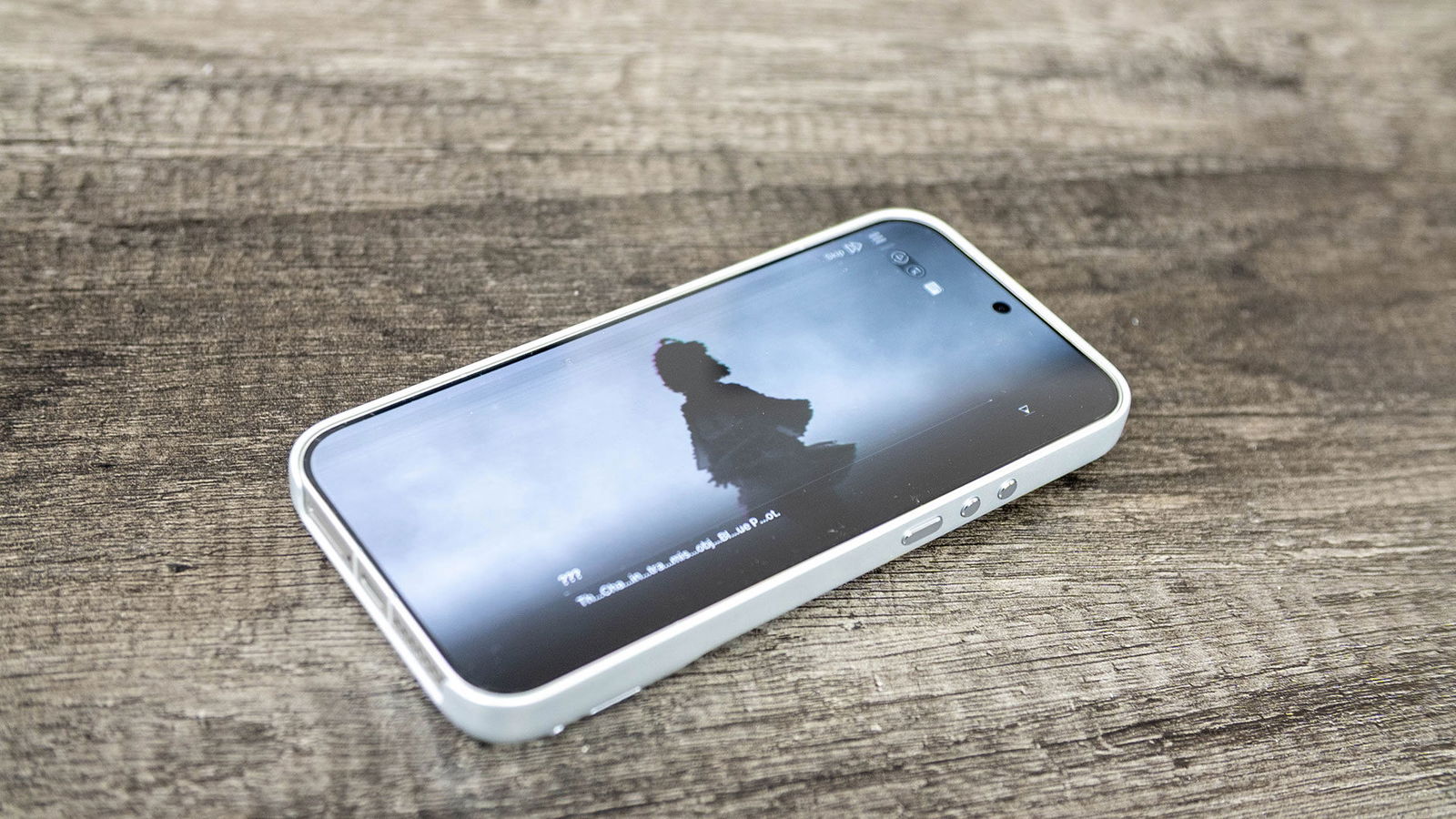
Battery life was an area of concern heading into this review, considering some issues I had with last year’s phone, but during my testing, the Xiaomi 17 Ultra has proven to be a strong performer, lasting a full day without issue. Unlike its Chinese counterpart, the global version uses a 6,000 mAh battery that delivers nearly 26 hours of controlled Wi-Fi web browsing at a set brightness level. Real-world use suggests a day to a day and a half with mixed usage. Anything beyond that would be stretching it, and you would be living on the wild side unless you stay close to a charger.
Charging supports up to 90W wired and 50W wireless, along with reverse wired and wireless charging for accessories. If you are fortunate enough to purchase the Leica edition and receive the 100W charging brick included in the box, full charges still take close to an hour. We did not receive that charger and instead used a third-party 100W GaN charger in our office, which delivered similar results. Some competing phones do charge faster, although the Xiaomi 17 Ultra is far from slow by any stretch.
I have reviewed all the Xiaomi Ultra phones over the past few years, and they have all delivered solid results, and with each iteration, they nail more of the issues. That is true here aswell. On the surface the Xiaomi 17 Ultra is only a minor updated compared to the 15 Ultra, but in practice, those changes make a big impact on how I use the phone, how good it feels to pull out and capture a moment, and even better, how I am much less worried about the battery dying as I walk though a new city taking pictures.

The Xiaomi 17 Ultra offers one of the best camera systems available in a smartphone today, supported by a bright, flat display, long battery life, and fast performance. Although there were some quirks, such as needing to change regions for eSIM, as well as the phone’s weight and size and the expected price of $1,449–$1,599 USD, none were deal-breakers for me. For users who prioritize mobile photography, the Xiaomi 17 Ultra stands out as a camera-focused flagship that feels confident and well-rounded rather than experimental.


