I was initially pretty interested in Neuroscape because I’d recently stumbled upon a revelation that I genuinely enjoy trading card games. As a kid, I remember going nuts for the trading aspect of the Pokémon Trading Card Game, but no one I knew ever used their cards for battling. After playing Pokémon Trading Card Game on the Game Boy as an adult, I wondered why I never got into it, because I would’ve LOVED it.
And while I’ve dabbled with Magic: The Gathering and Yu-Gi-Oh here and there, I’ve never fully immersed myself in a proper Trading Card Game—mostly for monetary reasons. So being handed a chance to review a new Trading Card Game, with a cool cyberpunk aesthetic no less, was something I jumped on. However, my excitement quickly turned to frustration as Neuroscape commits the biggest sin a Trading Card Game—or any tabletop game for that matter—can commit: being needlessly complicated.
It’s something I felt I needed to put at the top of this review because it genuinely annoys me when something that is relatively simple wraps itself in layers of convolution in what I can only assume is an attempt to seem smarter than it is. I wanted to relay my experience sitting down with the game as adequately as possible to properly convey my frustration. It’s not that Neuroscape is a deeply complex game, but it’s so poorly explained that it makes it profoundly confusing to play.
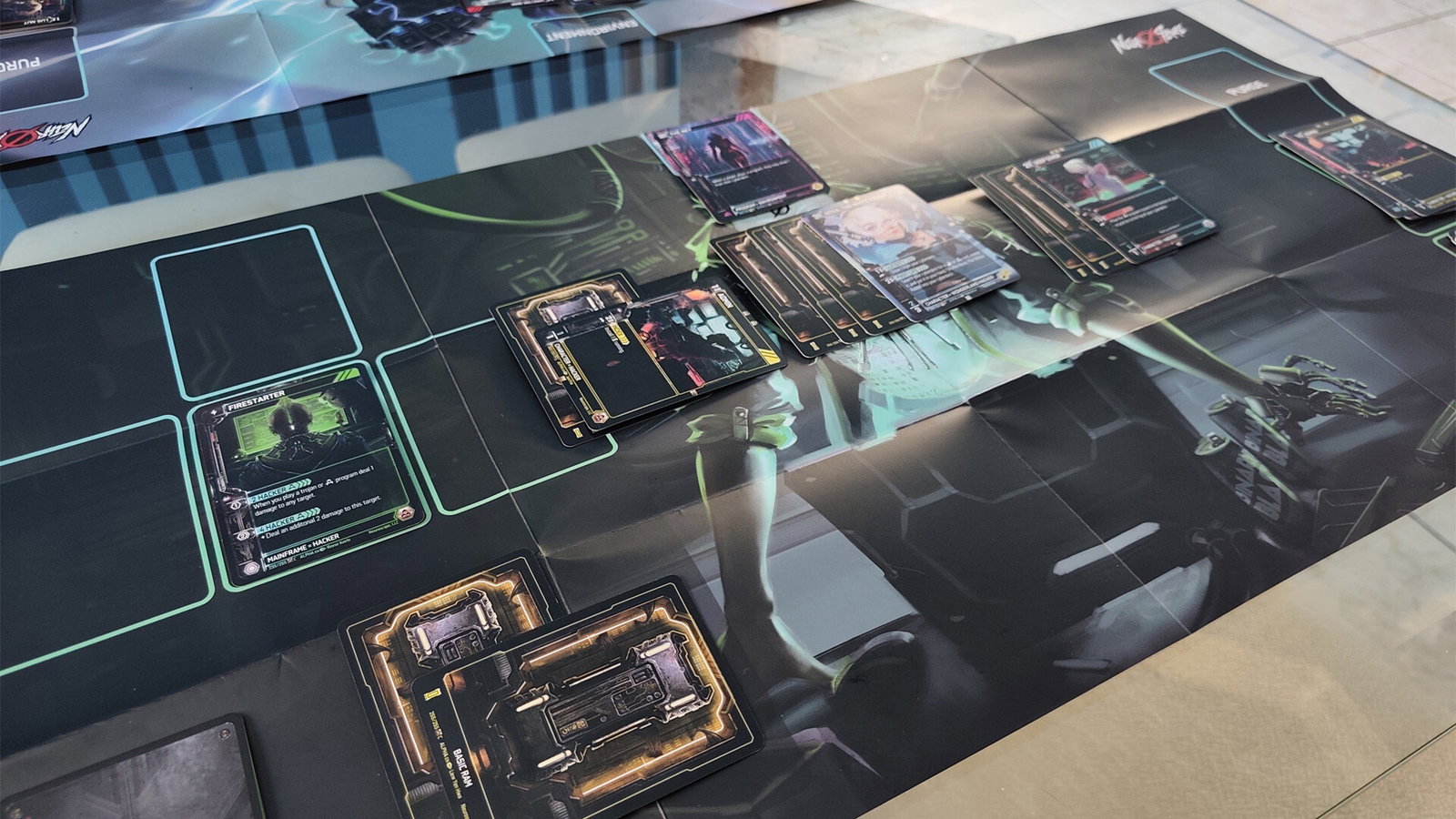
Neuroscape gives players myriad ways to “learn” how to play, but between a companion app, a “how to play video” and a digital rulebook, none of them give players a solid sense of how a turn is properly played, or how its myriad systems actually work. Setup is fairly straightforward; however, it’s the finer details that are never clearly explained and can leave players floundering somewhat in the proper procedure.
Take characters, for example. Players need characters to attack their opponents’ health pools directly, however these attacks can be blocked by the opposing player’s characters. When a player declares an attack, their opponent can choose which of their characters can block it. Players can choose multiple characters to both attack and defend, but none of the How To’s and Rulesets give you clear guidelines on this.
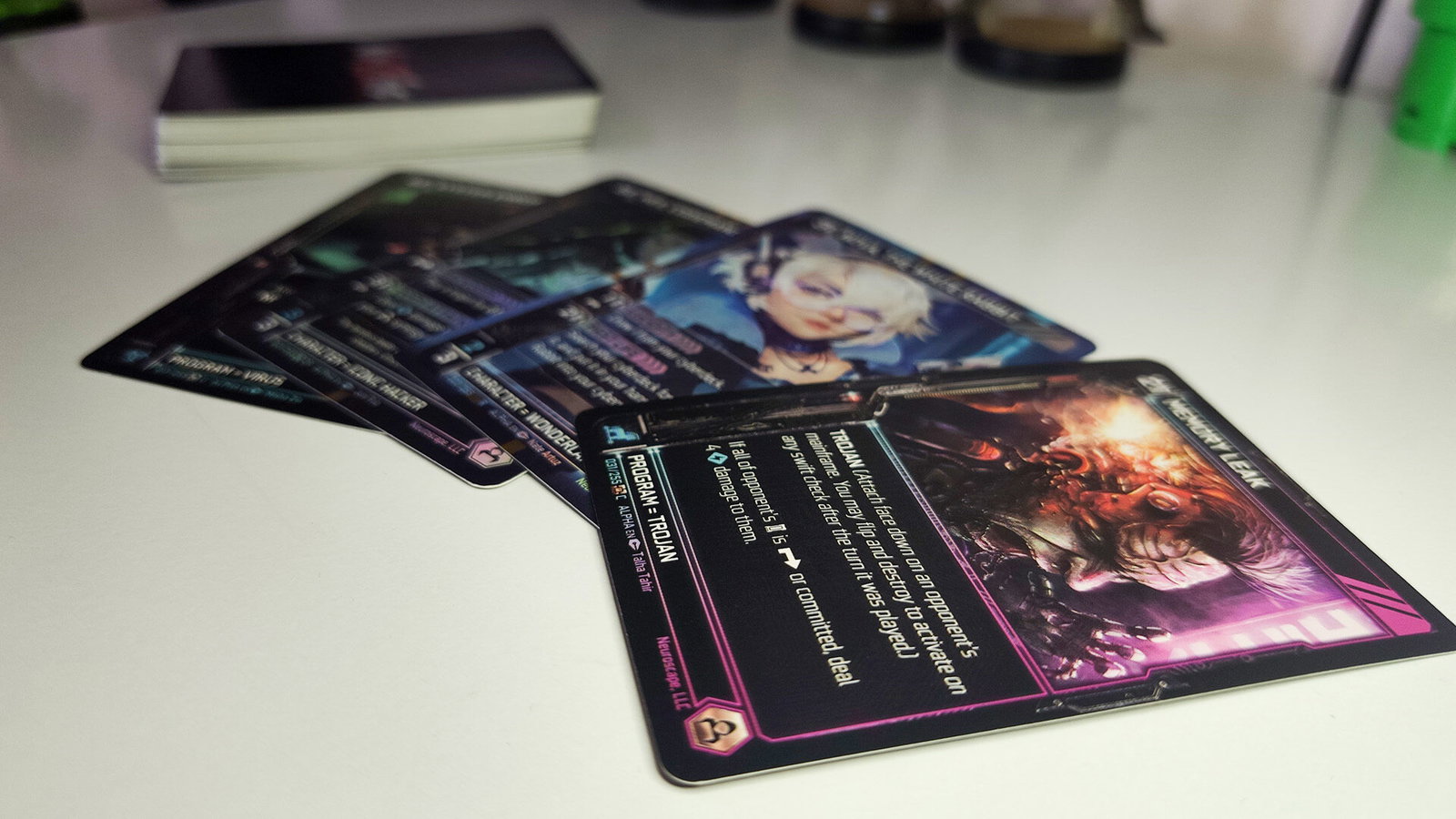
Between the tutorial video, rulebook, and companion app, there are explanations for what happens if characters engage in one-on-one combat, when multiple attackers target a single opponent, and what happens if an attacker has the “Overrun” ability, but no explanation for what happens if multiple defenders block a single attacker.
You would assume that two defenders would pool their defence, but the rules state Attackers can choose how to distribute damage, so it can be difficult to discern how this works I was able to glean, based on some kind of convoluted language, what would happen since “attacking happens at once,” so even the defending characters essentially attack their attacker and can knock them out if their attack is higher, but even this doesn’t state how multiple defenders return damage to an attacker—again, something I essentially had to guess out.
“And credit where it’s due, Neuroscape does clearly have a lot of love put into its worldbuilding and card art. “
The next area where this became a problem was in the game’s “Swift Checks.” These are actions that can be played, seemingly whenever, as all the different rules seem to suggest it’s whenever your opponent “plays a card, or activates an ability.” This was incredibly confusing since “plays a card” is literally all you do in the game. The only other moment where Swift Checks make sense is before each stage of combat, which I kind of get as a form of countering players’ attacks.
This creates a strange pace where players need to either be really on the ball or constantly confirming if their opponents want or can make a Swift Check after (literally) every move. In some ways, it can actually be a bit overwhelming, leading to a scenario where my opponent and I completely forgot to use our Mainframe synergies because we were so overly focused on when and how we could make Swift Checks.
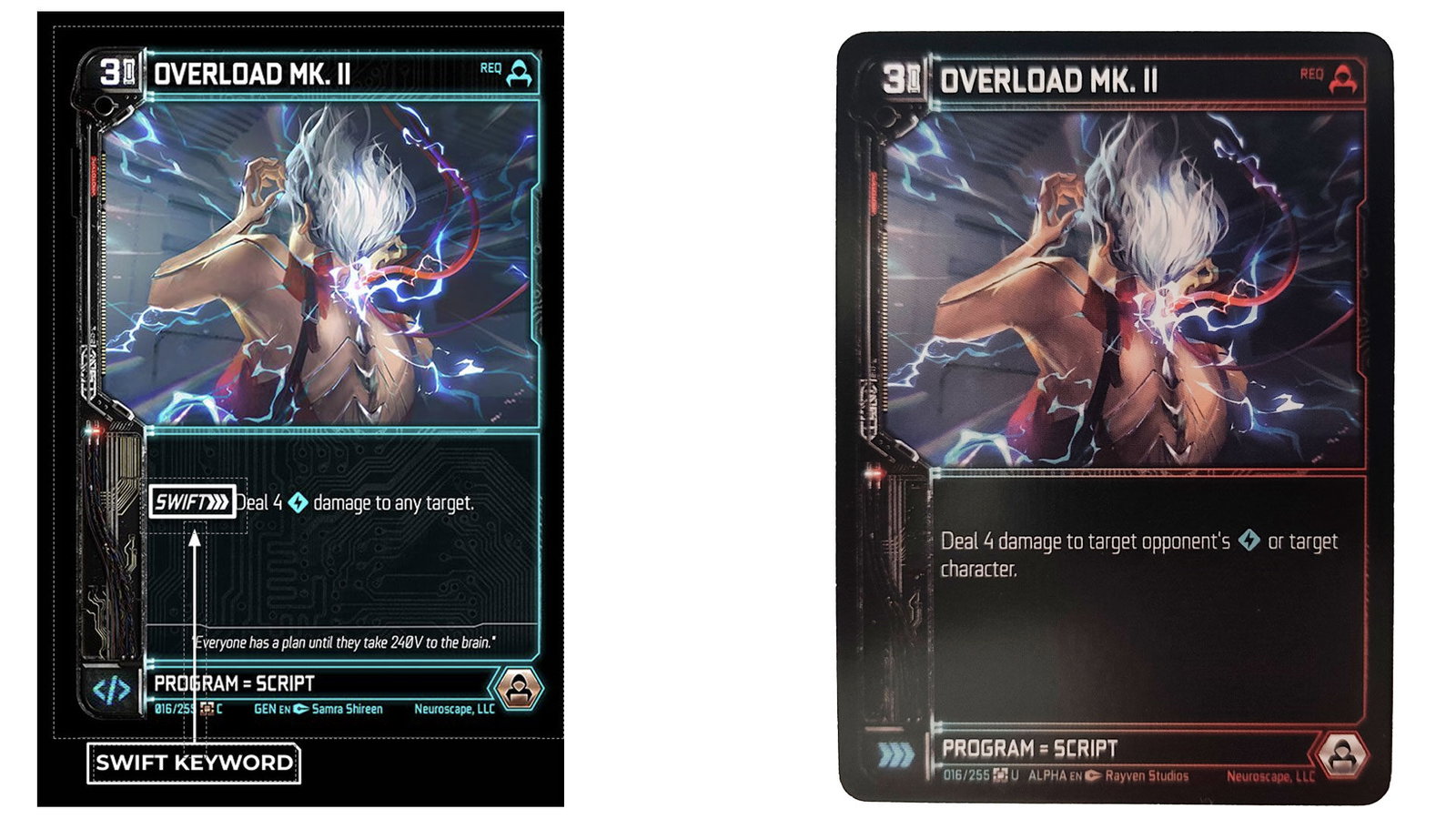
And this might be a nitpick, but it was kind of frustrating that every supposedly current version of the rules claims certain cards have the word “Swift” clearly printed on them, and that is not the case. It made things even more confusing while trying to learn how Swift Checks even work, as cards that were included in the deck I was provided—which were even used as a reference in the rulebook—did not have this wording.
Instead, Swift cards are represented by a little icon, but since almost every ability has the Swift icon attached to it, it can be a bit difficult to know when a Swift Check can be called, or when a Swift Action can be taken.
Then there are other things like “Netchecks” that are just straight-up never given any context, two separate bins for discarded cards—a recycle bin for used cards and a “Purge” bin for cards that are permanently removed from play which felt perfunctory since no card in the two starter decks I was provided did that—and even the way thet game’s “energy” is used is somewhat convoluted.
The main energy source in Neuroscape is RAM, which players keep in a bank and use to activate abilities or run program cards. However, when players put characters onto the board, they need to “commit” the required energy needed to play that character to that character. You would think committed RAM would act like Energy in the Pokémon TCP, where it’s necessary for using abilities, but since the rules are so poorly explained, I think players still need to use RAM from their bank to activate abilities?
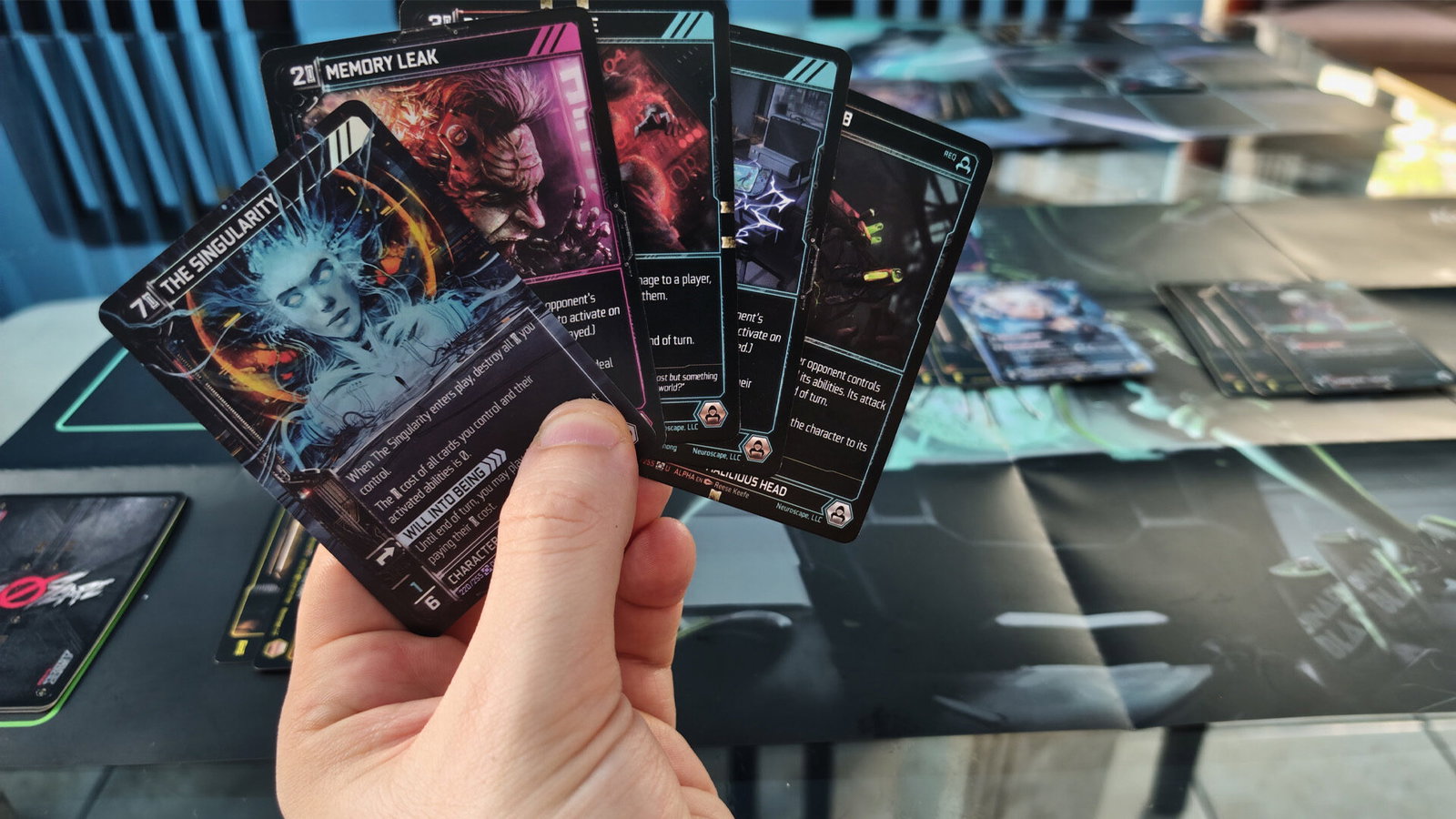
It may seem like nitpicking, or that I’m too focused on one aspect of the game, but it’s exactly what made the game so unenjoyable. Games like Pokémon Trading Card Game, Magic: The Gathering or Yu-Gi-Oh are generally easy to understand, but difficult to master once you start getting into the Meta-game and nuanced card combos. But here, I genuinely needed to spend hours of research across three separate media to barely understand a game, and that seriously subtracted from the fun.
And this is my whole problem with Neuroscape because at its core, there’s a lot of potential for a really fun game. Something that is essentially Magic: The Gathering, but using cyberpunk terminology instead of fantasy. But because it’s so needlessly difficult to understand, and kind of underwhelming in the amount of declaration required for each move, it ends up being a lot less fun and exciting than it could be.
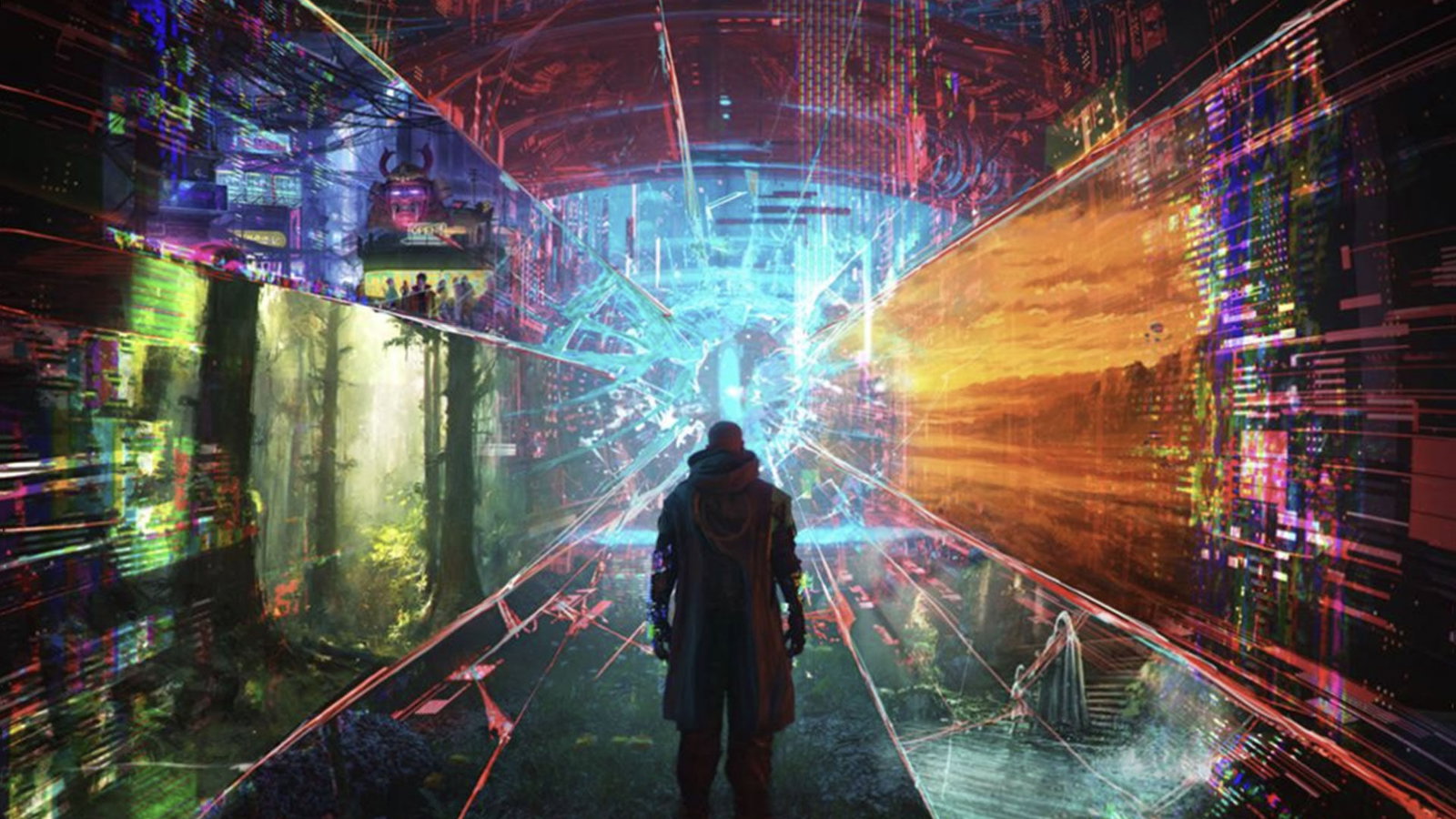
And credit where it’s due, Neuroscape does clearly have a lot of love put into its worldbuilding and card art. There’s a level of imagination and detail that is present in every card that feels both inspired and distinctly different, and every card is bursting with colour and intricate details that really lean into the cyberpunk aesthetic in an interesting way.
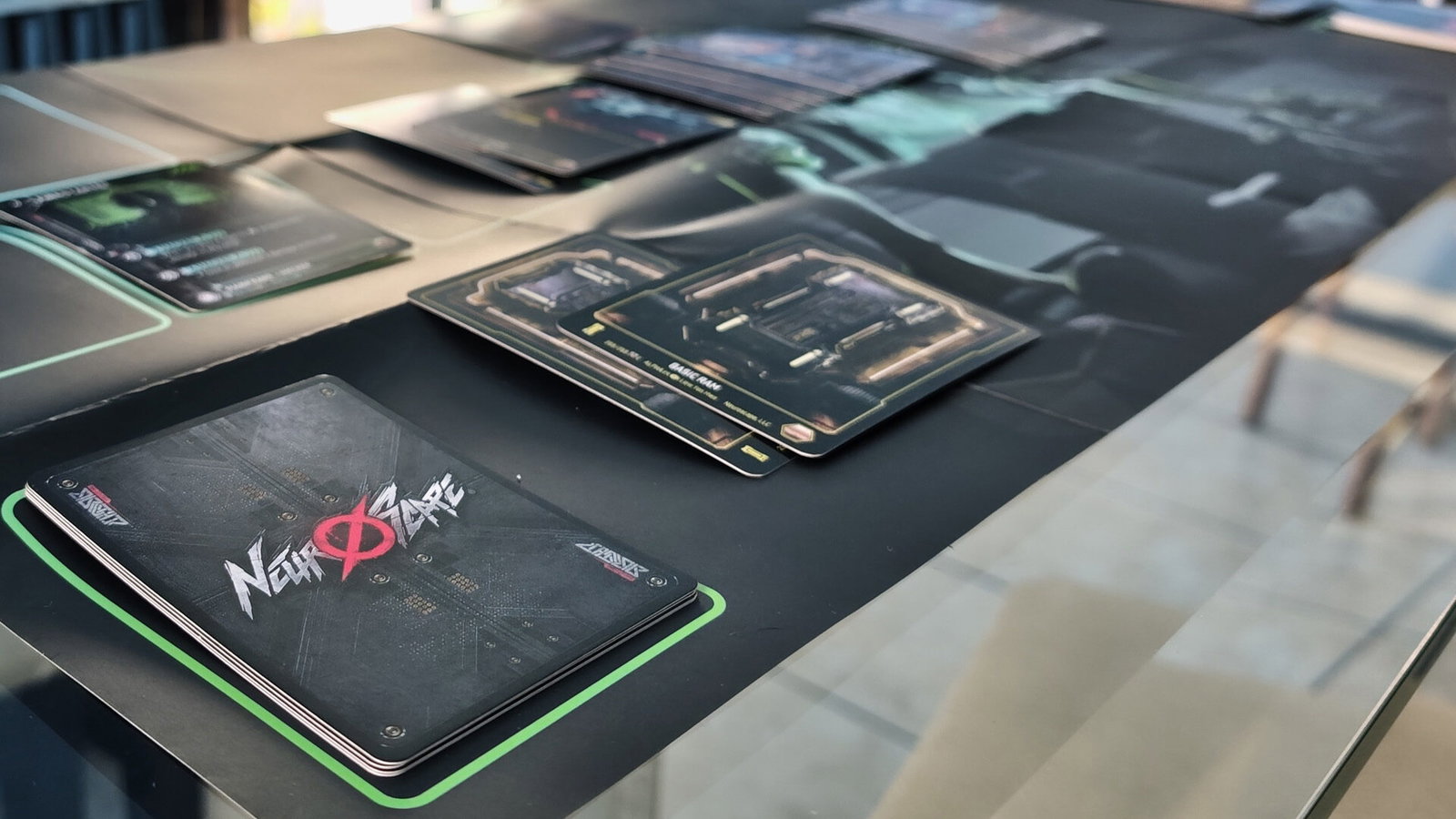
And I can definitely see how, with some unique deck-building, players could create some interesting combos that could make games really dynamic and fun. That’s the thing about Neuroscape—at its core, you can see where a really intricate TCG can be. The foundation is certainly there; it just needs a much clearer sense of how to play to really make it fun.
I honestly want to see Neuroscape succeed, but every time I sat down with it during my time reviewing it, I just felt frustrated. Eventually, with enough trial-and-error (and hours of reading rules and watching YouTube tutorials from other TCG players), you can figure out how to play and probably have fun with it. I just wish it were fun to play, right out of the box.