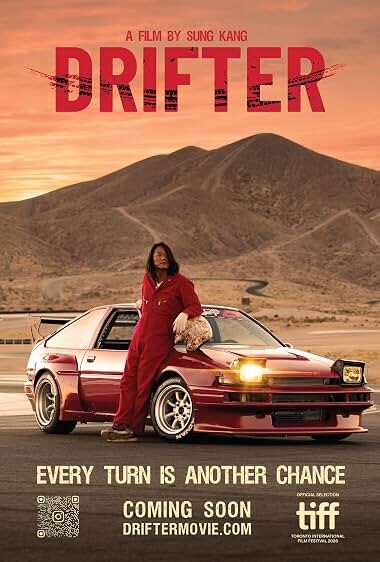
The story of Drifter was cut from the cloth of many genre pieces where competition and criminal life are involved. The only difference was the focus on drifting in this film, in a way an addition to a film like The Fast and the Furious: Tokyo Drift. Sung Kang brought an emotionally driven narrative that masterfully blends cars going sideways and the community that helps one local driver heal. Does Kang bring enough originality to this underdog story? No, not really. But part of that is okay with this personal project Kang brought to TIFF 2026.
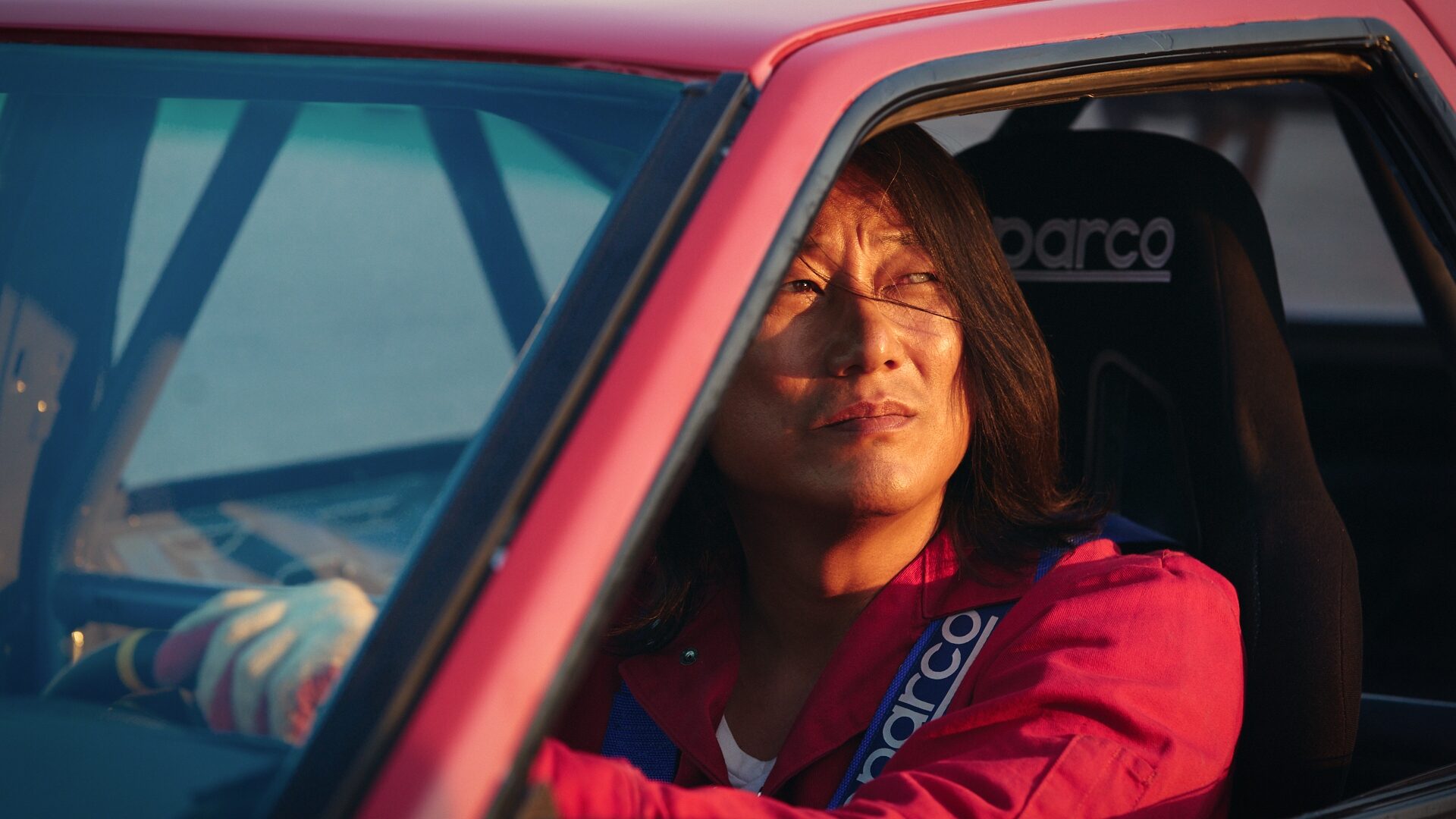
Drifter follows a solitary custodian at Rosamond, California’s Willow Springs Raceway, Tree (Kang) is used to keeping a low profile. Haunted by a tragic past and saddled with generational debt, he avoids getting close to others, preferring to use his off hours behind the wheel of his battered but beloved vintage Toyota AE86 Corolla—which he’s nicknamed Lola—and drifting in the desert twilight.
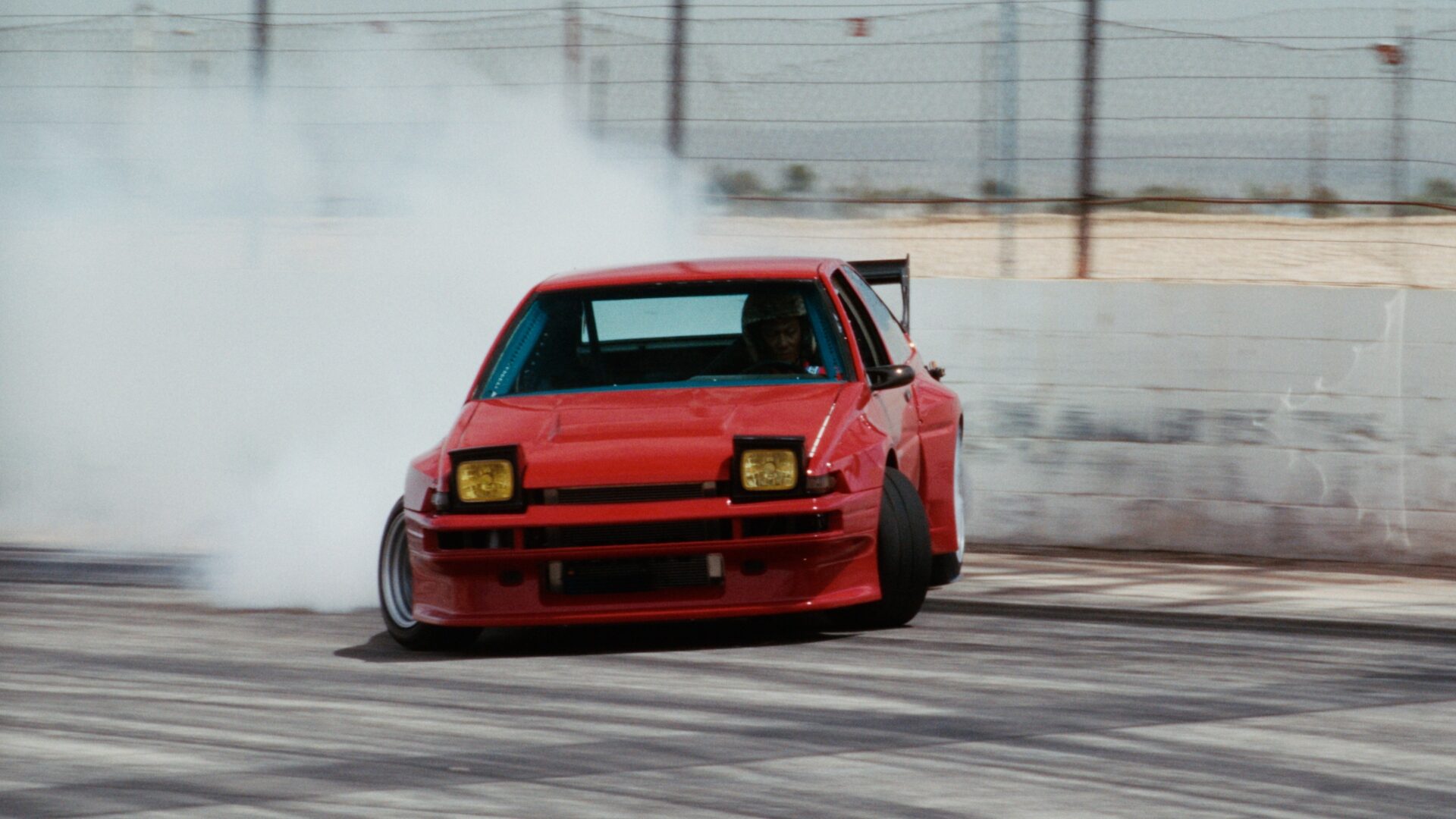
Tree’s immense talent is eventually noticed, and he is granted a chance to compete in a pro drifting event. But is talent alone enough to win? In order to realize his secret dream, Tree must learn to overcome his aversion to others and seek out a mentor — which also means coming to terms with the ghosts he’s spent his life trying to keep at bay.
“My main gripe with Drifter was how there was an overall lack of drifting and driving!”
The beauty of Drifter was how elegant the film made drifting look, from beginning to end. This was the only TIFF movie this year that specifically focused on the art of driving/drifting—The Stunt Driver does not count. The work of cinematographer Bruce Thierry Cheung and second unit cinematographer Will Roegge evidently showcased their high-level shot selections. This went hand-in-hand with editor Lam T. Nguyen, who chose the shots to slow down. The lighting also played a huge part, capturing those beautiful sunny shots of Barstow. You really cannot make a drifting movie without the iconic Toyota AE86 Corolla, and the cinematographers sold that ideology of why it is the tried-and-true drift car.
One of the lowlights in this film was how vanilla the score was for this film, and no, not the good kind of vanilla. The musical composition was very one-toned, switching between sad, somber beats and typical action orchestral work. I understood the vision of having a lighter, soulful score in the first drifting shots. But when certain events play out throughout this film, they could have switched it up. Like when Tree is going through downtown Barstow, there could have been a theme for the shots of the city.
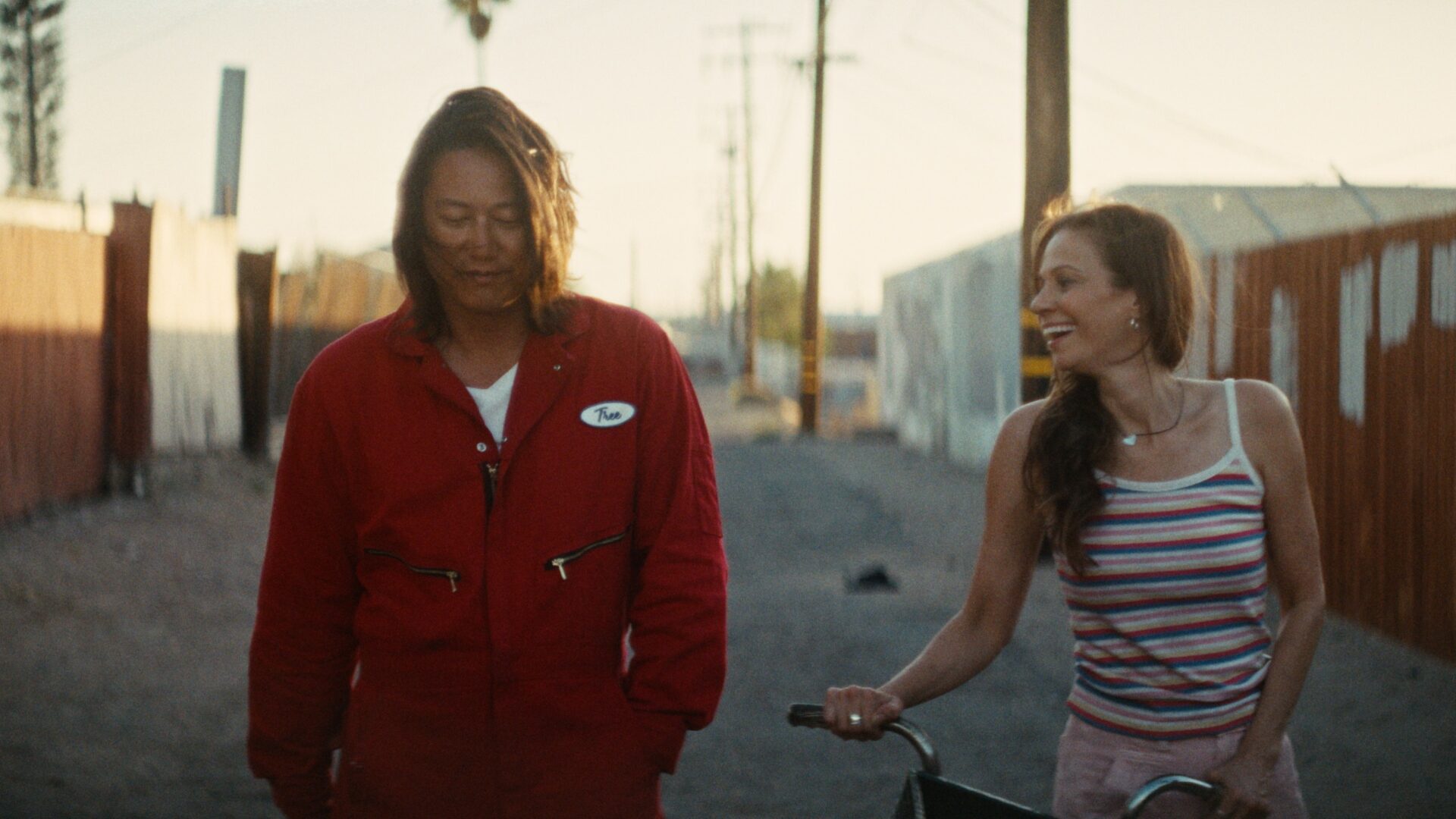
My main gripe with Drifter was how there was an overall lack of drifting and driving! And even when there was drifting, it was some of the most serene—not octane-filled and NOS-induced at all. While I appreciated the visually appetising cinematography, it lacked the right amount of fuel to keep audiences from jumping out of their chairs from excitement.
“While I appreciated the visually appetizing cinematography, it lacked the right amount of fuel to keep audiences from jumping out of their chairs from excitement.”
I understand when a film is made out of passion, and I recognize the hard work of making an independent film. However, an indie film needs to be just as enticing, if not more, to watch as a big studio production. It is a sad reality and a huge undertaking, but it is the truth. Drifter failed to make that happen, unlike similar car-crime stories like Nicolas Winding Refn’s Drive or Edgar Wright’s Baby Driver.
These were all emotionally in-depth stories, but the car driving also shone—maybe not as competitive but still. I did not expect this to be on the action level of The Fast & Furious movies or Peter Yates’ Bullitt, but there had to be either great rising tension or a good amount of cool driving/drifting.
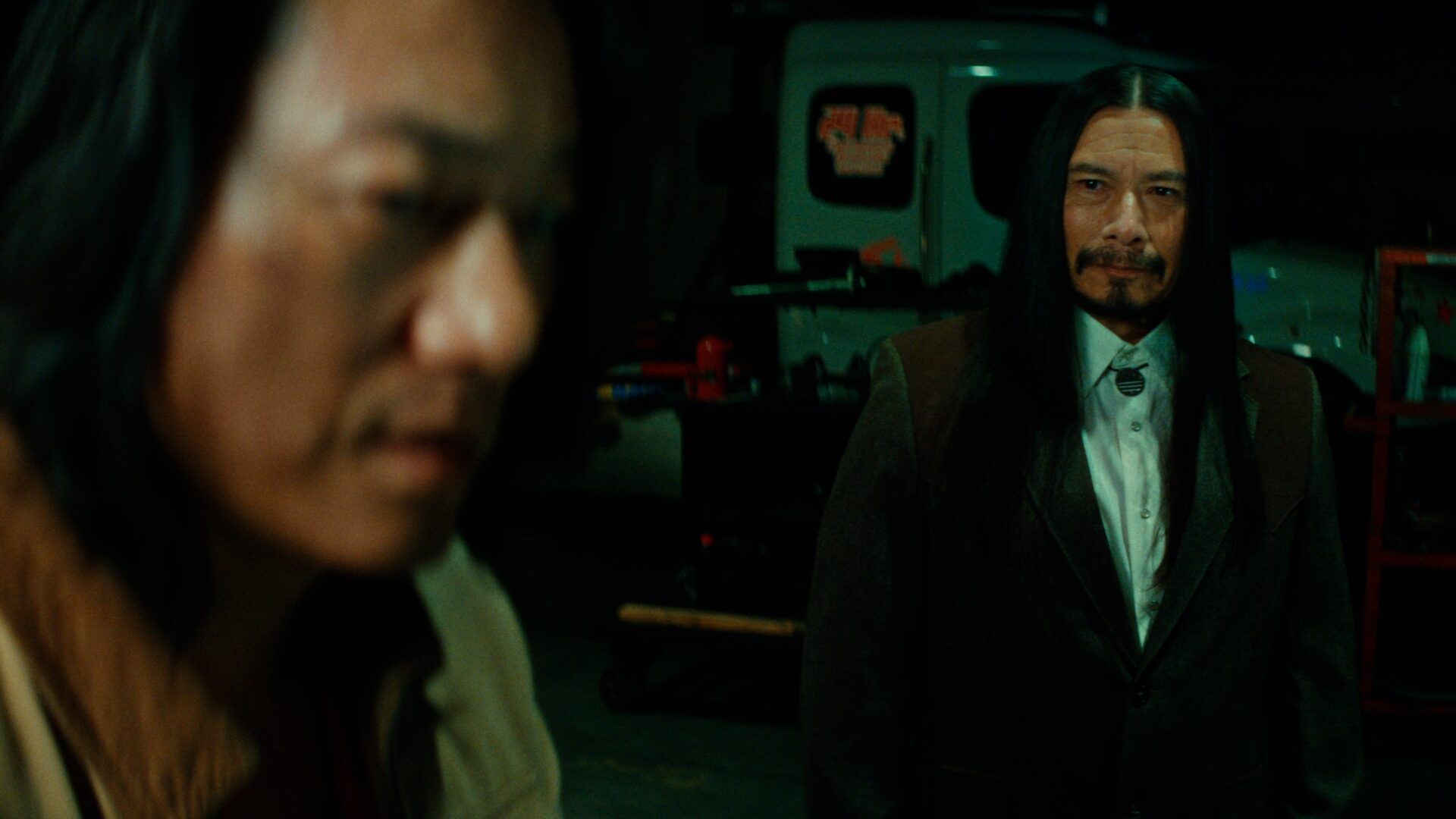
I did not expect small-town Barstow, California, to be a character on its own. Going in, I thought we would be travelling to multiple drifting venues. Unfortunately, we only get one or two major tracks in Barstow. Again, this would be fine if there were more competitive drifting shown on-screen. The movie could have done better if it was at the very least 70% drifting or driving, and then 30% exposition, storytelling, and acting.
Drifter is filled with car-world icons such as Adam LZ, Dai Yoshihara, Rutledge Wood, James Pumphrey, and Brian Scotto, co-founder of the motorsport lifestyle brand Hoonigan. But sadly, this film fell short of being a riveting story to tell. If you love visual storytelling, this is an awesome film for it. But the rough dialogue, fairly uninspiring character designs, generic music score, and plain story beats lacked the necessary gas to carry this one over the finish line and win my heart over.