
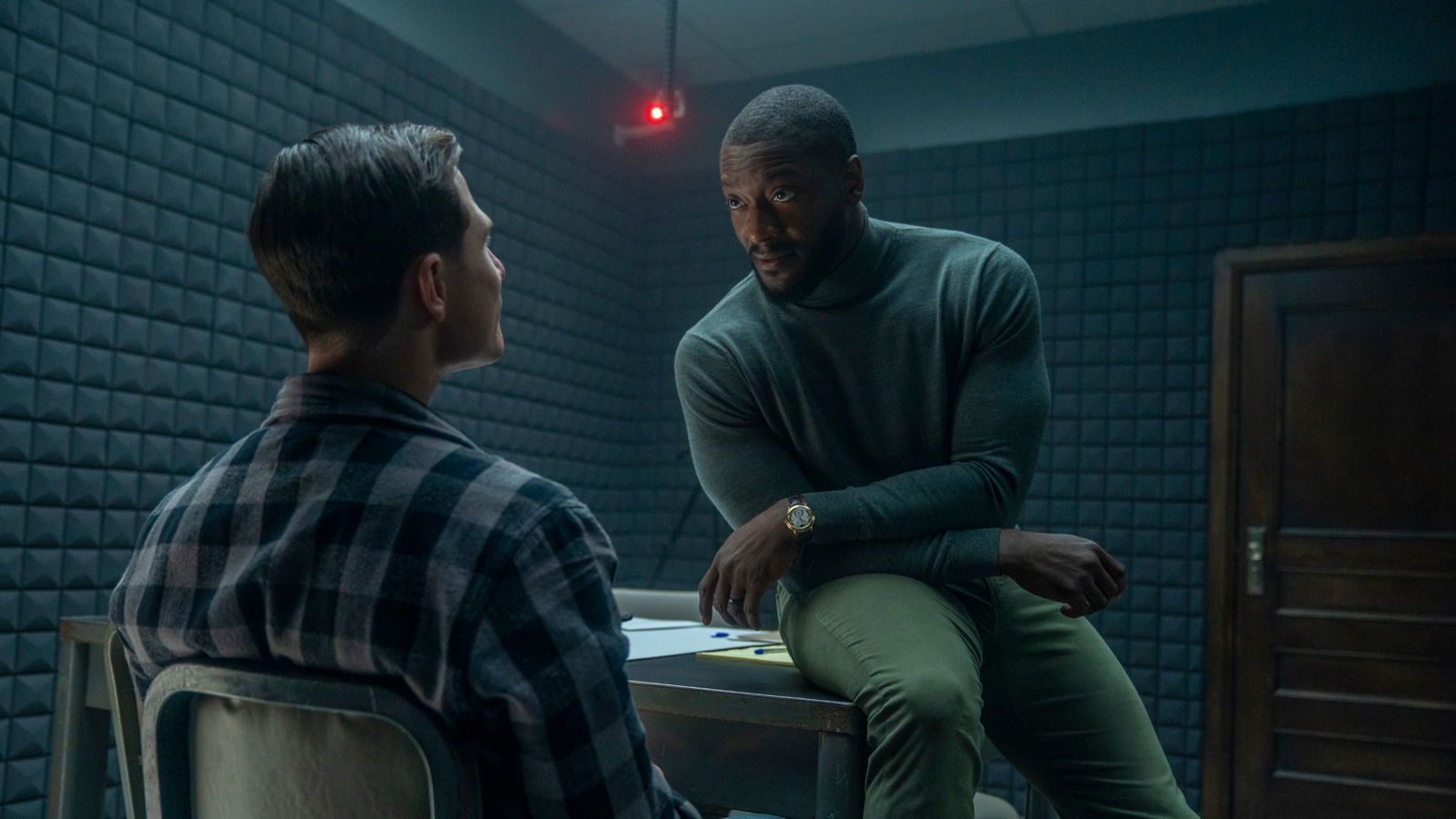

Cross is a Prime Video series based on James Paterson’s Alex Cross novels. Alex Cross applies forensic psychology to understand killers and their victims, helping to identify and apprehend murderers. The opening interrogation scene sets the tone for the show immediately. It goes hard into how Aldis Hodge’s (Black Adam) Alex is the best-of-best when psychoanalyzing people. The important thing to note off the bat, and is not really a spoiler, is that his wife Maria is murdered—leaving him as a widowed father with his two children and mother.
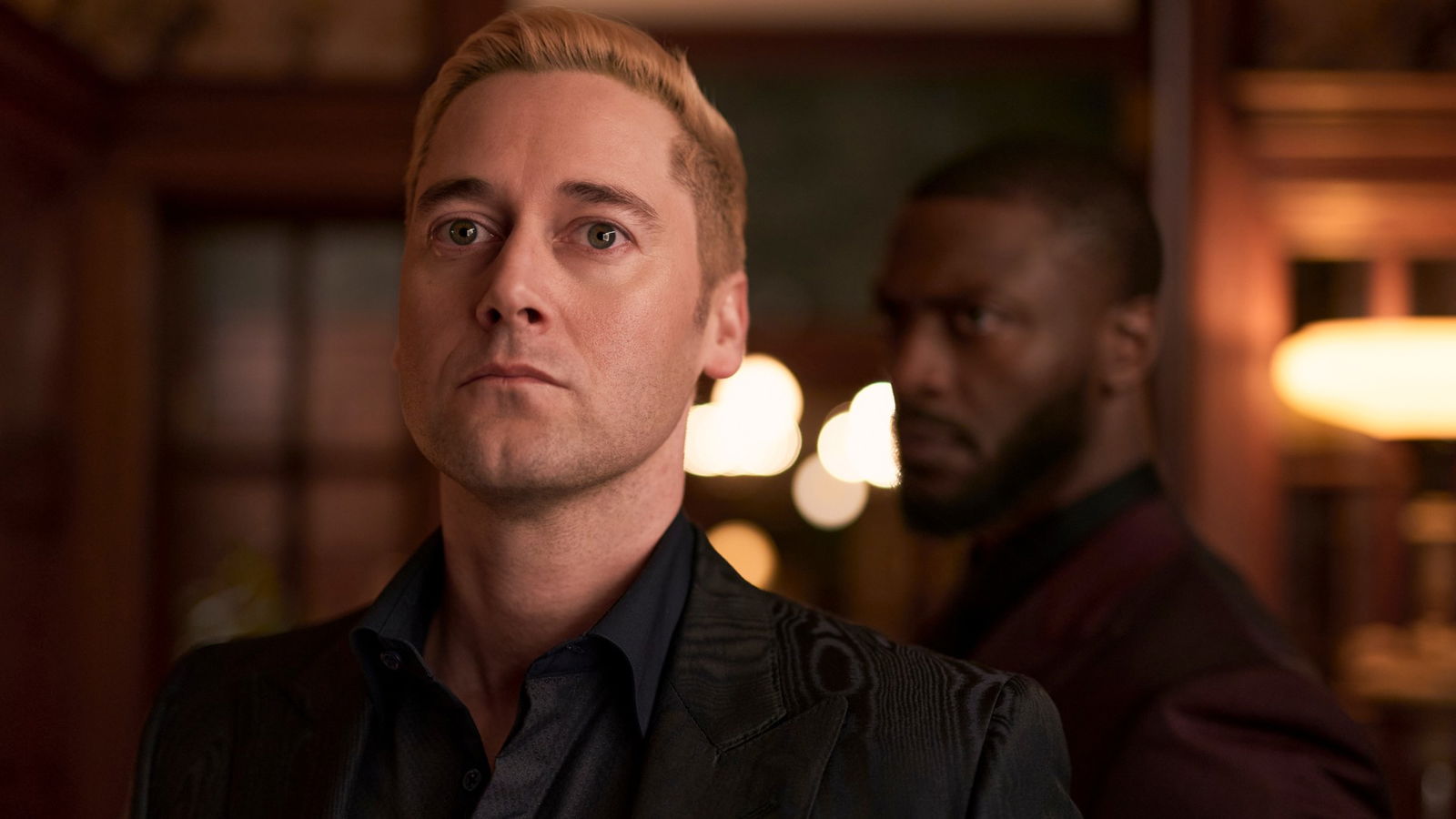
One year after his wife’s death, Alex is called in to solve the case when a Black Lives Matter activist is killed in cold blood. While some want to close the case quickly and rule it a suicide or accident, Alex is not one to accept what’s on the surface. The show presents Alex with two challenges: one where he faces a sadistic serial killer with his partner, John Sampson (Isaiah Mustafa), and another where a threat from Cross’s past reappears with ill intent.
The family dynamics of the show instantly grabbed my attention. Alex is raising his son and daughter with his mother, while a childhood friend and new lover, Elle Monteiro (Samantha Walkes), also helps out. Additionally, Alex’s partner John assists around the house. This dynamic captivated me because it wasn’t the typical portrayal of family in a TV series. However, it captured the essence of the saying, “it takes a community to raise a family.”
“The opening interrogation scene sets the tone for the show immediately.”
The core element that made this show riveting to watch was Hodge as Alex, at the most vulnerable point in his life. Throughout the series, everyone is telling Alex to see a therapist and get help dealing with the emotions surrounding his wife’s murder. But, like many detectives, Alex tries to absorb himself in his work to cope with the pain—costing him peace and clarity in both his personal life and job going forward.

The themes of trauma, grief and loss are crucial in this series, and I love how it explores these themes as ongoing issues that affect Alex throughout his life. Even though he has a psychology degree and sometimes catches himself losing control, even Alex doesn’t see how repressing his emotions about his deceased wife is taking a severe toll on him.
“Cross has a lot to say on trauma and grief and includes significant Black representation in its social commentary.”
It’s almost like watching an addict who is self-aware of their addiction and believes they can function at a high level despite it. Remarkably, it takes Alex time to work through his trauma throughout the series—it isn’t a one-and-done solution. It was also heartfelt to watch the people around Alex deal with Maria’s death, especially when the kids reminisce about their favourite memories of her. This storytelling aspect is powerful, as we learn about Maria through everyone’s perspectives and memories.
With eight episodes to explore these characters and solve two mysteries, Cross accomplishes what it needs to in a swift fashion. It doesn’t miss a beat, and even the 20-second interactions Alex has with people at various locations are meaningful to the story—no fluffy dialogue. This is all thanks to Ben Watkins’ (Burn Notice, Hand of God) direction.

Prime Video has been excelling with crime dramas like Tom Clancy’s Jack Ryan and Citadel, the latter launching two spin-offs, Citadel: Diana and Citadel: Honey Bunny. Cross ranks among them all. While it doesn’t rely heavily on shock factor, Cross has a lot to say on trauma and grief. It also includes significant Black representation in its social commentary and the actors on- and off-screen. The series packs in a wealth of content, offering something crime-thriller and true-crime fans will enjoy.