
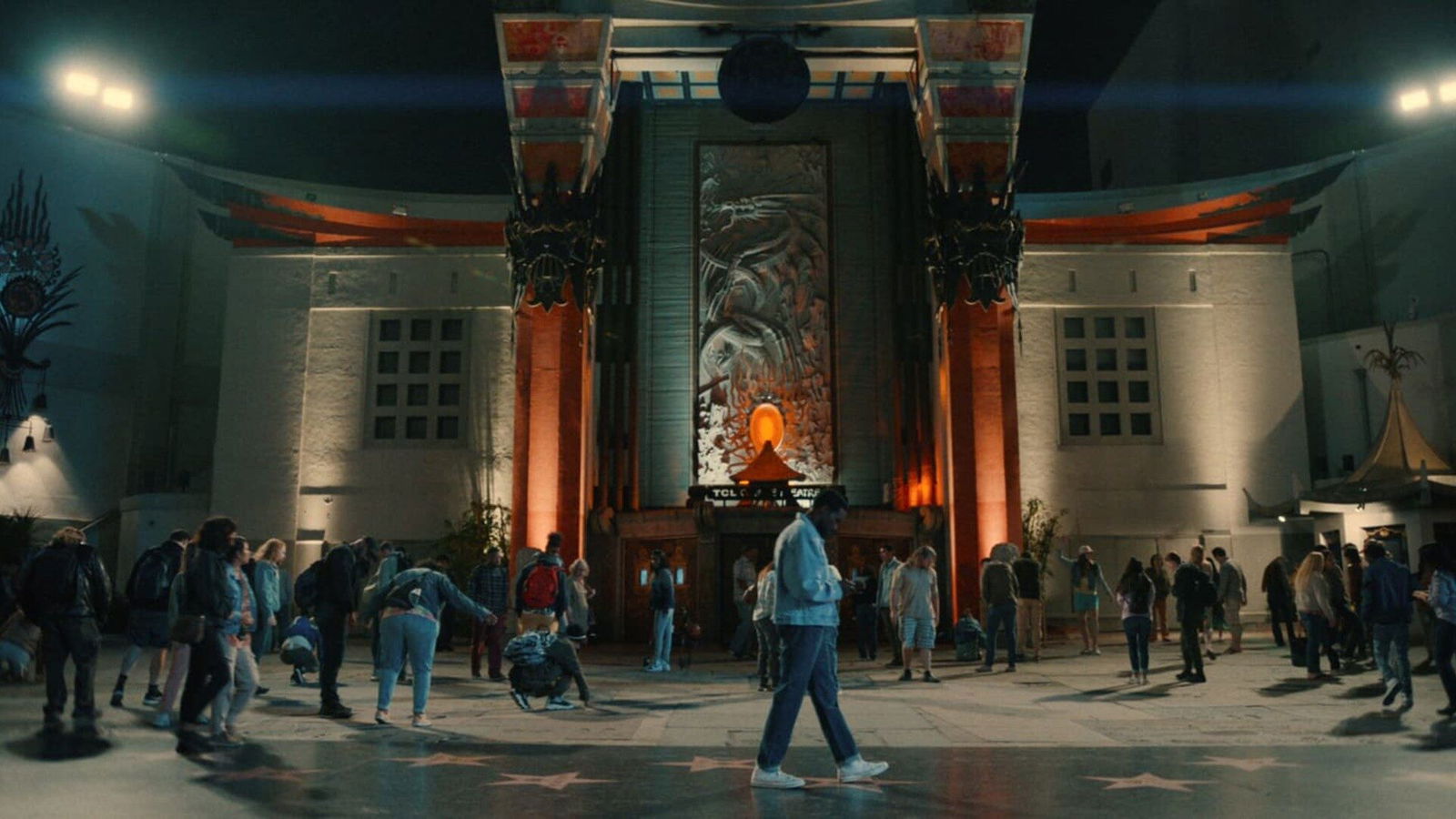
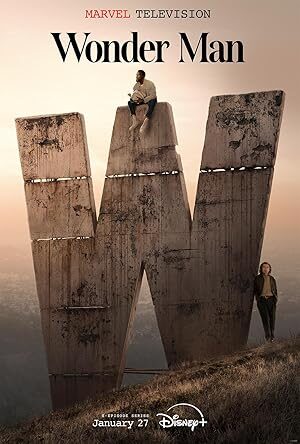

Wonder Man is a show about being so down on your luck that nothing worse can happen to your life – and then it does. It’s a story about the ruthlessness of Hollywood, juxtaposed against the hope of finding kindred souls who believe in your dreams alongside you. It’s also one of the most delightfully refreshing things the Marvel Cinematic Universe has seen in years – a street-level buddy comedy that’s as much about the pitfalls of acting as it is about superhero shenanigans. Despite some uneven pacing, Wonder Man lays both charm and emotion on thick, proving there’s ample room for the Marvel Universe to break from its tired formula and do something different.
Loosely based on the Marvel Comics series of the name, Wonder Man follows aspiring actor Simon Williams (Yahya Abdul-Mateen II), who’s on the verge of being fired from his sole acting job on a medical show. Simon is the starving artist kind of character, someone with bottomless passion who just can’t seem to get things to go his way.
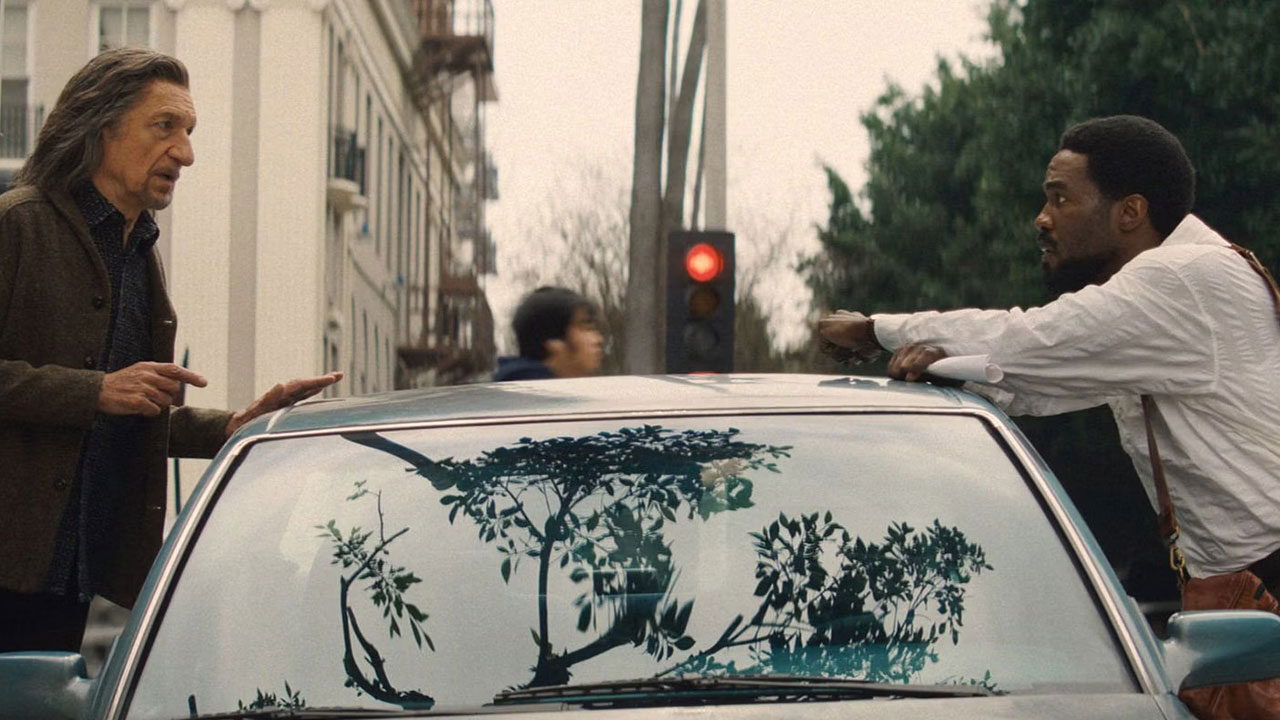
But a serendipitous encounter with Trevor Slattery (Ben Kingsley), who you might remember as the Mandarin from Iron Man 3, gives Simon the shot of a lifetime. A reboot of the classic superhero film Wonder Man is happening, and considering it was the film that inspired him to be an actor, Simon feels like it’s his fate. But the key twist here is that Simon has superpowers himself, and because of a freak accident years in the past, superheroes are completely banned from acting in Hollywood.
“In many ways, Wonder Man feels like the Marvel show I’ve been begging for…”
In many ways, Wonder Man feels like the Marvel show I’ve been begging for, an exploration of how society would bend and mould around the existence of superheroes. This is something so many other superhero franchises have explored, from The Boys to My Hero Academia, but something Marvel has largely left on the table, as it explored the multiverse. Shows like Daredevil: Born Again and She-Hulk have taken a more street-level approach in recent years, but Wonder Man is something drastically different. This isn’t a superhero show about Hollywood and acting; this is a dramedy about Hollywood that just happens to have some superheroes mixed in.
The bulk of the eight-episode series focuses on the budding friendship between Simon and Trevor, something that becomes real even if it was founded on ulterior motives. This core relationship is the beating heart of Wonder Man, and ends up feeling surprisingly heartwarming – an intensely realistic look at the ups and downs of true friendship. But none of that would work without the incredible performances of Abdul Mateen II and Kingsley, both of whom bring gusto and charm to their roles. These two characters play off of each other effortlessly, from seeing the wonderfully awkward Trevor interact with Simon’s family, to how shellshocked Simon is when he meets a few fun celebrity cameos.
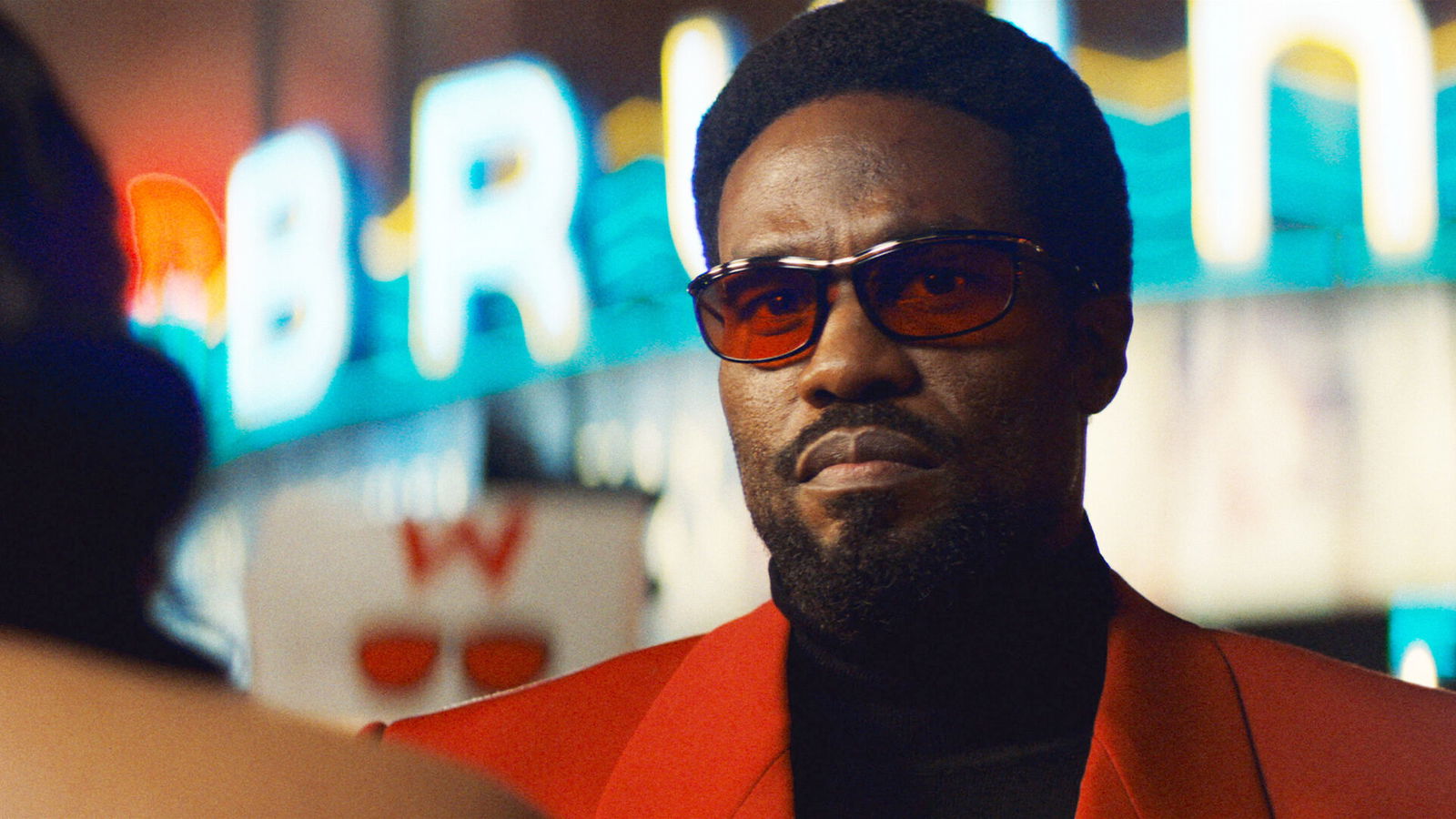
But there are also multiple themes that run as undercurrents in Wonder Man alongside that main focus. There is an element of commentary on Hollywood at large and how the industry often treats aspiring actors. It’s nothing as biting as The Studio, but there nonetheless.
“Wonder Man’s style and tone are different from any of the other Marvel shows out there,”
Equally, the show tries to tackle the idea of “superhero fatigue” using the metatextual layer of the Wonder Man reboot to talk about how tired the genre has become, in many ways. But this is never something the show fully commits to, which feels especially odd because of how stagnant the Marvel Cinematic Universe has grown.
Wonder Man’s style and tone are different from any of the other Marvel shows out there, but it’s hard to digest its commentary on superhero fatigue when propped up alongside everything else in the MCU. With that said, one episode in particular is utterly brilliant in how it tackles not just the idea of fatigue, but also explores how superheroes became outlawed in Hollywood – it’s a hilarious and harrowing journey that drastically enriches the scope and history of Wonder Man’s take on the MCU. The show also has an overall grungy aesthetic, in an effort to capture life on the streets of Los Angeles.
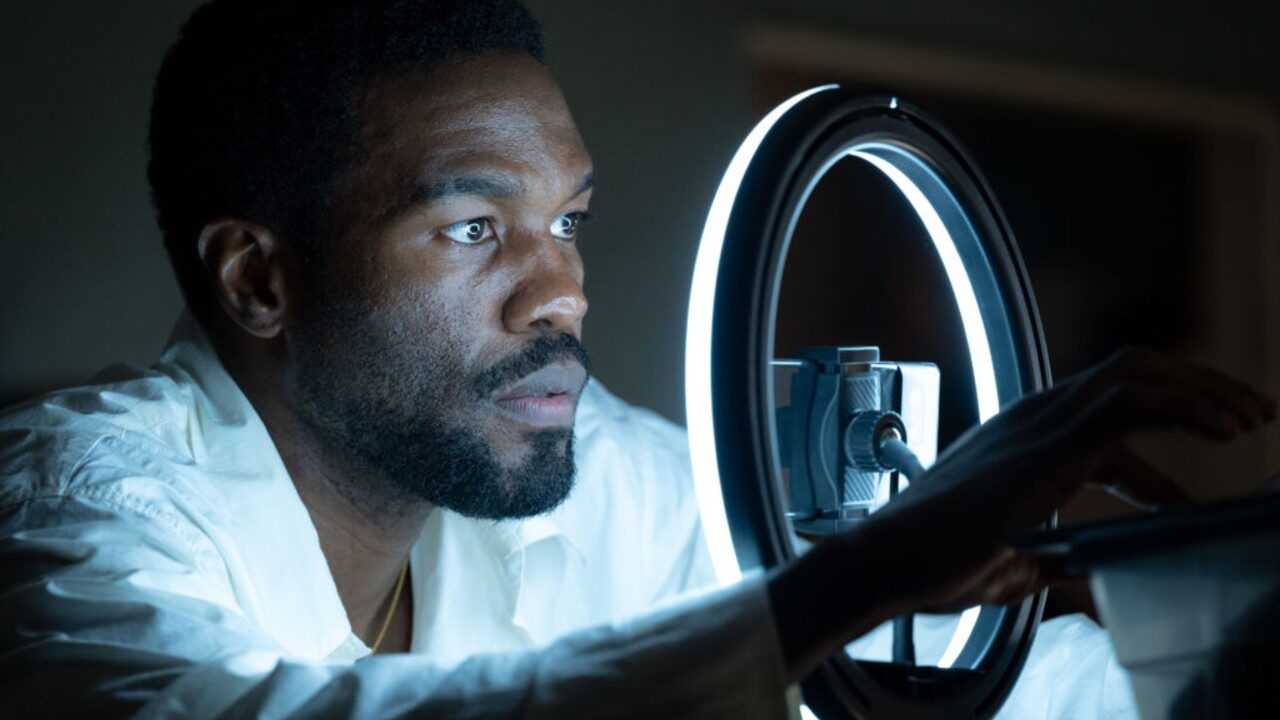
But juggling all these undercurrents and themes can, at times, hurt Wonder Man’s pacing, especially as a couple of episodes come in a bit under that half-hour runtime. While the whole thing comes together well, it’s hard not to feel likeWonder Man also peaks around Episode 5-6, in terms of sheer humour and emotion – one particular scene that sees Simon and Trevor dealing with a bunch of teens secretly making candy in their home, had me nearly rolling on the ground.
At times, Wonder Man can feel a bit navel-gazing – a little too invested in its schlocky exploration of how Hollywood operates. I question how invested viewers might feel if they don’t have any concept of the trials and tribulations of how entertainment is made, but the chemistry between Simon and Trevor is almost always enough to overcome any of that.
Perhaps the best thing I can say about Wonder Man is that not once did I care about how this show, or Simon, would fit into the Marvel Universe moving forward. It’s a wholly self-contained experience in almost every way, and that’s honestly perfect. I’m desperate to see more of Simon and Trevor’s hijinks, but I have a hard time imagining how they can be integrated into the larger universe tonally. But at least for now, this dynamic duo left me with a warm feeling in my chest that I haven’t felt from Marvel in quite some time.