
Tenzing was probably the most family-friendly film of TIFF 2026, and might be one of the most inspiring. Where last year’s major biographical film was Paul Greengrass’ The Lost Bus, this year featured a more positive biographical film about the human beings who pushed through the impossible. Director Jennifer Peedom and cinematographer Stefan Duscio captured some of the best sweeping footage of Mount Everest I have ever seen, adding to the immersion of this dramatic recreation of that climb back in time.
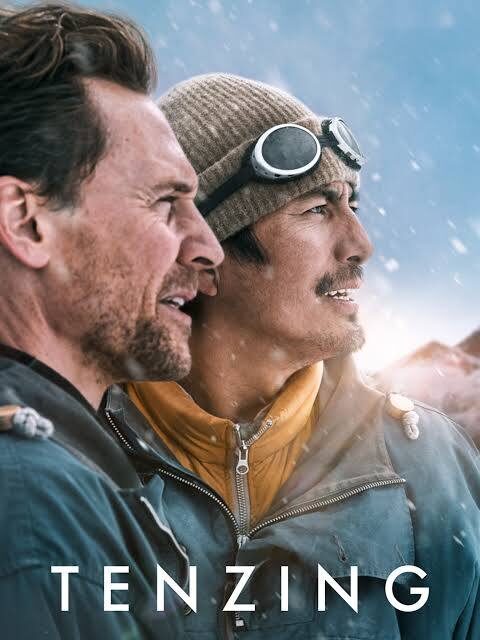
Starring Tom Hiddleston (The Life of Chuck), Oscar nominee Willem Dafoe, and Genden Phuntsok, this wondrous biopic recounts the story of Himalayan Sherpa mountaineer Tenzing Norgay who, alongside Edmund Hillary, became the first to top Mount Everest in 1953. Hard work and sheer charisma found Tenzing working on British expeditions to Everest in the 1930s. Nearly two decades would pass before he joined the team that would finally complete the ascent of the world’s tallest peak, led by John Hunt (Dafoe) and Hillary, whose survival would ultimately depend on Tenzing’s skills, dedication, and profound courage.
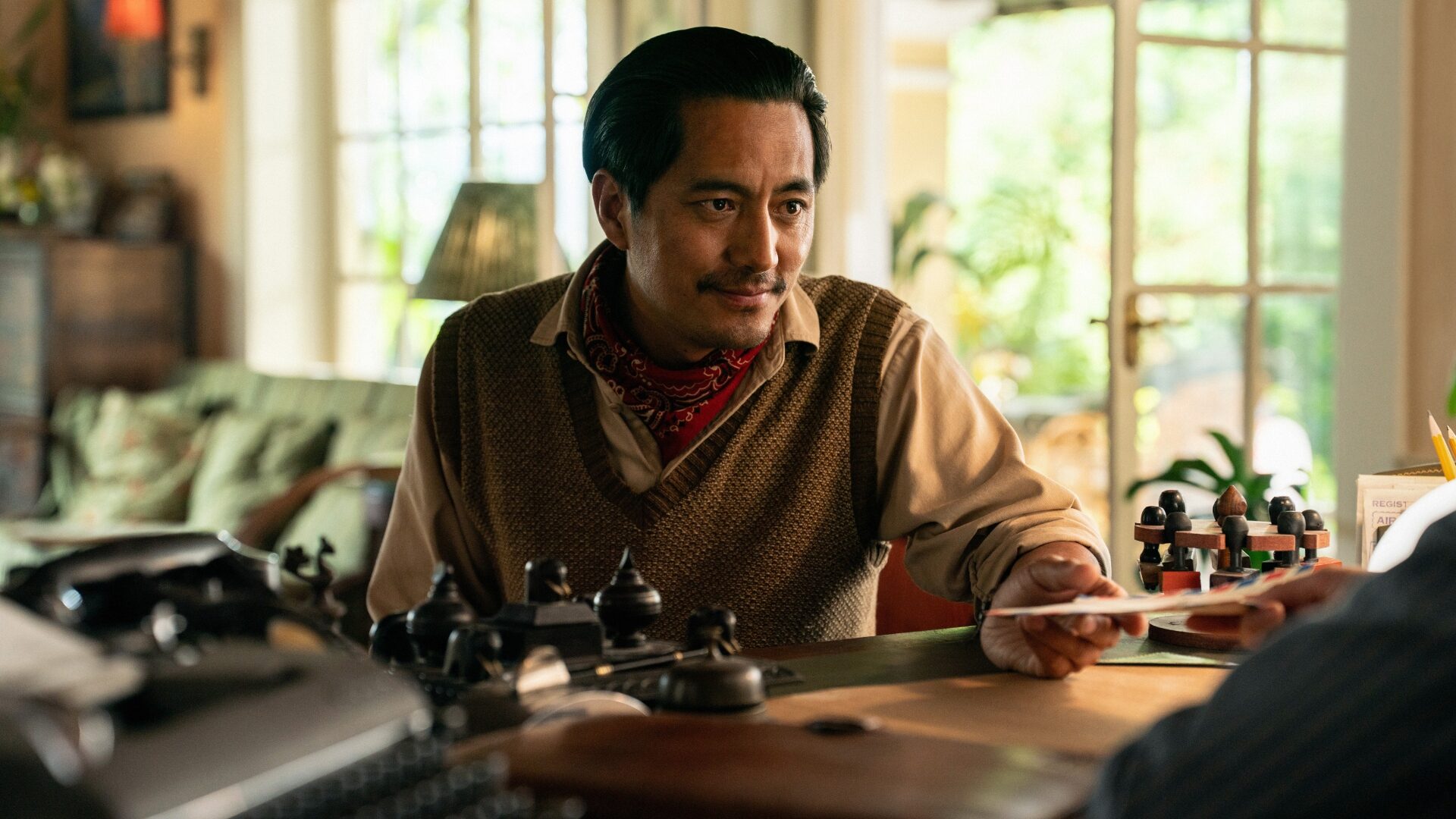
Australian filmmaker Peedom spent decades crafting multiple documentaries focused on mountains, Sherpas, and Mount Everest, so it was a no-brainer to have her included in this film. Having Tenzing Norgay’s eldest son, Norbu Tenzing, as an executive producer and consultant was a huge plus for a film honouring his father. The historical details provided more great touches, like hearing the Sherpa refer to Mount Everest as ‘Chomolungma’—translated to “Goddess Mother of the World” or “Holy Mother.” This repainted the image that Everest was a form of Mother Nature and should not be bothered by humanity.
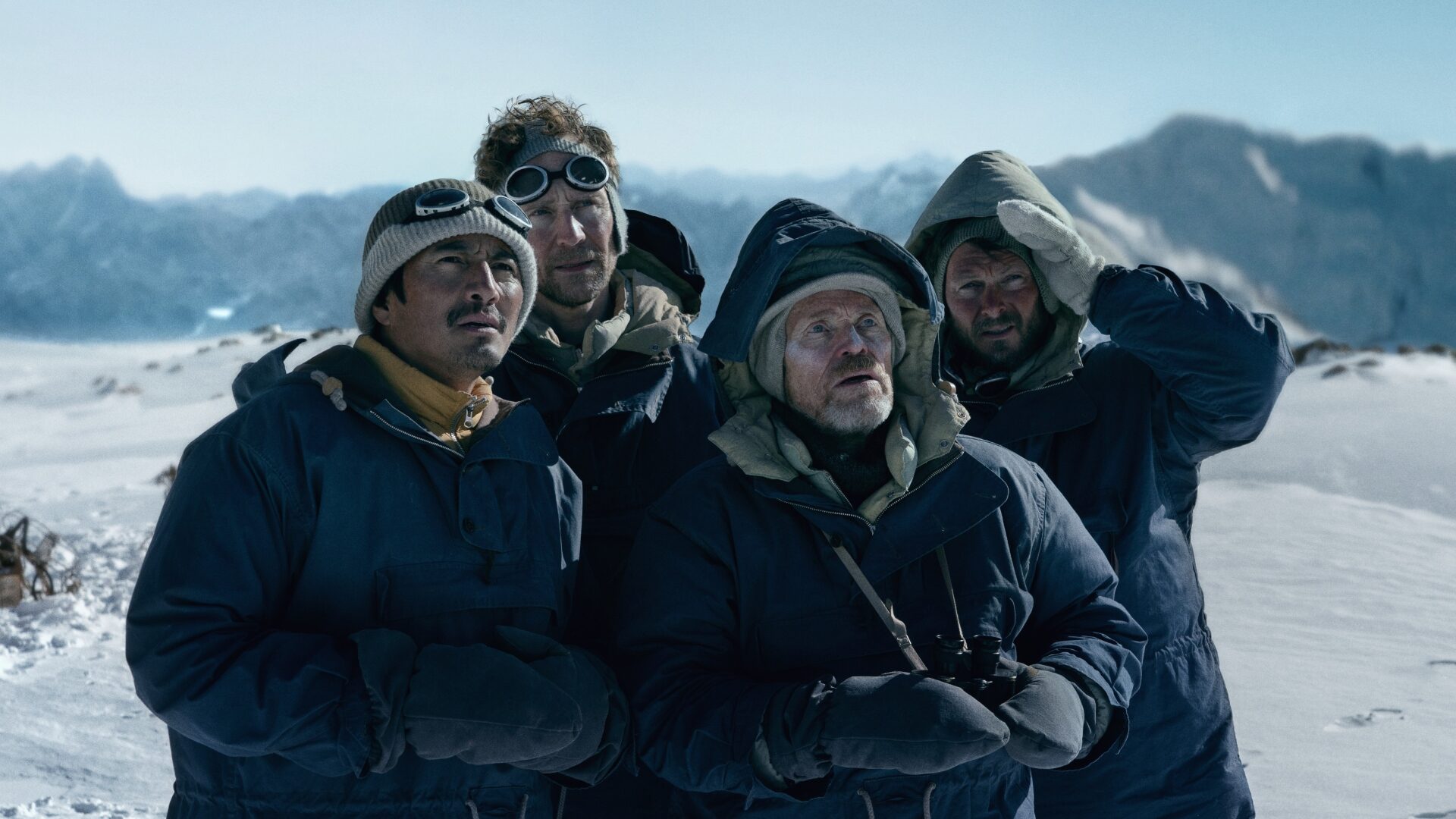
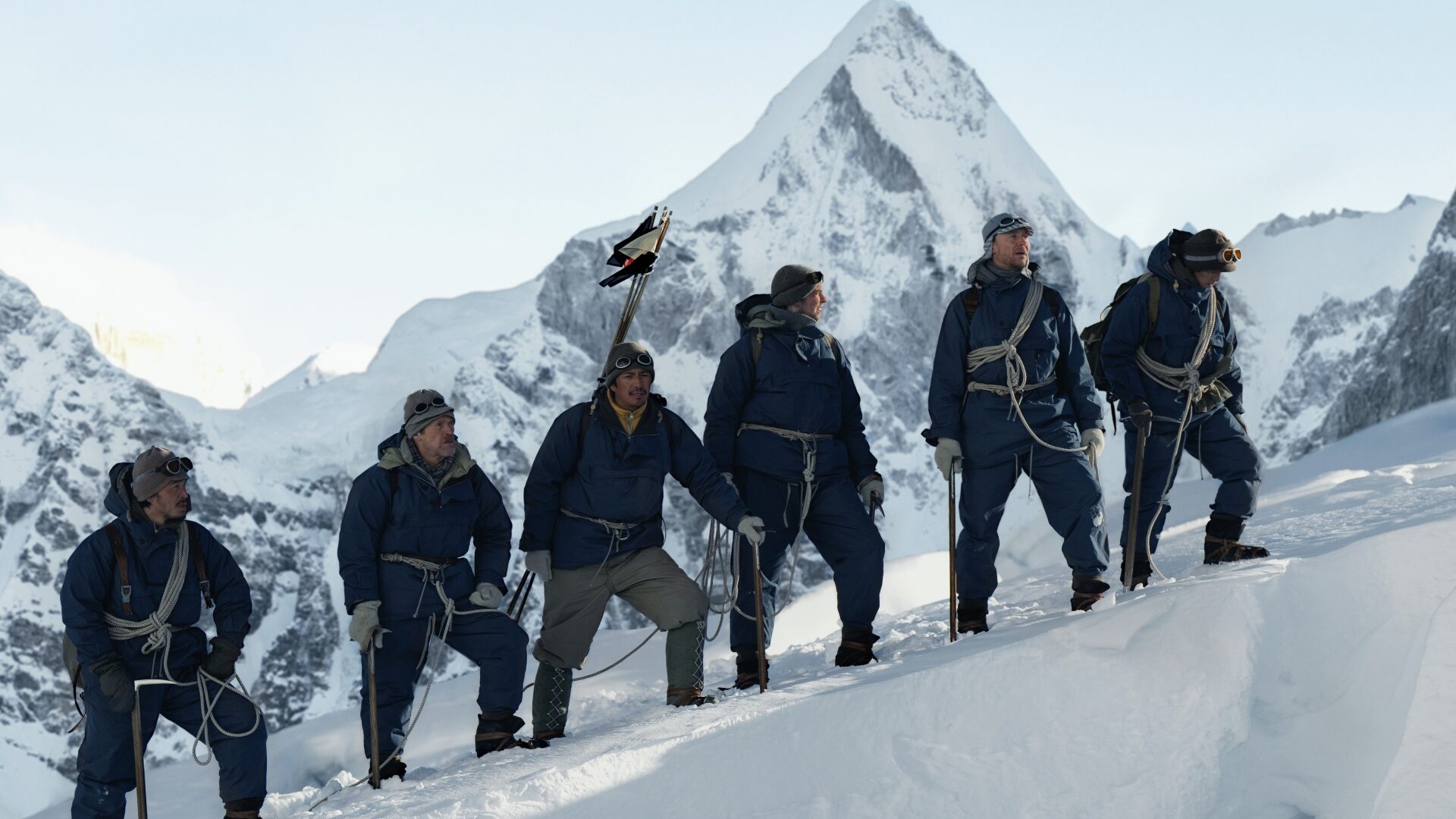
The shots Peedom and Duscio recorded in Tenzing were some of the most stunning mountain shots, truly rivalling various mountain scenes across The Lord of the Rings films. The scenic b-roll made this movie feel grander than life and almost broke my immersion in this story being a dramatization of the real events. The blend between the real Everest and the environmental double of New Zealand’s mountains was almost seamless for the story and its characters. Between the heart-pounding climbing shots, the practical use of ropes and ladders reminded me of that in Death Stranding.
“The shots Peedom and Duscio recorded in Tenzing were some of the most stunning mountain shots, truly rivalling various mountain scenes across The Lord of the Rings films.”
Biographical films over two hours have to be paced right to keep audiences captivated, and Tenzing did that. While the story was told across the past and present events of Tenzing’s life and perspective, there was a great balance shifting between the more emotional beats in his past versus the insurmountable challenges Tenzing and Edmund faced in 1953.
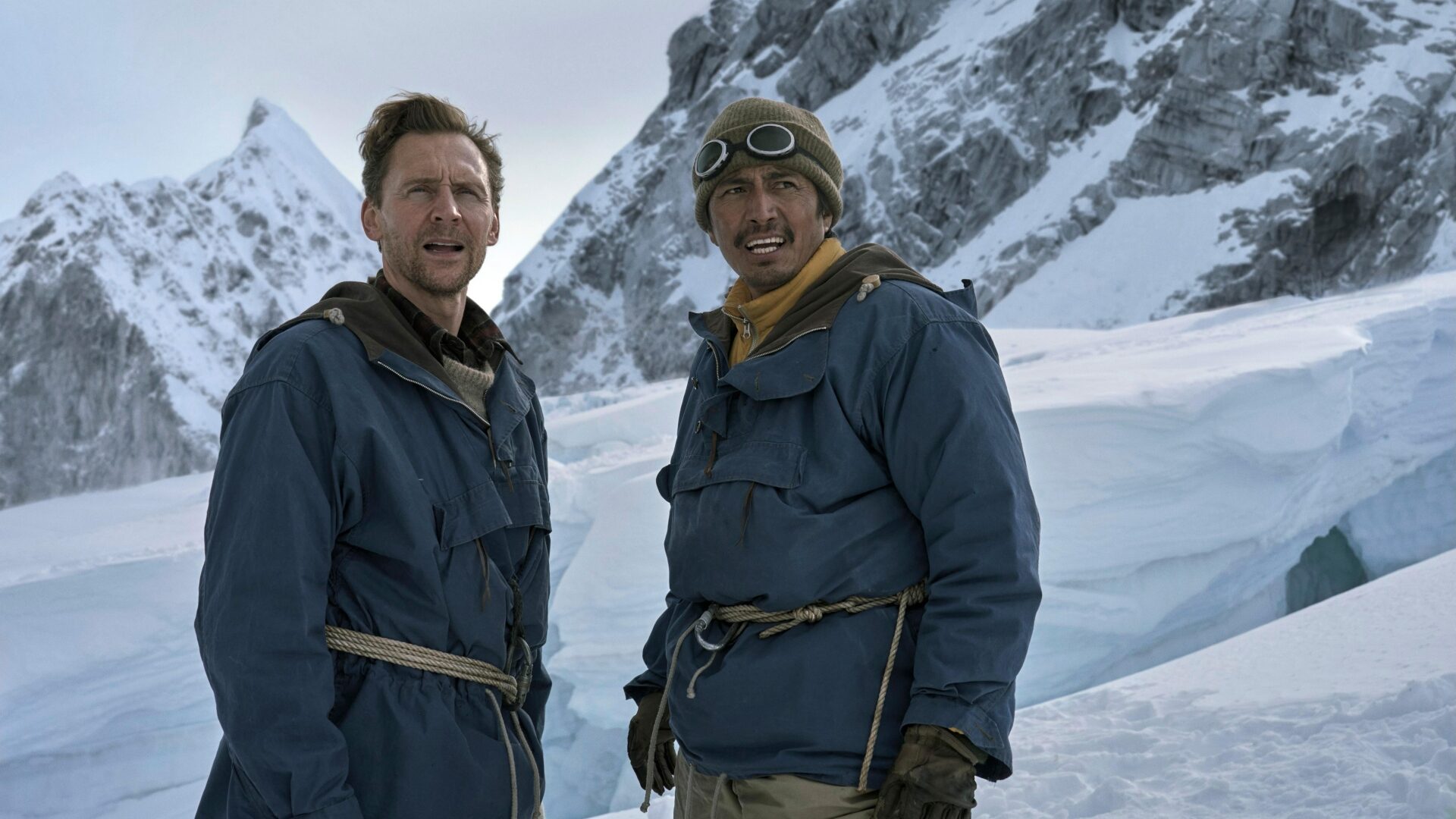
By having the narrative told this way, it drove up the drama but also provided a full scope of who Tenzing was—making him the right person for the job of being one of the first to climb Everest’s peak. I appreciated that the filmmakers shed more light on Sherpa culture and traditions that could be overlooked by the average person. I certainly learned a lot about them from this film.
Phuntsok charmed his way into portraying the titular character and embodying the real-life figure. His conversations and banter with Hiddleston worked well, feeling organic in their camaraderie. I also enjoyed the dialogue between the two of them and Defoe. There was a certain moment in the film where the protagonists faced a brick wall, and you can see Defoe’s John coming at the issue from a place of respect and a candid manner of speaking.
Caitríona Balfe played the supporting role of Jill Henderson, a Kathmandu office executive who advocated for Tenzing to be on multiple Everest expeditions. I found her role was pretty basic, but she accomplished what she needed out of the characterization for the real-life Jill. To be fair, Jill’s position in the main office coordinating expeditions showed how much she could influence who was going up the next Everest climb.
Rebekka Karijord’s score matched the grief and triumph of the film. Since Tenzing was more than the climb, the music needed to capture a wide range of emotions—from the happy, tender moments to scenes where Everest’s wintry snowstorm was beating down on the main characters. Funnily enough, Tenzing was a pro-New Zealand film too—making the British characters ignorant and problematic. Based on this movie, a Kiwi like Hillary was just overlooked as a climber—similar to how Tenzing was as well.
The two-hour runtime flew by because the film’s pacing balanced slower beats with tense ones. For those looking for a macro scope of all the people involved with that iconic 1953 climb to reach Everest’s peak, this was an eye-opening depiction. Even though we know the ending, it is the journey that needs to be seen.