

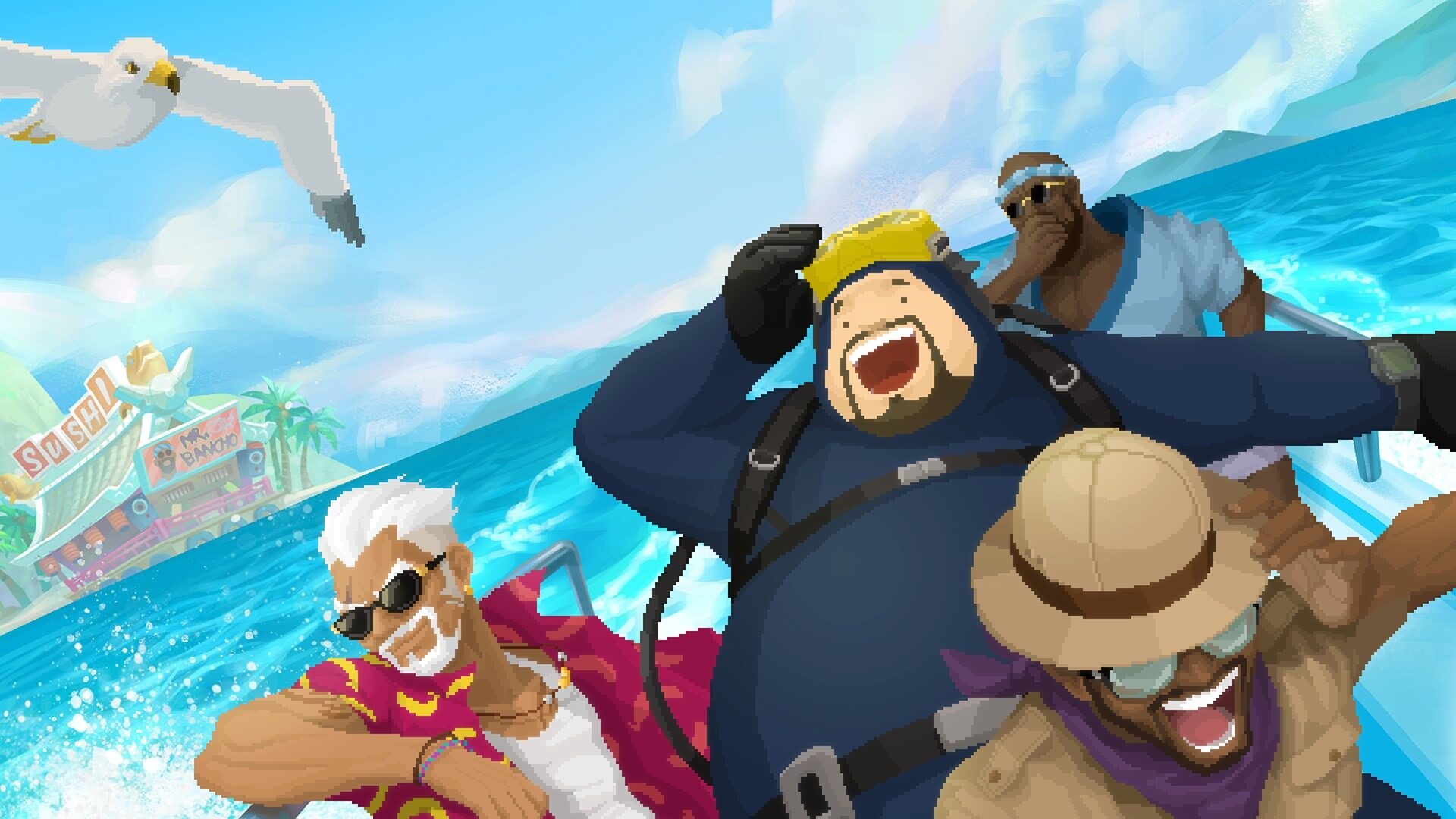
Dave the Diver was already an oddball success thanks to its unusual blend of genres. A pixel-art fishing simulator by day and a sushi restaurant management game by night, Mintrocket’s genre-blending hit kept finding new ways to surprise players. Then players discovered its tucked-away gambling minigame, and a funny thing happened. What was meant to be a quick diversion became one of the most talked-about activities in the entire game. It scratched an itch that had nothing to do with spearfishing or serving raw tuna and everything to do with the simple thrill of a game of chance.
That reaction speaks to the broader appeal of chance-based entertainment and how easily it fits into people’s downtime. Whether it’s the anticipation of a spinning reel or the turn of a card, these small moments of uncertainty have become familiar across everything from casual minigames to online platforms like a bitcoin casino. What makes Dave The Diver interesting, however, is how naturally these mechanics fit into an experience that already blends several different genres. Rather than feeling like a separate activity, the minigame offers another quick diversion that adds to the game’s unpredictable charm.
Why a Side Activity Became the Main Event
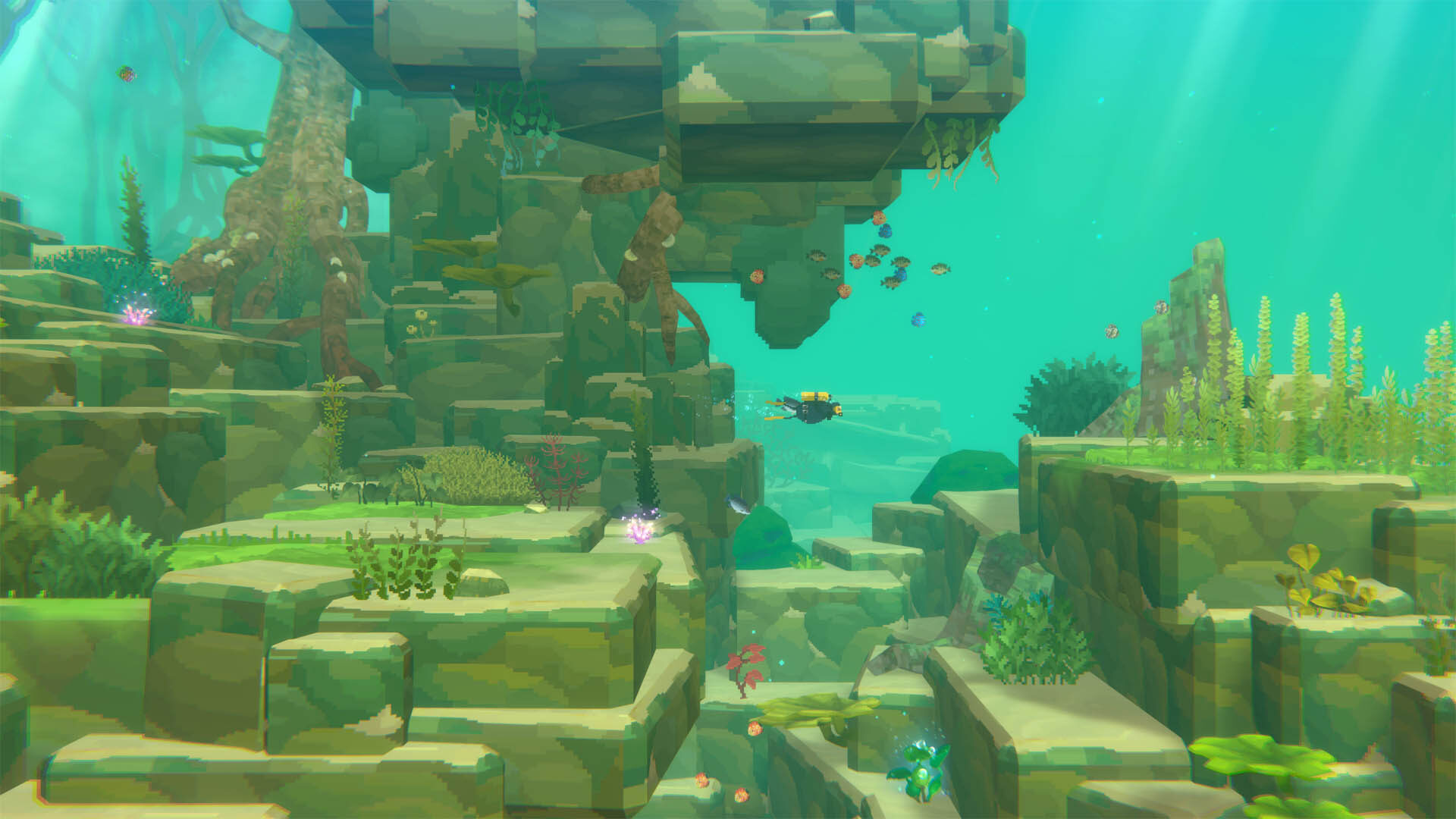
Spend some time browsing Dave the Diver community discussions, and the game’s casino minigames are bound to come up. Part of that appeal is pure novelty. Players expecting a cosy loop of catching fish and running a restaurant suddenly find themselves sitting at a virtual table, watching numbers tick and hoping for a lucky break. It’s a tonal shift that feels delightfully out of place, which is precisely why it works so well.
But the deeper reason comes down to game design. Mintrocket understands that a good minigame needs to respect the player’s time. A session lasts just a couple of minutes, requires almost no setup and delivers a satisfying burst of suspense. That structure is part of the secret sauce behind countless casual gaming experiences, from Stardew Valley‘s slot machines in the Calico Desert casino to the Gwent card battles found throughout The Witcher 3: Wild Hunt. These activities serve as palate cleansers, offering little diversions that break up the main gameplay loop with a dose of low-stakes excitem
The Casual Gaming Blueprint
The genius of casual gaming has always been its accessibility. There’s a reason mobile games have become so popular worldwide, and it isn’t because of deep lore or sprawling skill trees. It’s the immediate, satisfying feedback loop that keeps players coming back. Journalists have spent years exploring exactly why these games can be so captivating, including an insightful piece on why Candy Crush is so compulsive, which examines how simple rules and endlessly repeatable moments of tension and release contribute to their appeal.
Dave the Diver‘s casino minigames follow much the same blueprint. Anyone can jump in, with no complicated instructions to learn or punishing consequences that set players back hours. You sit down, take a chance and see what happens. That straightforward, accessible design creates a natural connection between a quirky indie minigame and the broader world of digital chance-based entertainment. The appeal lies in the simplicity of the experience, offering a quick moment of anticipation followed by an immediate outcome, whether you win or lose.
The Psychology of the Almost-Win

There’s a specific sensation that keeps players coming back, and it isn’t just the prospect of hitting the jackpot. It’s the near-miss, that moment when two symbols line up perfectly, only for the third to stop just short. That fleeting feeling of being “so close” is a well-documented aspect of how people respond to chance, and researchers have explored it through what’s known as the near-miss effect. The phenomenon helps explain why narrowly missing a win can sometimes feel strangely motivating rather than discouraging, even when the outcome is ultimately no different from any other loss.
Game designers have long understood the value of anticipation and suspense, whether they describe it in psychological terms or not. It’s part of what makes Mario Party minigames so engaging, why loot box reveals in games like Overwatch were designed to build anticipation through elaborate animations and why Dave the Diver‘s casino minigames can keep players hovering over the button. That tension is a major part of the appeal. Remove it, and the experience risks losing much of its excitement. Build around it thoughtfully, however, and you can create something players genuinely enjoy returning to during their downtime, simply for the experience itself.
From Minigame Curiosity to a Real Pastime
What makes Dave the Diver‘s casino minigames particularly interesting is how they introduce players to a different kind of entertainment they might never have considered otherwise. Someone who wouldn’t normally describe themselves as a fan of card games or slots might discover, in the middle of a diving adventure, that these simple games of chance can be surprisingly entertaining. That curiosity doesn’t necessarily have to end with one indie game, either.
It’s also worth recognizing that chance-based games aren’t all created equal. Some rely entirely on luck, while others reward strategy and careful decision-making, with the mathematics behind them varying considerably. There’s even a fascinating mathematical thought experiment explored in an article about the one game of chance you should always accept, which examines how probability and expected value can lead to some counterintuitive conclusions. It’s a reminder that the mathematics behind these games can be far more complicated and fascinating than they first appear.
What It Means for Your Free Time
The real takeaway for anyone considering how they spend their downtime is that the line between traditional video games and games of chance has become increasingly blurred. A session of Dave the Diver can seamlessly transition from fishing to restaurant management and a quick casino minigame without ever feeling like you’ve stepped into an entirely different experience. That flexibility is part of what makes modern gaming so appealing, allowing developers to blend different genres and mechanics into something unique.
For players, this means more ways to enjoy a few minutes of genuine excitement, whether through a hidden minigame in an indie favourite, a mobile puzzler or another digital experience built around chance and anticipation. The common thread is the same one Mintrocket understands so well: respect the player’s time, deliver an engaging moment of suspense and let a little unpredictability do the rest. It’s a formula worth paying attention to, particularly as developers continue finding unexpected ways to incorporate these experiences into the games people love.