

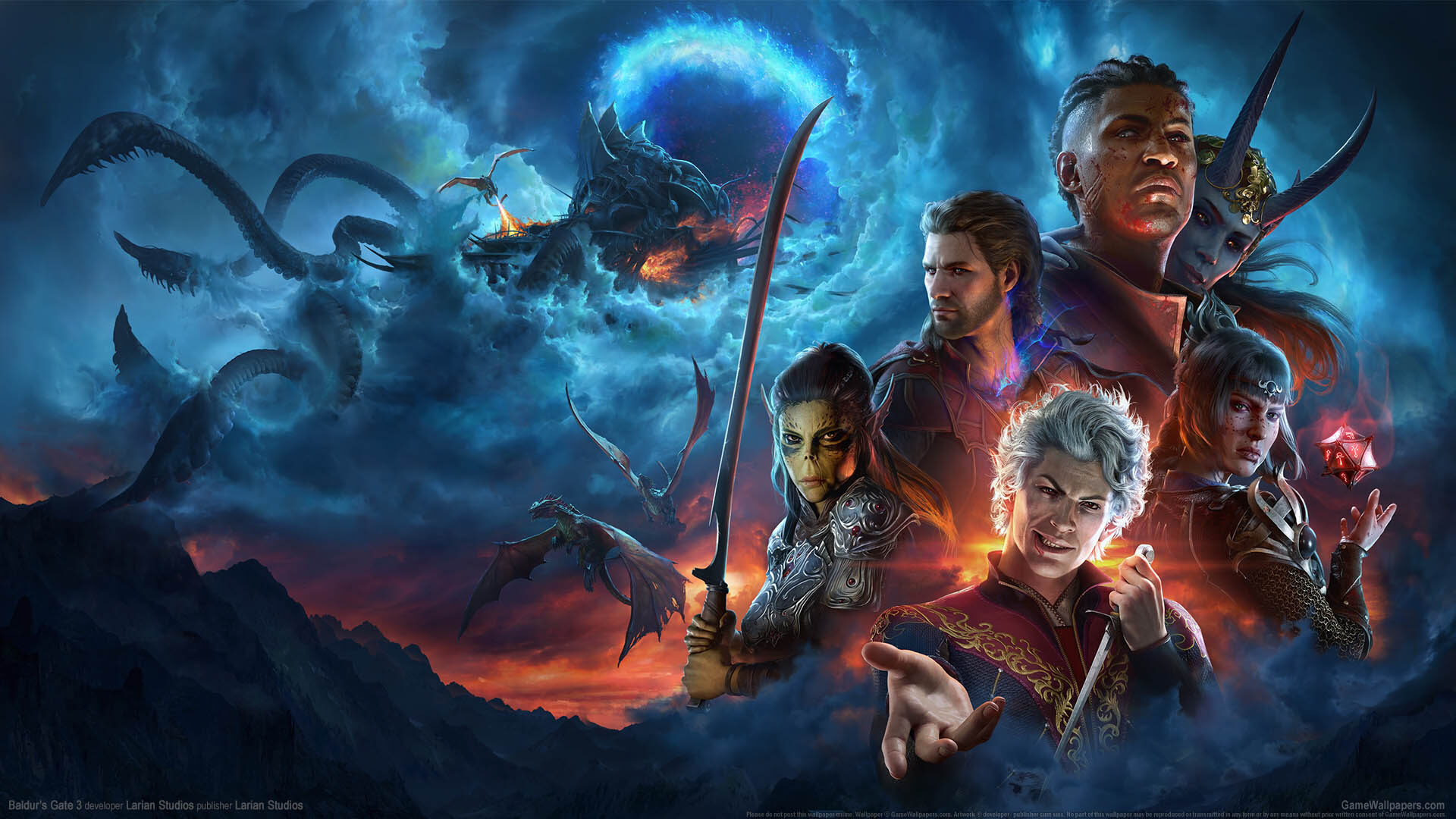
What happens when a studio decides that almost every line a player utters should actually matter? Not in a vague, feel-good sense, but in a way that alters who lives, who leaves the party, and which endings quietly slam shut behind a single sarcastic remark. That was the gamble Larian Studios took with Baldur’s Gate 3, and the answer reshaped what players expect from role-playing conversations.
For years, branching dialogue in the genre followed a comfortable formula. Players picked from a short list of responses, most of which funnelled toward the same outcome. Baldur’s Gate 3 took a different route, and the sheer scale of its reactivity became the talk of the community long after the credits rolled.
The Weight Behind Every Choice
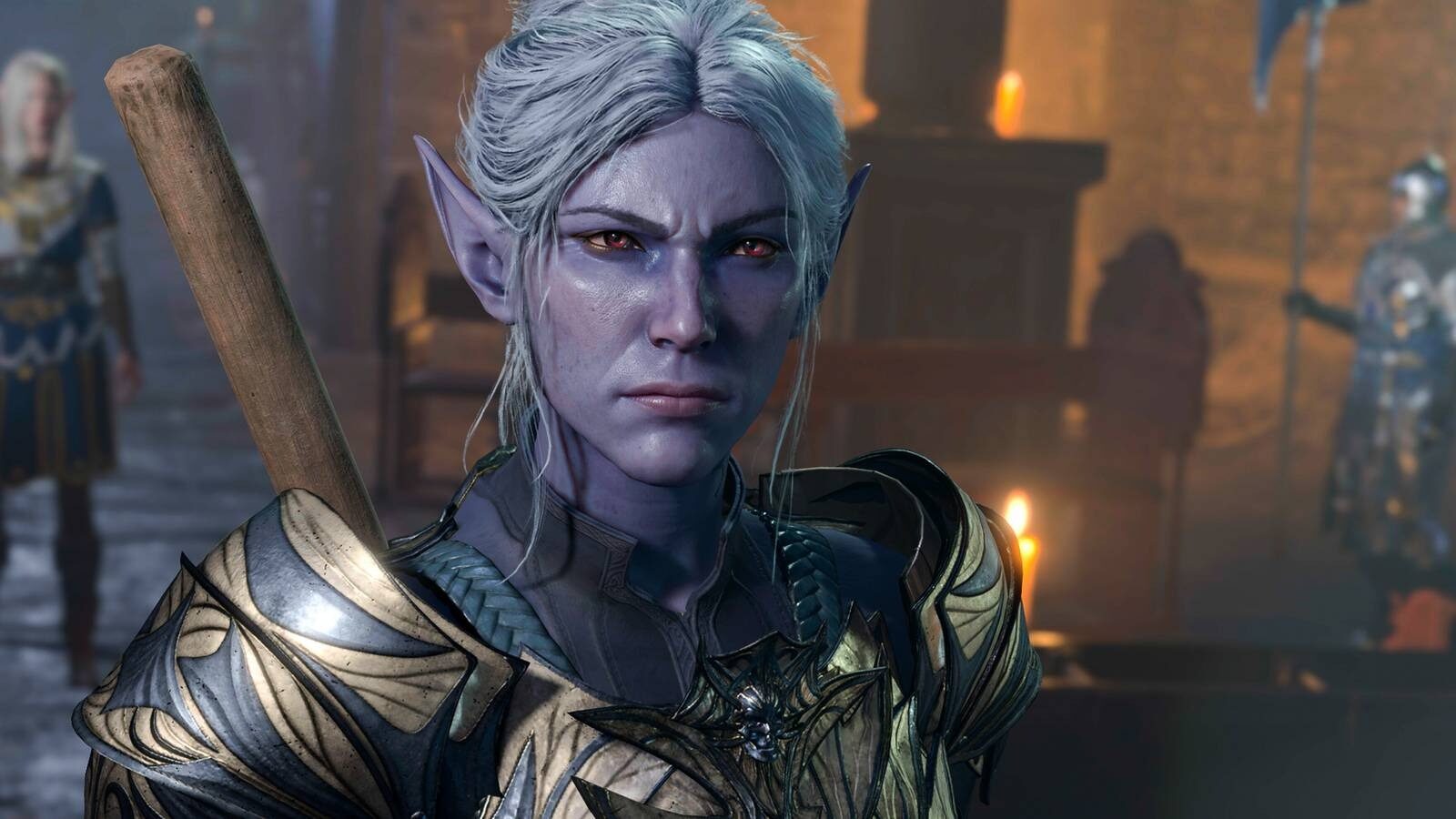
The first thing that struck players was how the game refused to forget. Insult a companion early on and the resentment lingered. Show mercy to a minor character in the opening hours and that decision could echo dozens of hours later. This is the kind of continuity that most games only pretend to offer.
Larian built its writing around the idea that a conversation is a fork in the road, not a menu of flavour text. A tiefling child, a captured goblin, a wounded stranger by the roadside — each interaction feeds into a web of consequences. The studio’s earlier work on Divinity: Original Sin 2 laid the groundwork, but Baldur’s Gate 3 pushed the concept to a scale few expected from a single release.
Part of what makes it land is the voice acting. Roughly 174 hours of dialogue were recorded, and that abundance means the game rarely resorts to repeating stock lines. When a character reacts to your choices, they do so with fresh phrasing, which keeps the illusion of a living world intact.
Personality Baked Into the Menu
One of the cleverest touches sits in how the game presents its options. Choose a background — Charlatan, Sage, Soldier — and new lines appear that only that history unlocks. A Folk Hero speaks differently to a suspicious guard than an Urchin would. The result is that two players can walk into the same room and have wildly different exchanges, each feeling tailored to the character they built.
Race and class ripple through the writing too. A Drow elf draws different reactions in the Underdark than a Githyanki does aboard a mind flayer vessel. These aren’t cosmetic flourishes; they change the tone, the available bluffs, and occasionally the entire shape of a scene. Academics have taken notice, with one study on narrative reciprocity in fantasy worlds examining how the game treats the player as a genuine conversational partner rather than a passive selector of pre-written lines.
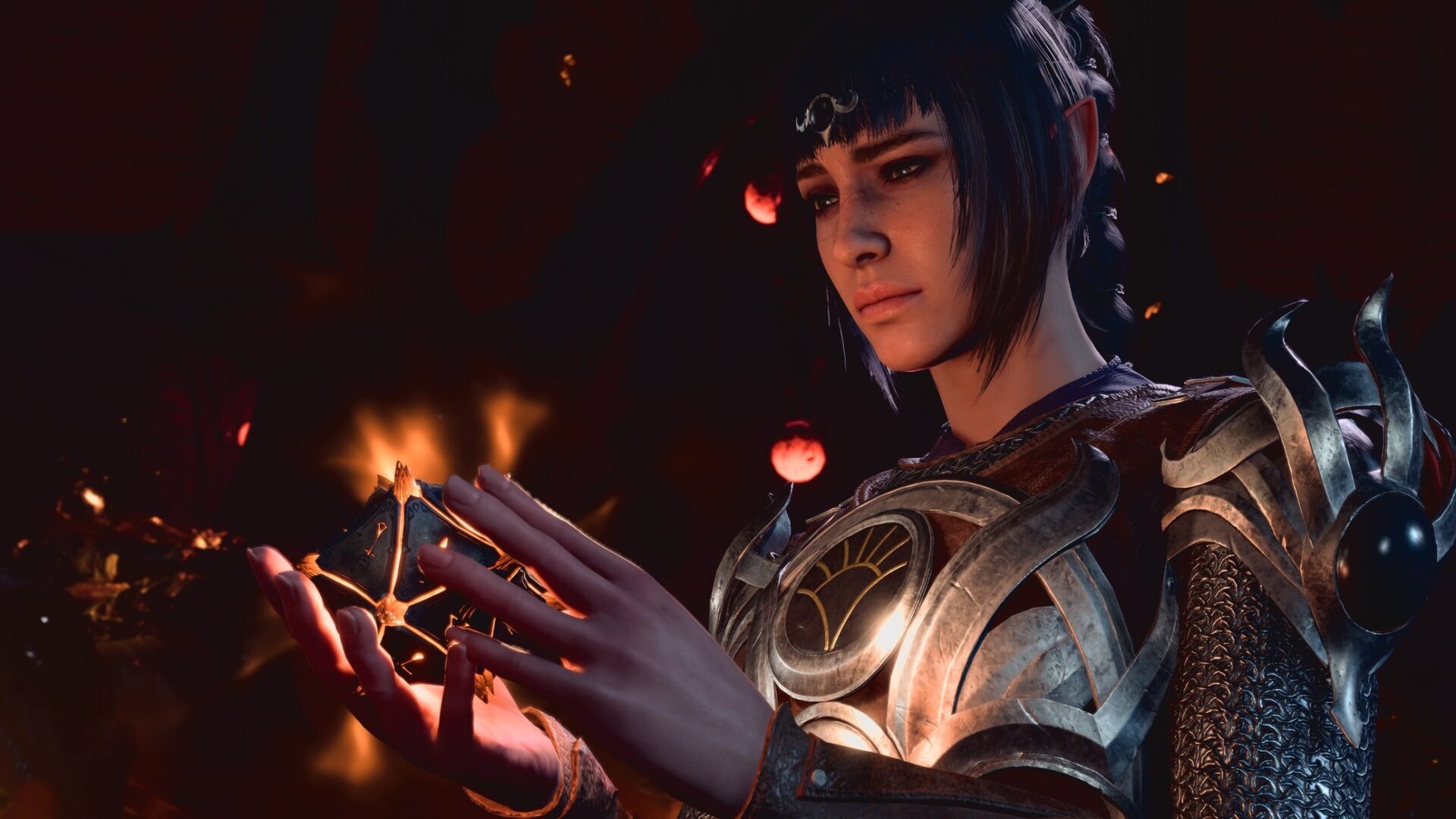
That sense of reciprocity is the secret sauce. When Astarion, Shadowheart, or Lae’zel push back against a decision, the exchange feels less like flipping a switch and more like managing a relationship with someone who has their own agenda.
The Dice as Storyteller
Then there are the dice. Every persuasion, deception, or intimidation attempt rolls against a target number, and the game shows the die tumbling on screen. A failed roll doesn’t just close a door — it often opens a stranger, funnier, or darker one. Fumble a lie and a merchant might call your bluff, sending the scene careening somewhere the player never intended.
This is where Larian’s design philosophy shines. Failure is content, not punishment. A missed check can spiral into a brawl, a hasty retreat, or an awkward apology, and each branch is written with the same care as the success path. The tension of watching that twenty-sided die spin has become one of the most talked-about hooks in modern role-playing games, turning even a mundane conversation into a small piece of theatre.
The appeal of that suspense — the held breath before an outcome — is a feeling other corners of digital entertainment chase as well, from arcade high-score chases to the fast-paced world of bitcoin online casinos. Yet what sets Baldur’s Gate 3 apart is that its dice rolls are wrapped inside a story that remembers the result and builds on it for hours afterward.
Reading the Room Without a Roll
Not every conversation hinges on numbers, though. Larian layered in dialogue options that reflect knowledge, spells, and even the mundane act of paying attention. A character with the Speak with Animals spell can interrogate a squirrel; a cleric might recognize a sacred symbol a barbarian would walk past.
The visual language of the dialogue screen matters here too. The presence — or absence — of certain icons signals what kind of check is happening, and how much risk sits behind a line. A close reading of the missing dialogue icons explored how those subtle cues shape player expectations, sometimes leaving people to wonder whether a choice carried hidden weight. That ambiguity is deliberate. It keeps players leaning forward, second-guessing, and treating conversations with the same caution they’d bring to a locked vault.
Why the Standard Has Shifted
The knock-on effect has been hard to miss. Since Baldur’s Gate 3 landed, players discuss dialogue systems with a new vocabulary of expectation. They ask whether companions remember slights, whether backgrounds unlock real content, and whether failure leads anywhere interesting.
Larian didn’t invent branching dialogue, and it never claimed to. What the studio did was commit fully — recording the extra lines, writing the failure states, and trusting players to notice the difference. That commitment turned conversation into the beating heart of the experience rather than the connective tissue between combat encounters.
The bar, once cleared, is difficult to lower again. Future cRPGs will be measured against the moment a single line of dialogue quietly rewrote the ending, and players everywhere leaned closer to their screens, watching a die decide the fate of an entire world.