


The Canadian video games sector is often described as a technology sector, and for good reason. It generates employment opportunities, attracts foreign investment, fosters software development, and provides a solid business base for cities like Montreal, Toronto, Vancouver, and Quebec City in the world of entertainment. That’s only part of the story, though. Canada’s game studios are not only creating products. They are exporting culture.
Games now go farther than most traditional media. On the same weekend, a title made in Canada can be played in Seoul, London, Sao Paulo, Berlin, Los Angeles and Cape Town. It can shape fashion, music, online jargon, fan art, esports and streaming culture, and even tourism. In this way, Canadian studios are becoming cultural export powerhouses, turning local creativity into global entertainment.
This broader entertainment economy also coexists with other burgeoning digital entertainment businesses, ranging from streaming services to esports to interactive platforms and online casinos for Canadian players, and reflects the shift of Canadian audiences across a myriad of screen-based entertainment options. But video games are unique in that they don’t just ask people to watch. They invite individuals to join them.

From Local Studios to Global Worlds
For decades, Canada has been developing its own one of the world’s most critical game development ecosystems. The country has deep roots with major international publishers, and independent studios are creating original content viewed beyond Canada’s borders.
The number of studios or employees doesn’t make this significant. It’s the kind of creative work that is being created. Canadian teams are involved in the development of open worlds, sports simulations, fantasy worlds, horror games, mobile games, story-based adventures and multiplayer platforms. These are not “little” cultural products. These are places that millions of players spend time, make memories and build communities.
A Canadian studio working on a major global release is helping shape the image of cities, characters, conflict, humour, competition, and identity. That’s a huge cultural impact.
Gaming Is Canada’s Modern Soft Power
Film, television, music, books, and sports have always been a means of exporting culture from countries. Today, video games definitely fall into that category. This is significant for Canada because games are a type of soft power that is modern, interactive and commercially strong.
A successful game isn’t just one that sells copies. It creates fandom. Players talk about storylines, play along with developers, watch speedruns, stream gameplay, attend conventions, purchase merchandise, and create communities around worlds they adore. This provides a long cultural life to Canadian-made or Canadian-supported games.
Moreover, a game can grow over the span of years, unlike a film, which can have a big opening weekend. Players are kept entertained by updates, expansions, mods, competitive seasons, and community content. That makes video games particularly priceless as cultural exports, as they can stay an active part of the global dialogue long after their launch.
Cities Are Becoming Creative Production Hubs
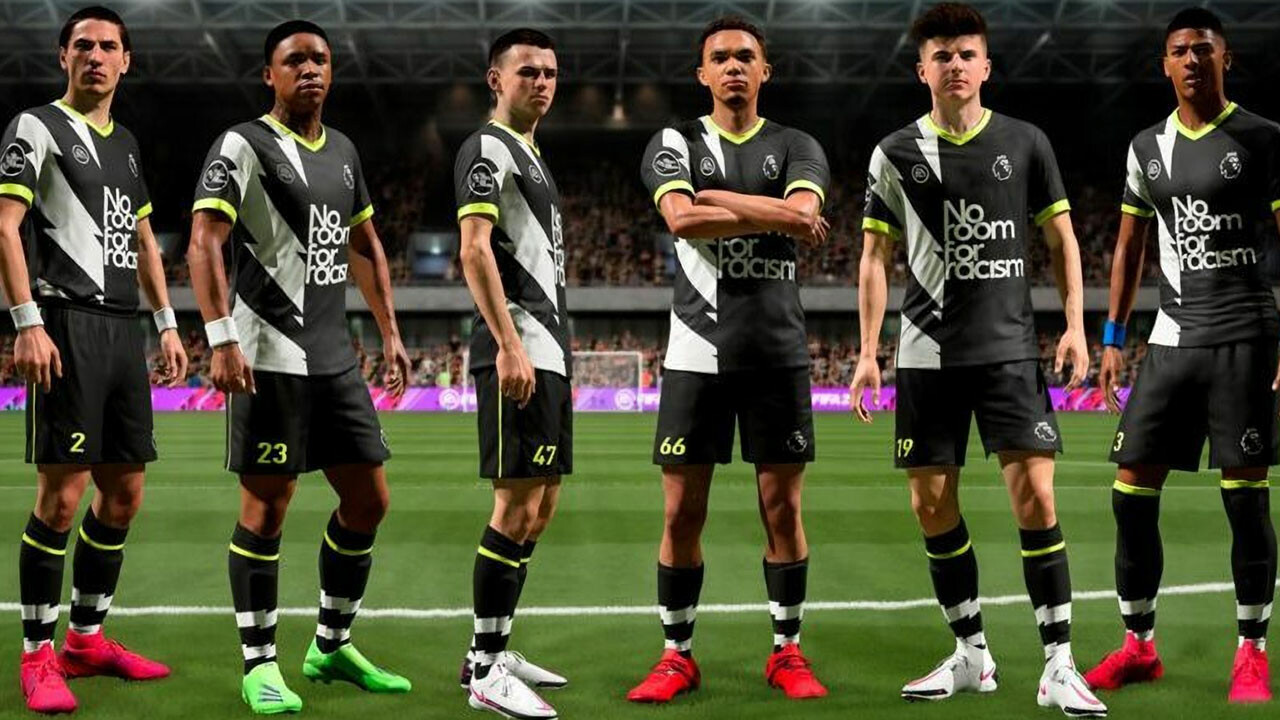
The international perception of a Canadian city is also evolving due to its involvement in gaming. Montreal is already one of the internationally renowned game development hubs. Vancouver is well-established in the visual effects, animation, and interactive media industries. Toronto is becoming increasingly known for its reputation in the gaming, tech, e-sports, and digital entertainment industries. The big picture also includes Quebec City, Edmonton, Halifax and others.
This rapid digital expansion across major metropolitan centers has naturally heightened the need for robust backend support. In fact, major infrastructure hubs like Toronto and Vancouver face growing digital demands as they scale up to support both massive global events and the heavy, continuous data traffic generated by these thriving interactive industries.
There is no easy way to copy that mix. That’s why gaming clusters are important. After talent, specialist schools, investors, publishers and independent studios have visited a city, new projects can easily come together and grow.
Canadian Identity Does Not Always Need to Be Obvious
A fascinating aspect of Canada’s gaming exports is that they are not always “Canadian” in nature. A Canadian game can be about anything except Canada, Canadian cities, accents, or landscapes. It might take place in a dreamland, a future war, a haunted house, or a made-up sports world.
That doesn’t make it any less of a cultural export. Culture is not just about what is obvious and national. It’s also a matter of creative methods, production values, design instincts, workplace talent and artistic decisions. Canadian studios help set the tone and format of games around the world, even if the game itself doesn’t feature a Canadian flag.
This can be a good thing. Canada has an industry versatile enough to accommodate a number of genres, audiences and platforms. It can be used by global publishers and foster independent voices. That span renders the nation’s gaming industry more robust.
The Indie Scene Adds Creative Edge
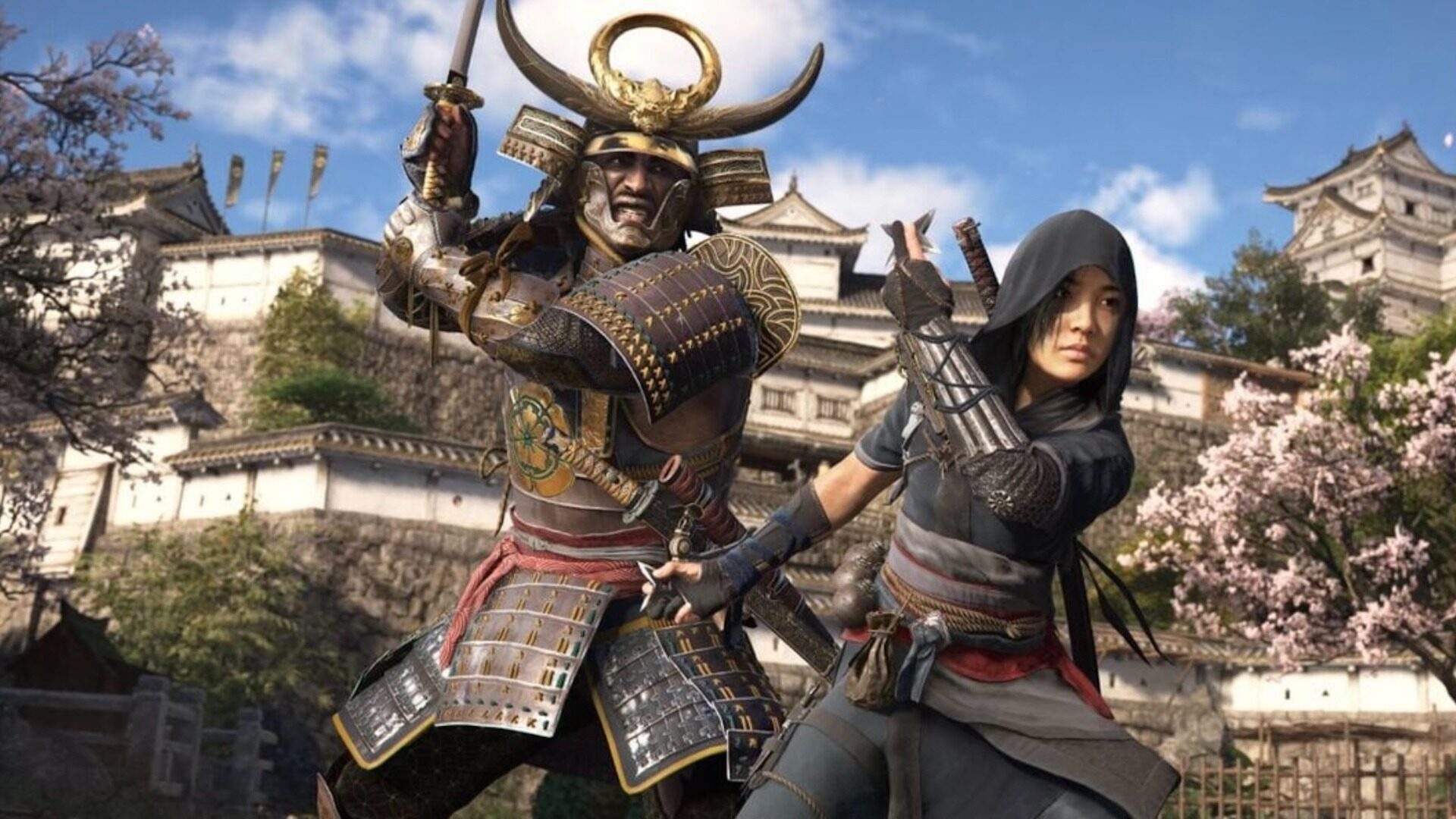
Major studios provide Canada with scale, and independent developers provide it with texture. Indie games are more likely to take creative risks, given that they’re not as dependent on blockbuster games. They can discover strange mechanics, personal narratives, unusual art styles, and small communities.
This is important for two reasons: first, cultural influence isn’t necessarily the domain of the biggest titles. Sometimes it is from smaller games that alter expectations. An indie release can impact design trends and other developers, or go viral via streaming and word of mouth.
Canada’s independence is a shield against the industry being solely a service base for foreign publishers. It provides the country with original voices and new ideas, both of which are key if gaming is to remain a true cultural export rather than just an outsourced production machine.
Canada is Exporting Play, Not Just Products
Creating jobs and attracting capital are not the strongest arguments for Canada’s gaming industry. It contributes to the shaping of global play. Canadian studios are creating worlds that people come back to, characters that people remember, and systems that people know how to work with in modern entertainment.
That puts one of Canada’s biggest cultural industries right up there. It is located at the crossroads of art, software, sport, storytelling, music, animation and community. You can’t find a better mix anywhere except in the food business!
Canada’s contribution will be even greater as the world’s entertainment economy becomes more interactive. Its studios are no longer just part of the gaming market. Every day they export ideas, experiences, and virtual worlds across borders.