
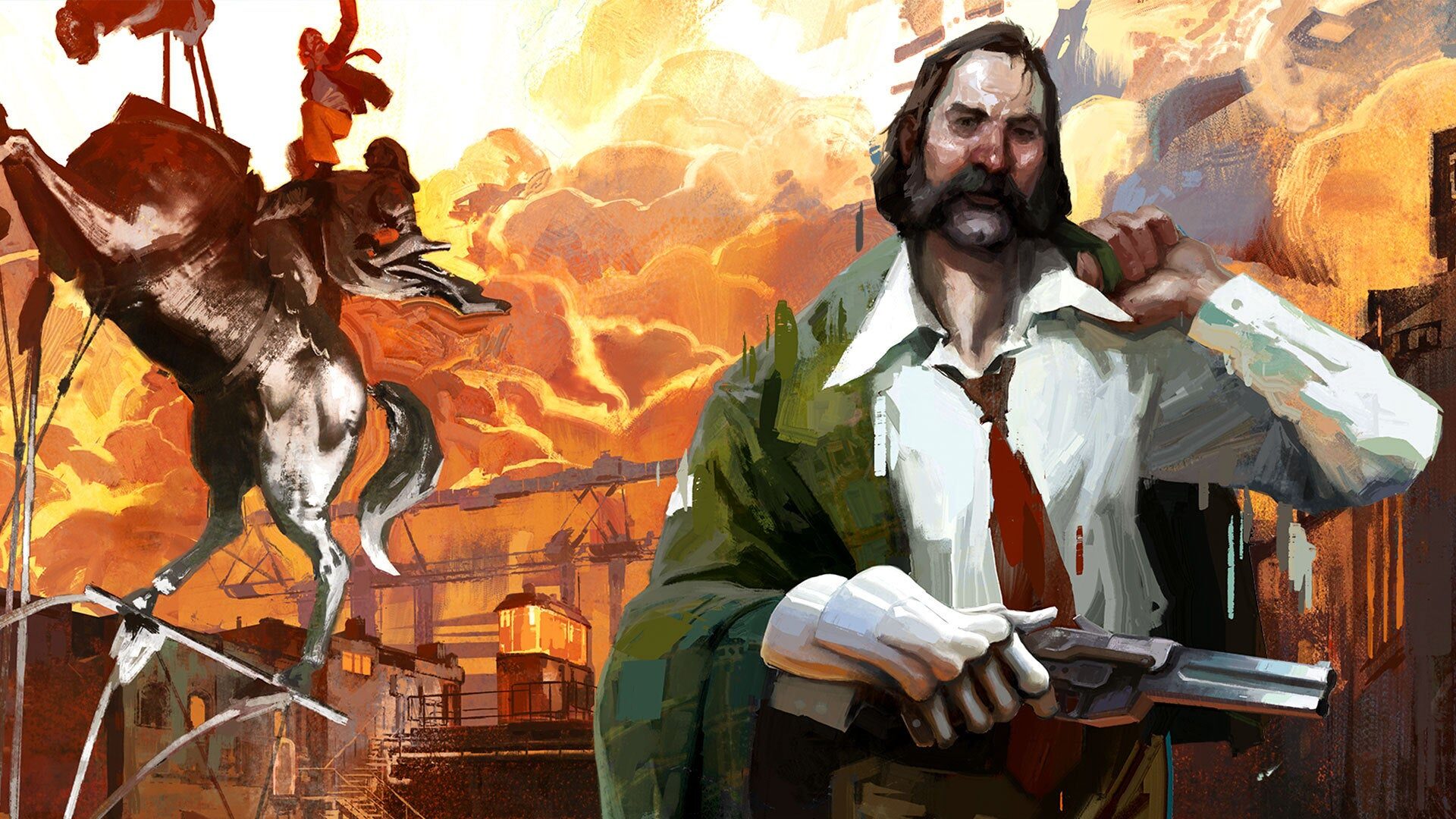
Most role-playing games promise that choices matter. Very few of them actually mean it. That single idea — that a player’s decisions should ripple outward and reshape the story rather than nudge it toward one of three tidy endings — is the reason Disco Elysium still towers over almost everything that has followed it. Years after release, developers and writers keep circling back to ZA/UM’s murder mystery as the benchmark, and the reasons are worth unpacking one careful layer at a time.
A Story Built From Failure, Not Just Success
Here’s where that guiding idea first shows its teeth. In most RPGs, failing a check is a dead end. You miss the lockpick, you reload, you try again. Disco Elysium flips that logic on its head by making failure just as narratively rich as success — sometimes richer.
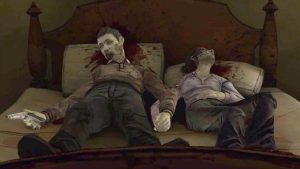
Botch a physical challenge, and the detective might faceplant in front of a crowd, unlocking a whole thread of dialogue that a graceful success would have quietly skipped. The game never punishes curiosity by slamming a door. Instead, it swings a different one open. That means the story a player experiences is genuinely theirs, stitched together from wins, embarrassments, and half-remembered arguments with their own skills.
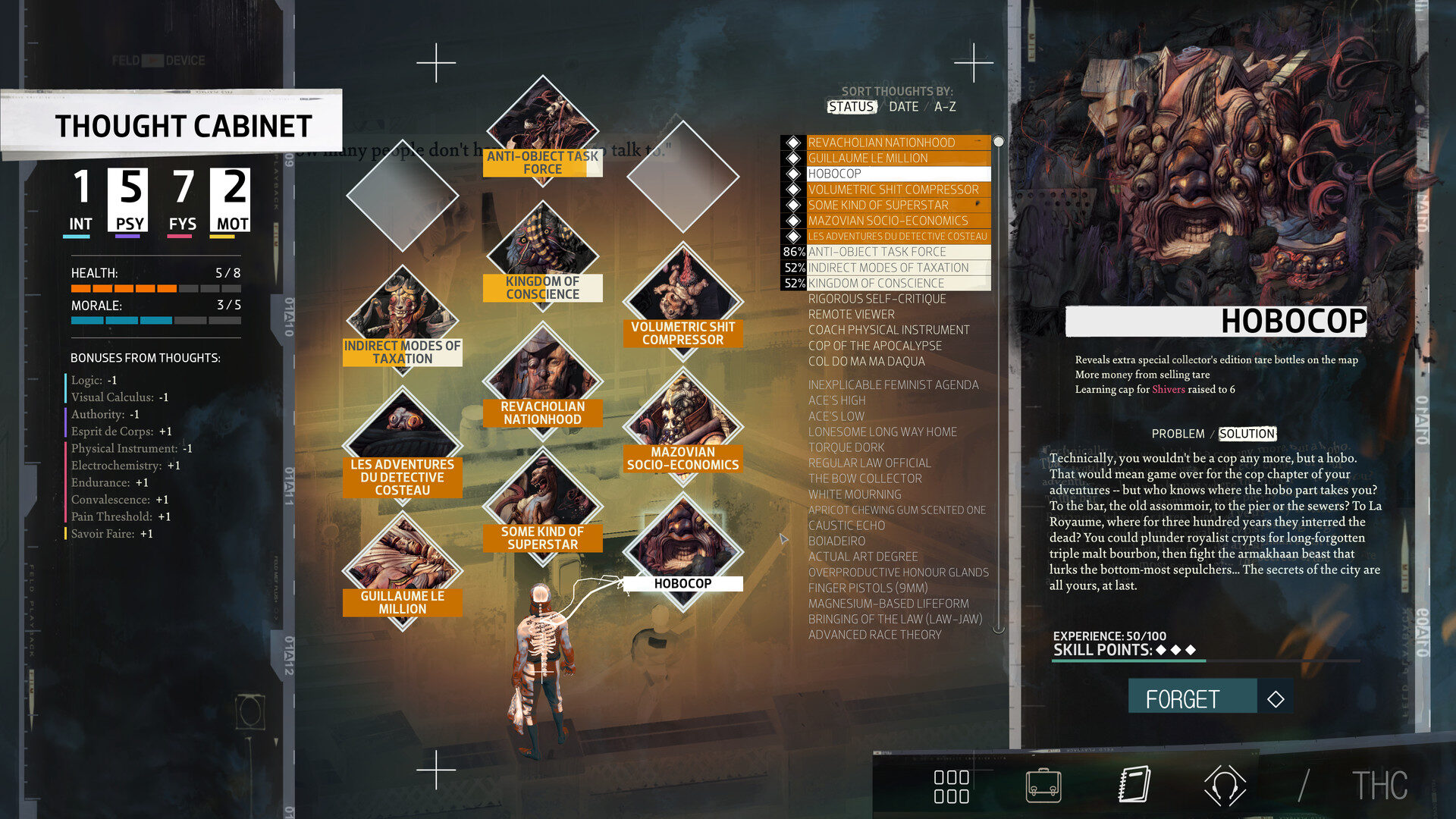
Those skills, it should be said, talk back. Logic, Empathy, Electrochemistry, and two dozen others behave like a bickering committee living inside one hungover head. They interrupt, contradict, and occasionally lie. It’s an approach that turns character-building into character-writing, and it’s why a fresh look at the reactive detective adventure still surprises people who thought they knew how RPGs handled dialogue.
The World Remembers What You Said
The second pillar of that same idea is memory. A reactive story is only convincing if the world actually keeps track. Disco Elysium does this obsessively. A throwaway insult to a shopkeeper, a political opinion muttered to nobody in particular, a lie told to smooth over an awkward moment — the game files it all away and brings it back when least expected.
Compare that to how many big-budget titles treat player input as flavour text that evaporates the moment a scene ends. When a modern epic like Baldur’s Gate 3 earns praise for its branching consequences, it’s partly because it learned from the standard ZA/UM set: dialogue should have weight, and characters should behave as though they were paying attention the whole time.
The effect is subtle but powerful. A player stops treating conversations as menus and starts treating them as relationships. Every response feels like it’s being weighed, because it is.

Reactivity as Genuine Craft
This is the section where the guiding idea becomes a question of craft rather than mechanics. Reactivity is expensive. Writing four outcomes for a single conversation costs roughly four times the words, and most of that writing will never be seen by any individual player. Disco Elysium embraced that inefficiency as the whole point.
Consider how many other forms of entertainment lean on the thrill of an uncertain outcome — the way a card reveal in a tabletop match or a spin on an online social casino hooks people precisely because the result isn’t guaranteed. Games like this one channel that same unpredictability, except the payoff is narrative rather than numerical. You never quite know which internal voice will win the argument, or how a scene will curdle or bloom based on a single line.
That unpredictability is the reason academics have started treating the game as a serious text. There’s now a growing body of critical writing, including a thoughtful deep dive into its themes, that examines it the way scholars examine literature — as something dense enough to reward rereading. Few video games invite that kind of attention, and fewer still hold up under it.
Choice Without a Morality Meter
Return once more to the central idea, and notice what Disco Elysium refuses to do. There is no glowing good-versus-evil bar. There are no clean labels sorting decisions into “renegade” and “paragon” columns the way Mass Effect once did.
Instead, the game lets ideologies breathe. A player can lean into a worldview, get gently mocked for it, double down anyway, and watch the detective become someone specific because of it. Nothing is scored as correct. The consequences simply are what they are, which is far closer to how actual conviction works. That refusal to moralize is a big part of why the writing feels adult in the truest sense — it trusts the reader to sit with discomfort.
It’s also disarmingly funny. The bleakness is real, but so is the absurd humour, and the two never cancel each other out. That tonal balancing act is enormously hard to pull off, and it’s another skill later titles keep trying to copy.
What Everyone Else Is Still Chasing
So why does the gold-standard label stick? Because the guiding idea — that choices should genuinely reshape a story — is easy to say and brutally hard to build. Plenty of ambitious RPGs nail one piece of it. A game might have gorgeous branching quests but forgettable characters, or sharp writing bolted onto a rigid structure that ignores what the player does.
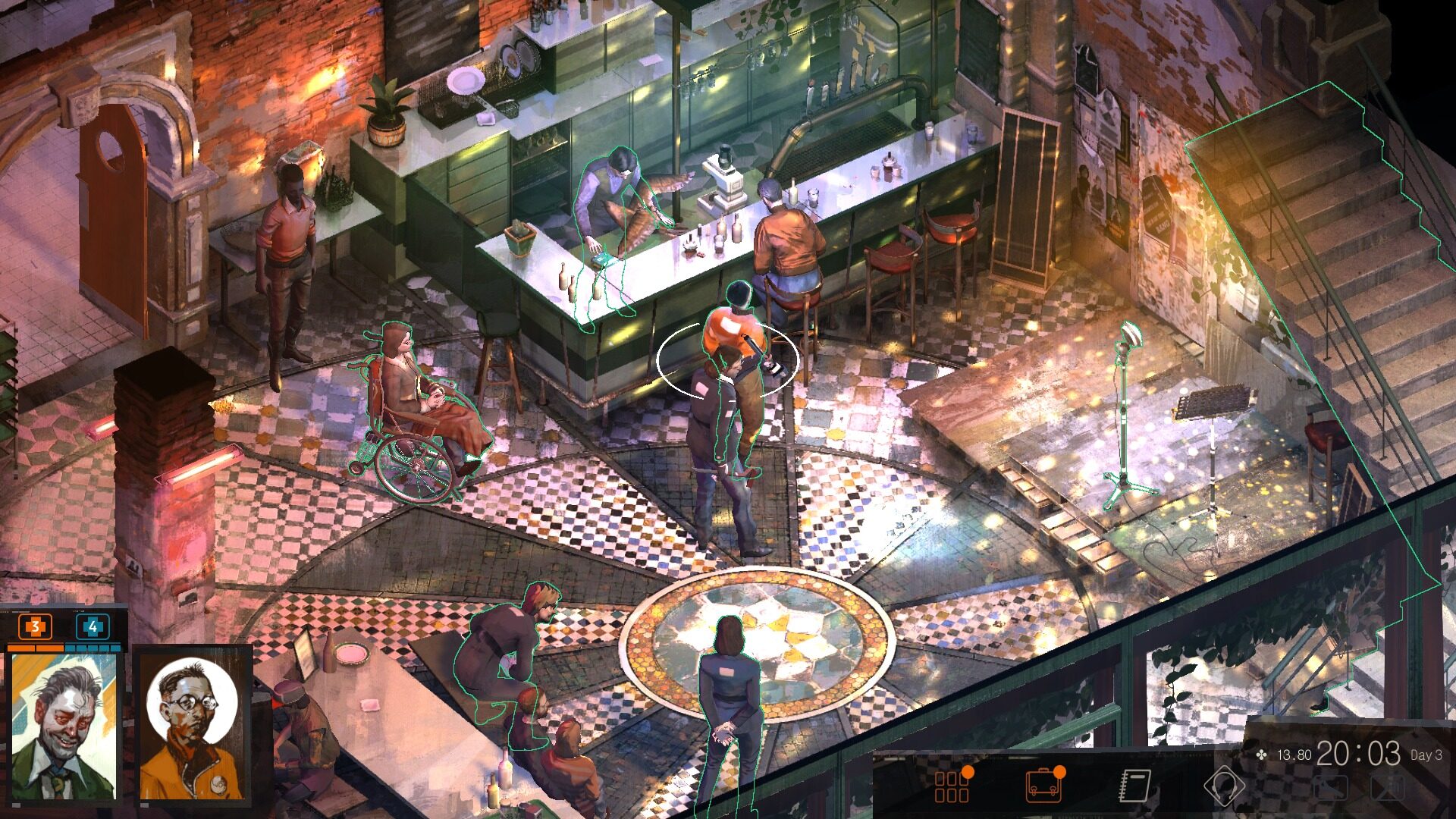
Disco Elysium fused all the pieces at once: failure as content, a world that listens, reactivity treated as craft rather than a checkbox, and moral ambiguity that respects the person holding the controller. When newer titles are praised for their storytelling, the compliment almost always sounds like a comparison to this one.
That’s the mark of a true benchmark. Not that nothing has improved since, but that the questions it raised about interactive writing still haven’t been fully answered. Anyone building a reactive RPG today is, whether they admit it or not, working in its shadow — and that shadow shows no sign of shrinking.