
The way players pay for games can shape how they enjoy them. Free-to-play titles remove the upfront cost, while premium games ask players to pay before they start. Both models can deliver memorable experiences, but the real difference lies in gameplay, progression and how each game treats the player’s time and money.
Daily rewards are one way digital entertainment platforms encourage people to return. For example, a Social casino daily bonus offers recurring incentives to eligible users. Similar reward systems appear in some video games, too. Their value depends on whether they make playing more enjoyable or create pressure to log in and spend.
What Makes Free-to-Play Games Appealing?
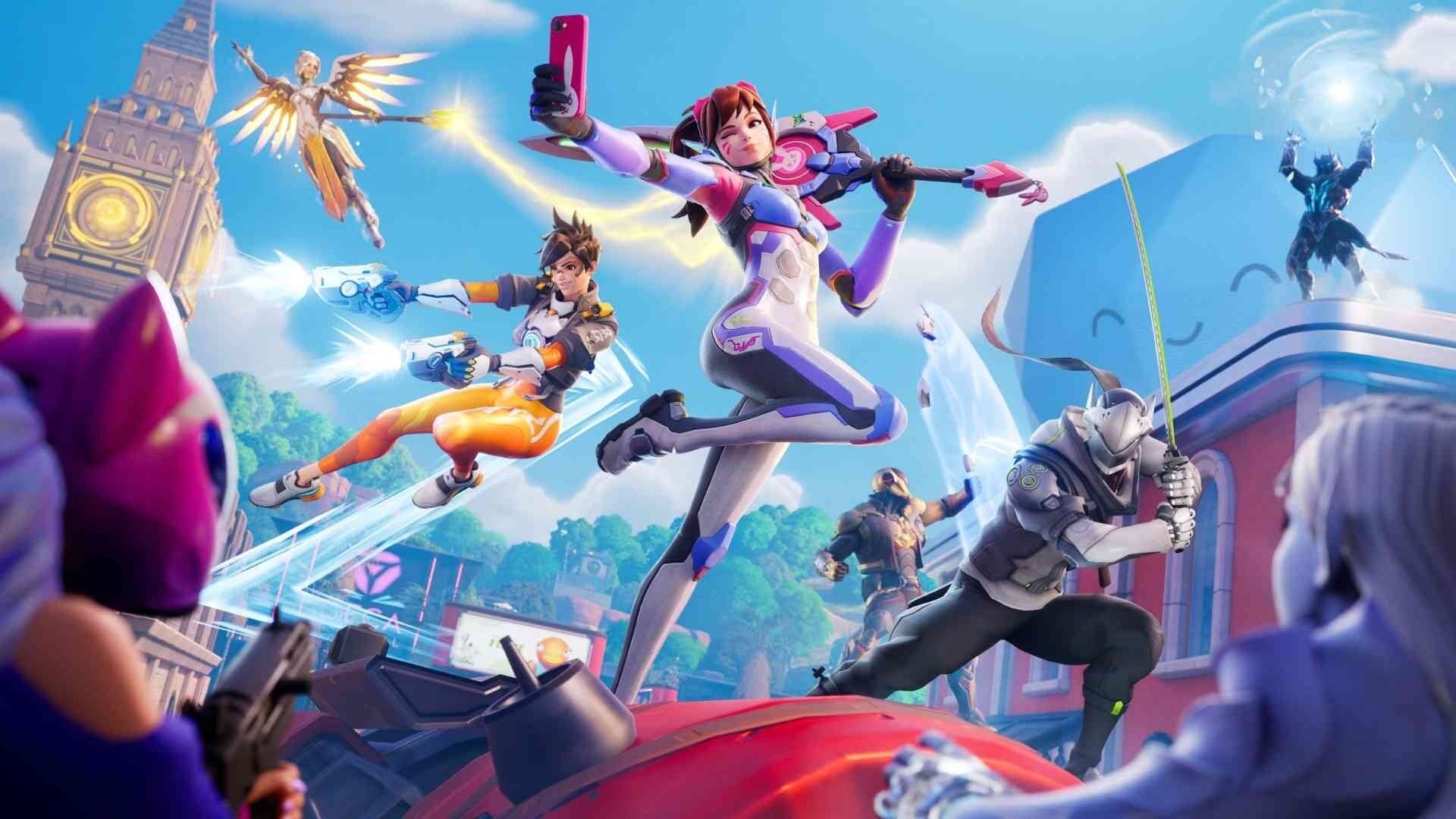
Free-to-play (F2P) games such as Fortnite, League of Legends and Warframe let players try the core experience without buying the game first. This makes it easier to explore a new genre, play with friends and leave if the game is not a good fit.
The challenge is how these games earn money. Optional purchases can support regular updates, but monetization becomes frustrating when it interferes with fair progression. Players should pay attention to what each purchase actually offers:
- Cosmetic items: Skins and emotes change a character’s appearance without necessarily affecting competitive balance.
- Battle passes: Provide rewards for completing challenges, although seasonal deadlines can make play feel like a chore.
- Randomized rewards: Loot boxes offer uncertain outcomes, so players may spend money without receiving the item they want.
A well-designed F2P game keeps its core experience enjoyable without requiring purchases. When progress feels deliberately slow or paid advantages influence competition, the free entry point becomes less appealing.

Why Premium Games Can Offer Better Value
Premium games require an upfront payment, giving players a clearer idea of what they are buying. Titles such as Baldur’s Gate 3 and Elden Ring build their appeal around exploration, character development and substantial single-player experiences.
Paying once does not guarantee quality, however. Some premium releases need technical fixes, while expansions and cosmetic purchases can increase the final cost. Before buying, consider how much of the experience the base price includes:
- Total cost: Check whether major story content or useful features require separate purchases.
- Replay value: Different choices, builds, and endings can make a game enjoyable long after the first playthrough.
- Refund policy: Steam generally allows refund requests within 14 days of purchase if a game has been played for less than two hours, subject to its policy and exceptions.
Premium games often suit players who prefer a defined purchase and fewer recurring prompts to spend. F2P games may suit those who want to try something first and decide later whether optional content is worth paying for.
What Matters Most to Players?
The Entertainment Software Association’s Power of Play: 2025 Global Video Games Report surveyed 24,216 active players across 21 countries. It found that 66% played for fun and 58% cited stress relief or relaxation. These results do not prove that one payment model is better, but they highlight what both should deliver: an enjoyable experience.
Players can use a few practical questions to judge whether a game offers good value:
- Does spending affect fairness? Competitive games should avoid making victory depend on paid advantages.
- Does progression respect your time? Rewards should feel satisfying rather than like a daily obligation.
- Is the price worth the experience? Consider the content, replay value and any extra costs, not just the initial price.
Which Model Offers the Better Player Experience?
Neither model wins by default. Free-to-play games offer easy access and let players decide whether to spend. Premium games provide a clearer upfront commitment and can deliver focused, complete experiences. Hybrid models combine a purchase price with optional extra content, so players still need to check what is included.
Ultimately, fair monetization matters more than the payment model itself. A free game can offer hundreds of enjoyable hours, while an expensive release can disappoint. The better choice is the game that respects players’ time, delivers on its promises and makes spending optional rather than essential.