

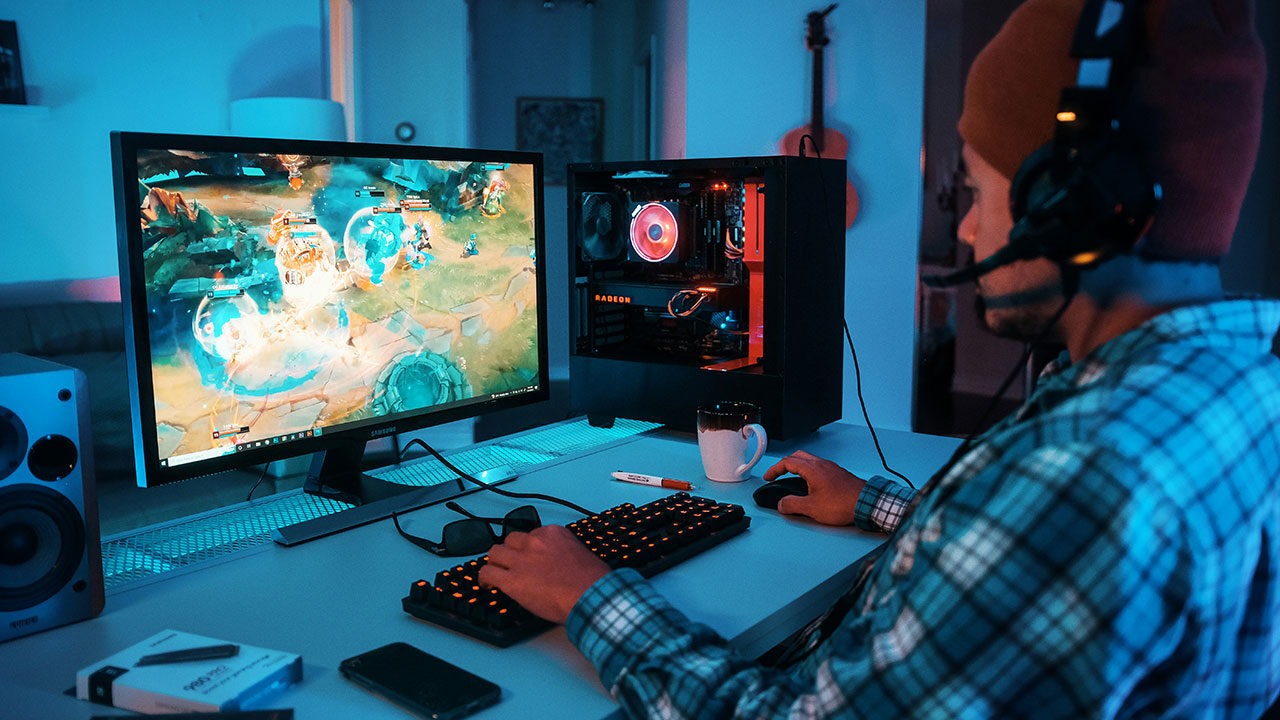
From the servers rendering a match in real time to the app tracking a Pennsylvania sports bet, the tech stack holding up online gaming quietly stands as one of the most advanced systems in consumer entertainment.
Start up an online game this weekend and the action probably never even touches anything sitting in your home. The graphics you see could be getting rendered three states away, on a server rack you’ll never see, flashing back to you in milliseconds. That’s the wild magic of modern online gaming: The smoother it seems, the more hardware is quietly working behind the curtain to make all of it fade away.
Online gaming isn’t a niche anymore; it’s now a massive slice of global entertainment, all thanks to relentless improvements in tech. Faster networks, smarter servers and even streaming systems straight out of old science fiction have all merged in just the last few years. And the growth stats? They back it all up.
Streaming games instead of storing them

The biggest shift is games don’t really “live” on your device anymore. Cloud gaming platforms handle the heavy lifting from remote servers then beam you a video feed, so that even a ten-year-old laptop can play games designed for a $2,000 rig. Look at NVIDIA’s GeForce Now: It runs on a “bring your own games” model, tied to whatever you already own on Steam or Epic, and by late 2025 had topped 30 million registered users across more than 100 countries, supporting over 4,500 games.
Microsoft’s making big gains too. At GDC 2025, they reported Xbox Cloud Gaming hours jumped 45% year over year, with over a third of streaming sessions coming from devices that just can’t run those games locally. It’s clear streaming is giving access to people who never owned a console to begin with.
Online Gaming Are Riding the Same Wave
Igaming sites are part of this story too, leaning on the same basics: Real-time servers, rock-solid encrypted pipes and mobile-first everything. Pennsylvania shows just how fast things move. In 2025, the state’s casinos raked in a record $7.70 billion in gaming revenue, the first year online gaming out-earned brick-and-mortar casinos there. Regulators pointed out the driver: iGaming revenue shot up over 27% year over year, while land-based casinos more or less stayed flat.
To help people keep track, sites like PlayPennsylvania.com have built out full guides for PA online gambling, breaking down the whole scene: Casino apps, sports betting, poker rooms and lotteries, plus reviews, bonus roundups and the latest regulatory news. It matters, since the tech and the offerings just keep moving.
The race against latency
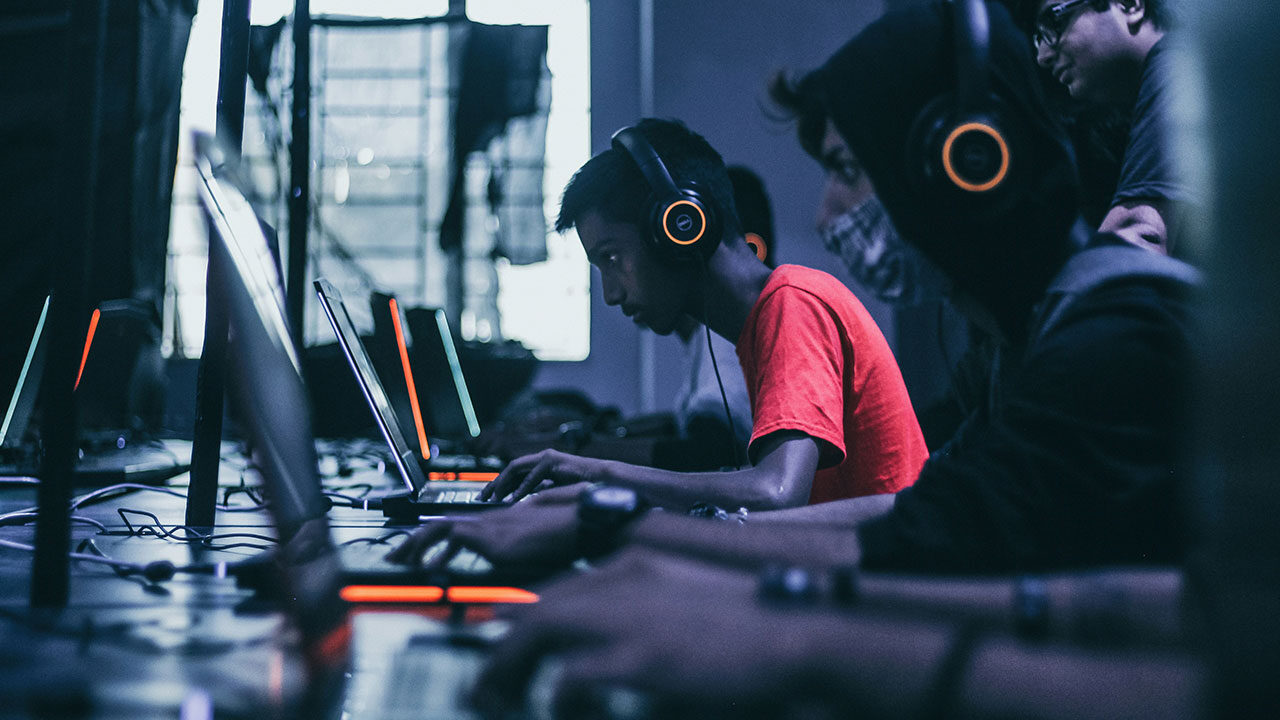
None of this works if you can’t beat lag, the old enemy of cloud play. Every button press has to zip to a server and back, and if that round trip drags out too long, fast-paced games fall apart. The latest industry data shows players can stand less than 40 milliseconds round-trip, but for competitive shooters, you want closer to 20. Multi-access edge computing, which puts render servers physically closer to players, in the middle of the city, not some remote datacenter, keeps dragging those numbers lower.
One industry report found expanding 5G and edge networks have dropped average round-trip lag below 20 milliseconds in a lot of metro areas, something that would’ve sounded impossible outside a hardwired connection a few years ago. Now, that’s why companies are comfortable rolling cloud gaming out worldwide. In late 2025, Microsoft bought Xbox Cloud Gaming to India, Brazil and Argentina, and Sony sent PlayStation Portal streaming to 30 countries.
Watching games has become its own industry
Technology hasn’t just changed playing games, it’s transformed watching them. That side of the business has exploded in no time. Look at the Esports World Cup in Riyadh in 2025: 3 million people visited in person, and at its peak, 7.98 million people were watching at once during the League of Legends finals; the highest non-streaming viewership ever for an esports event.
They put real money behind that audience too: $70.45 million in prize money over seven weeks, obliterating payouts from just a few years ago. All of it depends on the streaming pipes, the encoders and the content delivery networks: It can handle moving a match from a Saudi stage all the way to phones around the world, surviving huge spikes in viewership without a hiccup.
Why tech isn’t done yet
This isn’t anywhere near “finished”. Bandwidth still isn’t cheap; one hour of 1080p cloud gaming can eat 15 GB of data, a tough sell for anyone without unlimited broadband. Billions still don’t have reliable high-speed internet at all, so cloud gaming’s true market is a lot smaller than the hype sometimes says.
Fixing that is why telecoms, chipmakers and platforms keep pumping money into faster networks and placing servers even closer, refusing to treat today’s setup as “good enough”.