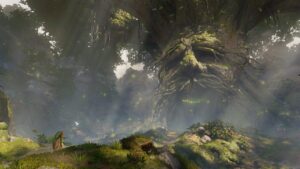

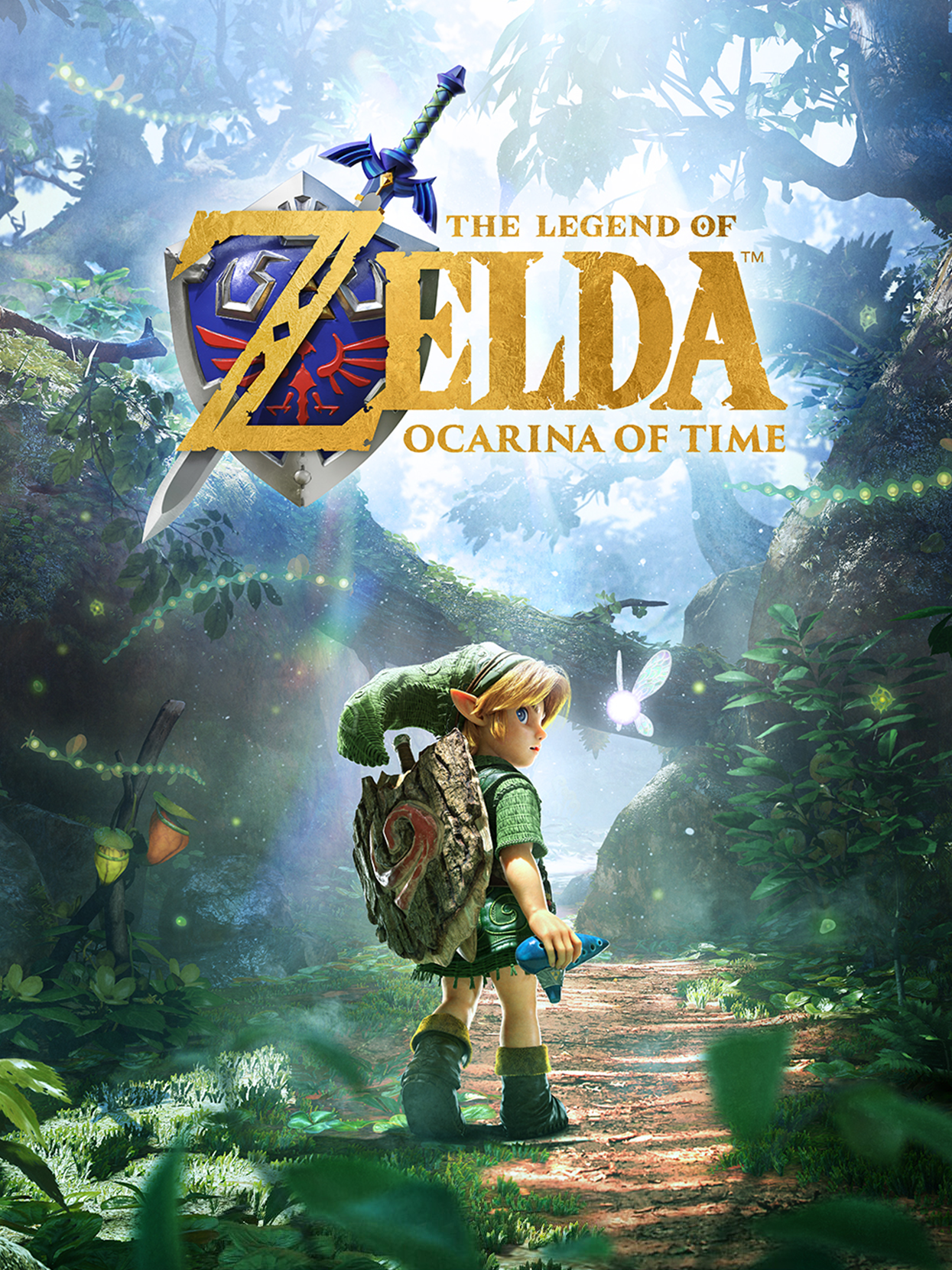

My brother came home with a Nintendo 64, Super Mario 64, and The Legend of Zelda: Ocarina of Time when I was nine, and because I was the youngest of four, he decided I wasn’t allowed a save slot or to touch the console at all. There was an empty slot sitting right there because one of my siblings didn’t want to play it, and he still held the line. So, whenever he was out, I’d sneak into his room and replay the opening and the Deku Tree for two months straight, beating Queen Gohma ten or twelve times without seeing anything past her.
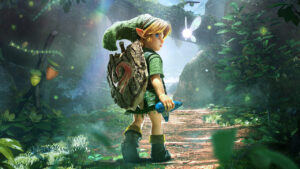
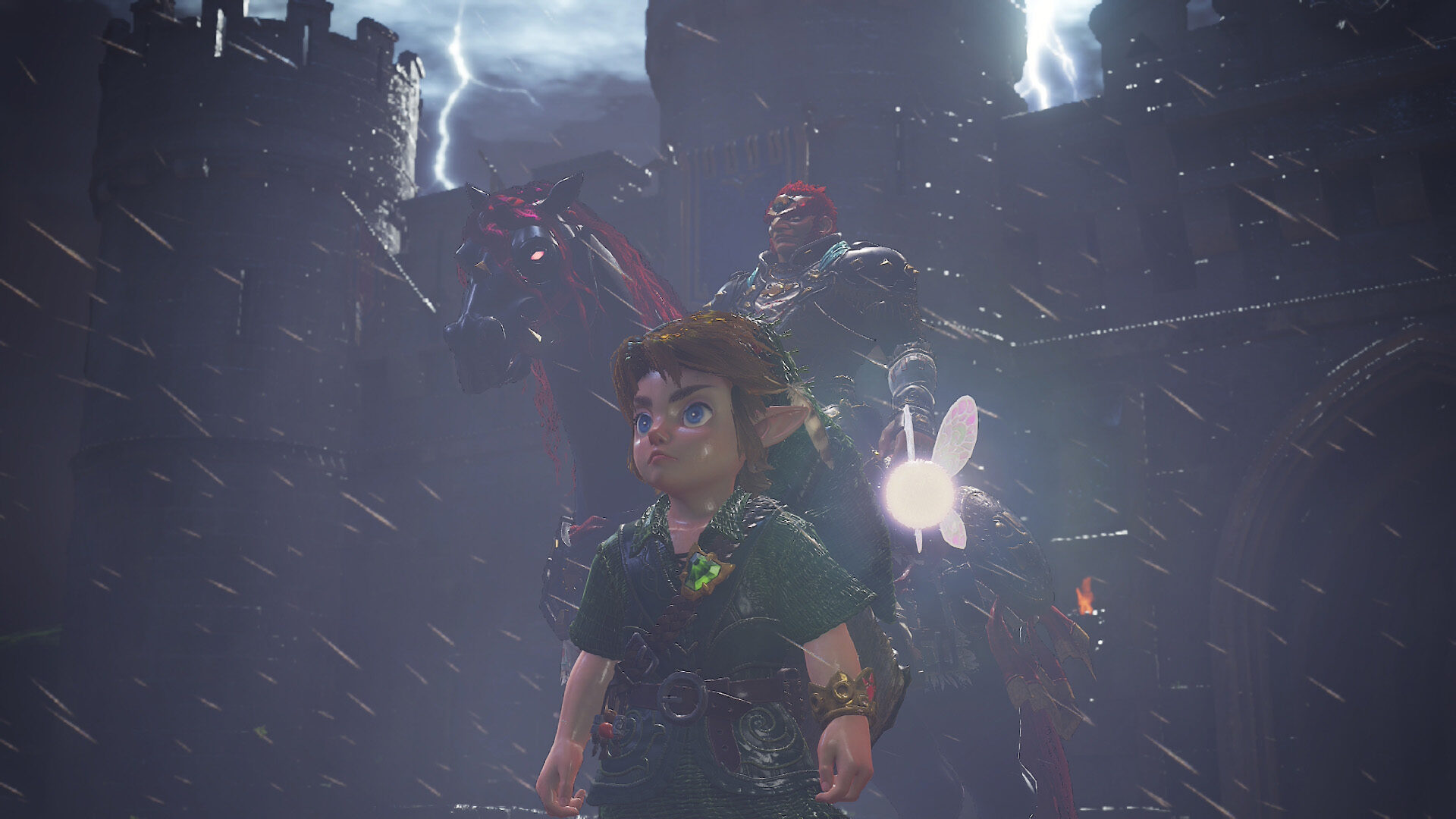
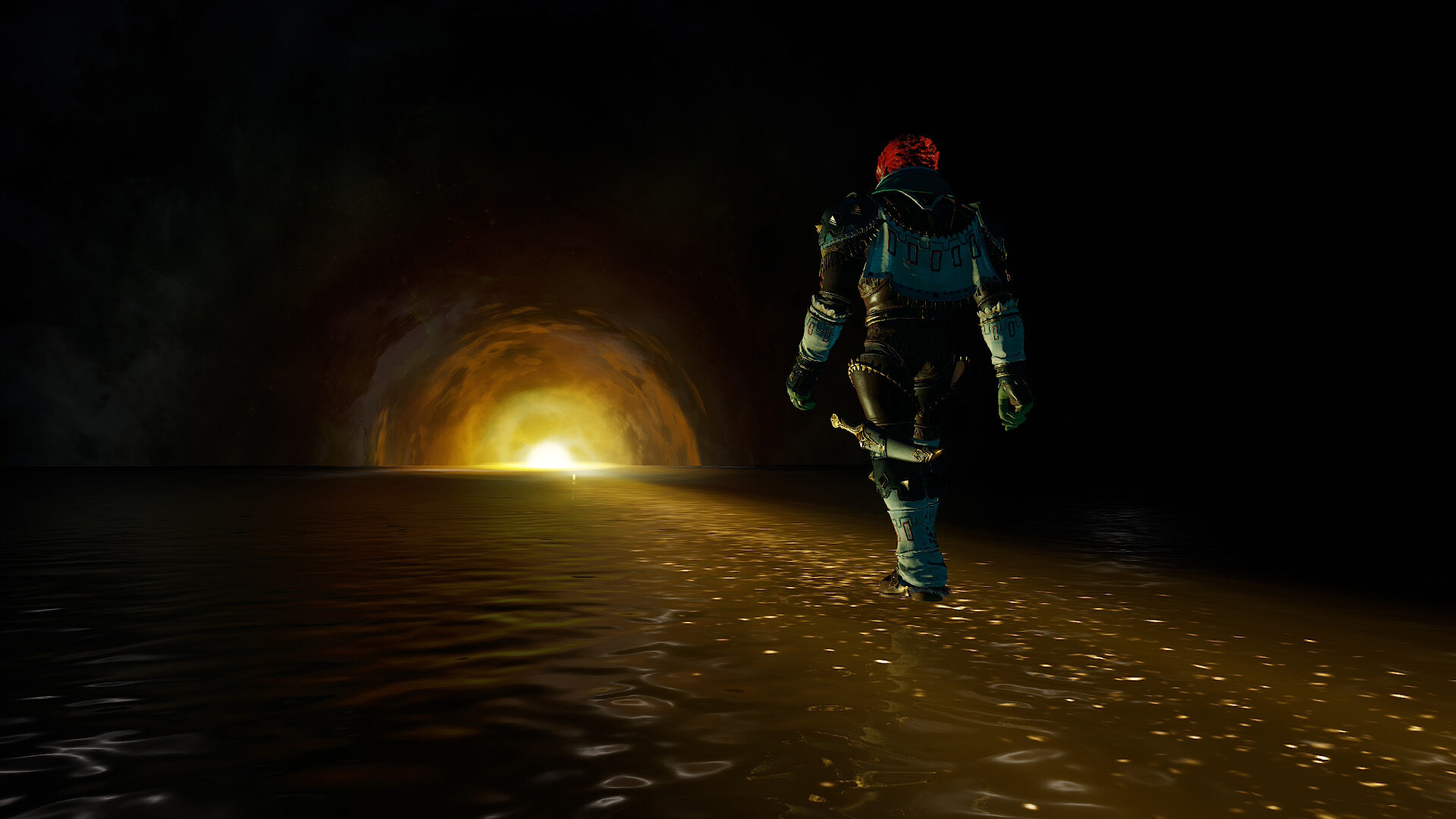
One day I finally loaded his file out of curiosity and landed in Ganon’s Castle, ran up a spiral staircase past laser-shooting statues, and got obliterated by Ganondorf, because my brother was at the end of the game and I had no idea. A year later he relented, and the month that followed changed how I think about games. The first couple of temples as Kid Link were tutorials in disguise, teaching an entire generation how to exist in the 3D space. Z-targeting and looking around corners weren’t commonplace yet, and now they’re second nature.
That history is exactly why The Legend of Zelda: Ocarina of Time remake hit me the way it did. Everything about 3D movement is understood now, and the developers have used that knowledge to rebuild how you interact with the world rather than just repainting it. If you love the original, there’s a ton here for you. You’ll know where to go and how to find almost everything, but nearly every moment has been reconsidered with the benefit of decades of design wisdom. It feels like returning to your childhood home and finding that someone who truly loved it has spent years making it everything you always imagined it could be.
The biggest update from the original to now is the moment-to-moment feel of Link and how it is like night and day. Movement is fluid and responsive; the camera cooperates instead of fighting you, and Z-targeting, revolutionary in 1998 and a little clunky by modern standards, now feels refined by decades of lessons learned. Circling an enemy, lining up a shot, or sprinting across a room all feel natural in a way the original, for all its genius and groundbreaking game design, managed back in the day, but in today’s world feel rather cumbersome. It’s the same game in your hands, but it finally moves the way I always imagined it did in your head.
“The Legend of Zelda: Ocarina of Time on Switch 2 is the definitive way to experience one of the greatest games ever made. It respects its history, improves nearly every part of the experience, and reminds you why this series has mattered for so long.”
Combat benefits from the glow-up the most, not only in making it a lot smoother, but also in adding a bit more difficulty in timing. Swordplay is still the simple, readable rhythm of targeting, dodging, and striking, and I’m glad they resisted the urge to bury it under a pile of new mechanics. But the animations have so much more weight, enemies telegraph their attacks much more clearly, and the whole thing feels, again, like I imagined it feeling back in 1998.
The Water Temple is the temple that everybody loves to hate, but I’ll admit that I never found it all that difficult or confusing, even back in 1998. Sure, the backtracking could be a bit tedious if you forgot to change the water level at the right time, but having it wrapped around the mini boss of Dark Link, with the longshot and making you have to look at the verticality of a temple made it a good temple still. Even so, the remake streamlines it in a way that sands off the tedium without losing what makes it distinctive.
I’d go so far as to say it’s one of the better dungeons in the game now and that’s a sentence I thought about a lot while going through the remake’s version of the Water Temple. The more vertical layout is still there, but the flow is smarter, and the sense of progress is sharper. The whole thing now respects your time without ever feeling like it is condescending.
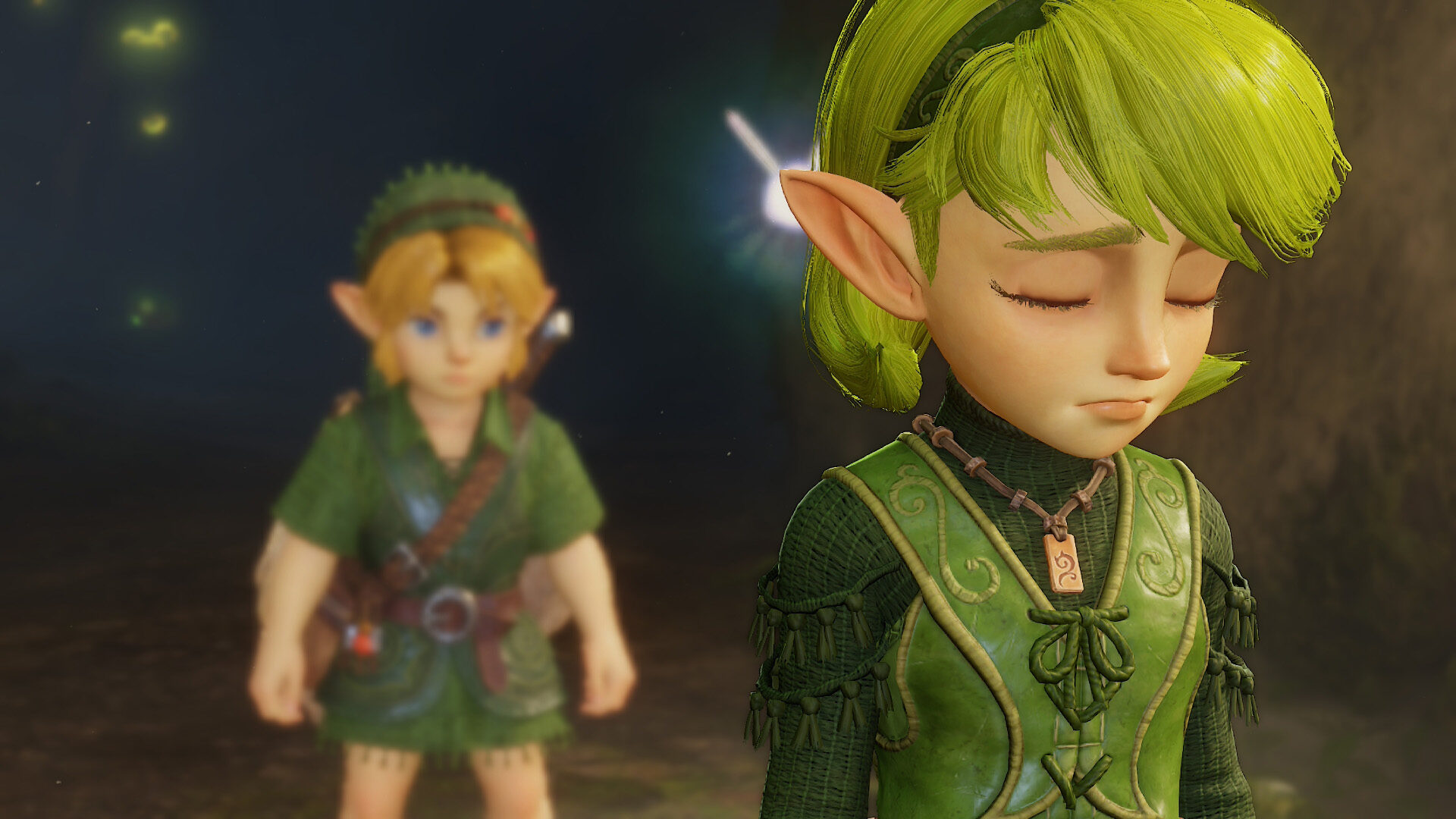
The full makeover also makes each dungeon feel like we finally get to see the dungeons and temples as they were originally intended to be. The one that really hit me the most was how the Forest Temple looks like a haunted house now, with its beautiful stained-glass windows, and the dread dripping from every room sells it as a deeply unsettling place to be in. Every inch of Hyrule now has so much more character and feels like a beautiful landscape on the verge of collapse.
Each tunic has its own style and personality, like it always has, but now, with intricate detailing on each one, it helps them stand out even more. A lot of people had concerns about the character faces when the first footage dropped, and to be honest, so did I, but that fades. Within about ten minutes, I stopped noticing. You’re spending the entire adventure looking at the back of Link’s head as he sprints through Hyrule, and the faces just become part of the world.
The bosses are the other big story, and they’ve also gotten a serious glow-up. Many of them drip with a kind of menace that we just haven’t seen in a Zelda game before. They look nastier and move with more intent, and several have picked up new move sets that change the fights in interesting ways. Morpha now has an attack where it throws six or seven tentacles into the air, and you have to figure out in a hurry which one actually holds the nucleus so you can yank it out. It’s a great way to keep veterans on their toes without wrecking what made the fight memorable.
“If you’ve never played The Legend of Zelda: Ocarina of Time in your life, this is the version I’d hand you without a second thought.”
One of my favourite touches is that you can hum your songs into the Switch to play them. I’m a whistler, so I was a little disappointed I couldn’t whistle them in, but that’s a me problem. What I can say is that humming is so much more natural than remembering a sequence of buttons. There were plenty of moments where I blanked on the buttons and panicked, and then I just hummed the song I wanted, and the game figured it out. It’s remarkably good at recognizing what you’re going for. I even did it with the Scarecrow’s Song, the secret one that lets you reach new areas, and it worked like a charm. Turning the ocarina into something you perform instead of something you operate is one of those ideas that seem obvious once somebody does it.
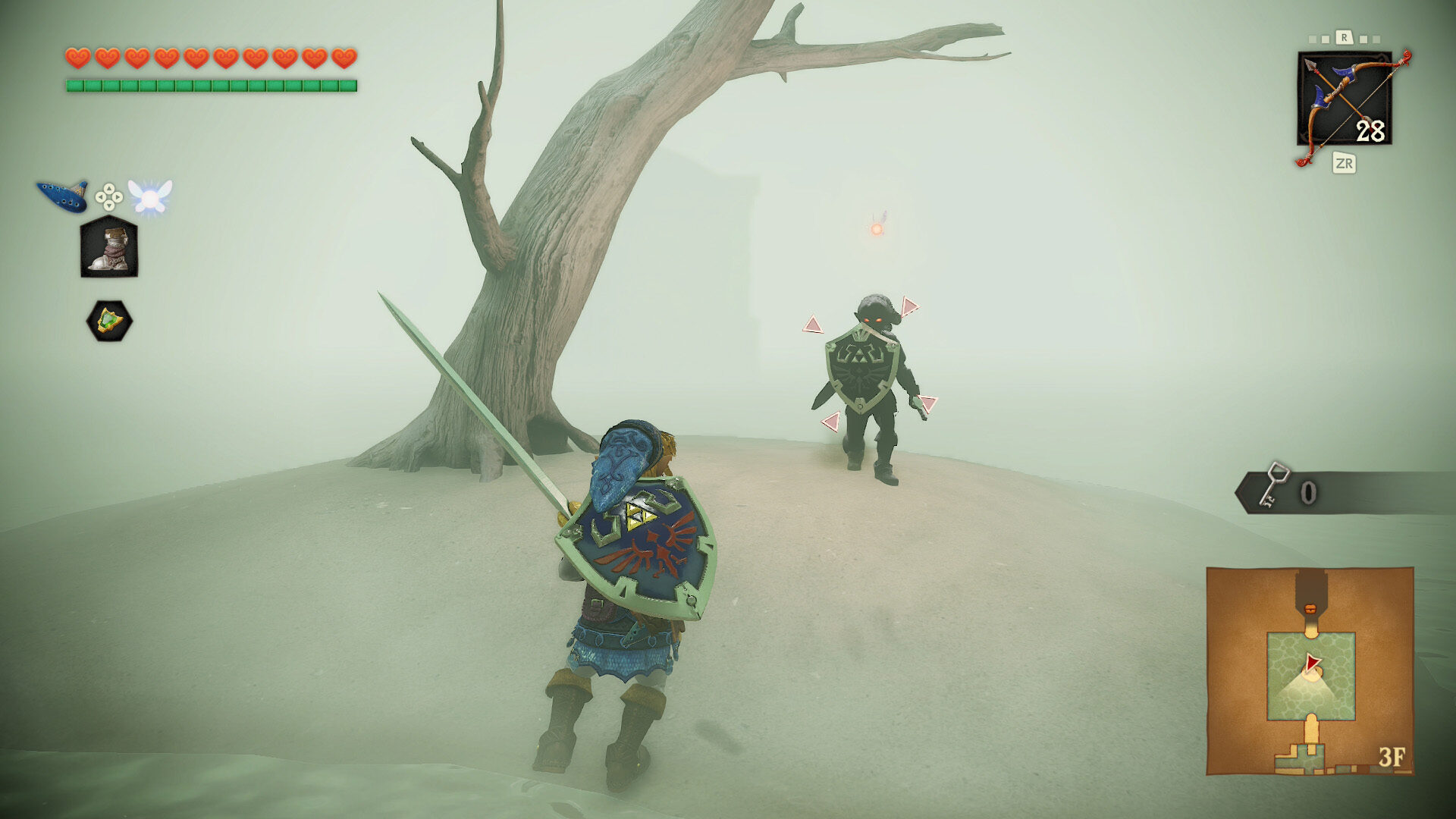
All the side quest stuff like Gold Skulltulas return with a brilliant refresh. They’ve never been my favourite thing about The Legend of Zelda: Ocarina of Time, and I figured I’d skip them. Instead, I ended up grabbing around seventy of them on my first playthrough, which is far more than I normally bother with. Something about the remake made me want to look into every corner, and that’s the real magic here. The game makes you want to find everything, and the sense of adventure I felt as a kid, when every path might lead somewhere new, is back in full force.
That’s helped by how much there is to find in The Legend of Zelda: Ocarina of Time. Heart Pieces, secret grottos, mini-games, and optional quests are woven through the world in a way that rewards curiosity. Stumbling into a side quest that pays off with a heart piece or bag upgrade feeds the feeling that Hyrule is a place to be explored.
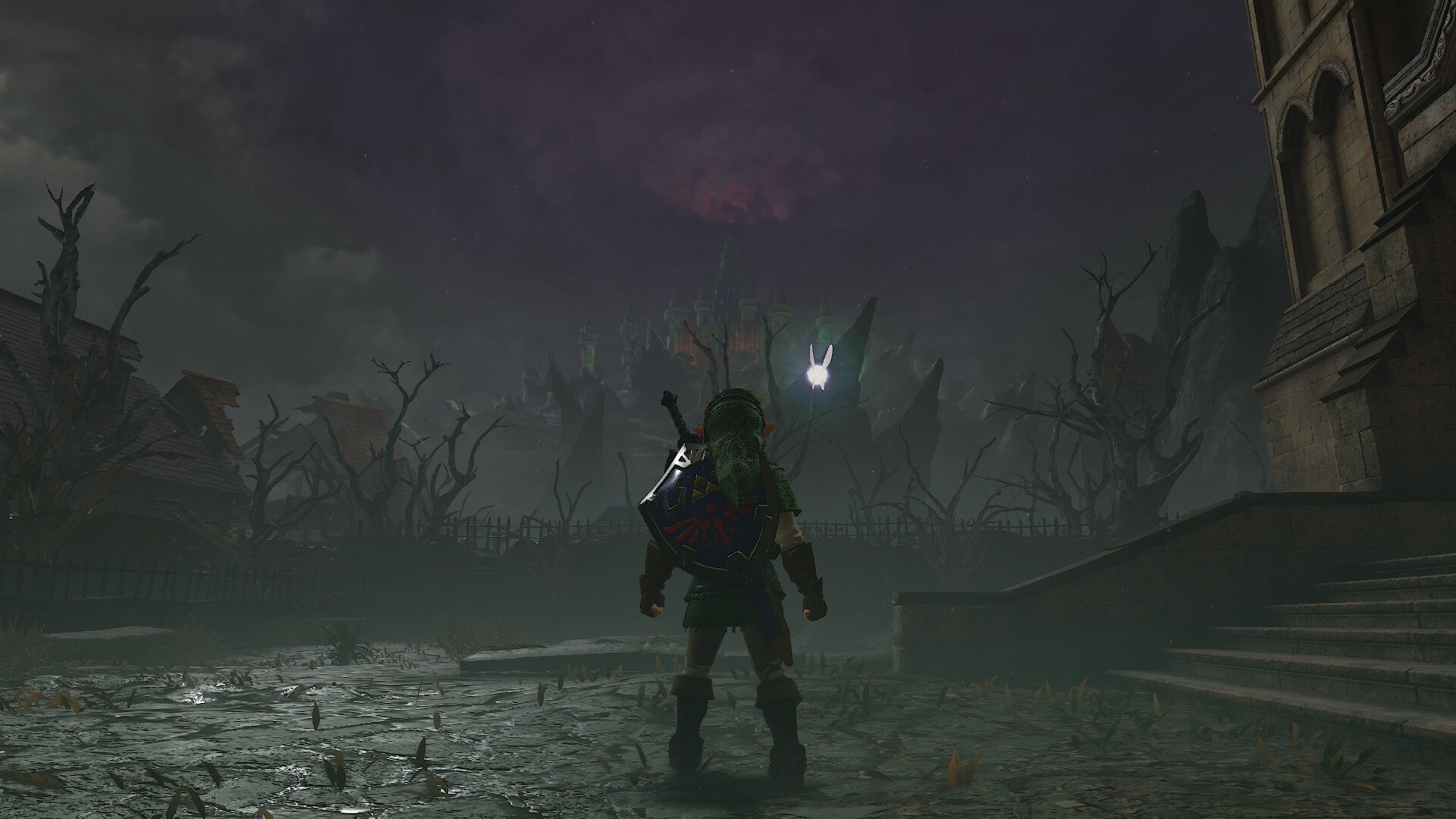
The way the structure of The Legend of Zelda: Ocarina of Time is split in two by the leap in time from Kid Link to Adult Link is still one of the coolest bits of game design ever pulled off. Seeing the Castle Town you knew as a child turned into a ruined, downright horrific version of itself is still a gut punch, and the remake leans into that contrast harder than ever. The first half is warm and curious, the second part feeling dark and urgent.
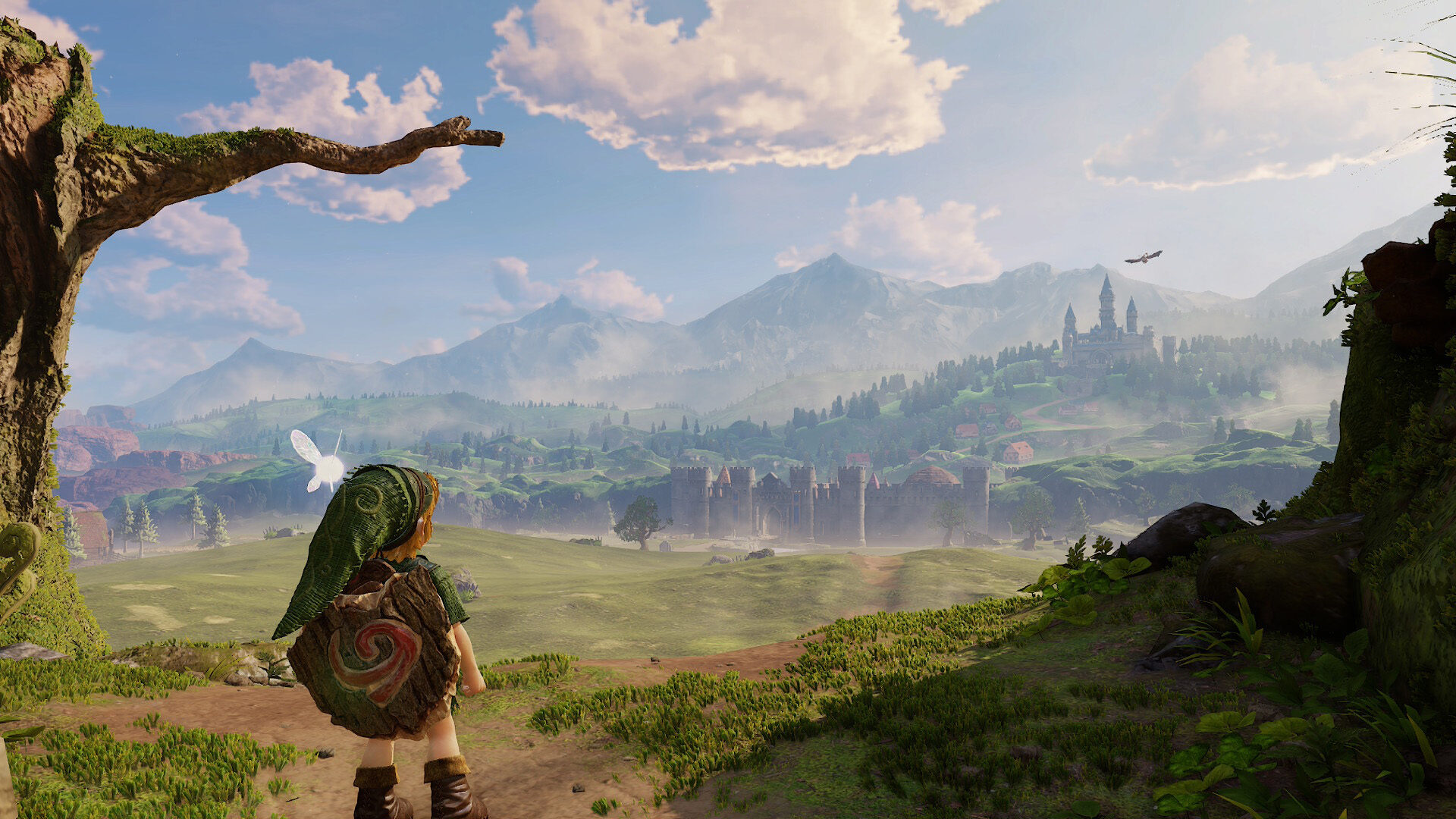
There’s nothing quite like stepping out into Hyrule Field for the first time. The music swells, and suddenly you can see all of it: the volcano off in the distance, Kakariko Village, and Hyrule Castle. The remake moves things ever so slightly to help it feel like a real world, with Lon Lon Ranch not being this structure surrounded by mountains, but being an enterable location just outside the city limits of the Castle Town.
The enemies got the same treatment, and I can’t point to a single one where I felt let down by the redesign. Two of them are special to me, though: the ReDeads and The Dead Hand. Both terrified me as a kid, and the remake brings that dread back in full force. The ReDeads are horrifying zombie-like creatures, and the way they lunge and have this updated scream while they shamble towards Link feels horrific. The Dead Hand is a gaping maw of terror and death, and it’s perfect. There’s also a hall where you can revisit past bosses and replay the fights, which is a brilliant addition. I loved being able to go back and fight some of my favourite bosses again; Twinrova was my favourite, I want to fight her again, or I want to study the ReDeads up close.
“The way the structure of The Legend of Zelda: Ocarina of Time is split in two by the leap in time from Kid Link to Adult Link is still one of the coolest bits of game design ever pulled off.”
The story is essentially unchanged, with a few extra lines of flavour text and some short scenes that flesh out the world and some character arcs a bit better without disturbing what was already there. It’s a handful of tiny touches, but they stitch the whole game together more tightly.
For newcomers, the remake is also a far more welcoming place to start because things like the controls are intuitive, the presentation is clearer, and the game guides you without holding your hand too tightly. If you’ve never played The Legend of Zelda: Ocarina of Time in your life, this is the version I’d hand you without a second thought.
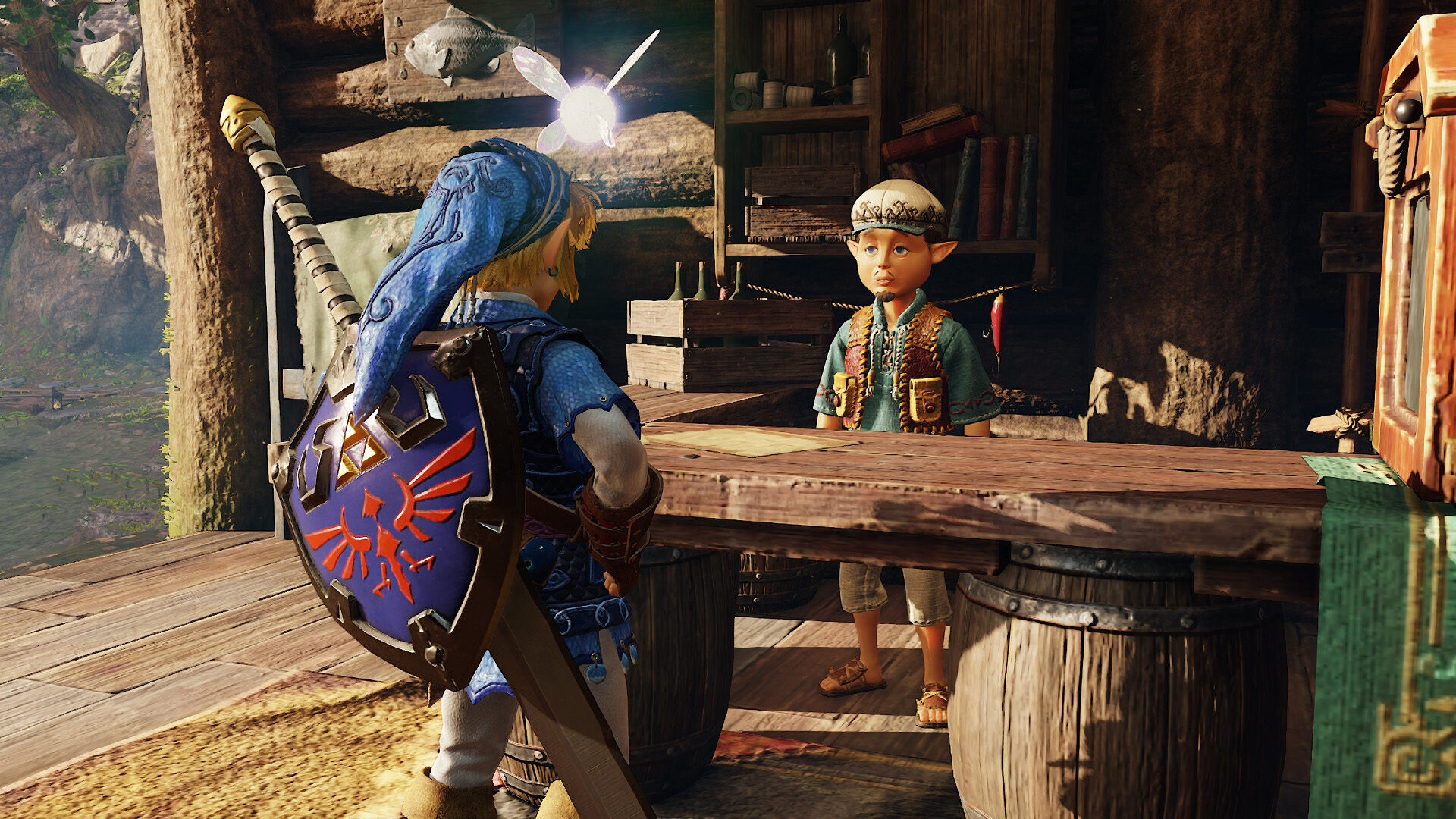
This game also hit me on a personal level. The Legend of Zelda: Ocarina of Time is the game that made me fall in love with games, and I’m now getting to relive its pivotal moments as an adult with kids of my own. It was a deeply magical experience, and being able to revisit and re-experience those moments, and them still having the same impact with the redesigns, means that this remake perfectly hit the notes it needed to.
I’ve always considered the original a perfect game, and I stand by that. But this remake reinvigorated me in a way that few games have, and it’s the first time I’m willing to say the remake is better than the original. I know that’s a bold statement, but I mean it. We’ve seen several remakes go off the rails in recent years, and this one has set a new bar for what a remake can and should be. It’s perfect for returning fans, who will feel at home and be constantly delighted, and just as good for newcomers. For me, as a lifelong Zelda fan, this is one of the best games I’ve ever played, if not the best.
The most exciting part is what this might mean for the future. Majora’s Mask has always been my favourite Zelda game, and if Nintendo can bring even half of this magic to it, I’ll be a mess. I cannot wait, and I hope they do it one day. Until then, The Legend of Zelda: Ocarina of Time on Switch 2 is the definitive way to experience one of the greatest games ever made. It respects its history, improves nearly every part of the experience, and reminds you why this series has mattered for so long.