
Nintendo finally pulled back the curtain on The Legend of Zelda: Ocarina of Time‘s remake for Nintendo Switch 2 this week, unleashing a bombshell of details and a remarkably short wait for its release date on November 5. Nineties kids and other fans activated like sleeper agents at the revitalized sounds of ocarina jingles or Link shouting “hiyaaah,” and suddenly the biggest game of the 2026 holiday season had some serious competition.
Judging by the initial glimpses, Nintendo is not just phoning this remake in. Instead, they appear to be going the extra mile, cramming an incredible amount of detail into a new vision of one of their most influential games of all-time. It remains to be seen if there are any additional surprises in store, like fleshing out the experience with additional areas or challenges, but it’s already clear that Nintendo is taking advantage of modern hardware and making something more than a simple coat of paint.
Here are the things we’re most excited about in The Legend of Zelda: Ocarina of Time‘s remaster.
5) Showing What The Switch 2 Can Really Do
The Nintendo Switch 2 will be nearly a year and a half old when The Legend of Zelda: Ocarina of Time hits shelves, and while it has an absolutely massive library thanks to backward compatibility, we’re still getting a handle on what the console can truly achieve. Nintendo has long held back on the tech front, pursuing stylistic experiences instead of chasing the cutting edge of the competition on PlayStation or Xbox. This generation, however, the Switch 2 came out swinging and has already shown itself capable of hanging with some potent PS5 ports.
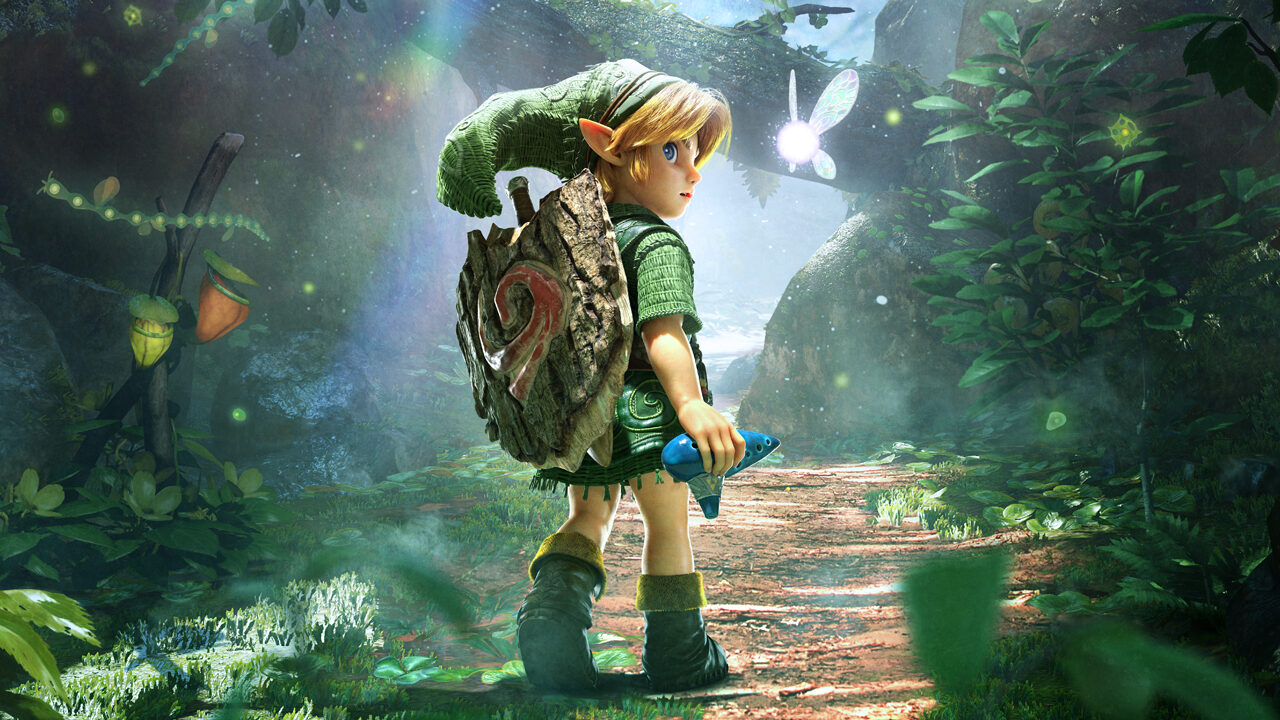
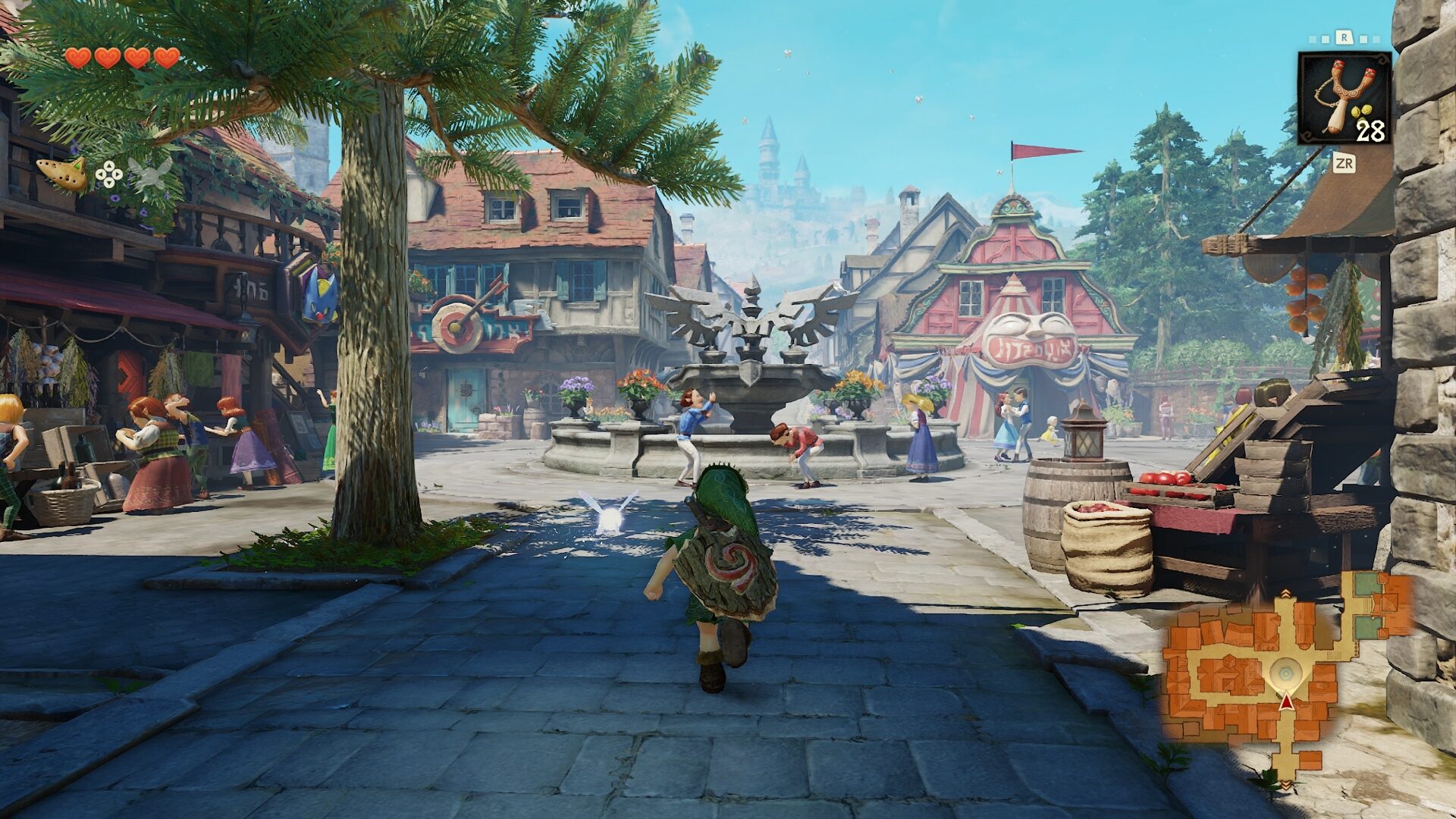
Nintendo’s own first-party offerings, however, have not yet pushed that envelope too far… until now. Ocarina of Time is already the most visually advanced game Nintendo has produced for their own platform so far. Early in the Direct footage, the familiar setting of Kokiri Forest sprang to life with a level of technical detail that’s unexpected on Nintendo hardware—vibrant lighting, stunning elemental effects, and incredible textures. Link’s iconic green outfit doesn’t just vaguely look like fabric, you can see the stitching.
If anything, it may even be too realistic. Many character models look uncanny to some fans, particularly the big-eyed faces of Link and Zelda’s younger forms. It may be a somewhat unexpected direction for this 40-year-old series, but it’s refreshing to see what Nintendo can do now that they’re working with a more potent platform.
4) Hey! Listen! …to New Voice Acting
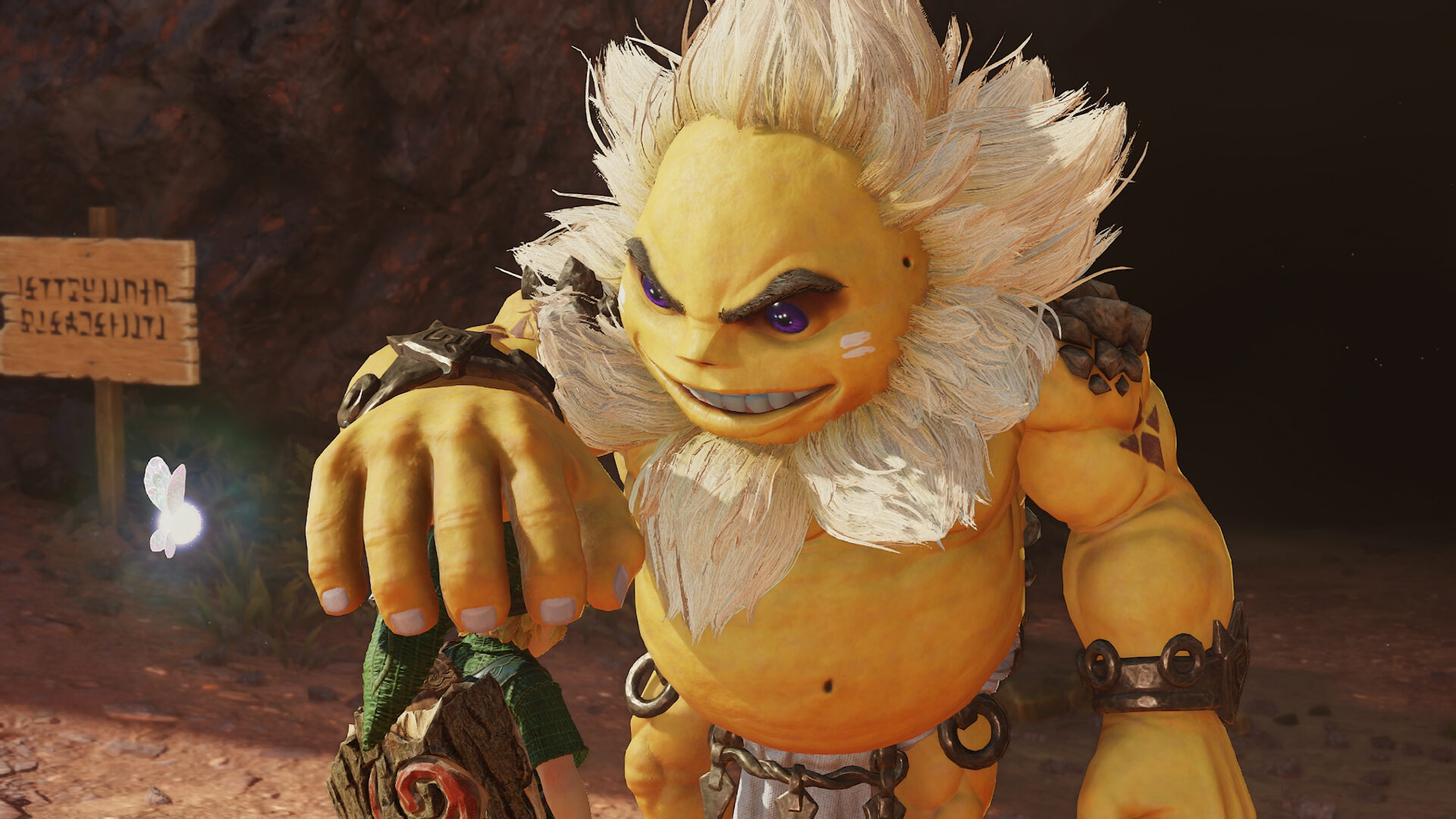
Another area in which Nintendo has been lagging behind the industry is voice acting. It’s been 25 years since voice performances have truly broken into video games as a medium, but most Nintendo franchises are limited to a handful of iconic snippets. The original Ocarina of Time is the origin of one of the most infamous (Navi’s “hey! Listen!“), and since then subsequent Zelda games have each had similar aural tics that seep into our brains.
But now, the Ocarina of Time remake is about to bring the classic adventure up to the standard of recent Zelda games in this department. Like Breath of the Wild and Tears of the Kingdom, crucial dialogue will be accompanied by newly recorded dialogue. Nintendo’s reveal gave us a sampling of iconic friends such as Saria, Darunia, Impa, and Zelda (and yes, Navi), and combined with newly expanded dialogue, it stands to be a whole new vision of Hyrule.
(Plus, Critical Role‘s Matthew Mercer gets to reprise his role as Ganondorf from Tears of the Kingdom, now redefining a version of the character he once called “quintessential.” Or at least… that totally has to be him, right?)
3) Ocarina Jam Band
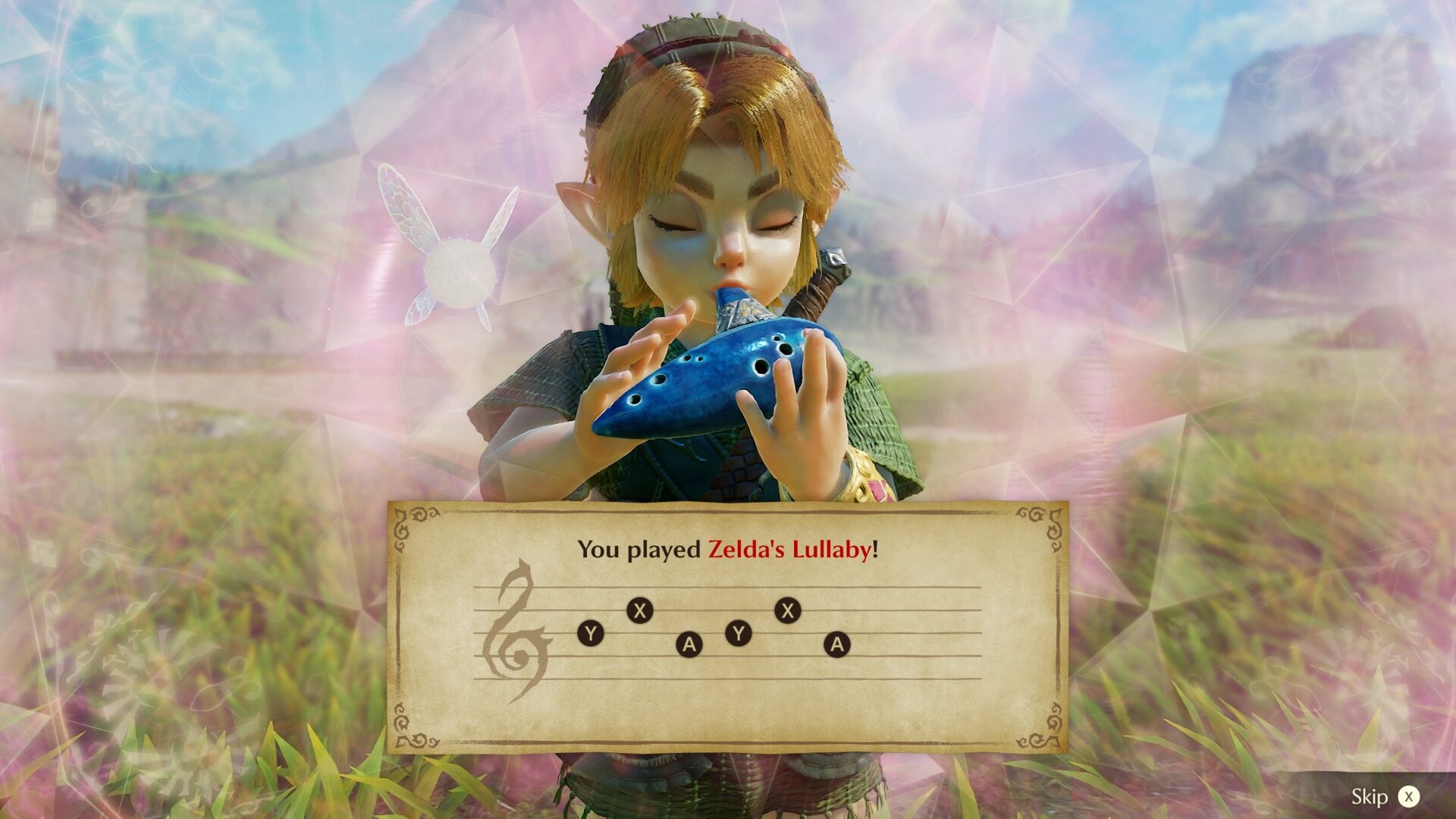
There is no Ocarina of Time without the literal ocarina, an heirloom of Hyrule’s royal family, and the remake is not cutting corners for the tool of honour. It allows Link to perform certain magical functions depending on the song he plays—like calling a horse with Epona’s Song, changing the time of day with the Sun’s Song, or warping to certain areas with a repertoire of regional themes.
In addition to the traditional method, Nintendo is incorporating the Switch 2’s microphone to allow players to hum their desired tune. This will surely come in handy for those times when the melody is on the tip of one’s tongue. Forgot the inputs for Zelda’s Lullaby, but the melody itself is ingrained in your brain? Just hum it into the microphone, and the game will recognize it.
Alternately, the Zelda Notes app within the Nintendo Switch smartphone app will feature a virtual ocarina with touch screen inputs, allowing players to activate songs that way or just jam out. Having three different inputs for the ocarina is a nice touch that will let players have a little fun with this iconic mechanic. (Seeing Eiji Aonuma demonstrate these inputs was a charming highlight of the Direct.)
And of course, since the microphone will also recognize instruments (like the real ocarina Nintendo is selling through their online store), surely there will be some creative players who find amusing ways to use this capability for challenge (or joke) runs. How long until someone clears the game using an Otamatone, kazoo, or tuba?
2) A Breath (Of The Wild) Of Fresh Air
It’s been nearly ten years since The Legend of Zelda: Breath of the Wild came out, introducing the series to the open-world format and putting an emphasis on survival; its sequel, The Legend of Zelda: Tears of the Kingdom, continued and expanded this trend. While the duology has been wildly successful, introducing new players to the franchise, many fans have been divided over certain elements, like weapon durability, cooking food, or the latter game’s heavy emphasis on making devices.
As a Tears lover, I was blown away during the Direct when Link left his forest and wandered out into Hyrule Field. The Ocarina of Time remake has incorporated much of the Switch era’s sheer scale, while retaining a nearly 1:1 representation of the original game’s world. Nintendo is taking Zelda back to its definitive 3D entry and incorporating the things that new players have come to love about the modern games—it’s becoming the best of both worlds, bridging two different eras. How fitting, given the game’s story.
Plus, since the Breath of the Wild continuity showed us a world broken by Calamity Ganon, we never got to truly experience the world in its whole state; its towns were all modest settlements and outposts. From the brief glimpse of Hyrule Castle Town in the Direct, Ocarina of Time is fully fleshing out familiar locales and turning them into true, living-and-breathing towns. Corners that were just backdrops on Nintendo 64 are becoming full streets, animating the original world and showing us the sort of vibrant settlements we haven’t seen yet in series’ Switch era.
1) Transcending Generations
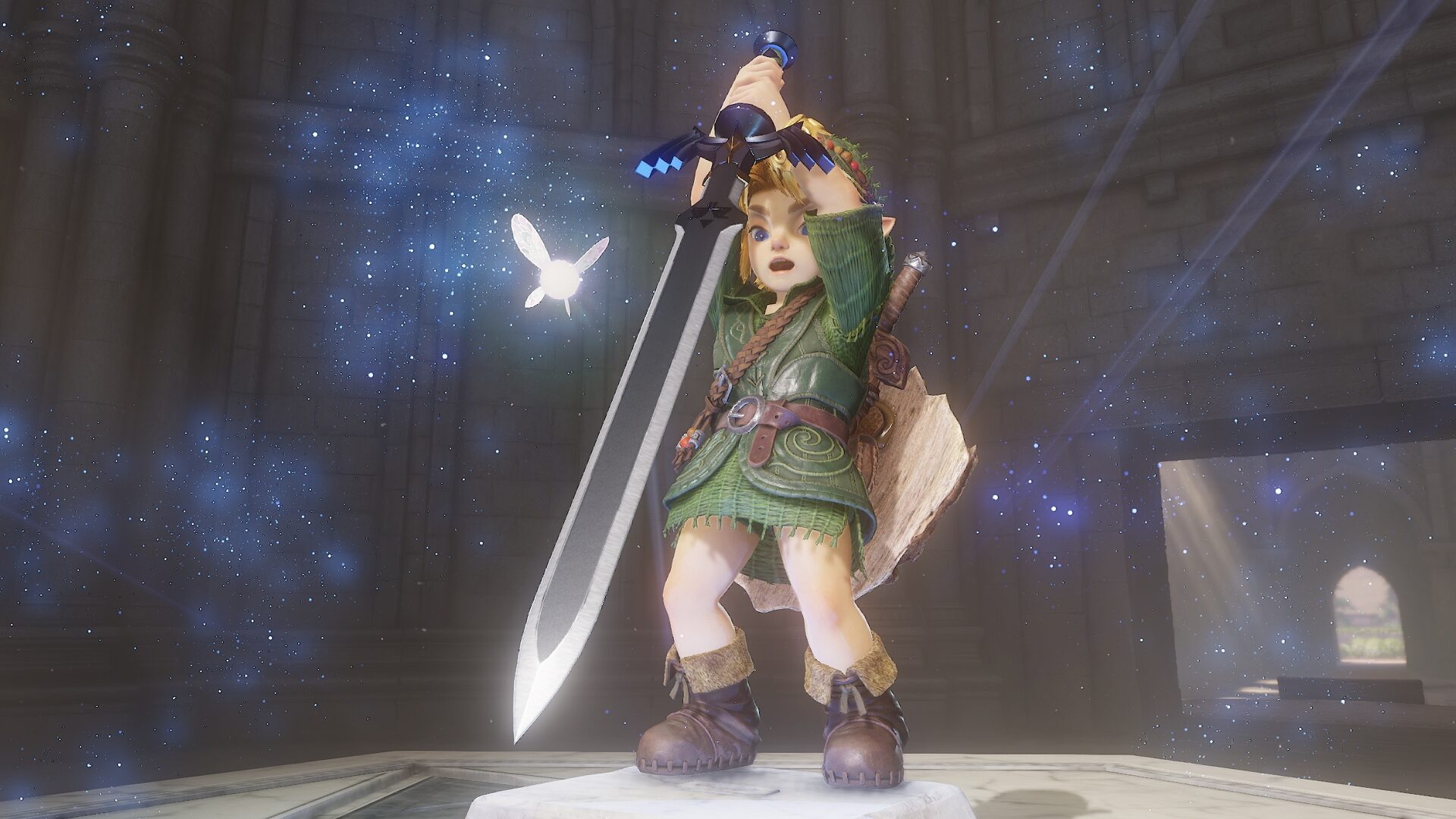
Nearly thirty years after its original release on Nintendo 64, Ocarina of Time is being revitalized for The Legend of Zelda series’ 40th anniversary. Over the last three decades, it has served as a template—both within Nintendo as a formula for the games that followed, like The Wind Waker or Skyward Sword, and beyond the company as a blueprint for modern 3D adventure games. It inspired a generation of gamers and game developers, stoking imaginations and making people fall in love with the medium. For many, it is the definitive Legend of Zelda.
Now it returns to us truly updated for the modern era, utilizing the incredible advances the industry has made over the last thirty years. Original players can transport back to their childhoods—again, how fitting given the game’s jump between the young and adult Link forms—and see familiar settings and characters rendered in modern graphics, with the other advantages that today’s tech brings.
The game is already playable on modern hardware through Nintendo Switch Online’s Classics Library, those old cartridges still work, and it was even remade once before for the Nintendo 3DS; it’s not like this adventure has been sealed away and inaccessible. However the original controls are a little clunky, and this much more ambitious remake seems to be truly revitalizing the experience. It’s a perfect opportunity to revisit one’s childhood, introduce younger family members to something special, or even show the series’ roots to a new cohort of Zelda fans that first discovered it through the BOTW era.
If it pans out, Ocarina of Time might just be the wholesome adventure that many of us need right now, an antidote for an often cynical industry beset by spiking prices and rampant studio closures—a quintessential quest and a triumph of good over evil.

![The Legend Of Zelda 40th Anniversary Direct Shows Off […] And More!](https://www.cgmagonline.com/wp-content/uploads/2026/09/the-legend-of-zelda-40th-anniversary-direct-shows-off-and-more-6801-300x169.jpg)