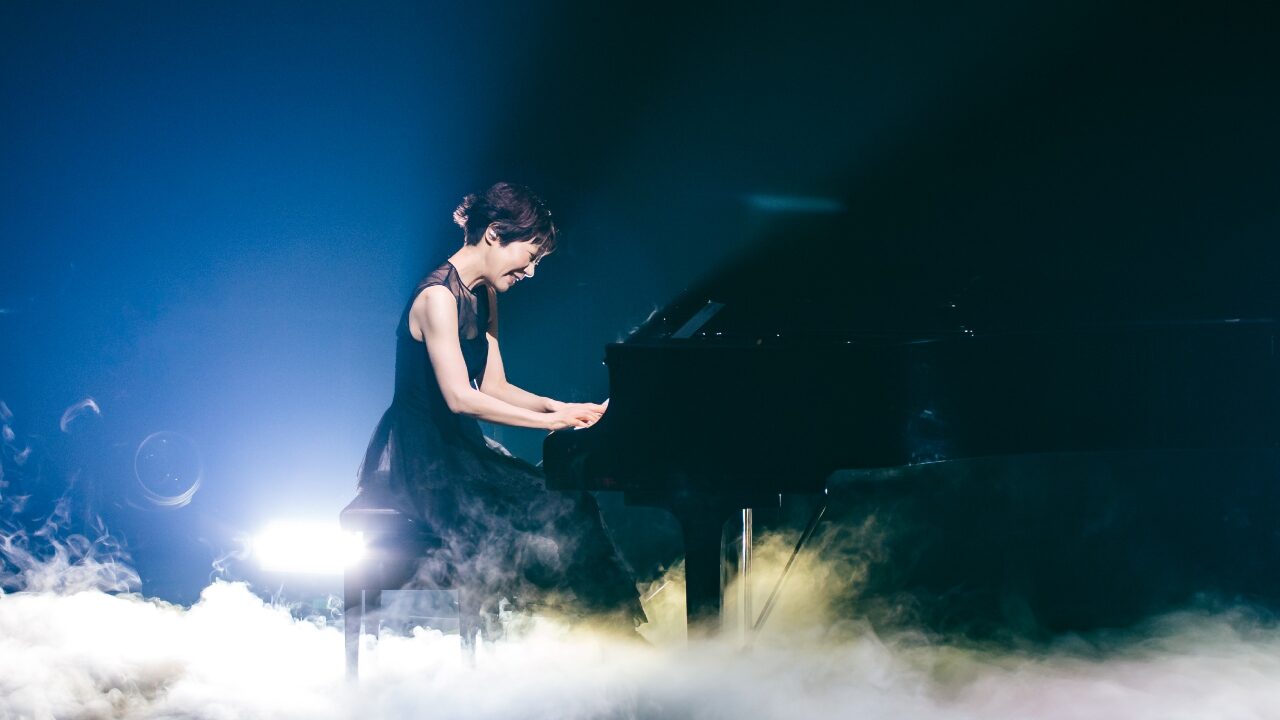
Lucca Comics & Games is celebrating a landmark anniversary this year, and among its most anticipated guests is legendary composer Yoko Kanno, whose work has been featured in anime, film, and game soundtracks for decades. This marks her first official invitation to Lucca Comics & Games. CGMagazine was able to chat with Yoko Kanno about her career and how she got involved with Lucca, including letting us know that she “didn’t hesitate for a moment” to say yes to the invitation.
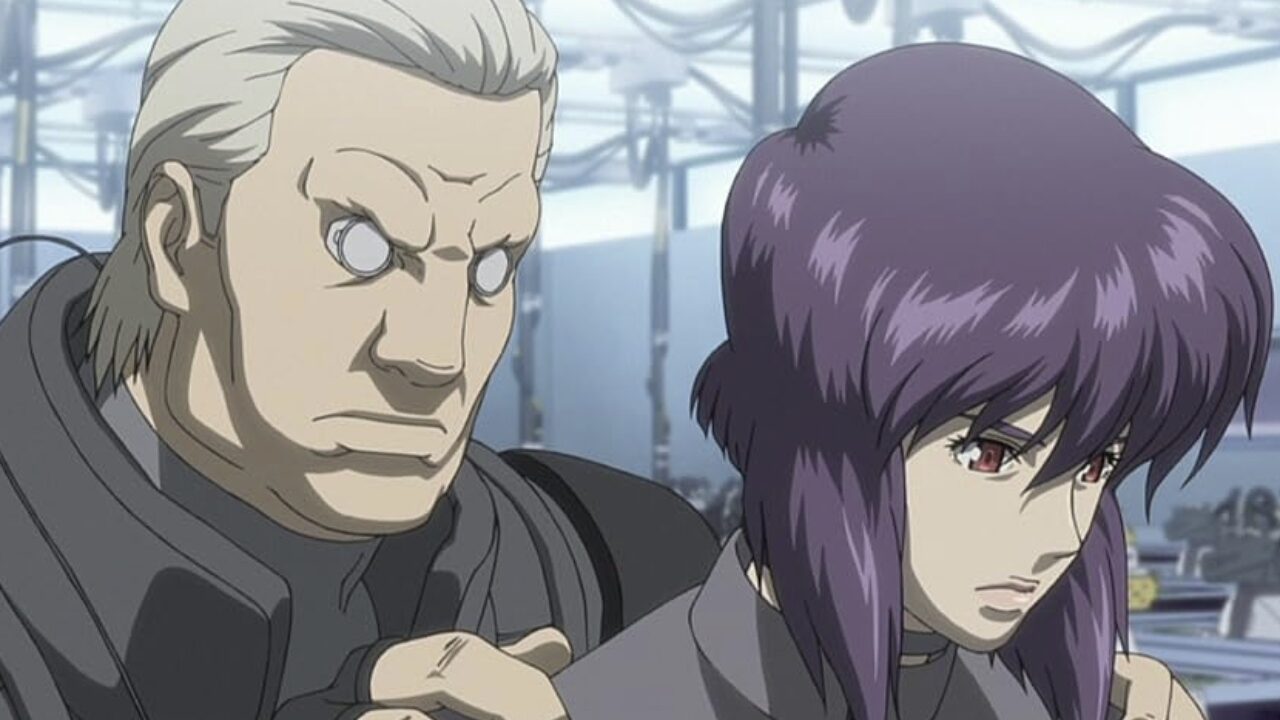
The sentiment was the same from Lucca Comics & Games Festival Director, Emanuele Vietina: “We have long dreamed of hosting Yoko Kanno at Lucca Comics & Games, and the dream is coming true during our 60th anniversary celebration. In Lucca, for nearly two decades…we have celebrated the great names of contemporary symphonic music in the hometown of Giacomo Puccini. From Cowboy Bebop, Escaflowne, and Ghost in the Shell to her work in video games, Yoko Kanno has composed scores that achieved legendary status overnight and now stand as milestones in the history of music and anime.”
Whether Yoko Kanno is scoring anime, composing for games, or crafting music for film and more, her approach remains focused on what music can bring to the medium. Yoko Kanno opened up about her creative process, her reflections on decades of work, and the stories behind some of her most popular compositions. What my biggest takeaway from this conversation is, though, is how dedicated she is to the teams she works with, and how she credits and empowers them.
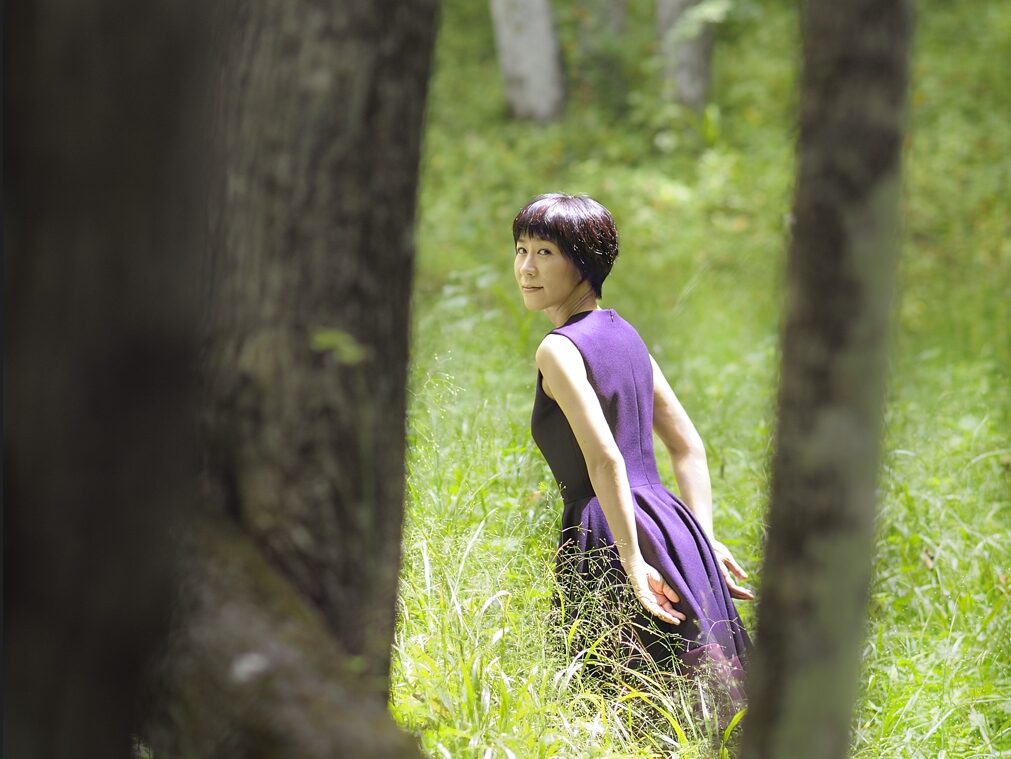
Thank you for taking the time to chat with us. To get started, what made you want to get involved with Lucca Comics & Games this year?
Yoko Kanno: I’ve been to Italy for recordings before, but this is the first time I’ve been invited. My love for Italy has been entirely one-sided, so it feels as if my feelings have finally been answered — which makes me very happy. I’ve been to many cities in Italy, but I’ve never visited Lucca. Being invited in this landmark anniversary year for Lucca Comics, I didn’t hesitate for a moment.
Your body of work is incredibly impressive, spanning so many different kinds of media, like games, film and more. Is there a different process that goes into each kind of project?
Yoko Kanno: The pace of work, deadlines, approach to content, and methods vary depending on the project—whether it’s a game, movie, anime, or advertisement. However, when it comes to creating music, the fundamentals remain the same. I think about what music can contribute to the work. In other words, I always do what I can to help.
Do you have a type of project you prefer working on, whether it is games, film, etc., and why or why not?
Yoko Kanno: Regardless of the project’s form, I’ll be working with the creators for several weeks, or even several years in some cases. While the project’s content is important, what matters to me is whether they are a team I want to create something with.
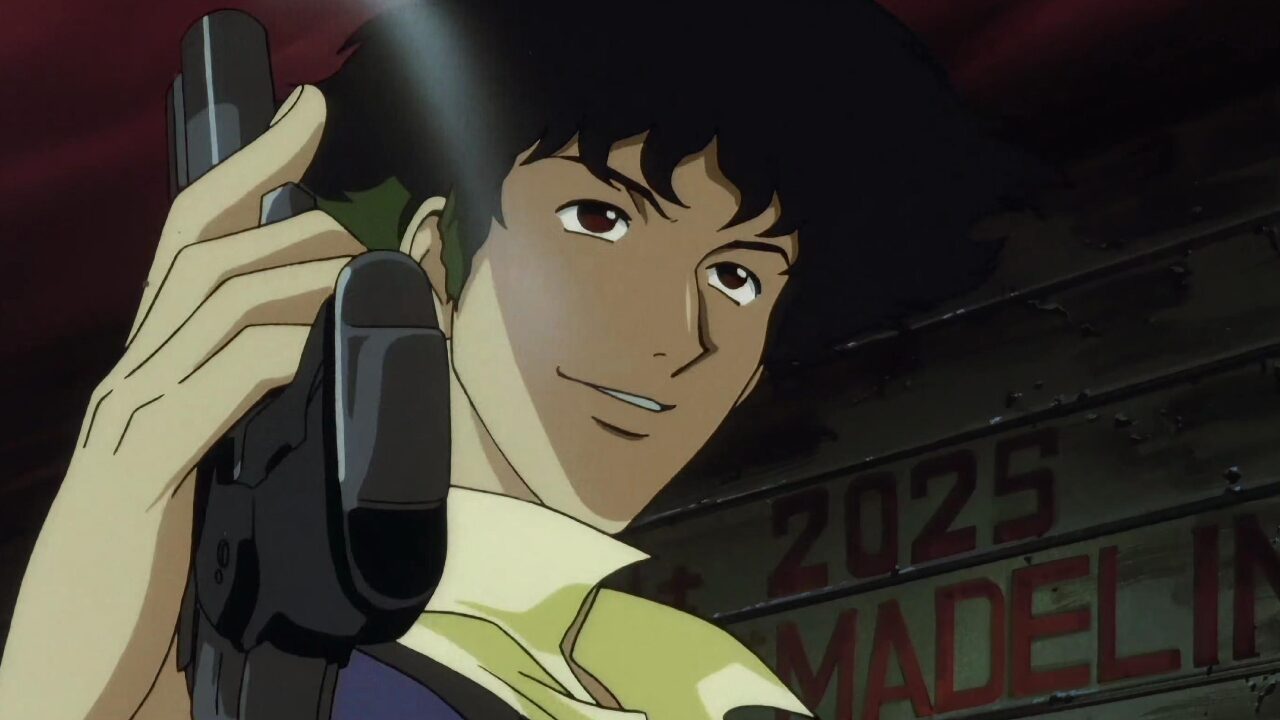
The theme for Cowboy Bebop was an instant hit and is incredibly recognizable today. Could you tell us a bit about how it was created? How much did it change between its first inception and what we know today?
Yoko Kanno: When we first created and recorded it, it wasn’t recorded as a theme song. It was one of roughly 15 tracks we recorded that same day, as part of the background music. What you hear now is the original recording from back then, made more or less in one take, with the mistakes and rough edges left untouched. The musicians from that session are still growing even now, and I’m proud of them. Personally, I never had the sense that it was an instant hit; I think it was thanks to Director Watanabe choosing this song and putting cool visuals to it. 15 or 20 years later, people have told me that both the opening and ending themes had a big impact back then.
Do you have inspiration for a project like that, aside from the show itself?
Yoko Kanno: As I said earlier, my main source is not so much the script or the visuals as imagining the unspoken feelings of the core creators, and the temperature, the humidity, the smells that aren’t depicted.
When something becomes a bit more mainstream, does it make you feel any differently about the project?
Yoko Kanno: When I later learn that my work has been loved for a long time or has influenced the lives of those who have seen it, I become somewhat more mindful of not including undesirable underlying messages in future works. I don’t think more highly of a work of mine just because others praise it, nor do I lose my attachment to a work just because it’s unpopular with others.
To date, do you have a favourite project you have worked on in your career that really stands out to you or is near and dear to your heart?
Yoko Kanno: Each of my creations is like a precious child to me, so whether they grow big or stay small, whether they’re inconspicuous or unknown, they’re all equally adorable. I’m often asked which one is my favourite, and it always puts me on the spot. I’d like people to imagine being asked, “Which of your children — your cats, your dogs — matters most to you?”
Your career has spanned decades, which is a real achievement, especially in the arts. How has music changed since you started, and how does it affect your process?
Yoko Kanno: I was just doing what was in front of me, and before I knew it, decades had passed. I was simply breathing. I think that’s a fortunate thing. Now that people can make music themselves without asking professional musicians to play, I feel that unconscious thoughts and feelings that have no clear form can more easily be released as music, just as they are. My own production method has always been the same: I imagine the performers, write the sheet music by hand, and create demos by playing them myself.
Who are some of your biggest influences in music, whether that is for your entire career or something that is very important to you right now?
Yoko Kanno: At the risk of being misunderstood, I’d say: God. Not in the sense of any particular religion, but the being who created this world. The beauty of nature, the strangely shaped creatures at the bottom of the night sea — it is beyond my imagination how such forms could ever come about. I can only bow down before that kind of “craft.”
I have to ask: you created music for the ascension of Emperor Naruhito. That seems like an incredible honour. How did that come to be, and was it an emotional process at all? How did it feel?
Yoko Kanno: Whenever I compose music, I always have just one person in mind. It could be a performer, a director, an audience member, or a staff member. I won’t say who that is here.

Do you have any projects on the go right now that you can share with us?
Yoko Kanno: I’d like to take SEATBELTS somewhere I’ve never been before and run wild there.
“Yoko Kanno will be in Lucca on Saturday 31 October and Sunday 1 November, where her career will be celebrated, and she will meet fans from Italy and across Europe. On 3 November, she will bring PIANO ME—her solo project combining live piano and visuals—to the Teatro Nazionale in Milan for its first standalone theatre performance in Europe. The concert, conceived and produced by Yoko Kanno, will be a one-off event in the autumn 2026 concert season. Tickets for the Milan concert are now on sale.”
Lucca Comics & Games runs from October 28-November 1st, 2026.
Follow Yoko Kanno on her official pages:
■ Official Website: https://yokokanno.ch/en/
■ Official YouTube: https://www.youtube.com/@YokoKannoCH
■ Official Bandsintown: https://www.bandsintown.com/a/241452
■ Official X (Twitter): https://x.com/YokoKannoCH
■ Official Instagram: https://www.instagram.com/yokokannoch
■ Official Facebook: https://www.facebook.com/YokoKannoFB/